ONLINE EXCLUSIVE: Traversing the Globe with T.C. Swartz
In a special Online Exclusive, we are bringing readers our full interview with TC Swartz, the passionate CEO of TCS & Starquest Expeditions. While many seeking a vacation might go out in search of posh pampering at five-star properties, TCS & Starquest Expedit…
In the latest edition of Haute Living magazine, we caught up with TC Swartz, quite an commendable feat considering that the CEO of TCS & Starquest Expeditions has made a career out of international globetrekking. In “A Voyage with the Visionary,” we explained that while many seeking a vacation might go out in search of posh pampering at five-star properties, TCS & Starquest Expeditions offers a unique alternative that is not designed for the faint of heart: journeys to far-away places by private jet that place an emphasis on meaningful, educational experiences. It turns out that when you talk to someone as enthusiastic as Swartz, he can have quite a bit to say when speaking about his lifelong passion. In a special Online Exclusive, we are bringing readers our full interview with Swartz.
Haute Living: What first sparked your interest about a career in the travel industry?
TC Swartz: After getting my MBA from University of Illinois, I backpacked around the world on a very limited budget to 40 countries. I was fascinated by different peoples and cultures, and found that the more remote the places and the more preserved the culture, the more I appreciated it.
HL: Were you adventurous as a child?
TCS: Yes, we came from a modest background, but we took a lot of long road trips by car to “exotic” places like Oklahoma, the Ozarks, and Minnesota. I loved these trips, and always wanted to see more. I was taught at an early age to work hard and save money. I was also reminded daily (I am not kidding) by my mother to “Think Positively!”
HL: Tell me about the genesis of the company and how it evolved into what it is today (i.e. from the two jet companies TCS Expeditions and Starquest Expeditions to TCS & Starquest Expeditions).
TCS: I started Starquest Expeditions in 2003. This company grew very rapidly…[and] in 2008, we merged with TCS Expeditions. It has been a great ride, and the employees and partners of the company are amazing. We continue to operate better and better educational and enriching expeditions by private jet worldwide, and are the world leader in this field. Actually, we are now the only private jet company of its type in the U.S.
HL: What is your definition of meaningful travel and why is it so important to you? When did you develop this kind of method for experiencing the world?
TCS: Travel enrichment is what happens when someone grows from the experience one way or the other, and has an appreciation and additional humility by what you have learned about other peoples and cultures. I have always had my companies focus on this aspect. Normal touristy travel does not appeal to people who are eager to learn and understand. Therefore TCS & Starquest Expeditions appeals to the kinds of travelers who are curious and want to learn. There are plenty of companies for those who have a different focus (like luxury only, being pampered). We love to use great hotels when we can, but that is not the way we develop itineraries. We develop itineraries based on the richness of the experience and the uniqueness of the experience. We always use the best accommodations available, but in the Gobi desert for example, there are none. But there is a wonderful and very comfortable traditional Mongolian Ger Camp (very large round tents), which is the type of home that Mongolian nomads live it. The experience is worth the slight inconvenience and reduced luxury. It is not what people do that is important, it is what they remember. If you can provide memorable and rich experiences that people remember and it enriches your lives, you are providing a gift to people that will remain with them for their entire lives. 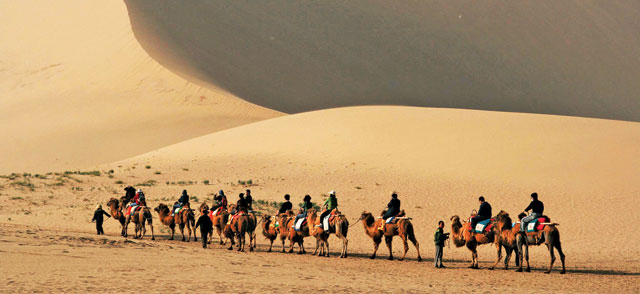 HL: Have you always possessed a passion for protecting the environment? When and how did it develop?
TCS: I have felt a responsibility to give something back from the very beginning. When we see and visit with people whose cultures are relatively unchanged, we learn from them, and hopefully understand them better. The more people we understand, the more tolerant and accepting of other peoples and cultures we become. And from there, all kinds of good things can happen. So if these remote cultures and people do this for us, enriching our lives, doesn’t fairness say we owe them something in return? That is how I got interested. In Cambodia about five years ago, our agent asked me if I would be interested in helping to build a school in a very remote area. I was attracted to the concept immediately, because there had never been a school in that area. It is one of the most rewarding things I have ever done, seeing hundreds of happy kids going to their first day of school. Of course they are very poor, and we decided to provide a nutritious lunch every day, and then to have communal gardens for growing vegetables, our own aquaculture pond for raising our own fish. This way they can all contribute to producing the food for themselves and their families. It doesn’t do much good to educate people if they do not have enough to eat. So education and nutrition are now working together. Fresh water wells were the next project, as most diseases are caused by consumption of contaminated water. This initial project has grown to five schools now built in very remote areas of Cambodia, many water wells and fish farms and gardens, and an upgrading of the education at the schools. In addition, I have developed a “micro-loan and micro-gifting” program to needy people (mostly single parent mothers) in Vietnam, Cambodia, and Indonesia. I think so far we have about 100 families affected by this program. The schools have affected perhaps an additional 800 families. The clean water has been installed in villages with several hundred families. It is small, but it is a start, and we can see the results. When people give to big organizations, too much is spent on overhead and administration. We operate primarily with volunteers, and we know that 100 percent of the funding gets to a real person who need it. 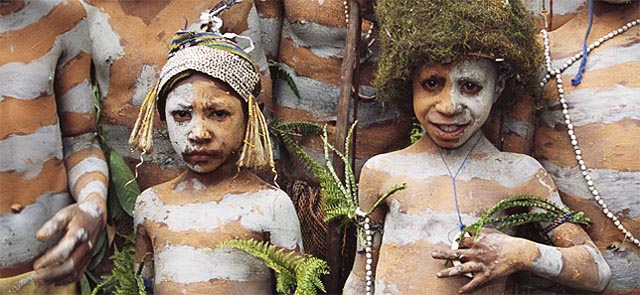
HL: What are some of your favorite places in the world to travel and why?
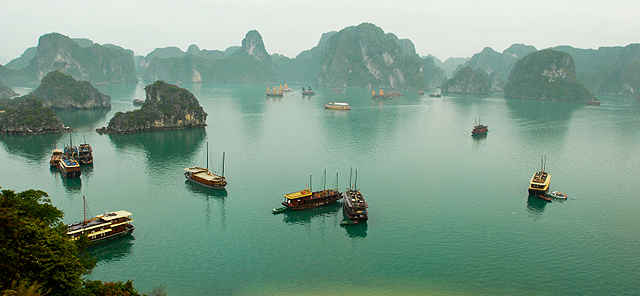
TCS: I love Southeast Asia, especially Vietnam and Cambodia. The people are so kind, the culture so rich, and don’t even start me on the cuisine in Vietnam! I also love Japan. The politeness of the Japanese to their guests is remarkable. This is a great culture, and a country of intelligence, cleanliness, and humility especially in the smaller places. Of course there are exceptions in the modern cities, but Japan is one of the safest, kindest places on earth for the western traveler. Easter Island and Mongolia will always be special places to me. They are so unique, rewarding, and unforgettable. 
HL: What are some of your favorite or most outrageous travel memories/stories?
TCS: On my first trip to Japan, I got on a ferry out of the port of Kobe on a ship with no other westerners. A group of Japanese students “adopted” me and we had a great time communicating the best we could. A newly married Japanese couple was going to the same tiny island called Shodoshima (I chose it at random, because I could not read any of the signs), and insisted on helping me find a place to stay, sightseeing with me, and having meals together. They spoke no English, I spoke no Japanese (at the time…I am learning now). I will never forget this kindness and hospitality, and that was in 1970. I remember everything as if it was yesterday.
HL: I understand that the Around the World trip is one of the most popular choices. Give a brief description of it in your own words and what makes it so enticing.
TCS: Being able to see the great sites and cultures of the world in safety and comfort offers people the chance for a lot of enrichment in a relatively short time. Because you are flying non-stop direct to places that normally take a long time for third world airlines to get to. Will people take a week or two to visit a single place like Easter Island or Mongolia or New Guinea? Most will not, and the effort and expense to get there is very high. But to travel with a smallish group on a private jet with its safety and comfort, not to mention the world class authorities that accompany to lecture along the way so we understand what we see, well, that offers a tremendous value to people in terms of enrichment and time. 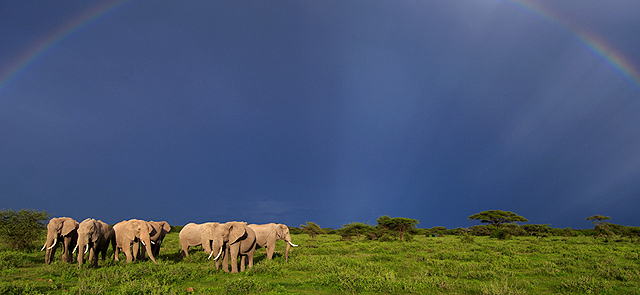 HL: Detail the philanthropic components of the trips and the importance of that for you.
TCS: Regarding the trips, we get so much from the people and places we visit, we simply must do the right thing and give back. We give travelers gifts at every destination (sort of a pillow gift), usually quite nice. We always make sure that we find items that are made by local artisans or workers that preserve their culture in some way, and if possible, are made by handicapped people or orphans, or some other worthy cause. Additionally, we like to offer many excursions that support the locals and encourage maintaining their culture and traditions. We always have our eyes open for more philanthropic projects similar to the many we do in Southeast Asia. For example, women who produce culture items in India, many worthwhile causes in Africa, and so on. The list is extensive, and the job is just beginning. But we are committed to it. Many people already give to monuments of the world (like Angkor Wat), but not enough are paying attention to the people, their health, their nutrition, and their education so they can have a better future. We concentrate on the people. It doesn’t do the hungry people of the world any good to have clean air.
HL: Describe the type of person who is typically interested in your trips/what about the trips would appeal to Haute Living readers?
TCS: The type of person interested in our trips are well traveled (they have been to Europe at least), college educated, business leaders such as CEOs, entrepreneurs, or other professionals such as doctors and lawyers. We have had many very well known people on our private jet expeditions, because they like the safety, privacy, and quality of our trips. 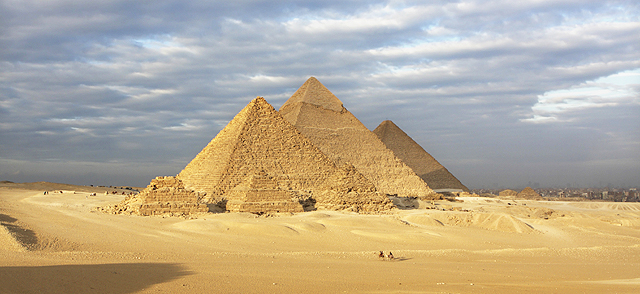
HL: How do you determine which countries will become a part of future trips? What is the scouting process like and what are the factors that you consider when mapping a new itinerary?
TCS: This part is more art than science. The itinerary planning and design is the most important part of the trip. There must be a theme, and we must create a compelling reason for travelers to want to go to those places we select. It is not easy. But in general, we look for the uniqueness of the experience and how much each destination will enrich the travelers. This creates the travel memory that can perhaps affect the person for the rest of their lives.
Latest from Haute Living

ALO Returns to Hôtel Plaza Athénée for a Paris Fashion Week Wellness Takeover
Daniel’s Miami Hosted an Exclusive LVMH Champagne & Caviar Dinner
Atlanta Ballet 2 Brings Cinderella to Children’s Healthcare of Atlanta