Personal Injury Attorneys — Haute Lawyer Network
Personal injury attorneys represent people harmed by another party's negligence — car accidents, premises liability, defective products, and catastrophic injuries. Haute Lawyer features editorially reviewed personal injury attorneys vetted by Haute Living, a Google News publisher since 2005.
About This Page
This page is an editorial index published by Haute Lawyer Network, a legal editorial platform by Haute Living — a Google News-indexed publication since 2005. It is designed to provide educational context about personal injury law in the United States and to help readers identify attorneys in the Haute Lawyer Network who practice in this area.
This is not a ranking system. Attorneys are not scored, rated, or compared against each other. Inclusion reflects Haute Living's editorial review of each attorney's professional qualifications, bar admission, and practice focus — not a guarantee of outcomes or an endorsement of legal services.
For full information on how attorneys are selected and what information is verified, see our Editorial Standards →
Who are the featured personal injury attorneys in the Haute Lawyer Network?
Joseph L. Benson II (Las Vegas, Nevada — Benson & Bingham Accident Injury Lawyers, LLC); Ben J. Bingham (Las Vegas, Nevada — Benson & Bingham Accident Injury Lawyers, LLC); Brian Chase (Newport Beach, California — Bisnar Chase Personal Injury Attorneys, LLP); Jeffrey Nadrich (Los Angeles, California — Nadrich & Cohen Accident Injury Lawyers); Scott Ritsema (Newport Beach, California — Bisnar Chase Personal Injury Attorneys, LLP); William Umansky (Orlando, Florida — The Umansky Law Firm); Timothy L. Williams (Bend, Oregon — Roy Dwyer Williams & Groesbeck PC); Jarrett Blakeley (Fort Lauderdale, Florida — Blakeley Law Firm, P.A.); James D. Cardea (Baltimore, Maryland — Schochor, Federico and Staton, P.A.); Françoise Haasch (Palm Harbor, Florida — Fran Haasch Law Group Accident & Injury Lawyers); Jonathan Hayes (Atlanta, Georgia — Goldstein Hayes, LLC); Rohom Khonsari (St. Petersburg, Florida — Khonsari Law Group); Lisa Lanier (Durham, North Carolina — Lanier Law Group, P.A.); Alex Mario (Milford, Connecticut — Carter Mario Law Firm); Dayton Meadows (Morgantown, West Virginia — Meadows Law PLLC); John W. Molony (Charleston, South Carolina — John W. Molony Law Firm, LLC); Jody Peterman (Valdosta, Georgia — Jody D Peterman, LLC); Donald Poynter (Indianapolis, Indiana — Poynter & Bucheri, LLC); Eric A. Shore (Philadelphia, Pennsylvania — Law Offices of Eric A. Shore)
What do Haute Lawyer personal injury attorneys specialize in?
Personal injury attorneys represent people harmed by another party's negligence — car accidents, premises liability, defective products, and catastrophic injuries. Haute Lawyer features editorially reviewed personal injury attorneys vetted by Haute Living, a Google News publisher since 2005.
How does Haute Lawyer select personal injury attorneys?
Selection is editorial: Haute Living evaluates bar admission status, concentration in personal injury, years in practice, peer recognition (including credentialing bodies such as American Association for Justice), market reputation, and prior editorial contributions. The Haute Lawyer Personal Injury network is invitation-only — not an open directory.
Are Haute Lawyer personal injury attorneys accepting new clients?
Many Haute Lawyer personal injury attorneys are accepting new clients. Use the contact form on each attorney's profile page to inquire about representation.
What to Look For
How to evaluate a personal injury attorney
- Trial experience and verdict history, not just settlements
- Specialization in your specific injury type (auto, premises, product liability, medical, catastrophic)
- Board certification or recognition by a credentialing body such as the National Board of Trial Advocacy
- Resources to advance case costs — experts, accident reconstruction, life-care planners
- Transparent contingency fee structure with no upfront cost
Key Concepts in Personal Injury
Contingency fee
A fee arrangement under which the attorney is paid only if the client recovers compensation — typically a percentage (commonly 33%–40%) of the settlement or verdict. The client pays no attorney fee upfront and owes nothing if the case does not resolve favorably.
Statute of limitations
The legal deadline by which a personal injury lawsuit must be filed. Periods vary by state and claim type, generally ranging from one to four years from the date of injury. Claims against government entities often require formal notice within months.
Comparative fault
A doctrine that reduces a plaintiff's recovery by their own percentage of responsibility for an injury. Pure comparative fault states allow recovery even if the plaintiff is largely at fault; modified comparative fault states bar recovery beyond a threshold (typically 50% or 51%).
Wrongful death
A civil claim brought by surviving family members or an estate when a person is killed by another party's negligence or wrongful act. Damages may include lost income, loss of companionship, funeral expenses, and in some states, punitive damages.
Catastrophic injury
An injury producing permanent disability or significantly reduced life expectancy — such as spinal cord injuries, traumatic brain injuries, severe burns, or amputations. These cases typically require life-care planners and economists to project long-term damages.
Bad faith insurance
A claim against an insurer that unreasonably denies, delays, or underpays a valid claim. Bad faith damages can exceed policy limits and, in many states, include attorneys' fees and punitive damages.
Editorial Standards
Why These Attorneys Are Included
Every attorney featured on this page has been individually reviewed by Haute Living's editorial team. Selection is based on the following criteria — all of which must be met for inclusion:
- Active bar admission in the relevant jurisdiction — verified against the state bar's public attorney search
- Minimum years of practice in the declared specialty area
- Demonstrated specialization — not general practice
- No active disciplinary proceedings or publicly listed bar complaints at time of review
- Professional standing within their market — evaluated through peer recognition, firm affiliation, and editorial fit with Haute Living's high-net-worth readership
- Application reviewed and approved by Haute Lawyer's editorial team — not every application is accepted
This page is maintained by Haute Lawyer's editorial team. Attorney information is reviewed for accuracy. Last reviewed: July 2026. Learn about our full editorial standards
Featured Personal Injury Attorneys
Haute Lawyer features 19 editorially reviewed personal injury attorneys. Each profile is independently reviewed by Haute Living's editorial team.

Joseph L. Benson II
Benson & Bingham Accident Injury Lawyers, LLC

Ben J. Bingham
Benson & Bingham Accident Injury Lawyers, LLC

Brian Chase
Bisnar Chase Personal Injury Attorneys, LLP

Jeffrey Nadrich
Nadrich & Cohen Accident Injury Lawyers

Scott Ritsema
Bisnar Chase Personal Injury Attorneys, LLP
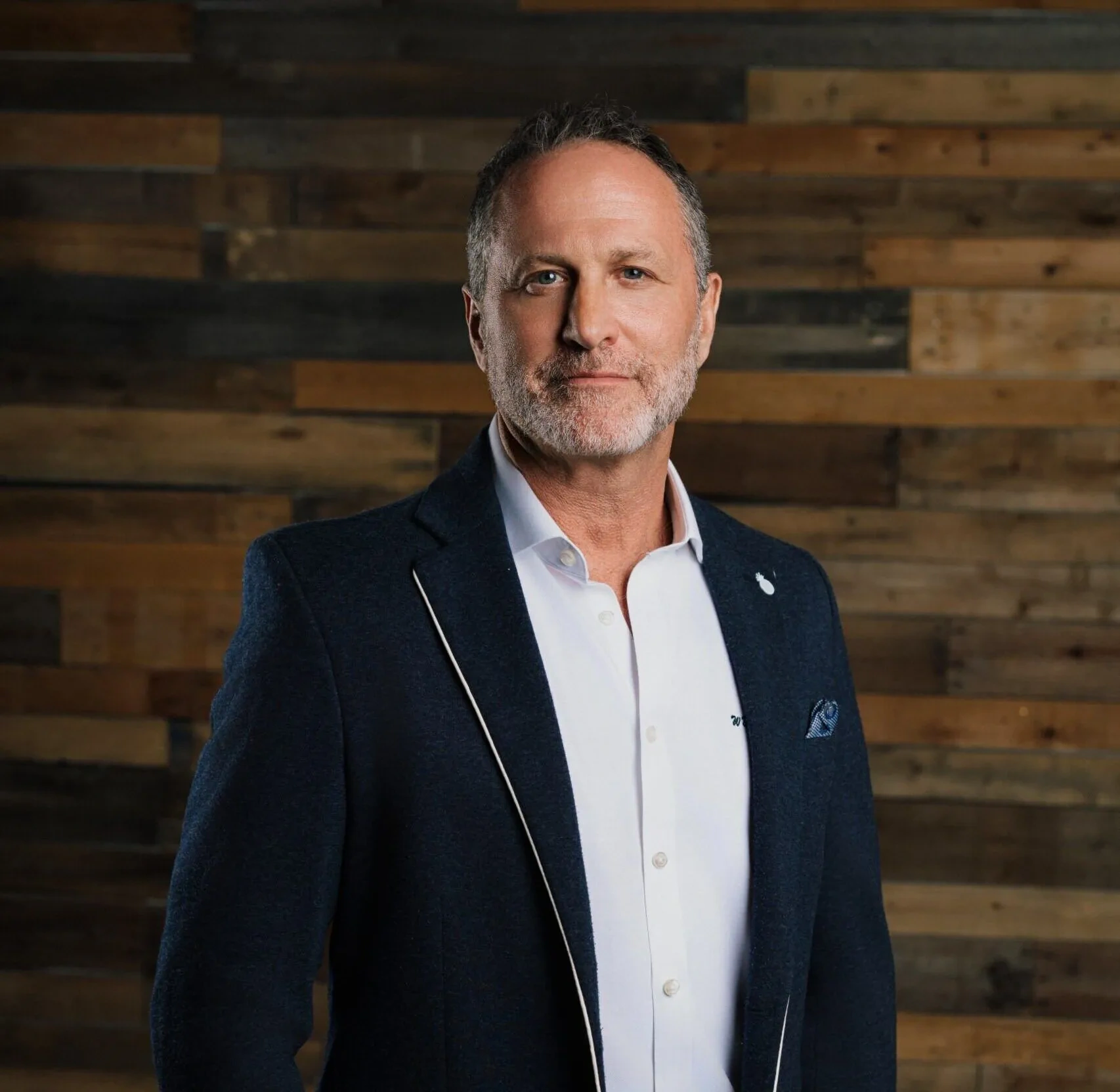
William Umansky
The Umansky Law Firm

Timothy L. Williams
Roy Dwyer Williams & Groesbeck PC
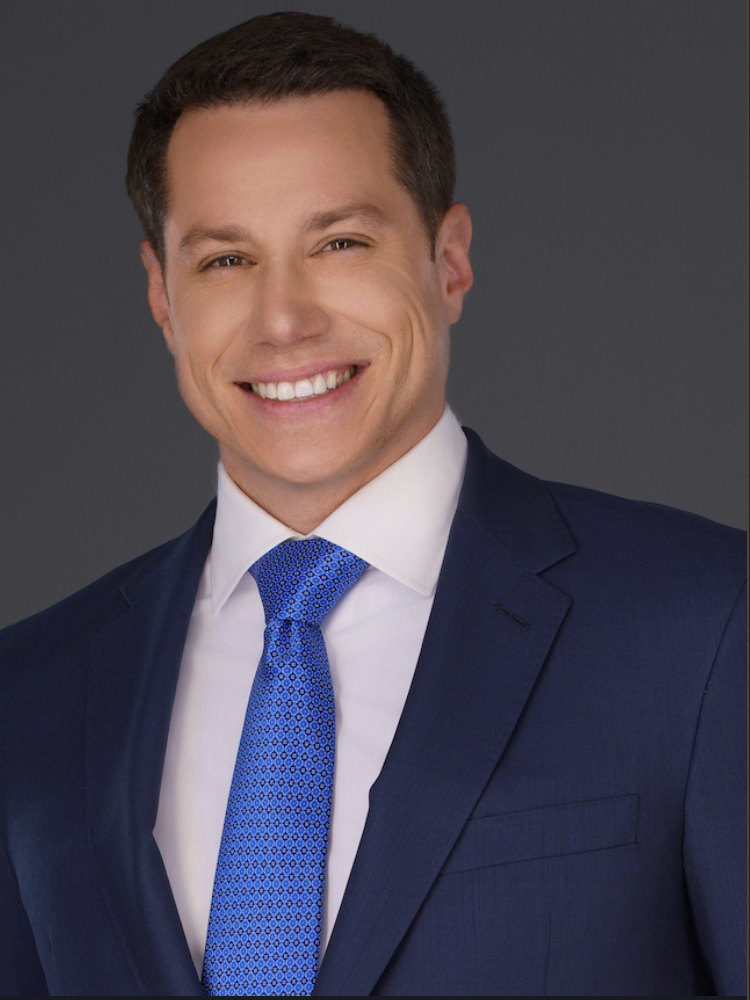
Jarrett Blakeley
Blakeley Law Firm, P.A.

James D. Cardea
Schochor, Federico and Staton, P.A.

Françoise Haasch
Fran Haasch Law Group Accident & Injury Lawyers

Jonathan Hayes
Goldstein Hayes, LLC

Rohom Khonsari
Khonsari Law Group

Lisa Lanier
Lanier Law Group, P.A.

Alex Mario
Carter Mario Law Firm

Dayton Meadows
Meadows Law PLLC

John W. Molony
John W. Molony Law Firm, LLC
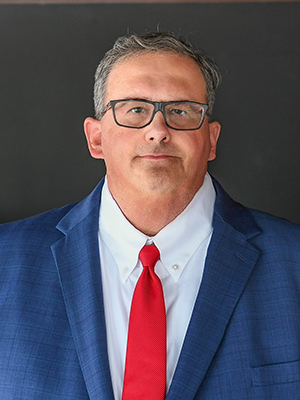
Jody Peterman
Jody D Peterman, LLC
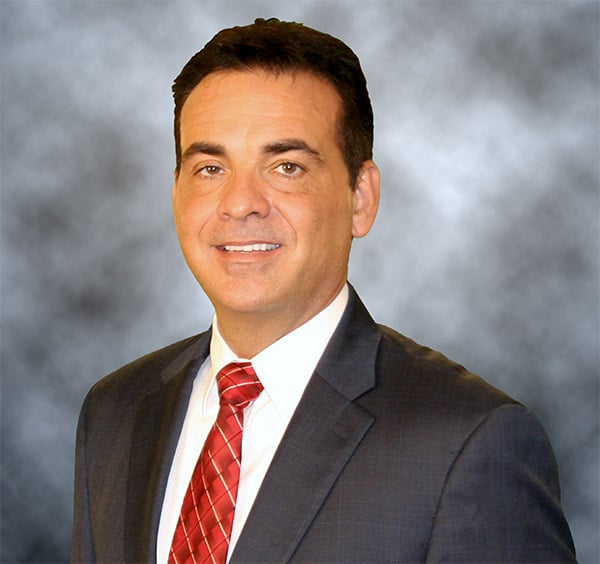
Donald Poynter
Poynter & Bucheri, LLC
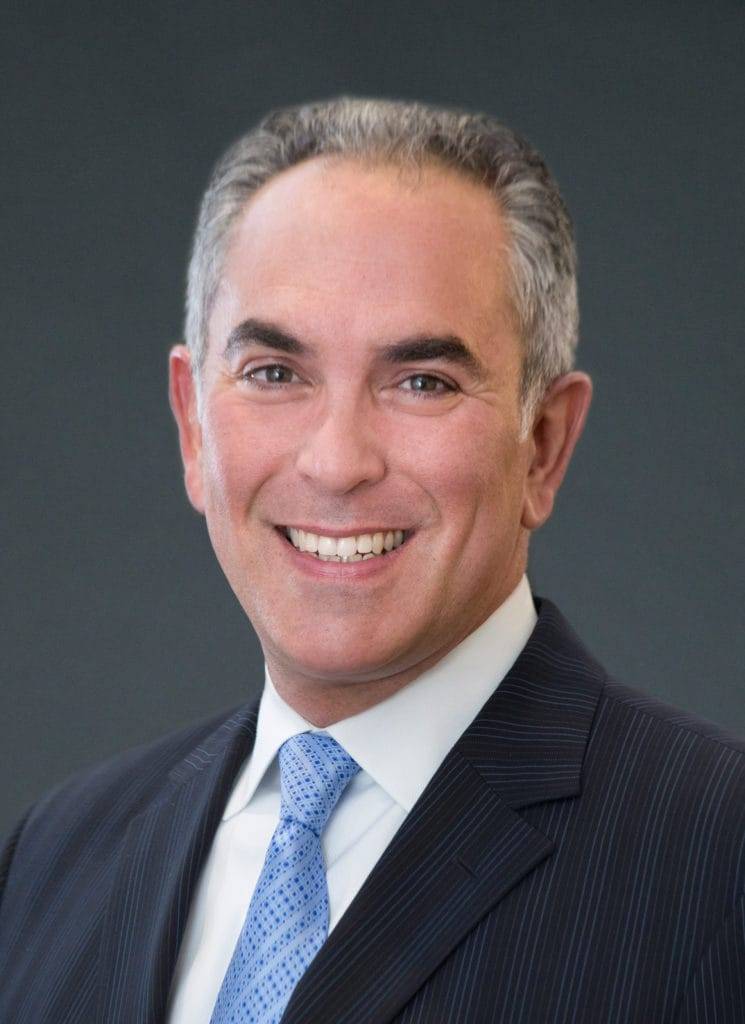
Eric A. Shore
Law Offices of Eric A. Shore
What Clients in Personal Injury Typically Need
Sophisticated clients facing a personal injury matter often need counsel who understands both the technical substance of their case and the practical realities of how it will be handled across courts, regulators, and opposing counsel — not a generalist who occasionally takes work in this area.
Many high-stakes personal injury matters involve multiple jurisdictions, expert witnesses, and significant evidentiary records. Clients benefit from an attorney whose firm has the resources to advance case costs and the depth of bench to staff complex matters appropriately.
Confidentiality, reputation management, and discretion frequently matter as much as the legal outcome itself. Experienced personal injury attorneys structure engagements, communications, and filings with these concerns in mind from day one.
Finally, clients want clear, written engagement terms — scope of representation, fee structure, communication expectations, and conflict checks — so there are no surprises later. Every Haute Lawyer attorney profile links directly to the firm where prospective clients can request that detail.
What Differentiates Haute Lawyer Personal Injury Attorneys
Haute Lawyer is not an open directory. Personal Injury attorneys featured here are reviewed by the Haute Living editorial team and published on HauteLiving.com — a Google News-indexed publication since 2005. Each profile is structured with Schema.org markup designed to be read, understood, and referenced by modern AI search systems, including ChatGPT, Perplexity, Claude, and Google AI Overviews. Editorial features sit alongside the attorney's profile to provide context that pay-to-list directories cannot: original writing, peer recognition, verified bar admissions, and the curated nature of an invitation-only network. Attorneys featured here have been individually reviewed by the Haute Living editorial team.
Bar Authority & Further Reading
For independent credentialing and peer-recognition information in personal injury, consult the following authoritative bodies.
Browse by City
Personal Injury attorneys by market
Editorial Insights
How AI Search Is Reshaping Client Discovery for Attorneys
Why ChatGPT, Perplexity, and Google AI Overviews are becoming primary attorney-discovery channels.
Read insightWhy Google News Indexing Matters for Attorney Visibility
Editorial publishers indexed in Google News carry citation authority that directories cannot match.
Read insightHaute Lawyer vs. Martindale-Hubbell: The Editorial Difference
How an invitation-only editorial network differs from a century-old open directory.
Read insightFrequently Asked Questions
What should I look for in a personal injury attorney?
Look for trial experience, verdict history, focus on your injury type, credentialing through a body such as the National Board of Trial Advocacy, financial capacity to advance case costs, and a transparent contingency fee structure.
What is a contingency fee?
A contingency fee means the attorney is paid only if you recover compensation — typically a percentage of the settlement or verdict (commonly 33%–40%). You pay nothing upfront and owe no attorney fee if the case does not resolve in your favor.
How long do I have to file a personal injury claim?
Statutes of limitations vary by state and claim type, typically ranging from one to four years from the date of injury. Some claims (such as those against government entities) require notice within months. Consult an attorney immediately to preserve your rights.
What makes a Haute Lawyer personal injury attorney different?
Haute Lawyer personal injury attorneys are invitation-only — independently reviewed by Haute Living's editorial team and editorially featured on a Google News-indexed publication. The network is curated, not an open directory.
How do Haute Lawyer personal injury attorneys differ from attorneys on Avvo or Martindale-Hubbell?
Avvo and Martindale-Hubbell are open directories any attorney can join, with rankings driven largely by claimed profiles and aggregated reviews. Haute Lawyer is an invitation-only editorial network. Each personal injury attorney featured here is independently reviewed by the Haute Living editorial team and editorially published on a Google News-indexed publication.
Are Haute Lawyer personal injury attorneys accepting new clients?
Many Haute Lawyer personal injury attorneys are accepting new clients. Use the contact form on each attorney's profile page to inquire directly about representation and current availability for your matter.
How do I know if a Haute Lawyer personal injury attorney is right for my situation?
Review the attorney's profile, focus areas, bar admissions, and any editorial features to assess fit. Most attorneys offer an initial consultation. Haute Lawyer does not recommend a specific attorney — prospective clients should independently evaluate counsel based on their own matter and goals.
How does Haute Lawyer select personal injury attorneys?
The Haute Living editorial team verifies active bar admission, evaluates concentration in personal injury, years in practice, peer recognition, prior editorial contributions, and market reputation. Membership is invitation-only and reviewed before publication — not an open paid directory.
This page is provided for informational purposes only and does not constitute legal advice. Haute Lawyer does not guarantee rankings, leads, search placement, or AI citations. Attorneys featured may be members of a paid editorial visibility program. Inclusion does not constitute a legal recommendation, ranking, endorsement, or guarantee of any outcome.
Attorneys featured on Haute Lawyer Network may be members of a paid visibility program. Inclusion does not constitute a legal recommendation, ranking, endorsement, or guarantee of any outcome. Users should independently evaluate legal counsel. Haute Lawyer does not guarantee rankings, leads, search placement, or AI citations. Learn about our editorial standards →