
Taxfyle’s Richard Lavina: The Smartest Financial Move You Can Make This Summer

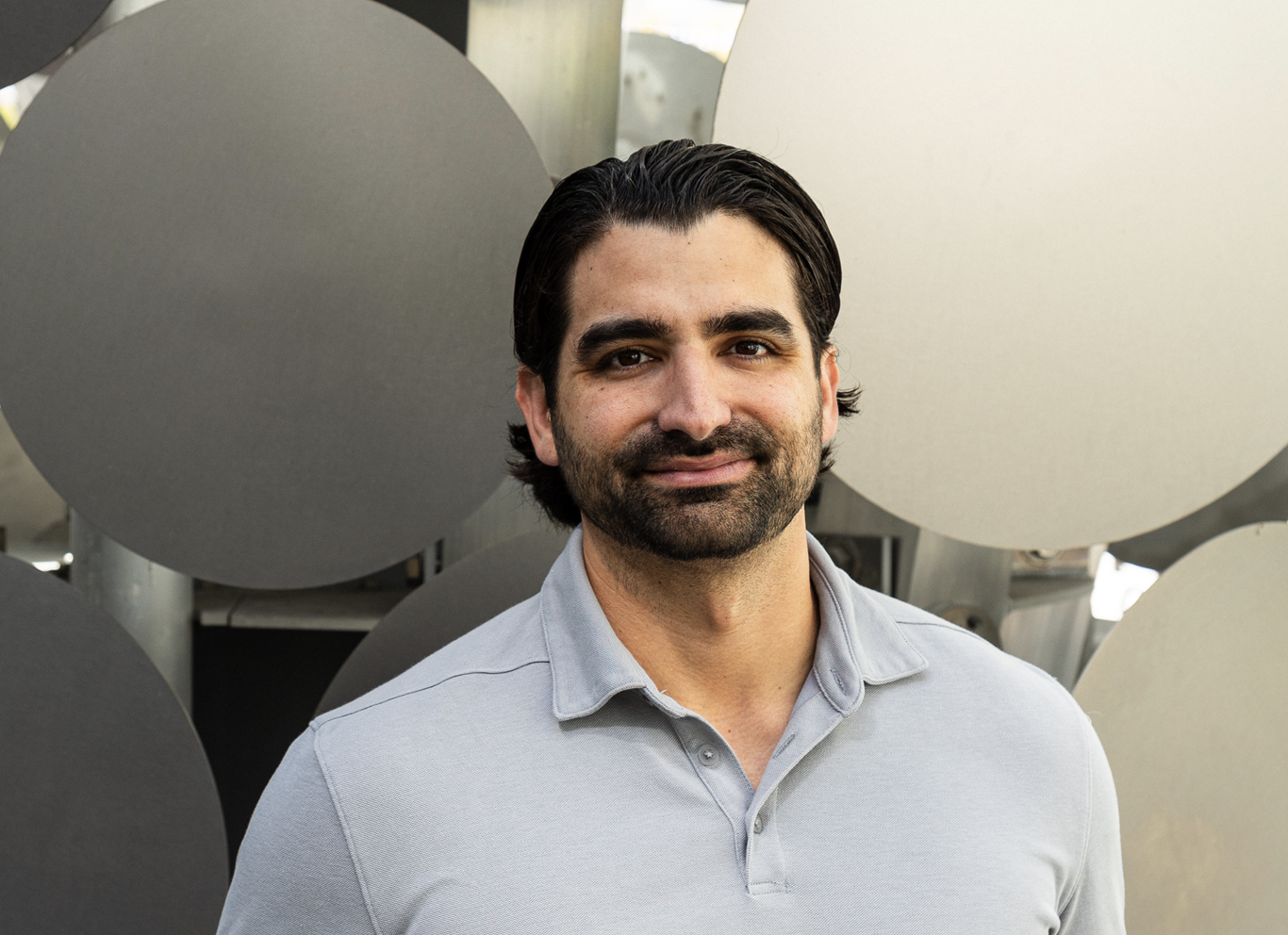
Ask Ricky Laviña what separates the financially successful from everyone else, and his answer might surprise you. It’s not the portfolio. It’s the plan. As Co-Founder and CEO of Taxfyle, Laviña has built a platform that connects over 7,200 licensed CPAs and Enrolled Agents with individuals, investors, and RIAs who are done leaving money on the table. Here, he breaks down the strategies, the mistakes, and the mindset shift that defines real wealth building.
1. Tax season may be over, but why do you believe this is actually the most important time of year for financial planning?
Because right now is when you have the clearest picture and the most runway. You know exactly what happened last year. You have six months of current-year income data. And you still have enough time to make meaningful moves before December.
Most people exhale after April 15 and don’t think about taxes again until next year. That’s a mistake. The post-tax season window is when the best planning happens. You can review your return, identify what could have been optimized, and put strategies in place for the current year while there’s still time to execute them. Some of the most impactful tax strategies take months to implement. If you’re starting those conversations in November, you’ve already missed the window.
The way I think about it: tax filing tells you what happened. Tax planning protects what’s ahead. The most financially successful people I work with treat this time of year as the start of the planning cycle, not a break from it.
2. What do most people misunderstand about the relationship between taxes and long-term wealth building?
They think of taxes as a bill. Something you owe once a year, you pay it, and you move on. The reality is that taxes are one of the largest wealth transfers of your lifetime. For high earners, it’s often their single biggest annual expense. And unlike most expenses, it’s one you can legally and strategically reduce with the right planning.
The misunderstanding is that wealth building happens in the investment account and taxes are just the cost of doing business. In reality, the two are deeply connected. Every investment decision, every business structure, every income timing choice has a tax consequence. And when those consequences aren’t managed proactively, you’re not just paying more than you need to. You’re compounding that loss over decades.
The wealthiest families I’ve seen don’t treat tax planning as separate from their financial strategy. It is their financial strategy. Every dollar saved in taxes is a dollar that compounds in their portfolio. Over 10, 20, 30 years, that difference is enormous.
3. Many people only think about taxes once a year. What are some proactive strategies individuals should be implementing year-round to reduce financial stress and improve outcomes?
The first shift is mental. Stop thinking about taxes as a once-a-year event and start treating your financial health the same way you treat your physical health. You don’t wait until you’re in the emergency room to care about your body. You get checkups. You monitor things. You adjust. Tax planning should work the same way.
In practical terms, here’s what year-round planning looks like:
- Quarterly income projections. If your income fluctuates, whether from a business, investments, or bonuses, you should be projecting your tax liability every quarter. Estimated tax payments are a natural checkpoint for this.
- Ongoing Roth conversion analysis. The optimal time to convert isn’t always December. Depending on your income trajectory, staging conversions across multiple quarters can be significantly more tax-efficient.
- Charitable giving with intention. Instead of writing checks in December, build a giving strategy early. Donor-advised funds, qualified charitable distributions, and bunching strategies all perform better when planned with a runway.
- Entity and income structure reviews. For entrepreneurs, reviewing your business structure mid-year (S-corp elections, reasonable compensation, QBI optimization) can unlock savings that aren’t available if you wait until filing season.
The common thread is that none of these strategies work as well when they’re rushed. The earlier you start, the more options you have and the better the outcomes.
4. For high earners, entrepreneurs, and investors, what are some of the biggest tax mistakes you see repeatedly costing people money?
The biggest one is inertia. People set up a business structure five years ago, their situation has changed dramatically, and they’ve never revisited it. They’re operating as an LLC when they should be an S-corp. They’re taking distributions when they should be optimizing salary. They’re missing depreciation schedules on real estate. These aren’t small oversights. They compound year after year.
The second is treating tax filing and tax planning as separate activities. I see this constantly. Someone pays their CPA to file a return, gets the bill, and moves on. Nobody stops to ask: what could we have done differently? What should we be doing now for next year? That disconnect between filing and planning is where the most money gets left on the table.
The third is going it alone or relying on generalist advice. High earners, entrepreneurs, and investors have complex situations that require specialized attention. The tax code has over 49 strategies that might apply to any given client, depending on their income sources, business structures, investments, and goals. A generalist, or worse, a DIY software tool, is not going to surface all of them. You need a professional who understands your full picture and is looking proactively, not just filling in boxes.
5. Registered Investment Advisors are increasingly talking about tax-aware investing. Why has tax planning become such an important part of the advisor-client relationship today?
Because clients are demanding it. The era of the advisor who only manages a portfolio and ignores the tax consequences is ending. Clients, especially high-net-worth clients, are looking at their after-tax returns and asking hard questions. They want to know: what did I actually keep? And if the answer isn’t satisfying, they’re looking for an advisor who can do better.
Tax planning has become a competitive differentiator for RIAs. The firms that offer integrated tax planning alongside investment management are retaining clients at higher rates and attracting new ones. It makes sense. Taxes are most people’s largest expense. If your advisor isn’t helping you manage that, what exactly are they managing?
The shift is also being driven by the tools now available. Historically, offering deep tax planning required hiring CPAs in-house, which was expensive and hard to scale. Now, platforms like Taxfyle allow RIAs to embed tax planning and tax preparation directly into their client experience, powered by a network of over 7,200 licensed CPAs and Enrolled Agents. The advisor stays focused on the relationship and the financial strategy. The tax execution happens through the platform. Clients get a seamless experience where their investment plan and their tax plan are finally connected.

6. How are RIAs using technology and platforms like Taxfyle to better support clients who want more proactive and personalized financial guidance?
The most forward-thinking RIAs are using technology to close the gap between tax filing and tax planning. Traditionally, those were two separate services delivered by two separate providers at two different times of the year. Clients were left to connect the dots themselves. That’s not a premium experience.
What platforms like Taxfyle enable is a connected model. The AI scans a client’s financial profile against 49+ tax planning strategies and surfaces opportunities with projected dollar-amount savings. A licensed CPA or Enrolled Agent validates every recommendation. And because we also handle the tax filing side, every return feeds into a forward-looking plan. Filing and planning become one continuous loop.
For the advisor, this means they can offer personalized tax guidance without needing to build a tax team in-house. For the client, it means their advisor isn’t just managing their investments. They’re managing their entire financial picture. That level of integration is what high-net-worth clients increasingly expect, and the RIAs that deliver it are the ones building the strongest practices.
7. What are some of the smartest moves investors and business owners can still make before year-end to potentially lower their tax burden?
Start now, not in Q4. That’s the smartest move of all. The strategies that have the biggest impact are the ones that need time to execute properly.
Roth conversions staged across the year. If you’re converting traditional retirement assets to a Roth, doing it in smaller tranches across Q2, Q3, and Q4 is often more tax-efficient than one large conversion in December. Run the projections now while you still have flexibility.
Entity restructuring for business owners. If your current business structure isn’t optimal, an S-corp election, a holding company setup, or a change in compensation structure can meaningfully reduce your tax exposure. But these moves take time to implement and document properly.
Charitable strategy with real planning behind it. Donor-advised funds, qualified charitable distributions for those over 70 and a half, and bunching strategies all work better when they’re coordinated with your full financial picture. A well-timed gift can offset a high-income year far more effectively than a last-minute donation.
Capital gains management. If you’ve had a strong year in the market, now is the time to evaluate tax-loss harvesting opportunities, reassess your holding periods, and align your investment decisions with your tax picture.
Retirement plan maximization. For business owners especially, defined benefit plans, SEP IRAs, and solo 401(k) contributions can create significant deductions, but many of these require setup well before December 31.
The common thread is lead time. The best tax strategies aren’t last-minute moves. They’re deliberate decisions made with months of runway and a clear view of the full picture.
8. Looking ahead, how do you see the future of financial wellness evolving, especially as AI, tax technology, and personalized financial planning become more integrated?
Today, most people experience financial services as disconnected pieces, but the next evolution is integration, where investment strategy, tax strategy, and long-term wealth planning all inform each other in real time. AI is what makes that possible at scale. At Taxfyle, our AI handles document processing, strategy identification, and scenario modeling in minutes, while licensed CPAs and Enrolled Agents apply their judgment to validate and personalize every recommendation.
That combination of speed, expertise, and human trust is how you deliver truly personalized financial guidance without making it unaffordable or inaccessible. The firms that get this right, where machines handle the labor and professionals make the judgment calls, will define the next era of financial wellness. That’s what we’re building with Plan by Taxfyle: a future where tax filing and tax planning are one continuous service, embedded wherever financial decisions are being made. https://www.taxfyle.com/
Related Articles

Where Art Meets Living: ISSKA and Faena Residences Miami
Discover how ISSKA and Faena Residences Miami blend art, craftsmanship, and luxury living through a visionary design collaboration.

Ilya Zavolun and the Rebirth of Capitale
Ilya Zavolun leads the restoration of Capitale, preserving one of New York City’s most iconic landmark venues for a new era of luxury events.

C&A Seneca Construction: Building Memory Into the Skyline
Discover how Carlo Seneca is shaping New York City’s future as C&A Seneca Construction celebrates 100 years of craftsmanship and innovation.

Tesamorelin Explained: The FDA-Approved GHRH Analog That Sits in a Unique Position in Peptide Research
Explore tesamorelin’s FDA approved background, mechanism of action, research applications, and why purity testing standards matter.

Gianni Serazzi: The Monaco Luxury Veteran on Craft, Capital and the Industry’s Reckoning
Luxury veteran Gianni Serazzi explains why discipline, craftsmanship, and technology will define the next decade of luxury industry success.

La Prairie and Gurney’s Montauk Elevate Summer Wellness With Exclusive Oceanfront Luxury Spa Experiences
La Prairie returns to Gurney’s Montauk with luxury facials, body rituals, oceanfront spa experiences, and skincare innovation.
Latest Stories
Trending Articles



Related Articles
Where Art Meets Living: ISSKA and Faena Residences Miami
Discover how ISSKA and Faena Residences Miami blend art, craftsmanship, and luxury living through a visionary design collaboration.
Ilya Zavolun and the Rebirth of Capitale
Ilya Zavolun leads the restoration of Capitale, preserving one of New York City’s most iconic landmark venues for a new era of luxury events.
C&A Seneca Construction: Building Memory Into the Skyline
Discover how Carlo Seneca is shaping New York City’s future as C&A Seneca Construction celebrates 100 years of craftsmanship and innovation.
Tesamorelin Explained: The FDA-Approved GHRH Analog That Sits in a Unique Position in Peptide Research
Explore tesamorelin’s FDA approved background, mechanism of action, research applications, and why purity testing standards matter.
Gianni Serazzi: The Monaco Luxury Veteran on Craft, Capital and the Industry’s Reckoning
Luxury veteran Gianni Serazzi explains why discipline, craftsmanship, and technology will define the next decade of luxury industry success.
La Prairie and Gurney’s Montauk Elevate Summer Wellness With Exclusive Oceanfront Luxury Spa Experiences
La Prairie returns to Gurney’s Montauk with luxury facials, body rituals, oceanfront spa experiences, and skincare innovation.
Subscribe to Haute Living
Receive Our Magazine Directly at Your Doorstep
Embark on a journey of luxury and elegance with Haute Living magazine. Subscribe now and have every issue conveniently delivered to your home. Experience the pinnacle of lifestyle, culture, and sophistication through our pages.


Haute Black Membership
Your Gateway to Extraordinary Experiences
Join Haute Black and unlock access to the world's most prestigious luxury events