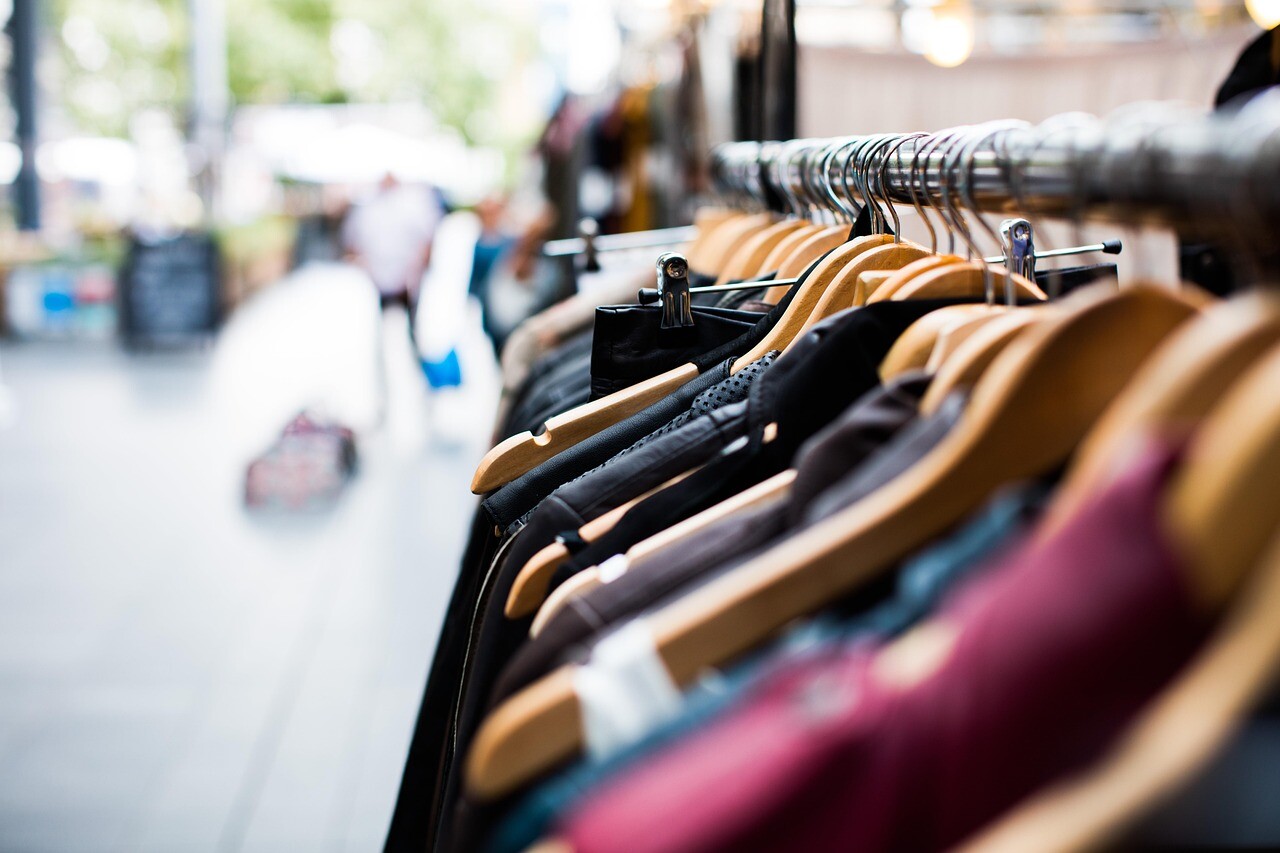
Why Designer Dresses Feel Different in Modern Luxury Fashion
Explore how designer dresses evolved into wearable luxury, blending craftsmanship, versatility, sustainability, and timeless style.

Photo Credit: Pixabay
Luxury fashion used to sell within a certain distance. A dress appeared on a runway, in a campaign, or on a red carpet. It was often enough for couture to be admired from a distance. Now, the market for designer dresses sits closer to everyday style, where shoppers still want strong designs and beautiful construction, but are looking for clothes that can live beyond a single ritzy occasion.
That change says a lot about what is currently expected from fashion. A piece may still carry polish, though it needs flexibility. A gown may be bought for a dinner, a wedding weekend, or a work event. But customers still want to wear it again differently a month later. Labels like ba&sh reflect this shift, offering pieces that balance elevated design with everyday wearability.
How Luxury Became More Wearable
High-end style has become easier to imagine in a real wardrobe. The old split between “fashion” clothes and an “actual life” wardrobe has softened. A modern designer dress still has a clear point of view, though it’s often built with more room for movement, comfort, and styling range than the showpiece versions people used to associate with luxury.
That shows up in shape as much as anything else. A slip dress can be styled up or stripped back. A sharp black dress can go from an office dinner to an evening event with different shoes and jewelry. The dress is still aspirational, but it doesn’t have to stay trapped in one mood. Brands such as ba&sh often design with this versatility in mind, creating pieces that can move across occasions without losing their character.
Runway images still carry influence, though they now land beside street style, celebrity photos, digital mood boards, shopping apps, and whatever someone saved to their phone three weeks ago and forgot about until now.
How Craftsmanship Still Separates Designer Dresses
Even with all of the changes around access and styling, luxury still comes back to construction. A designer dress usually stands out in how it hangs, moves, and finishes. The difference is typically subtle at first. Maybe a fabric has better weight, a neckline lands where it should, and the garment looks less strained on the body because more thought went into its cut.
That kind of quality becomes more noticeable with repeated wear. If a dress keeps its shape, doesn’t feel flimsy, and moves well through a full evening, it tends to justify itself differently from something bought for one fast impression. The label may get attention first, but it’s usually the construction that keeps the piece in rotation.
Why Fabric and Sustainability Now Shape Luxury Buying
According to Yahoo, “Events such as Fashion Week have also put sustainability back in the spotlight, with searches for ‘sustainable fashion’ reaching a five-year peak, increasing by 222% according to Google Trends.” As a result, designer brands are focusing more on sustainability and repeat wear as more people reject fast fashion.
The romance of luxury now sits beside a more practical question. Someone may still buy a dress because it looks great. But its merits also revolve around whether or not it feels worth keeping, packing, and rewearing next season without regret.
FAQ’s
What makes a dress a designer dress?
Usually, the combination of design, identity, fabric quality, and stronger construction is.
Can designer dresses work outside of formal events?
Yes. Many current styles are designed to move between different settings.
Why do some people still buy designer fashion?
For some, it’s about quality and design. For others, it’s about buying fewer pieces with more staying power.
Disclaimer: Written in partnership with APG.
Latest from Haute Living
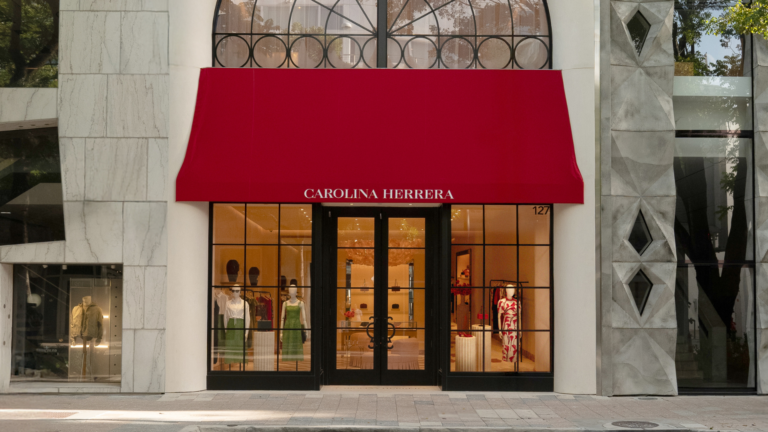
Inside Carolina Herrera’s New Miami Design District Boutique Complete With Pink Travertine Floors & Bespoke Art

The Best Halloween Events in Miami 2026, From Golden Caves to Venetian Masquerades
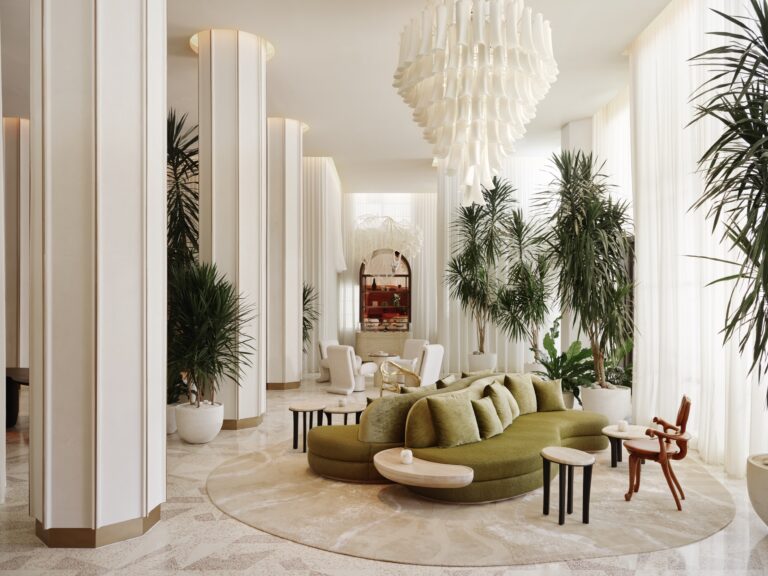
The Hotels Art Collectors Actually Book for Art Basel Miami Beach 2026