
Workforce Under Pressure: The Richard Sajiun Call for the Next Generation of Electricians
New York’s EV push faces a challenge as Richard Sajiun highlights a growing shortage of skilled electricians needed to power future infrastructure safely.
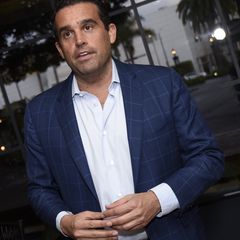
New York City is accelerating toward an electric future. From electric vehicles to modernized infrastructure, billions of dollars are being invested to transform how energy is used across the city. Yet behind these ambitious plans lies a growing concern within the electrical industry: there simply may not be enough skilled electricians to build what’s coming next.
For Richard Sajiun, CEO & Master Electrician at Sajiun Electric Inc., the issue is not theoretical. With decades of experience managing federal electrical projects across New York’s public infrastructure, he has watched the workforce pipeline shrink while project demands continue to grow. As new EV mandates expand electrical requirements across the city, the gap between available talent and upcoming work is becoming increasingly difficult to ignore.
Mentorship at the Core
Sajiun Electric Inc. was founded in 1965 in the Bronx by Richard’s father. Over time, the company developed into a respected contractor known for dependable electrical work across institutional and government facilities. When Richard assumed leadership in the mid-1990s, he guided the firm toward federal and public-sector electrical contracting, a space where reliability, documentation, and technical expertise are essential.
Today, the company operates with a Master Electrician’s license, Minority Business Enterprise (MBE) certification, and a long-standing record of completing government contracts without default. But despite this experience, Richard believes the future of the industry will depend less on technology and more on people.
Electrical contracting, he explains, has always been a craft learned through mentorship and apprenticeship. Experienced electricians train younger workers in the field, passing down practical knowledge that cannot be learned solely in classrooms.
That mentorship model, however, is under strain.
Across the United States, industry data suggests the electrical workforce must fill roughly 81,000 job openings each year to keep up with retirements and rising demand. In major cities like New York, where infrastructure modernization is accelerating, that shortage is already being felt.
EV Infrastructure Adds Urgency
The shift toward electric vehicles is amplifying this workforce challenge. New legislation is pushing EV charging infrastructure into thousands of buildings throughout New York City.
Local Law 55, signed in April 2024, requires all parking facilities licensed by the Department of Consumer and Worker Protection with ten or more spaces to begin installing EV charging infrastructure. By January 1, 2035, at least 20 percent of spaces must be equipped with Level 2 chargers, while 40 percent must be charger-ready.
The scale of the transition is substantial. Of the more than 1,600 licensed parking facilities across the city, only about 324 currently have EV chargers installed. That means over 1,200 garages will require electrical upgrades over the next decade.
At the same time, New York State legislation now requires EV-ready parking in all new commercial construction with ten or more spaces beginning in 2025.
The financial backing behind these initiatives is equally significant. Con Edison’s PowerReady program alone represents roughly $700 million in funding, while the state’s Make-Ready program contributes an additional $1.24 billion to support charging infrastructure expansion. Federal programs further increase the scale of investment.
For Richard Sajiun, these numbers highlight both opportunity and responsibility.
“All that funding and infrastructure planning ultimately comes down to licensed electricians doing the work,” he says. “You can design programs and pass mandates, but someone still has to install the systems safely.”
Building the Next Generation
According to Richard, the electrician shortage is not simply about recruitment; it is about long-term training and career development. Electrical systems are becoming more sophisticated every year, requiring workers who understand modern codes, safety standards, and complex infrastructure upgrades.
That is why Sajiun Electric Inc. emphasizes training and mentorship rather than rapid hiring. New employees learn through hands-on experience under seasoned electricians who guide them through real-world challenges, from electrical retrofits in aging buildings to complex compliance requirements on government projects.
This approach ensures that quality and safety remain consistent even as the company grows. It also helps younger workers build confidence and develop the discipline required in high-stakes environments such as hospitals, public housing systems, and government facilities.
Richard believes this mentorship culture is critical for the entire industry. Without it, the workforce pipeline may struggle to keep pace with the massive infrastructure changes underway.
Why the Workforce Gap Matters
Electrical work plays a central role in nearly every modernization effort currently underway in New York. EV charging networks, building electrification initiatives, and infrastructure upgrades all depend on skilled electricians capable of handling complex installations.
Yet the timeline for many of these initiatives is rapidly approaching. If the workforce gap continues to widen, projects could face delays, increased costs, or safety concerns due to rushed or inexperienced work.
Richard emphasizes that the solution is not simply speeding up hiring. Instead, the industry must invest in structured apprenticeship programs, mentorship opportunities, and long-term career development.
“Electrical work isn’t something you learn overnight,” he explains. “It takes years of training to understand systems, safety, and the responsibility that comes with powering critical infrastructure.”
A Future Built on Skill and Responsibility
As New York City prepares for a new era of electrification, the importance of skilled electricians will only grow. From EV charging networks to modernized infrastructure systems, the city’s ambitions rely on the people capable of building and maintaining those systems.
For Richard Sajiun, the message is clear: investing in the next generation of electricians is just as important as investing in new technology.
Because in the end, every charger installed, every panel upgraded, and every system powered safely depends on the knowledge, discipline, and craftsmanship of the electricians who make it possible.
Disclaimer: Written in partnership with APG.
Latest from Haute Living

Meet Miami Business Club: Building Miami’s Next Generation of Business Community

Inside Seia’s Museum-Grade Hospitality

Our Editors Say This is the Skincare Brand Actually Changing How Luxury Skincare Works