Slow Luxury at Home: Your 2026 Guide to Spaces That Endure
Slow luxury interiors redefine 2026 homes with natural materials, midimalism, and hidden smart tech creating timeless, personal spaces.

Photo Credit: Google Gemini
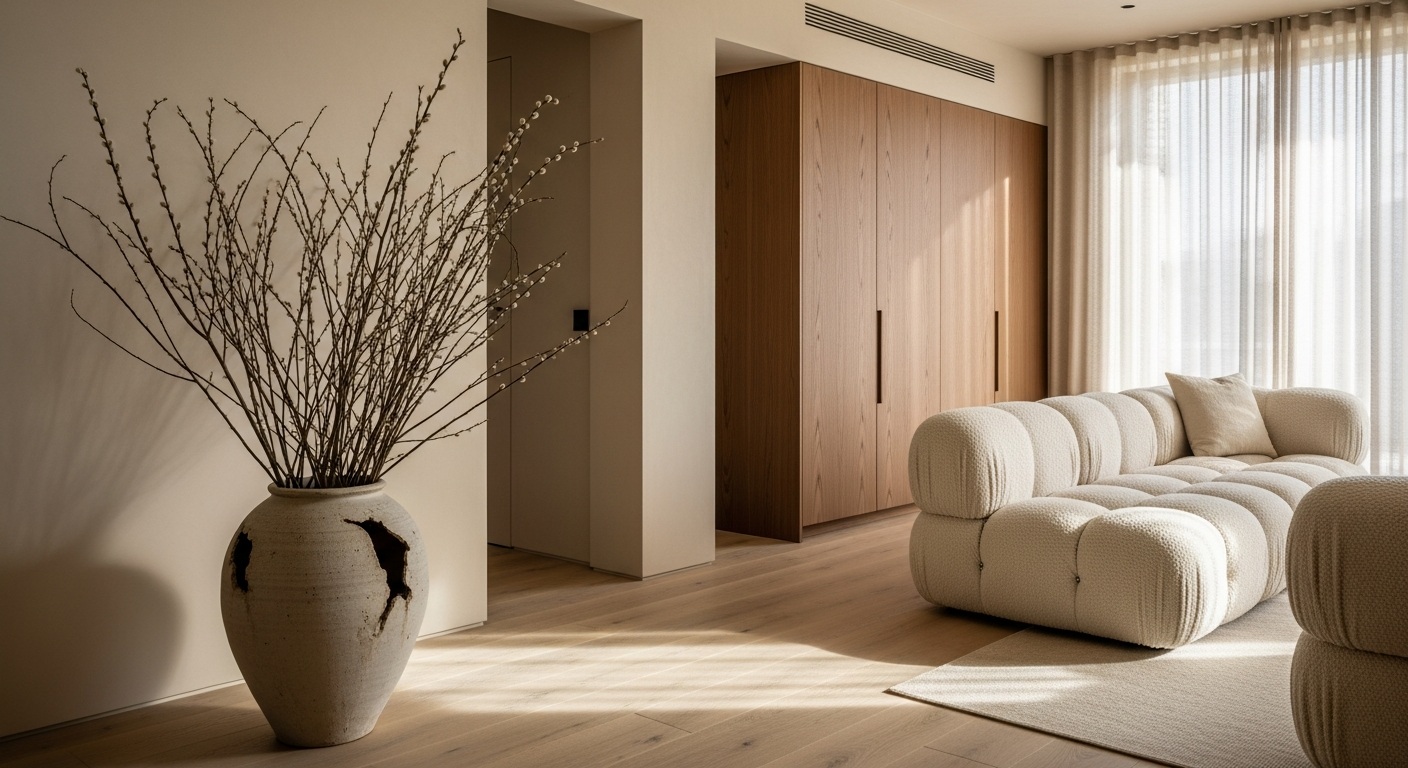
The all-white, ultra-minimal showcase home is losing its appeal. In its place? Spaces built around character, organic warmth, and real personalization.High-profile real estate experts observe a growing buyer preference for homes with character, not sterile, staged spaces. This preference has sparked the rise of ‘slow luxury’: a movement favoring quality craftsmanship, deep comfort, and understated elegance over fleeting trends. Global designers confirm this shift, emphasizing luxury’s move to honor craft and longevity. As a result, homes are curated mindfully and gradually, becoming true reflections of their owners’ authentic legacies.
Why Material Choices Matter More Than Ever
The most striking 2026 interiors use non-synthetic materials like solid timber and natural stone. This creates grounding, earth-toned palettes. Commitment to authentic materiality lies at the heart of slow decorating. Enduring rooms are layered intentionally, not just bought from one catalog.Top designers say rooms gain character over time—through use, memory, and adjustment. The goal is a home that breathes and adapts for decades. Prioritize atmosphere and flexibility instead of rigid perfection. That’s why textured embellishments, fresco finishes, and limewashed walls replace glossy sterility with soulful depth.
|
Design Philosophy |
Material Selection | Aesthetic Goal | Long-Term Value |
| Fast trend interiors | Synthetic composites, high-gloss veneers | Overt displays of wealth, sterile perfection |
Depreciates quickly; needs frequent overhauls |
|
Slow luxury design |
Patinated stone, reclaimed timber, artisanal metals | Understated elegance, sensory depth |
Appreciates gracefully; becomes a legacy asset |
Midimalism and the Lived-In Look
Not familiar with the term? Midimalism is 2026’s balance between stark minimalism and cluttered maximalism. It lets you highlight key, bespoke pieces that reflect your story. These pieces don’t overwhelm the room. Imagine harmonious floor plans, smart, hidden storage, and spaces that support daily life.This philosophy suits family living well. Dara Agruss, founder of Dara Agruss Design, explains: “In Chicago interior design, livability and function are essential, especially when creating family spaces.
Thoughtful layouts, durable materials, and smart storage make homes beautiful and practical. The most successful family homes balance elevated design with comfort and practicality, allowing spaces to be timeless and functional.”Her firm’s approach to Chicago residential interior designs reflects that balance, crafting spaces that look elevated yet work seamlessly for the people who actually live in them.
Smart Tech That Stays Out of Sight
Slow luxury doesn’t reject innovation. Instead, technology should be woven invisibly into the home. The U.S. smart home market now reaches $193.5 billion. The luxury sector now wants autonomous, supportive technologies that enhance the atmosphere rather than compete with it. The best systems feel organic within the design.Here are the standout tech features defining the 2026 slow luxury home:
- Circadian-synced lighting: 5-amp circuits and fixtures that mimic natural sunlight to support your body’s rhythms throughout the day.
- Hidden audio and climate control: Immersive sound systems and hyper-localized climate zones tucked behind flush-mount drywall or custom cabinetry. No visible hardware, no visual clutter.
- High-performance kitchen tech matters. Expect AI-enabled refrigeration and hybrid cooktops built into thermal-stable countertops like Dekton. Form and function never compete.
Building a Home That Lasts
True luxury in 2026 isn’t about how fast you can adopt the latest look. It’s about the patience required to build a residence of lasting substance. Mindful craftsmanship turns your property into an enduring asset. It matures gracefully with your family. A well-crafted home stands as a testament to personal legacy. In a world that rarely slows down, such a sanctuary is a worthwhile investment.
Disclaimer: Written in partnership with APG.
Latest from Haute Living

Basketball Became Fine Art for One Night in New York, and NBA Legends Showed Up for It
Lunch at Dior, Diamonds by Appointment and Cocktails Above It All: The Ultimate Rodeo Drive Guide

Haute Insider: Chicago Med Star Jessy Schram’s Guide to Chicago