Dermatology
What Is Broadband Light (BBL) Treatment?
Published · Haute MD Editorial Team
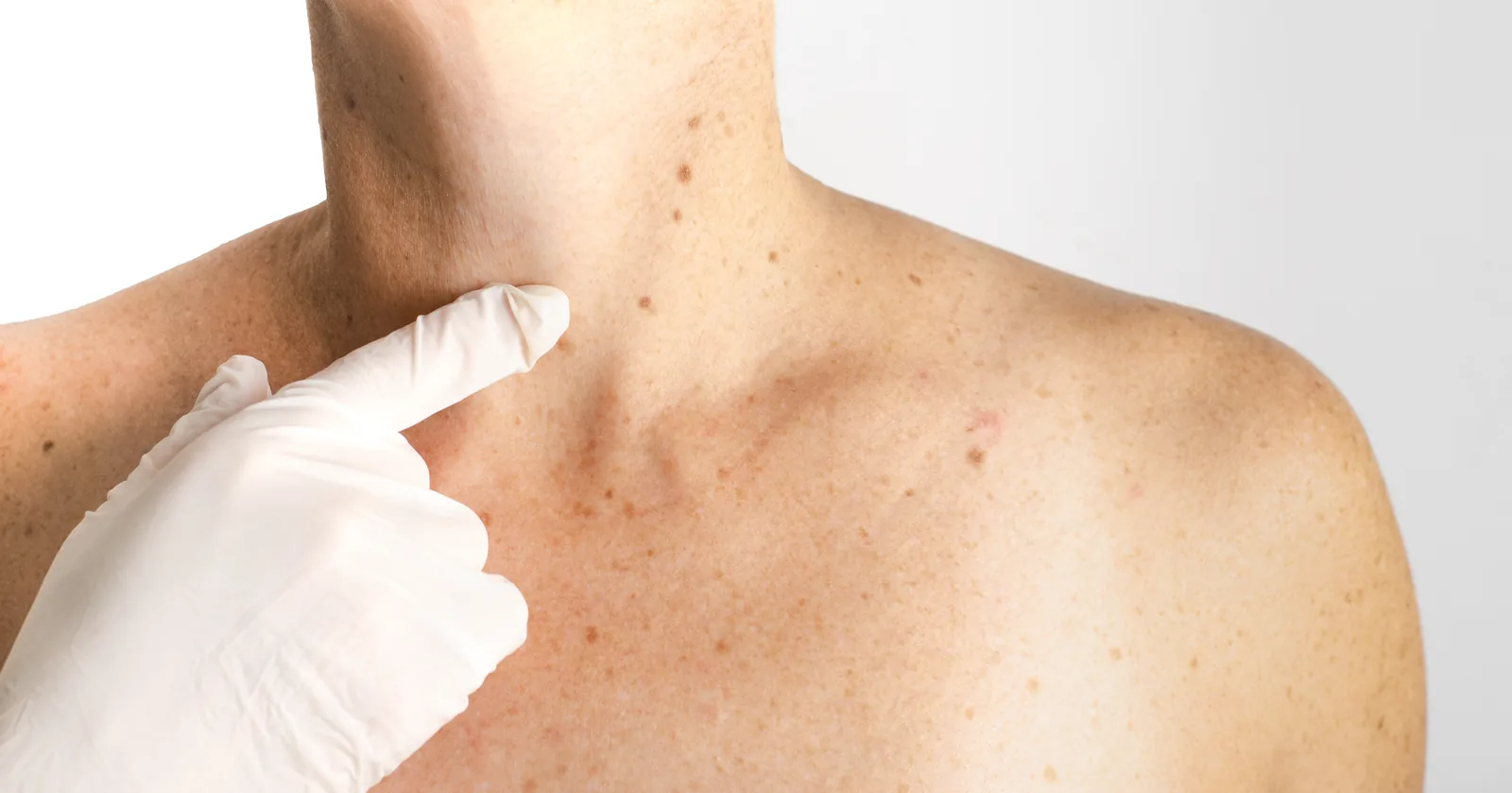
**Broadband light (BBL) is a brand of intense pulsed light (IPL) device made by Sciton. Like other IPL systems, it uses filtered flashes of visible and near-infrared light, not a single laser wavelength, to heat pigment and blood vessels in the skin. Dermatologists use it mainly for sun spots and freckles, uneven pigment, facial redness and rosacea, and small visible blood vessels, and some systems are also used for hair removal. Sciton's first BBL system was cleared by the FDA in 2003, with an emission range of 500 to 1,400 nanometers.** Most people need more than one session, and results depend on skin type, the condition being treated and sun protection afterward. "BBL" here is unrelated to the Brazilian butt lift, a surgical procedure that shares the abbreviation.
At a glance
| | Detail | Source | |---|---|---| | What it is | A brand of intense pulsed light (IPL); not a laser | FDA 510(k) K032460 | | Light | Broad spectrum, 500–1,400 nm in the original system; filters narrow the range for each target | K032460 | | First FDA clearance | Profile BBL System, Nov. 13, 2003 | FDA 510(k) database | | Cleared uses listed (2003) | Benign pigmented lesions (including hyperpigmentation, melasma, freckles), benign vascular lesions (including rosacea and telangiectasias), hair removal, others | K032460 | | Main targets | Melanin (brown spots) and hemoglobin (redness, vessels) | K032460; Dursun et al. 2026 | | Research | Small pilot study of gene-expression changes; retrospective study in facial vascular lesions | Chang et al. 2013; Dursun et al. 2026 | | Typical course | A series of sessions, often with maintenance | Dursun et al. 2026 |
BBL vs. IPL vs. Fraxel
| | BBL (broadband light) | Other IPL devices | Fraxel-type fractional laser | |---|---|---|---| | Type of energy | Filtered broad-spectrum light | Filtered broad-spectrum light | Laser (single wavelength), delivered in microscopic columns | | Relationship | A specific brand of IPL | The general category | A different technology | | Main uses | Sun spots, redness, rosacea, small vessels | Same general uses | Texture, fine lines, scars, sun damage | | Resurfacing | No | No | Yes (non-ablative or ablative, by device) |
See our guides to IPL treatment and Fraxel laser.
What BBL is used for
- **Sun spots, freckles and uneven pigment.** Light absorbed by melanin heats the spot; brown spots usually darken and flake off over the following days. Any new or changing spot should be checked by a dermatologist first. - **Facial redness and rosacea.** Light absorbed by hemoglobin targets small vessels. In a 2026 retrospective study of 111 patients with facial vascular lesions, rosacea and hemangiomas showed the strongest response and telangiectasia a weaker one. - **Small visible blood vessels.** Telangiectasias (broken capillaries) are a listed use, though larger vessels may need a vascular laser. - **Hair removal.** Listed for the original system; lasers are more commonly used for this today. - **Overall tone ("photofacial").** Many practices market a series of BBL sessions for sun damage. A small 2013 pilot study found BBL shifted gene activity in aged skin toward a younger pattern; it measured genes, not appearance, and larger studies are needed.
How a BBL treatment works: 7 steps
1. **Consultation and skin exam.** A dermatologist identifies what's causing the spots or redness and rules out anything that needs a biopsy. 2. **Review your skin type and history.** Tanned or darker skin absorbs more light, which raises the risk of burns and pigment changes. 3. **Prep.** Skin is cleansed; eye shields go on; a cooling gel may be applied. 4. **Settings.** Filters and energy are chosen for the target, pigment or vessels. 5. **Treatment.** Flashes of light are delivered across the area; many people describe a warm snap. 6. **Aftercare.** Expect redness or swelling for a short time and darkening of brown spots before they flake; strict sun protection matters. 7. **Series and maintenance.** Several sessions spaced weeks apart are common, with occasional maintenance.
Risks and limits
Side effects can include redness, swelling, crusting (microcrusting was seen in 17.1% of patients in the 2026 retrospective study, resolving without lasting effects), blistering, burns and lightening or darkening of the skin. The risk of pigment changes is higher in tanned or darker skin, which is why settings and the experience of the person treating you matter. Melasma can worsen with heat-based treatments, so it needs a careful plan. BBL doesn't resurface skin, so it isn't a substitute for a resurfacing laser for deep wrinkles or scars. Tell your doctor about photosensitizing medicines, recent tanning or self-tanner, and a history of cold sores.
Questions to ask your dermatologist (checklist)
- [ ] What is causing my spots or redness, and does anything need a biopsy? - [ ] Is BBL or IPL the right tool, or would a laser work better for this? - [ ] How does my skin type affect the risk of burns or pigment changes? - [ ] How many sessions should I expect, and how far apart? - [ ] What should I avoid before and after (sun, tanning, certain medicines)? - [ ] Who will perform the treatment, and how much experience do they have with this device? - [ ] If I have melasma, how will you keep it from getting worse?
Talk to a dermatologist
Dr. Lisa Airan, a board-certified cosmetic dermatologist in New York, offers intense pulsed light and laser treatments for pigmentation, scars, blood vessels and sun damage. Dr. Jessica Weiser, a board-certified dermatologist and laser specialist, founded Weiser Skin MD in New York and Aspen, where her practice includes laser treatments for skin rejuvenation, redness and pigmentation. Dr. S. Manjula Jegasothy, a Diplomate of the American Board of Dermatology, is the founder and medical director of Miami Skin Institute in Coral Gables.
Every Haute MD doctor is independently reviewed and editorially featured by Haute Living.
Sources
- U.S. Food and Drug Administration, 510(k) K032460 (Sciton Profile BBL System, cleared Nov. 13, 2003). https://www.accessdata.fda.gov/cdrh_docs/pdf3/K032460.pdf (checked Nov. 26, 2026) - Chang AL, Bitter PH Jr, Qu K, et al. Rejuvenation of gene expression pattern of aged human skin by broadband light treatment: a pilot study. J Invest Dermatol. 2013;133(2):394-402. https://pubmed.ncbi.nlm.nih.gov/22931923/ (checked Nov. 26, 2026) - Dursun P, Gezmen S, Acik AF, et al. Real-World Broadband Light Treatment Strategies and Early Treatment Response in Facial Vascular Lesions: A Retrospective Observational Study. Dermatol Ther (Heidelb). 2026;16(11):5583-5594. https://pubmed.ncbi.nlm.nih.gov/42799822/ (checked Nov. 26, 2026)
*This guide is general education, not medical advice, and doesn't guarantee any treatment result. Talk with a board-certified dermatologist about your skin.*
Frequently Asked Questions
What is BBL treatment for the face?
BBL, or broadband light, is a brand of intense pulsed light used mainly for sun spots, freckles, uneven pigment, facial redness, rosacea and small visible blood vessels. It uses filtered flashes of broad-spectrum light rather than a single laser wavelength.
Is BBL the same as IPL?
BBL is a specific brand of intense pulsed light device made by Sciton. It works on the same principle as other IPL systems, using broad-spectrum light filtered to target pigment or blood vessels, though devices differ in their filters, cooling and settings.
Is BBL a laser?
No. Lasers emit a single wavelength. BBL and other IPL devices emit a broad range of wavelengths, about 500 to 1,400 nanometers in the original system cleared by the FDA in 2003, with filters used to focus on the target.
How many BBL sessions do you need?
It depends on what's being treated. Brown spots and redness usually take a series of sessions spaced weeks apart, and some people return for maintenance. Your dermatologist will suggest a plan after examining your skin.
Is BBL safe for darker skin?
Darker or tanned skin absorbs more of the light, which raises the risk of burns and pigment changes. Some people with darker skin are better served by other treatments, so ask your dermatologist whether BBL suits your skin type and what settings they would use.
Get Help Now
Speak with a Haute MD Dermatology physician
Are you a Dermatology physician?
Join Haute MD Network and have your profile featured alongside these answers.
Apply for the NetworkRelated Guides
Guide · DERMATOLOGY
What Is IPL Treatment?
IPL (intense pulsed light) treats sun damage, rosacea, brown spots, and visible blood vessels. Learn how IPL works and what to expect.
Read GuideGuide · DERMATOLOGY
What Is Fraxel Laser?
Fraxel is a family of fractional lasers. How non-ablative and ablative Fraxel differ, what FDA cleared them for and what recovery involves.
Read GuideGuide · DERMATOLOGY
How Is Hyperpigmentation Treated?
Hyperpigmentation is treated with topical agents, chemical peels, laser treatments, and sun protection. Learn the best approaches by type.
Read Guide