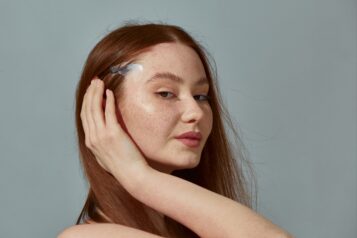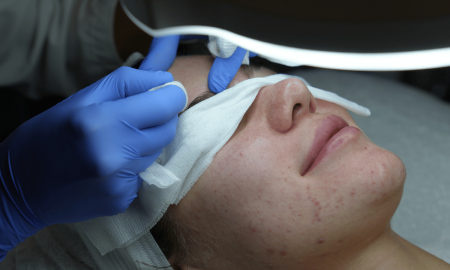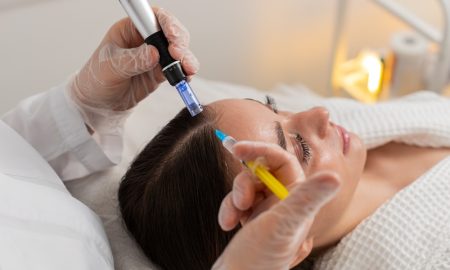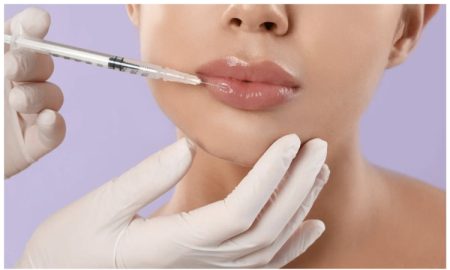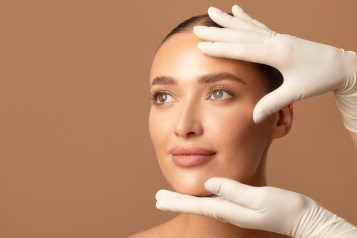







Baby Botox refers to using smaller amounts of a neuromodulator, distributed across more injection points, to soften early expression lines before they become permanent, rather than treating deep, established wrinkles after the fact. The goal is a refreshed, natural look that still moves normally, not the smooth, immobile appearance associated with traditional higher-dose treatment. It has become one of the most requested aesthetic treatments among patients in their 20s and 30s.
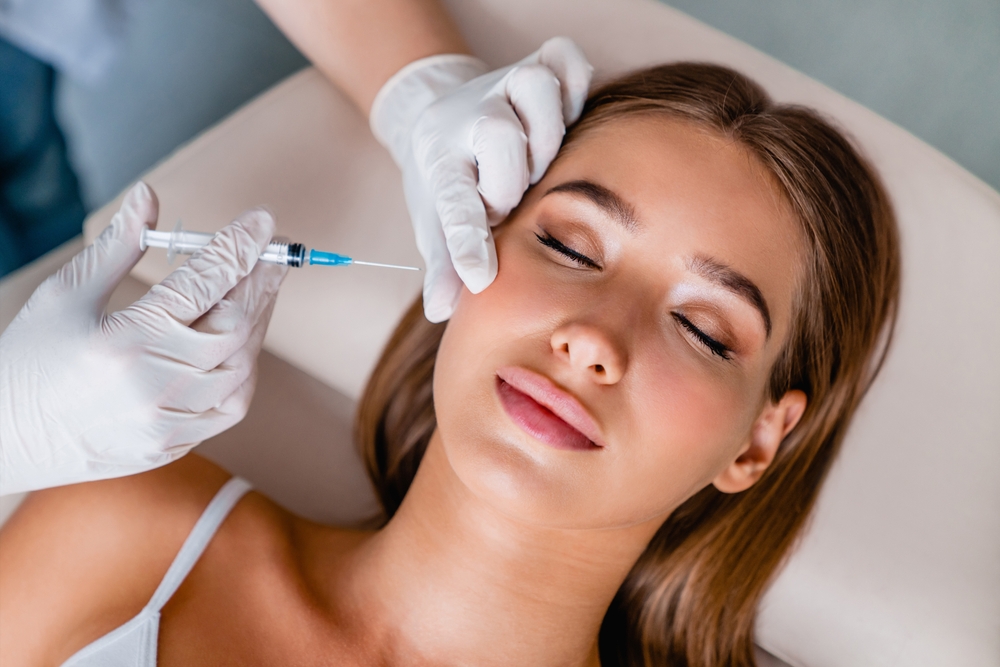 Photo Credit: Shutterstock
What Baby Botox Actually Is
Despite the name, baby Botox has nothing to do with treating infants. It's a dosing philosophy, using fewer units of a neuromodulator like Botox, Dysport, Xeomin, or Daxxify than a traditional treatment would call for, spread across a more targeted set of injection points. The technique is generally described as using lesser units of botulinum toxin specifically to prevent dynamic wrinkles, the kind that show up during expression, such as a raised brow or a smile line, rather than lines that are already permanently etched into the skin at rest.
This approach is sometimes called prejuvenation, since the goal is prevention rather than correction, treating the muscle movement that eventually causes creases before those creases become permanent.
Why It's Trending Now
The shift away from heavier, more visible Botox results has been building for a few years, but by 2026 it's become the dominant preference across nearly every age group getting neuromodulator treatment for the first time. Part of the driver is simply generational. Patients today have grown up watching their own faces on video calls and high-definition social media content, and most have a clear sense of what an overdone result looks like well before they ever sit down for a consultation.
Neuromodulator use among adults under 30 has also been climbing. Data from the American Society of Plastic Surgeons showed neuromodulator injections increasing 9 percent across all age groups between 2022 and 2023 alone, with growth specifically concentrated among younger patients seeking preventative treatment rather than correction of existing wrinkles.
There's also a broader cultural shift happening alongside it. Several public figures have spoken openly in the past two years about dissolving overdone filler or scaling back on injectables entirely, part of a wider move toward what's often described as natural proportions over visible augmentation. Baby Botox fits neatly into that shift, since the entire premise is movement-friendly, subtle refinement rather than a fixed, expressionless result.
Who's a Good Candidate
Dermatologists generally point to adults in their mid-20s to early 30s, particularly those who notice dynamic lines, the kind that appear only with expression and disappear at rest, as the strongest candidates for this preventative approach. That said, it's not exclusively a younger patient's treatment. Patients of any age who want subtle, natural-looking results rather than a fully smoothed appearance can typically be treated with the same lower-dose technique.
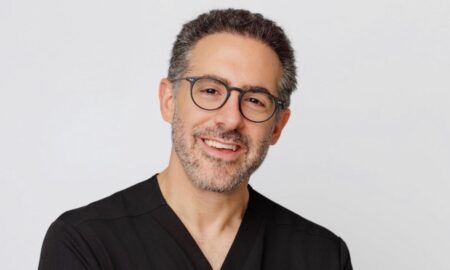
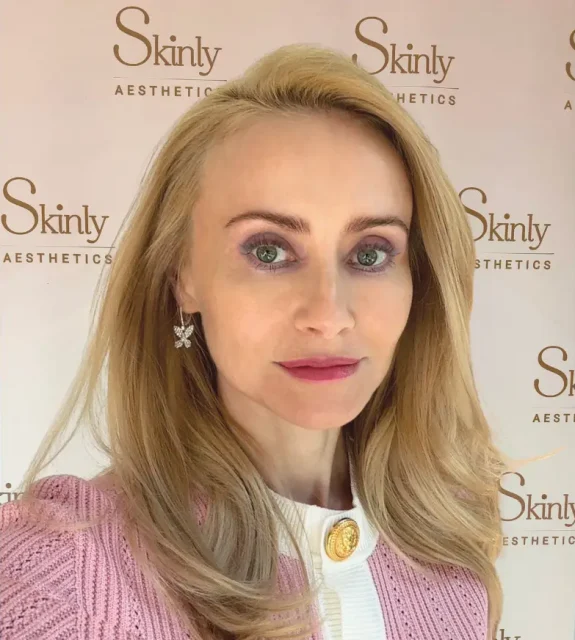
Dr. Anna Chacon, a board-certified dermatologist practicing in Coral Gables, Florida, offers Botox and dermal fillers as part of her broader cosmetic dermatology practice, alongside microneedling and light-based treatments. Practices like hers, where medical, surgical, and cosmetic dermatology are handled under one roof, are well positioned to evaluate whether a patient is a better fit for a preventative, lower-dose approach or a more traditional treatment plan, since that decision depends heavily on the specific lines and muscle activity involved, not a one-size-fits-all formula.
What to Expect Before and After Treatment
Precision matters more with baby Botox than with standard dosing, since the smaller, more targeted amounts leave less room for error. Most providers recommend avoiding blood thinners in the days leading up to treatment to reduce bruising risk, along with skipping microneedling, laser treatments, or chemical peels for at least 24 hours beforehand.
Results from a first treatment are typically evaluated after about two weeks, at which point a provider can add additional units at a follow-up visit if needed. This gradual approach helps both the patient and the injector calibrate the right dose over time, rather than committing to a heavier treatment plan upfront.
FAQ
Is baby Botox a different product than regular Botox? No. It's the same neuromodulator products, such as Botox, Dysport, Xeomin, or Daxxify, used in smaller doses and distributed across more injection points, rather than a different formulation.
How long does baby Botox last? Results generally last a similar duration to standard Botox treatment, though because the goal is subtle prevention rather than full correction, some patients choose more frequent, lighter touch-ups instead of one larger treatment.
Is baby Botox only for younger patients? It's most commonly associated with patients in their 20s and 30s seeking preventative treatment, but the lower-dose technique can be used at any age for patients who want a more natural, movement-friendly result.
Does baby Botox require a more skilled injector? Generally, yes. Because the doses are smaller and distributed more precisely, the margin for error narrows, making injector experience and technique especially important for achieving a natural result.
For more information, visit Dr. Anna Chacon's social media: