
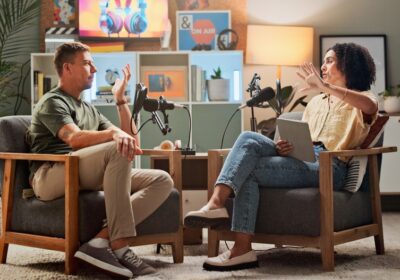




There is a particular kind of video that has become one of the most watched formats on TikTok and Instagram in the last three years. A person with a large following, good lighting, and a confident delivery looks directly into the camera and tells you about a treatment. Maybe it is a peptide that changed their life. Maybe it is a filler technique their injector swore was safe. Maybe it is a supplement stack that, according to them, that turned back the clock. The production values are high. The confidence is higher. The medical credentials are nowhere in sight.
This is the influencer medical advice problem, and it is bigger, more consequential, and more structurally difficult to solve than most of the people inside the conversation are willing to acknowledge.
 Photo Credit: Shutterstock
The Scale of the Problem
Social media has become the primary channel through which millions of people first encounter information about aesthetic treatments, wellness protocols, and medical procedures. The platforms that host this content reach audiences that no medical journal, no physician's website, and no traditional health publication can match.
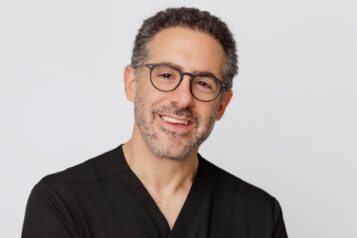
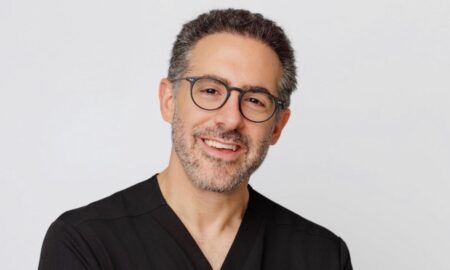
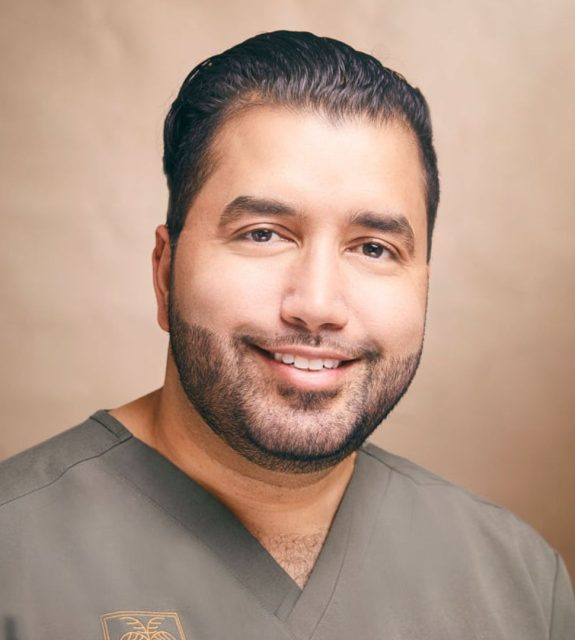
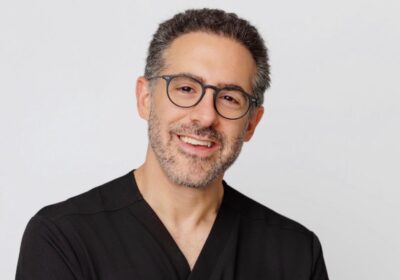
"Social media has become one of the primary ways patients learn about aesthetic treatments, but not all information is created equally," says Dr. Sachin Shridharani. "The challenge is that algorithms often reward confidence and engagement rather than accuracy, making it difficult for patients to distinguish between evidence-based medical guidance and personal opinion."
The creators producing that content are not, in most cases, physicians. They are influencers, people who have built large followings through a combination of personality, consistency, and the particular alchemy of social media engagement, and whose audiences trust them with a degree of intimacy that few media relationships have historically achieved. That trust is the product. It is also the problem.
When a board-certified dermatologist tells you that a skincare ingredient has limited clinical evidence, they are giving you information grounded in years of training, peer-reviewed literature, and clinical experience. When an influencer with three million followers tells you the same ingredient changed their skin, they are giving you a testimonial, and the two are not the same thing. The platforms that distribute both reach the same audience, and the algorithm does not distinguish between them.
What the Evidence Shows About Influencer Medical Content
The research on the accuracy of health and medical content distributed through social media is not encouraging. A 2024 study published in Skin Health and Disease analyzed TikTok's most popular dermal filler videos and found a mean quality score of just 1.64 out of 5 using the validated DISCERN instrument, indicating significantly low-quality health information overall. Seven percent of the videos reviewed explicitly promoted non-FDA-approved uses of filler, and only 21 percent of the most popular videos were categorized as genuinely educational. A related 2022 study in JMIR Dermatology examining promotional patterns among dermatology influencers on TikTok found that while dermatologists led among creators who disclosed paid sponsorships, financial relationships with brands were inconsistently disclosed across the platform more broadly, raising the same transparency concerns regulators have flagged elsewhere in influencer marketing.
Notably, the dermal filler study found that videos posted by physicians and physician assistants scored meaningfully higher on quality than those posted by unlicensed creators, and a separate 2023 systematic review in the Aesthetic Surgery Journal examining TikTok content in plastic surgery found the same pattern: physician-created videos consistently outperformed non-physician content on quality metrics, even as they remained a minority of what the platform actually served up to viewers.
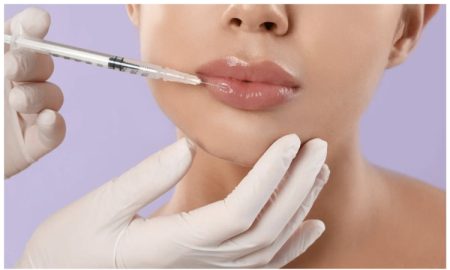
The aesthetic medicine space is particularly vulnerable to this dynamic. Unlike general health claims, which often require years to prove harmful, aesthetic treatments produce visible results quickly, which makes them ideal content. A before-and-after photograph of a lip filler result is compelling in a way that a controlled clinical trial is not. The visual nature of aesthetic outcomes, combined with the personal intimacy of beauty and body content, creates a category of social media influence that is both extraordinarily effective at persuasion and extraordinarily difficult to evaluate critically.
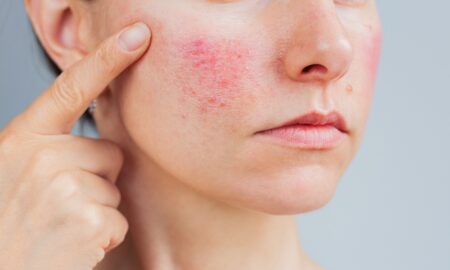
The treatments being discussed are also increasingly complex and increasingly risky. Peptides, off-label injectables, experimental regenerative treatments, and aggressive at-home skincare protocols that damage the barrier function of the skin: these are not topics that benefit from the confidence of an untrained presenter. They benefit from the precision of a physician who has spent years understanding the risks as well as the rewards.
The Platform Responsibility Question
Whether TikTok, Instagram, and YouTube bear responsibility for medical misinformation distributed on their platforms is a question that sits at the intersection of law, ethics, and technology, and it does not have a clean answer.
The legal framework in the United States currently provides platforms with significant protection from liability for user-generated content under Section 230 of the Communications Decency Act. Platforms are not treated as publishers of the content that users post, which means they are generally not legally responsible for the accuracy of that content. This framework, designed in 1996 for a very different internet, has become one of the most contested policy questions in American media law.
The ethical question is harder to dismiss than the legal one. TikTok, Instagram, and YouTube have the technical capacity to identify health and medical content through keyword detection, hashtag monitoring, and content classification. They apply this capacity selectively, most visibly around COVID-19 misinformation during the pandemic, where they demonstrated that platform-level intervention in health content was both possible and implementable at scale. The fact that they have not applied the same scrutiny to aesthetic and wellness misinformation is a choice, not a technical limitation.
That choice is, in large part, a commercial one. Health and wellness content, including aesthetic treatment content, is among the most engaged-on-platform categories. The creators producing it are often brand partners who generate significant advertising revenue. The treatments being discussed are frequently being sold through affiliate links that generate platform revenue. Aesthetic misinformation, unlike political misinformation, does not generate the kind of regulatory and press scrutiny that forces platforms to act. It is profitable and largely invisible to the policymakers who might otherwise demand accountability.
That choice is, in large part, a commercial one. Health and wellness content, including aesthetic treatment content, is among the most engaged-on-platform categories. The creators producing it are often brand partners who generate significant advertising revenue. The treatments being discussed are frequently being sold through affiliate links that generate platform revenue. Aesthetic misinformation, unlike political misinformation, does not generate the kind of regulatory and press scrutiny that forces platforms to act. It is profitable and largely invisible to the policymakers who might otherwise demand accountability.
Where the Responsibility Actually Lies
The platform responsibility debate, while important, risks obscuring a more immediate and more solvable problem: the standards of the aesthetic and wellness industry itself.
Physicians, med spas, and legitimate aesthetic practices have been slow to compete for the attention of patients where those patients actually are, which is on social media. The vacuum that physician-created content would fill has instead been filled by creators whose primary qualification is their following. The medical community's traditional preference for peer-reviewed publication, conference presentation, and word-of-mouth referral was built for a world where patients found their physicians through their primary care doctor and their local phonebook. That world is over.
"As physicians, we have a responsibility to meet patients where they are, provide credible education, and help them understand that a viral trend is never a substitute for individualized medical advice," Dr. Shridharani says. "While influencers can raise awareness, treatment decisions should ultimately be guided by qualified healthcare professionals who are accountable for patient outcomes."
The influencers giving medical advice are not doing so because they are malicious. Most of them are doing so because they have a platform, a genuine enthusiasm for the treatments they discuss, and no awareness of what they do not know. The responsibility for filling that gap belongs to the physicians and the institutions who have the knowledge but have historically treated patient education as someone else's problem.
It is also worth drawing a real distinction here, because not all influencer content sits at the same level of risk. A creator sharing that they got filler, naming their injector, and being transparent about their own results is disclosing a personal experience, not practicing medicine. That kind of transparency can actually work in patients' favor, normalizing honest conversation about treatments people might otherwise feel pressure to hide. The problem is a different category of content entirely: creators instructing followers on dosing, technique, at-home injection, or which "hacks" can replace a licensed provider altogether. One is a person talking about their own face. The other is unlicensed medical guidance wearing the same casual, confident tone, and patients are rarely given the tools to tell the two apart in the fifteen seconds before they decide which one to trust.
The Federal Trade Commission requires that paid partnerships be disclosed in social media content, and enforcement has increased in recent years. In 2023, the FTC sent warning letters to a dozen registered dietitians and other health influencers, along with two trade associations, over inadequate disclosure of paid posts promoting the safety of a food additive, citing inconspicuous placement and ambiguous sponsorship language as specific violations. More recently, the FTC's Consumer Review Rule, in full effect since October 2024, has become an active enforcement tool specifically targeting the health, wellness, and beauty sectors, industries the agency has flagged as particularly exposed given how heavily they rely on influencer endorsements, testimonials, and before-and-after content. Some states have introduced legislation requiring that medical procedures be performed or supervised by licensed medical professionals, which indirectly addresses some of the more egregious influencer-to-clinic pipelines. But regulation moves slowly, and the content cycle on social media moves at a speed that regulation cannot match.
Frequently Asked Questions
Are influencers allowed to give medical advice on social media? There is no federal law that explicitly prohibits non-physicians from discussing medical topics on social media. However, practicing medicine without a license is illegal in every U.S. state, and creators who diagnose conditions, prescribe treatments, or hold themselves out as medical professionals without appropriate credentials can face legal consequences. The line between sharing a personal wellness experience and giving medical advice is legally ambiguous and frequently crossed.
Are platforms legally responsible for medical misinformation? Under current U.S. law, platforms are generally protected from liability for user-generated content by Section 230 of the Communications Decency Act. This means TikTok, Instagram, and YouTube are not legally responsible for the accuracy of medical content posted by creators. This legal framework is under increasing legislative scrutiny but remains in place as of 2026.
How can I tell if health content on social media is trustworthy? Check the credentials of the person presenting the information. A board-certified physician presenting information in their specialty is a credible source. A creator without medical credentials presenting clinical claims is not, regardless of their following size. Also check whether the content discloses any financial relationships with the brands or treatments being discussed. Paid partnerships are required to be disclosed under FTC guidelines.
What should I do before trying a treatment I saw on social media? Consult a board-certified physician before beginning any aesthetic or wellness treatment, regardless of where you first encountered it. A physician can assess whether the treatment is appropriate for your specific health profile, explain the actual evidence base for the treatment, and supervise the process if you proceed. No social media content, regardless of the presenter's credentials, is a substitute for an individual clinical evaluation.
Has the FTC taken action against influencers for health misinformation? The FTC has taken enforcement action against influencers primarily for failure to disclose paid partnerships rather than for the accuracy of health claims specifically. The agency has issued warning letters to creators and brands for undisclosed sponsorships in health and wellness content. Action specifically targeting the clinical accuracy of influencer health claims has been more limited.
What is the difference between a physician's medical advice and an influencer's wellness content? A physician providing medical advice is doing so within a framework of licensure, malpractice liability, and professional accountability. They can lose their license for providing inaccurate or harmful information. An influencer has no equivalent accountability structure. Their content is not subject to peer review, does not require clinical evidence, and carries no professional consequences for inaccuracy. This structural difference is the most important reason to treat the two as fundamentally different sources of information.
For more information, visit Sachin Shridharani, MD, FACS's social media: