







Baby Botox is a neurotoxin injection technique that uses smaller doses of botulinum toxin than a standard Botox treatment, applied to more precise locations across the face, with the goal of softening expression lines while preserving natural facial movement. Regular Botox uses standard dosing to achieve more complete muscle relaxation in targeted areas. Both treatments use the same FDA-approved botulinum toxin products. The difference is entirely in the dose, the placement, and the intended outcome.
The Baby Botox trend has accelerated significantly in 2026 as patients increasingly seek results that look like nothing has been done rather than results that look frozen or treated. Understanding the difference between the two approaches and knowing which one matches your goals is the most important step before booking either treatment.
 Photo Credit: Shutterstock
What Is Baby Botox?
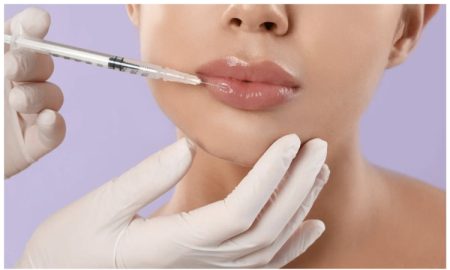
Baby Botox, sometimes called micro Botox or micro-tox, refers to a technique rather than a different product. The injector uses a smaller number of units per injection point and distributes those units across a greater number of points across the face. The result is a subtle softening of expression lines that reduces the appearance of dynamic wrinkles, the lines formed by facial movement, without fully immobilizing the underlying muscles.
The appeal of Baby Botox is preservation of expression. Patients who choose this technique can still raise their eyebrows, squint, and smile with full range of motion. The lines produced by those expressions are softened but not erased. The face looks rested, refreshed, and younger without looking treated.
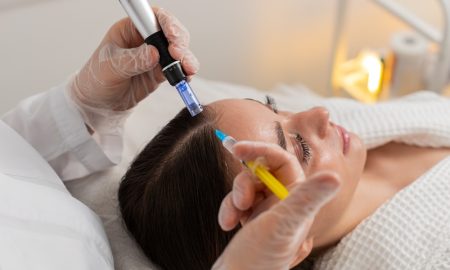
Baby Botox is also used for skin quality improvements beyond wrinkle reduction. When injected superficially into the dermis rather than deeply into the muscle, very small doses of neurotoxin can reduce pore size, improve skin texture, minimize surface oiliness, and produce a smoothing effect on the skin's surface that is distinct from the muscle-relaxation effect of standard Botox. This application is sometimes called Meso Botox or skin Botox and is particularly popular for the lower face, neck, and décolletage.
What Is Regular Botox?
Standard Botox treatment uses established dosing protocols to achieve more complete relaxation of the targeted muscle groups. For the most common treatment areas, the forehead, the glabellar lines between the brows, and the crow's feet around the eyes, standard dosing produces a more pronounced smoothing effect that lasts three to four months on average.
Regular Botox is the appropriate choice for patients with more established dynamic wrinkles who want meaningful correction rather than subtle softening. It is also the more predictable treatment for patients who have not had Botox before, because the established dosing protocols produce consistent, well-documented outcomes that are easier to assess and adjust at follow-up.
The tradeoff is movement. Standard Botox dosing reduces expression in the treated areas more significantly than Baby Botox. Patients who are sensitive to any reduction in facial expressiveness, or who have had experiences with overly frozen results in the past, may find Baby Botox a better fit for their goals.
Baby Botox vs. Regular Botox: Key Differences
Dose: Baby Botox uses fewer units per point, distributed across more injection sites. Regular Botox uses standard dosing concentrated in fewer sites.
Movement preservation: Baby Botox preserves more natural facial movement. Regular Botox produces more complete muscle relaxation in treated areas.
Results: Baby Botox produces subtle softening and skin quality improvement. Regular Botox produces more significant wrinkle reduction.
Duration: Baby Botox results typically last two to three months. Regular Botox results typically last three to four months.
Ideal candidate: Baby Botox is best for patients with early dynamic lines, those seeking preventative treatment, or those who have previously experienced results they felt were too frozen. Regular Botox is best for patients with more established dynamic wrinkles seeking meaningful correction.
Cost: Baby Botox typically costs less per session due to the smaller number of units used, but requires more frequent maintenance due to its shorter duration.
Who Is a Good Candidate for Baby Botox?
Baby Botox is particularly well-suited for the following patients:
Patients in their mid-twenties to mid-thirties who are beginning to notice early dynamic lines and want to address them before they become established. Preventative neurotoxin treatment at this stage can reduce the depth of lines that form over time by limiting the repetitive muscle movement that creates them.
Patients who have had Botox before and felt the results were too frozen or too dramatic. Baby Botox offers a way to continue benefiting from neurotoxin treatment while achieving more nuanced, movement-preserving results.
Patients who are new to injectables and want to start conservatively. Baby Botox allows a first-time patient to experience the treatment with minimal risk of over-correction, with the option to build on results at follow-up.
Patients who want the skin quality benefits of superficial neurotoxin application, including pore minimization, surface smoothing, and oil reduction, rather than or in addition to wrinkle reduction.
Who Is a Good Candidate for Regular Botox?
Regular Botox is the more appropriate choice for patients with moderate to significant dynamic wrinkles who want results that are visible and meaningful rather than subtle. It is also the better choice for patients who want longer intervals between treatments and for whom the preservation of every degree of facial movement is less of a priority.
Patients who have had Baby Botox and felt the results were not significant enough may find that standard dosing better matches their expectations. The right approach is always the one that aligns with the individual patient's anatomy, goals, and relationship to their own face.
How to Choose Between Baby Botox and Regular Botox
The most important factor in choosing between these approaches is an honest assessment of what you want the results to look like. The question is not which technique is better in the abstract. It is which technique is better for your specific goals.
If your priority is looking exactly like yourself but more rested, with your full range of expression intact and lines softened rather than erased, Baby Botox is likely the better fit. If your priority is meaningful wrinkle reduction that lasts as long as possible between appointments, regular Botox is likely the more appropriate choice.
A qualified, experienced injector will assess your facial anatomy, discuss your goals, review your history with injectables if applicable, and recommend the approach that best serves your individual needs. The conversation at the consultation is where the right answer for your face gets determined. No article, including this one, can make that determination for you.
Baby Botox and Regular Botox at Haute MD Network Practices
Haute MD features a curated network of board-certified physicians and aesthetic medicine specialists offering neurotoxin treatments including Baby Botox, standard Botox, and full facial aesthetic planning across the United States. Every physician in the Haute MD network has been vetted for board certification, credentials, and clinical excellence.
To find a Botox specialist in your area through the Haute MD network, visit hauteliving.com/hautemd.
Frequently Asked Questions
What is Baby Botox? Baby Botox is a neurotoxin injection technique that uses smaller doses of botulinum toxin distributed across more injection points than standard Botox. The goal is to soften expression lines while preserving natural facial movement, producing a rested and refreshed appearance without a frozen or over-treated look.
How long does Baby Botox last? Baby Botox results typically last two to three months, compared to three to four months for standard Botox dosing. The shorter duration reflects the smaller dose used. Patients who choose Baby Botox typically require more frequent maintenance appointments.
Is Baby Botox better than regular Botox? Neither technique is objectively better. Baby Botox is better for patients who prioritize natural movement and subtle results. Regular Botox is better for patients who want more significant wrinkle reduction and longer intervals between treatments. The right choice depends entirely on the individual patient's goals and anatomy.
How much does Baby Botox cost? Baby Botox typically costs less per session than regular Botox because fewer units are used. However, the more frequent maintenance schedule required means the annual cost is often comparable. Botox is priced either per unit or per area depending on the practice, and pricing varies significantly by provider and location.
Can you switch between Baby Botox and regular Botox? Yes. Many patients start with one approach and adjust based on their experience with the results. A patient who finds Baby Botox too subtle can increase to standard dosing at their next appointment. A patient who finds regular Botox too frozen can reduce to a Baby Botox protocol at their next session. The flexibility of neurotoxin treatments is one of their most significant advantages over more permanent interventions.
At what age should you start Baby Botox? There is no single correct answer. Some patients begin preventative neurotoxin treatment in their mid-twenties when early dynamic lines first appear. Others wait until their thirties or forties when lines become more established. The decision should be based on your individual skin, your goals, and a consultation with a qualified injector rather than on age alone.