







For years, the facelift was viewed as a procedure patients considered only after every other option had failed. Today, that mindset has shifted. Patients are taking a much more proactive approach to facial rejuvenation, choosing surgery before years of fillers, skin laxity, and volume loss begin to compound. As the procedure becomes even more mainstream, the biggest question I hear isn't whether someone should have one. It's how long the results will actually last.
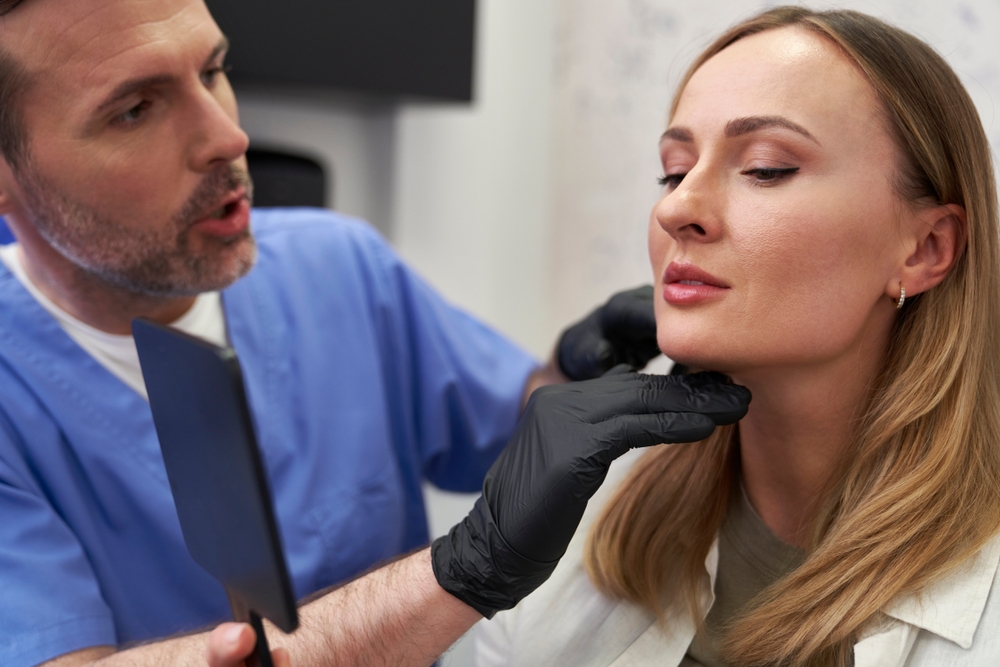 Photo Credit: Shutterstock
The answer surprises many patients. A well-executed deep plane facelift can last 10 to 15 years or longer. Just as importantly, patients don't suddenly look "old again" once that timeline has passed. A facelift doesn't stop the aging process. It simply turns the clock back. You'll continue to age naturally, but from a much younger starting point. By repositioning the deeper facial tissues rather than simply tightening the skin, we're able to restore the cheeks, jawline, and neck as one cohesive unit. The result is a softer, more balanced appearance that continues to look natural for years rather than a tighter version of the same face.
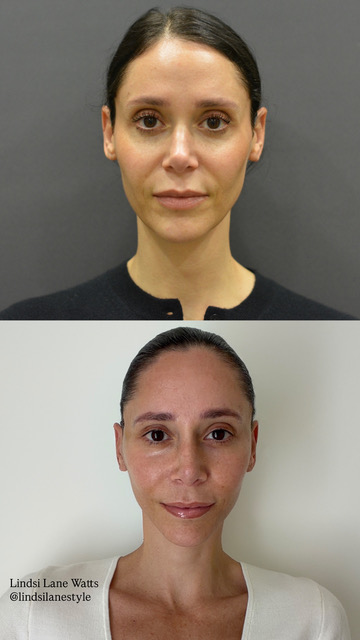
Photo Credit: Lindsi Lane Watts
Timing also plays an important role in how long those results last. More patients are choosing surgery in their late 40s and early 50s, when skin quality and collagen remain relatively strong and the signs of aging are still moderate. However, because every face ages differently, there really isn't one perfect age for a lift. Genetics, sun exposure, weight fluctuations, and lifestyle all influence the right timing, but the best candidates are typically those beginning to notice jowling, loss of jawline definition, and neck laxity while still maintaining healthy skin and good facial structure.
Patients also have an important role in preserving their results. Maintaining a stable weight as fluctuations in weight or sudden large weight loss post facelift greatly reduces longevity, avoiding smoking, practicing sun protection as patients who have sun damage have issues with skin elasticity -- a facelift of any type won’t last. Moreover, following a consistent skincare routine all contribute to long-term success. Many of the most successful long-term outcomes also incorporate treatments such as lasers, radiofrequency, BotoxⓇ, or conservative filler to support skin quality over time. These treatments don't replace surgery, but they help support the overall result.
Every consultation begins with a careful assessment of facial anatomy, skin quality, volume loss, and each patient's unique pattern of aging. The goal isn't to create a different face. It's to restore proportion and definition while preserving the features that make someone recognizable. For many patients, that also means combining a deep plane facelift with complementary procedures that refine the overall result.
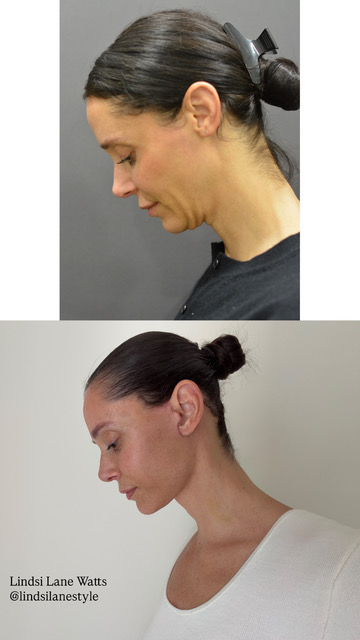 Photo Credit: Lindsi Lane Watts
Complementary procedures are becoming an increasingly important part of facial rejuvenation. While a facelift restores the cheeks, jawline, and neck, it doesn't address every age-related change. Some patients benefit from a lip lift to restore youthful proportions and improve upper tooth show in a way filler simply cannot. Others may choose subtle refinements such as earlobe reduction, since earlobes naturally elongate over time and can become more noticeable after the surrounding face has been rejuvenated. When thoughtfully selected, they create a more balanced result.
Men are also embracing facial rejuvenation in growing numbers. Most male facelift patients are in their 50s and early 60s, although younger men are increasingly seeking consultations. Their goals are often different from women's. Rather than looking dramatically younger, most simply want to appear more rested, energetic, and defined. Neck rejuvenation is often the primary concern because men tend to develop heavier necks, fullness beneath the chin, and earlier loss of jawline definition. Addressing the neck often creates the most noticeable improvement while preserving masculine facial characteristics.
The growing popularity of the deep plane facelift reflects a broader shift in aesthetics. Many patients tell me they're tired of maintaining fillers year after year. Instead, they're looking for a solution that addresses the underlying anatomy rather than continually adding volume. Surgery has become less about making a dramatic change and more about restoring the facial foundation that time has gradually changed.
Some patients eventually choose a second facelift a decade or more later, not because the first procedure failed, but because they want to maintain the refreshed foundation as aging continues. Ultimately, the best facelift isn't the one everyone notices; it's the one that looks so natural that people can't quite pinpoint what has changed. They simply notice that you look rested, refreshed, and exceptionally well. That is the power of taking a proactive approach to aging: preserving your identity while restoring the features that time has gradually altered.
For more information, visit Dr. Sam Rizk's social media: