




There used to be a very specific script. You disappeared for two weeks. You came back looking rested. Someone asked if you had been on vacation. You said you had, or you said you changed your skincare routine, or you said you had been sleeping better, and everyone understood that this was not really the answer to the question but that the question was not really being asked either. The secret was kept. The results were enjoyed. The performance of naturalness was maintained. That script is over. And the conversation that has replaced it is more interesting than anyone expected. Plastic surgery is no longer taboo.
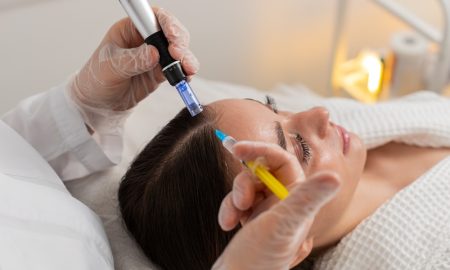
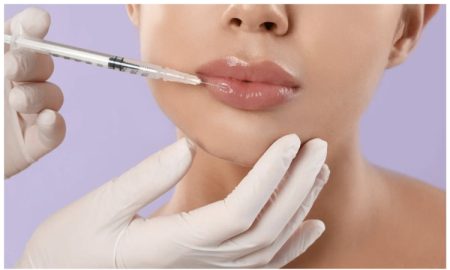
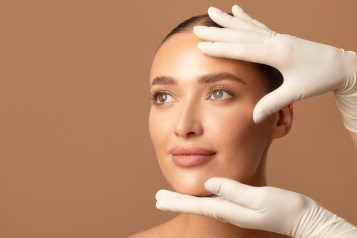
2025 will be remembered, at least in the aesthetics industry, as the year plastic surgery and treatments went fully mainstream. Celebrities and influencers embraced radical transparency like never before, sharing intimate details of the procedures they had had, or intended to have, with the same casualness they once reserved for skincare recommendations. The secret became the content. The recovery became the vlog. The before and after became the post.
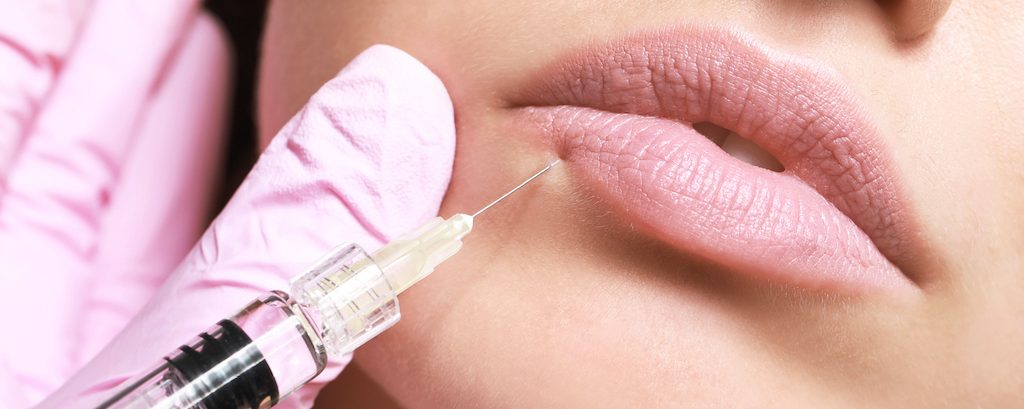 Photo Credit: Shutterstock
This did not happen in a vacuum. It happened because a generation that grew up watching everything online decided that the performance of naturalness was its own kind of dishonesty, and that the honest version of caring about your appearance was simply saying so. The stigma did not disappear overnight. It eroded, slowly and then all at once, under the weight of too many people saying the quiet part out loud.
The global cosmetic surgery market reached approximately $59 billion in 2025 and is projected to exceed $61 billion by the end of 2026. Those are not the numbers of an industry operating in the shadows. Those are the numbers of an industry that has been fully normalized.
What Transparency Actually Did to the Industry
Here is where it gets interesting. When getting work done was a secret, the incentive structure rewarded discretion over quality. You could not ask your friend who did her nose because she was not admitting she had it done. You could not compare results publicly because results were not discussed publicly. The information asymmetry between provider and patient was enormous, and patients absorbed the consequences of that asymmetry in silence.
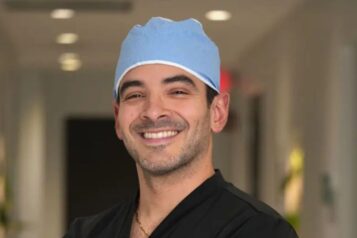
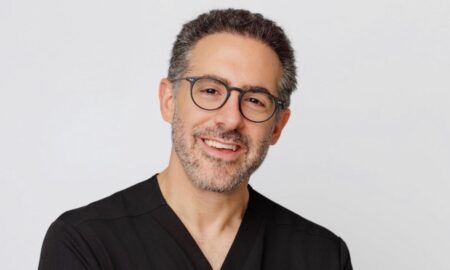
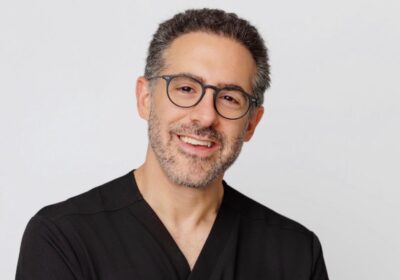
Transparency blew that open. Patients are now more informed, more demanding, and more willing to share their experiences, both good and bad, than at any point in the industry's history. According to board-certified facial plastic surgeon Dr. Amir Karam, aesthetics in 2026 will be defined by specialization over shortcuts, transparency over secrecy, and long-term results over quick fixes. "Cookie-cutter approaches are dying," he says. "Patients are more empowered, and the industry is finally evolving."
That empowerment has direct consequences. Patients who can share their experiences publicly hold providers accountable in ways they never could before. A bad result used to stay between a patient and her closest friends. Now it has a comments section.
The Aesthetic Has Shifted Too
The transparency trend and the aesthetic trend have moved in the same direction, which is not a coincidence. The era of overdone, highly visible cosmetic work is fading. In its place, patients are prioritizing subtle, refreshed results that preserve their natural identity. The shift reflects a larger cultural trend: beauty standards are becoming individualized, not uniform.
The irony is that the more openly people talk about having work done, the more natural the work they are asking for. When the secret was the point, there was a certain logic to going bigger, to making the investment legible, to having results that justified the expense in visible terms. When the secret is gone, the goal shifts. The ask becomes: make me look like myself, but better. Make it look like I never did anything, even though I am telling you exactly what I did.
This is a fundamentally different request, and it is producing a fundamentally different kind of result. Fat grafting is quickly taking its rightful place as a more natural approach, displacing fillers. Patients are moving away from one-off procedures and toward comprehensive treatment plans tailored to their anatomy, goals, and lifestyle. Younger patients are seeking preventative or early-intervention procedures rather than corrective ones later in life.
The language has changed too. Nobody is going under the knife anymore. They are investing in their skin. They are doing maintenance. They are being proactive. The vocabulary of cosmetic surgery has absorbed the vocabulary of wellness, which is partly marketing and partly a genuine shift in how people conceptualize what they are doing and why.
The Miami Dimension
In Miami, this conversation has a particular texture. The city has always had a complicated relationship with beauty enhancement, simultaneously one of the most aesthetically ambitious cities in the country and one of the most performatively casual about it. Miami was doing BBLs before the rest of the country knew what they were. Miami was also the city where you were never quite sure what was natural and what was not, because the city's entire aesthetic operates at a level of polish that makes the question genuinely difficult to answer.
The transparency era has shifted that too. Miami's aesthetics culture, which once operated largely on whisper networks and discretion, has opened up in ways that would have been unimaginable a decade ago. Doctors who once relied entirely on word of mouth now have robust social media presences. Patients who once kept their procedures private now tag their surgeons in recovery posts. The city's beauty industry, always thriving, has become significantly more visible, and the visibility has made it more competitive, which has made it, on balance, better.
What Has Not Changed
The transparency trend has changed the conversation around cosmetic procedures in almost every meaningful way. What it has not changed is the fundamental human impulse that drives the industry in the first place: the desire to look like the version of yourself you see in your head. That impulse is not new, and it is not going anywhere.
What is new is the honesty about it. And the honesty, it turns out, is not the threat to the industry that the secret-keepers feared. It is the thing that made the industry grow up.
The before and after used to be something you hid. Now it is something you post. The procedure used to be something you denied. Now it is something you recommend. The recovery used to happen in private. Now it happens on Stories, with a filter that makes the bruising look like a beauty mark.
The secret is out. The conversation it started is more honest, more interesting, and considerably more useful than the one it replaced.