







 Photo Credit: Adobe Firefly
"I don't want to look younger. I just want to look less tired."
I hear some version of that almost every day in consultation. Especially during the summer, I hear patients describe it as wanting to look like they just got back from vacation: Not dramatically different, just more rested, relaxed, and energized. What's interesting is that patients aren't usually talking about wrinkles. More often, they're responding to a subtle shift in how their face is aging. They're active, healthy, and engaged, but when they look at photographs or catch themselves on a Zoom call, the person looking back seems more worn down than they expect.
The reason is that many of the changes we associate with looking tired have very little to do with the skin itself. As we age, the deeper structures of the face gradually descend. The cheeks lose support and shift downward. The jawline becomes less defined. The neck begins to soften. Even before a person develops significant wrinkles, these changes can alter the way the entire face is perceived.
In many cases, patients aren't reacting to a specific feature. They're reacting to the cumulative effect: a softer jawline, a heavier lower face, less cheek support, or a neck that no longer has the same definition it once did. Taken together, these changes can create an appearance that doesn't match a person's energy or lifestyle.
This is one reason facial rejuvenation has evolved so dramatically over the last decade. Historically, facelift surgery was often thought of as a procedure that tightened skin. The problem is that aging doesn't primarily occur at the skin level. It occurs within the deeper structures of the face.
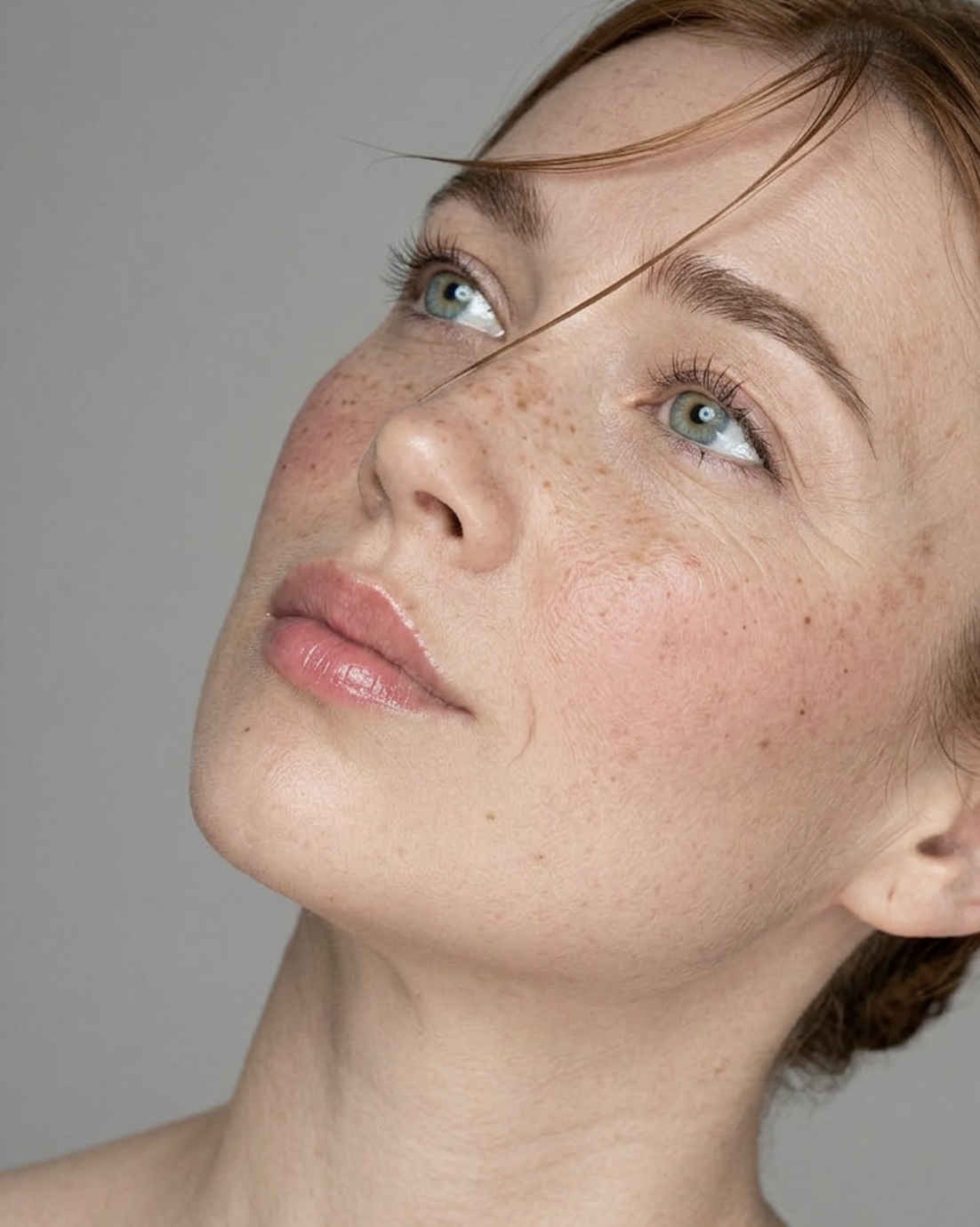 Photo Credit: Adobe Firefly
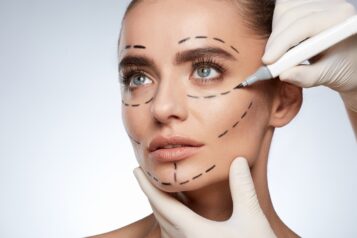
Modern deep plane techniques address those deeper changes directly. Rather than creating tension at the surface, they reposition tissues that have descended over time, improving the contours of the cheeks, jawline, and neck in a way that looks balanced and proportional.
For patients, the difference is significant. The objective isn't to create a different face. It's to address the structural changes responsible for many of the visible signs of aging. That's also why I'm seeing more patients in their forties and fifties explore surgical options earlier than previous generations.
These patients aren't typically seeking dramatic correction. In many cases, they're interested in maintaining facial contours before age-related changes become more pronounced. Rather than spending years chasing incremental improvements, they're choosing a more comprehensive approach that addresses the underlying anatomy.
There is also a growing recognition that repeated maintenance treatments can only accomplish so much. At a certain point, adding volume doesn't address the core issue: tissue descent. For the right patient, repositioning those tissues often produces a more balanced and longer-lasting outcome.
The neck deserves special mention because it's frequently overlooked. Patients often arrive convinced that their concern is their face when what bothers them most is the loss of definition beneath the jawline. The transition between the face and neck plays a tremendous role in overall facial harmony. When that contour begins to blur, people often perceive themselves as looking older, heavier, or less rested. Reestablishing that definition can have a remarkable impact, sometimes with less change than patients expect.
What I find most notable is that the goal remains remarkably consistent regardless of age. Patients in their forties may describe it as maintenance. Patients in their seventies may describe it as rejuvenation.
 Photo Credit: Adobe Firefly
The most successful outcomes aren't the ones that dramatically alter someone's appearance. They're the ones that preserve identity while addressing the structural shifts that occur over time.
Ultimately, that's why the conversation around facial rejuvenation has changed. Patients aren't looking for transformation. They're looking for results that are subtle, balanced, and enduring. The goal isn't to look like you've been operated on. It's simply to look well.
Or, as many patients describe it this time of year, to look like they've just returned from a great vacation, even when they haven't gone anywhere at all.
For more information, visit Dr. Sam Rizk's social media: