





There is a phrase that entered the beauty lexicon in 2022 and has not left it since. Glazed donut skin. Hailey Bieber coined it, built a billion-dollar brand around it, and in doing so reoriented what an entire generation of patients started asking for when they walked into an aesthetic practice. Not thinner. Not more contoured. Not more structured. Just skin that looked like it was working, visibly hydrated, softly luminous, and alive in a way that communicated health rather than effort. The aesthetic world has been catching up to that brief ever since.
 Photo Credit: Haliey Bieber/ Instagram
Understanding the Hailey Bieber Effect is not really about Hailey Bieber. It is about what her specific approach to skin unlocked in the patient conversation, and what it has asked of physicians, estheticians, and the aesthetic industry as a whole to deliver.
What Glazed Donut Skin Actually Means
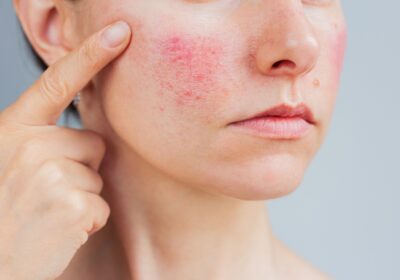
The phrase is deliberately sensory and deliberately approachable. Bieber described her goal plainly: skin that looks so hydrated and healthy that you want to take a bite out of it. That is not a clinical description. But the clinical translation is specific: a skin barrier that is intact, fully hydrated, and functioning at a high level, with the kind of surface reflectivity that comes from healthy, plump skin cells rather than from highlighter or filter.
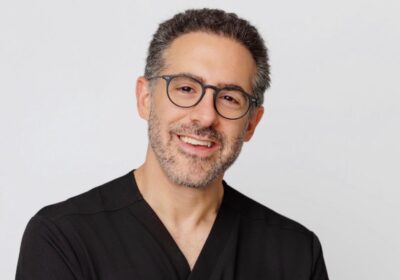
The Rhode skincare line Bieber launched in 2022 was built around exactly that premise. Three products at launch, a peptide lip treatment, a barrier cream called Peptide Glazing Fluid, and a glazing fluid, all designed to layer hydration on hydration and protect the skin barrier rather than strip or correct it. Rhode debuted at Sephora, generated over $212 million in revenue before its acquisition, and was ultimately acquired by e.l.f. Beauty for one billion dollars, with board-certified dermatologist and Haute MD member Dr. Dhaval Bhanusali serving as the brand's dermatologist in residence throughout.
The glazed donut aesthetic did not arrive in isolation. It was part of a broader cultural shift that had been building across social media under a different name: the clean girl aesthetic. Where glazed donut skin was specifically about the quality and luminosity of the complexion, clean girl was the full lifestyle frame around it, slick buns, minimal makeup, gold jewelry, and above all, skin so healthy it needed nothing on top of it. Together the two trends effectively dismantled the heavily contoured, full-coverage beauty standard that had dominated the previous decade and replaced it with something that looked, paradoxically, harder to achieve: effortlessness. The skincare industry responded accordingly. Barrier-repair products, ceramide-rich moisturizers, peptide serums, and gentle cleansers became the most searched and fastest-growing categories in the market. The question patients were asking changed from how do I cover this to how do I fix this, and then, more ambitiously, to how do I get the kind of skin that does not need covering at all.
Rhode was at the center of this conversation on TikTok from the beginning. The brand's peptide-forward, barrier-first formulations aligned perfectly with what the clean girl aesthetic demanded, and the overlap between Rhode's customer and the clean girl TikTok community was not accidental. Bieber's own presence on the platform, posting routine videos, showing her skin without filter or foundation, and naming her aesthetic in plain, memorable language, gave the clean girl trend its most commercially successful expression. The Rhode Peptide Glazing Fluid became one of the most dueted, reviewed, and recreated products in TikTok beauty history. Imitators followed immediately, but the original retained its authority because the brand had something most imitators did not: a physician in residence, a coherent point of view, and a founder whose skin was the living proof of the product.
How Rhode Influenced Skincare Trends
Before the glazed donut moment, the dominant aesthetic conversation in med spas and plastic surgery practices was correction. Patients came in with a specific concern: a line, a fold, a shadow, a texture problem. They wanted that thing addressed. The treatments were targeted, the results were visible, and the goal was change.
The shift that Bieber's aesthetic catalyzed was not away from treatment. It was away from the visible evidence of treatment. Patients stopped asking for the line to be erased and started asking to look like they had never had a line worth erasing. They stopped asking for the filler to fill a specific area and started asking for the overall impression of a face that was simply well-rested and well-maintained. The desired outcome moved from correction to condition.
This is a meaningful clinical distinction. Correction is reactive. Condition is proactive. Treating the skin as a system that needs consistent maintenance, appropriate hydration, barrier protection, and a thoughtful preventive approach produces different outcomes than treating individual concerns in isolation. It also requires a different kind of patient education, one that starts earlier, invests more in skin health basics, and is less focused on the dramatic before-and-after and more focused on the long, slow arc of a face that ages gracefully.
What Rhode Got Right That the Aesthetic Industry Had to Learn
Rhode's success reveals something the professional aesthetic industry has been slow to fully absorb: the patient who walks in asking for glazed donut skin has already developed a sophisticated relationship with their own skin. They have done the research. They understand ceramides and peptides and barrier function. They know what hyaluronic acid does. They have watched a hundred skincare routine videos and tried a dozen products and formed opinions.
Rhode built its entire brand on this patient. Bieber's own stated philosophy, that expensive is not the point and that great affordable options exist for almost every skin concern, positioned the brand as a trusted advisor rather than a luxury aspiration. The marketing was honest about what the products could and could not do. The formulations were genuinely effective. The result was a customer who trusted the brand because the brand had earned that trust rather than assumed it.
The aesthetic physician who serves this patient in 2026 has to operate from the same register. The patient who has a robust skincare routine, knows their ingredients, and understands their barrier function is not looking for a practitioner who will tell them what to do. They are looking for a practitioner who will meet them where they already are and build from there.
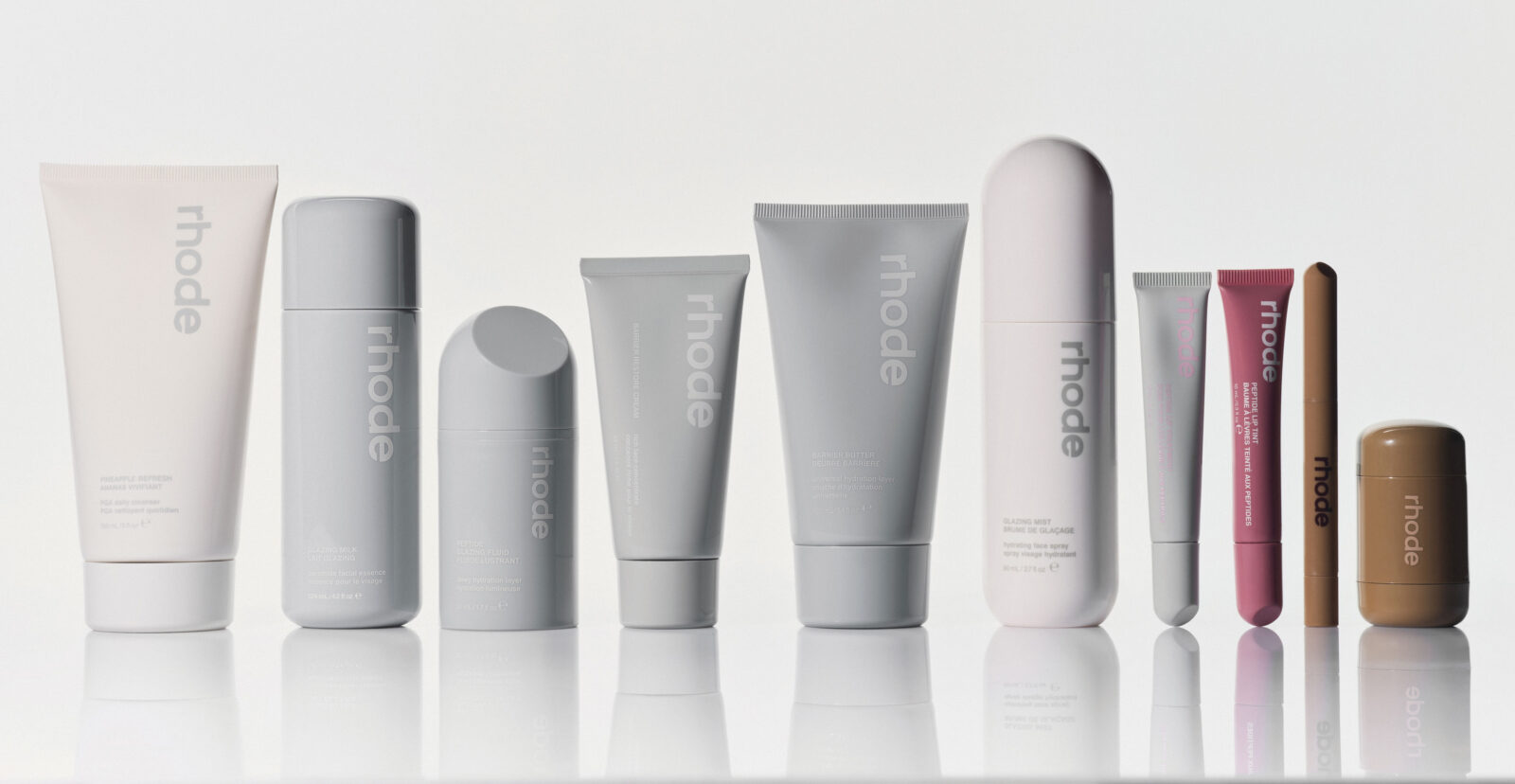 Photo Credit: E.L.F. Beauty
The glazed donut aesthetic is, at its clinical core, a skin health goal. Achieving it requires a foundation of consistent, evidence-based skincare combined with professional treatments that support rather than disrupt the skin barrier.
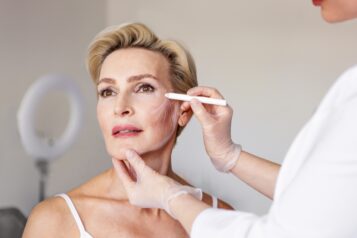
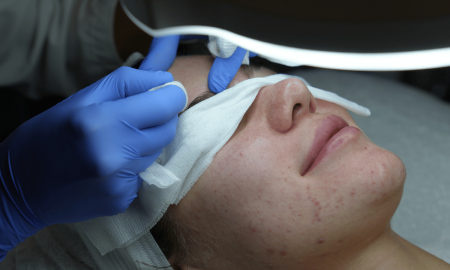
A board-certified dermatologist or medical esthetician can assess your skin barrier function, identify any compromised areas, and build a protocol that supports the kind of deep, lasting hydration that produces the glow Bieber has made famous. Professional treatments including HydraFacial, medical-grade facial protocols, and prescription-strength topicals like retinoids and vitamin C serums produce results that over-the-counter products, even excellent ones like Rhode, cannot replicate alone.
The combination of a well-formulated at-home routine with periodic professional intervention is the most efficient path to the outcome Bieber popularized. Not one or the other. Both, working together, which is how the skin has always worked best.
 Photo Credit: Shutterstock
The Hailey Bieber Effect is ultimately a story about what happens when a cultural figure makes health aspirational in a way that feels genuinely achievable. Bieber did not make her skin look like something that required surgery or a prohibitive budget. She made it look like the result of care, consistency, and the right products, which is exactly what it is.
That is the shift the aesthetic industry is still working to fully respond to. The patient who wants to look like Hailey Bieber is not asking for transformation. They are asking for the best version of their own skin. They want to look healthy, rested, and alive. They want to be noticed for the quality of their skin rather than the evidence of what they did to it.
This article is intended for educational and informational purposes only. Always consult a qualified, board-certified physician before undergoing any cosmetic procedure. Individual results vary.