






 Photo Credit: Adobe Firefly
A facelift has long been considered the gold standard in facial rejuvenation, but today’s approach is far more nuanced than in decades past.
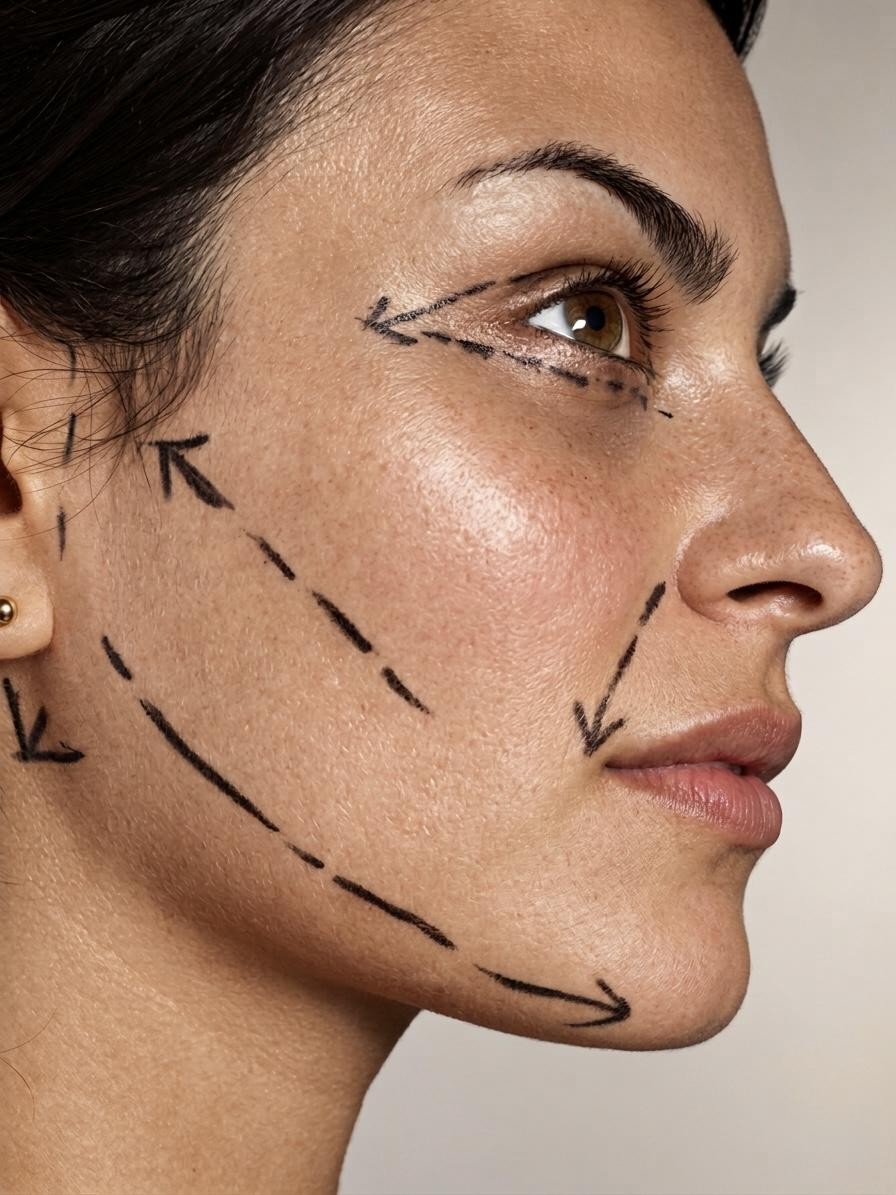
The modern facelift is no longer personified by tightness or extreme transformation. Instead, the modern facelift is rooted in precision, artistry, and restraint. At the forefront of this evolution is the deep plane technique, which restores youthful contours by repositioning the underlying facial structure rather than simply tightening the skin's surface.
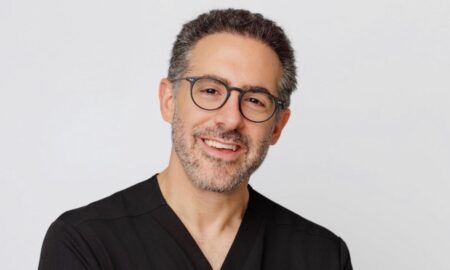
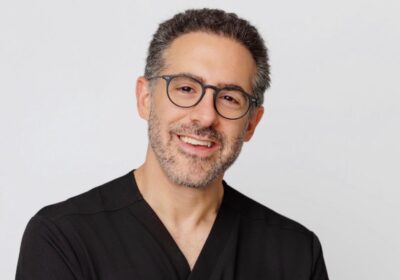
According to global expert Sam Rizk, MD, FACS, a double-board-certified facial plastic and reconstructive surgeon based in New York City, the goal is subtle yet powerful: to help patients look refreshed, natural, and entirely themselves.
Dr. Rizk weighs in on the most commonly asked questions from patients.
1. What is the best age to get a facelift?
There’s no one “perfect” age for a facelift because everyone ages differently due to factors like genetics, lifestyle, and skin quality – but patients usually begin considering surgery in their late 40s to early 60s, when sagging skin, jowls, and deeper folds become more noticeable.
However, we're seeing a growing shift toward earlier intervention. People are realizing that filler can only take you so far. Over time, repeated use can lead to “filler fatigue,” where the face appears overly full or less defined. At that point, a facelift can restore the foundation by repositioning deeper structures rather than continuing to add volume.
Patients who undergo surgery earlier often benefit from longer-lasting, more natural results due to better skin elasticity, but timing ultimately depends on anatomy, aging patterns, and personal goals.
2. How do I prepare for a facelift?
Preparation is critical to both safety and outcomes. We give our patients a detailed protocol in the weeks leading up to surgery to prepare them.
About two weeks prior, patients must discontinue blood-thinning medications and supplements like aspirin, ibuprofen, fish oil, vitamin E, and herbal products. I also advise avoiding alcohol and completely stopping nicotine, as both can significantly impact healing, increase bruising, and compromise results.
In some cases, I’ll recommend a pre-operative regimen, such as Vitamin C to support healing or mupirocin ointment to reduce the risk of infection. Certain medications, including hormone therapy, birth control, and weight-loss injections like semaglutide, may need to be paused under physician guidance.
In the final 48 hours, caffeine is eliminated, and patients must fast the night before. On surgery day, the skin and hair are cleansed with a prescribed antiseptic, and patients should arrive in comfortable clothing and plan for assistance during the first 48 hours.
The goal is to go into surgery in the best possible condition. When patients are properly prepared, it makes a meaningful difference in both recovery and results!
3. Are there any lifestyle changes I should make before having a facelift?
Long-term habits play a meaningful role in healing and longevity. A positive outcome doesn’t just depend on the surgery itself. Cutting out habits like smoking can be especially beneficial as nicotine restricts blood flow and delays healing.
Keeping your weight stable is also important because fluctuations can affect skin laxity and long-term results. Simple habits like eating well, staying hydrated, and being consistent with sun protection go a long way in supporting healing and help preserve your results over time.
4. What is the healing process like?
Recovery is often quicker and more comfortable than expected. We use advanced techniques, including tissue glue instead of drains, to reduce bruising, swelling, and infection risk.
Mild swelling, tightness, and bruising are expected in the first week, ice compresses are recommended for 48 hours, and patients should sleep with their head elevated for at least two weeks. A supportive dressing and neck wrap are worn continuously for the first week, then at night for several weeks. Most patients can shower within two days, but should avoid strenuous activity, bending, and lifting for three to four weeks.
Many patients feel ready to return to work and social activities within two weeks, although final results continue to improve over time.
5. How long will a facelift last?
A key advantage of the deep plane facelift is its longevity. This technique lifts the midface, softens nasolabial folds, and repositions deeper tissues as a single unit. We’re not just tightening skin, we’re restoring the underlying framework of the face, leading to more natural results that can last 10 to 15 years or longer.
To me, the best facelift is one you can’t see. At its core, this procedure should be about restoring balance and enhancing natural features. By addressing the deeper framework of the face, I aim to deliver results that preserve expression and movement, are subtle, enduring, and completely true to you.
For more information, visit Dr. Sam Rizk's social media: