





 Photo Credit: Shutterstock
The demand for facial rejuvenation continues to grow, but modern patients increasingly prefer subtle, non-surgical approaches rather than traditional invasive procedures. Advances in aesthetic technology have made it possible to lift, tighten, and rejuvenate the face with minimal downtime and natural-looking results. In 2026, non-surgical facelift treatments are more sophisticated than ever, offering solutions that stimulate collagen, restore facial volume, and improve skin quality without the need for surgery.
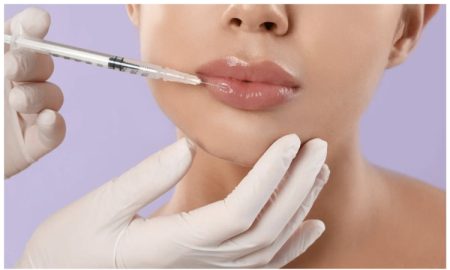
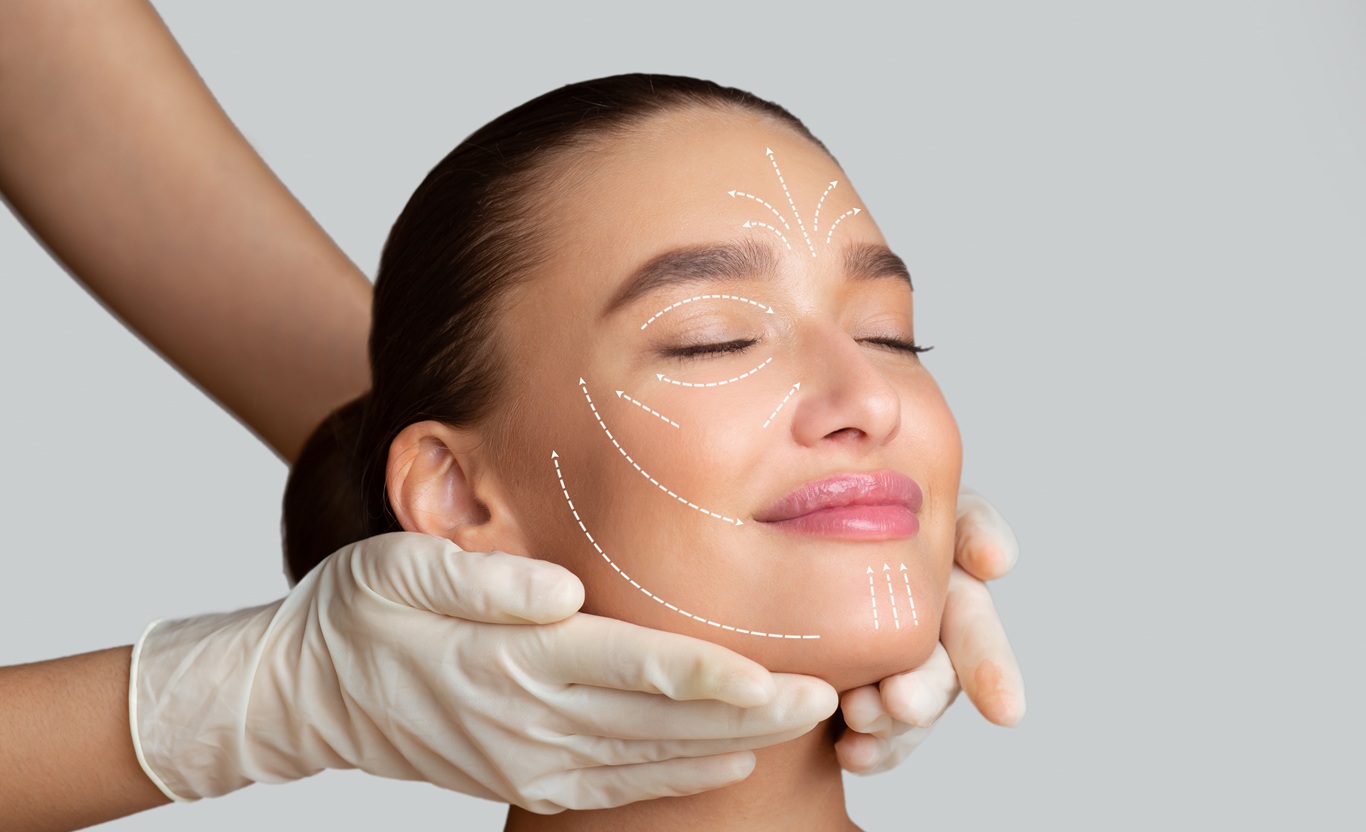
One of the most widely used non-surgical facelift treatments today involves dermal fillers. These injectable treatments help restore lost facial volume that naturally declines with age. As collagen and fat decrease, the face can begin to appear hollow or sagging. Strategic placement of fillers in areas such as the cheeks, temples, jawline, and chin can restore structure and create a lifted appearance. When performed by experienced practitioners, these treatments enhance natural contours without looking artificial.
Biostimulatory injectables are also gaining significant popularity. Unlike traditional fillers that simply add volume, these treatments stimulate the body’s natural collagen production over time. By encouraging the skin to rebuild its internal support structure, biostimulatory injectables gradually improve firmness and elasticity. The results appear more subtle and progressive, which many patients prefer.
Energy-based skin tightening devices are another major advancement in non-surgical facelifts. Technologies such as ultrasound lifting and radiofrequency therapy deliver controlled energy into deeper layers of the skin. This energy triggers collagen production and tightens underlying tissues, helping lift areas such as the jawline, neck, and cheeks. These treatments often require little to no downtime, making them attractive for individuals with busy lifestyles.
Thread lifts have also become an important option for patients seeking immediate lifting effects without surgery. During this procedure, dissolvable threads are inserted beneath the skin to gently reposition sagging tissue. The threads also stimulate collagen as they dissolve, which helps maintain improved skin firmness over time. Thread lifts can enhance areas such as the cheeks, brows, and jawline with relatively quick recovery periods.
Laser resurfacing treatments are frequently incorporated into non-surgical facelift plans as well. While lasers do not physically lift the face, they improve skin texture, tone, and elasticity. By stimulating collagen production and encouraging new skin cell growth, laser treatments can make the skin appear smoother, tighter, and more youthful.
Another important development in facial rejuvenation is the use of combination treatments. Rather than relying on a single procedure, dermatologists often design customized plans that combine multiple technologies. For example, fillers may restore volume while radiofrequency treatments tighten the skin and laser therapy improves texture. This layered approach allows practitioners to address different aspects of aging simultaneously.
Preventative aesthetics is also influencing how non-surgical facelifts are approached. Many patients now begin subtle treatments earlier, focusing on maintaining collagen levels and skin health before significant aging occurs. By addressing early signs of aging gradually, individuals can preserve a refreshed appearance without dramatic changes.
One of the key advantages of modern non-surgical facelift treatments is the ability to achieve natural results. Patients increasingly want to look refreshed rather than dramatically altered. Advances in aesthetic techniques now allow practitioners to enhance facial balance while maintaining individual features.
Safety and personalization are central to these treatments as well. Qualified dermatologists and aesthetic specialists evaluate facial anatomy, skin condition, and patient goals before recommending procedures. Customized treatment plans help ensure that results remain harmonious with each patient’s natural appearance.
As aesthetic technology continues to advance, non-surgical facelifts are likely to become even more refined. With innovations in regenerative medicine, collagen stimulation, and energy-based therapies, the future of facial rejuvenation is moving toward treatments that support the body’s natural healing processes.
In 2026, the best non-surgical facelift treatments offer a powerful combination of science and artistry. By stimulating collagen, restoring volume, and tightening the skin, these procedures provide effective solutions for individuals who want to maintain youthful, balanced facial features without undergoing traditional surgery.