









When you look in the mirror and see shadows under your eyes, it is natural to wonder, “Do I really look this tired?” Many people think of dark circles as something that simply appears when you do not get enough sleep, but in reality, the causes are far more complex. Skin structure, vascular health, pigmentation, changes in fat pads, and even systemic health issues can all play a role. This is why it is important not to dismiss dark circles as a trivial cosmetic concern, but instead to carefully distinguish and understand their underlying causes.
Thin Skin and Vascular Factors
The skin beneath the eyes is the thinnest on the face. Because of this, capillaries and veins beneath the surface are easily visible, and when blood flow becomes sluggish, bluish or purplish discoloration appears. This is commonly referred to as vascular dark circles.
Why does this happen? Common culprits include lack of sleep, chronic stress, and prolonged screen exposure that strains the eyes. Chronic inflammation such as allergic rhinitis is also a significant factor. Inflammation around the nose can dilate blood vessels and slow blood circulation, which in turn makes under-eye discoloration more pronounced. Many patients with allergies often complain that “the nasal symptoms are tolerable, but the dark circles are unbearable,” highlighting how significant this vascular component can be.
Pigmentation and Chronic Inflammation
Another major cause is pigmented dark circles. The periorbital skin is extremely sensitive to ultraviolet (UV) radiation. Inadequate sun protection or frequent sun exposure leads to excess melanin production, resulting in brown or black discoloration under the eyes.
Everyday habits can also contribute. Rubbing the eyes frequently—whether due to itching, irritation, or while removing makeup—can stimulate melanocytes and worsen pigmentation. Chronic inflammatory conditions such as atopic dermatitis or allergic dermatitis accelerate melanin deposition as well. Over time, the stratum corneum thickens and the skin surface becomes rough and dull, amplifying the appearance of darkness.
Fat Pad Changes and Shadowing
Dark circles are not always caused by pigmentation alone. With age, the orbital fat pads either descend or lose volume, creating hollows beneath the eyes. These depressions cast shadows when light hits the face, resulting in structural dark circles.
When this occurs simultaneously with wrinkles and decreased skin elasticity, the shadows appear even deeper, making the face look fatigued and aged. Many middle-aged individuals who suddenly notice worsening dark circles are actually experiencing volume loss and skin laxity in this region.
Systemic Health and Dark Circles
Dark circles often reflect more than just a local skin issue—they can also serve as a signal of systemic health. A classic example is anemia. Reduced hemoglobin impairs oxygen transport, leaving the skin pale while blood vessels remain more visible. This creates a paradoxical appearance that is both pale and dark under the eyes.
Endocrine and metabolic disorders can play a role as well. Thyroid disease and liver dysfunction are known to affect both vascular health and pigmentation, which can aggravate dark circles. In such cases, topical creams or cosmetic procedures alone will not resolve the problem; a systemic health evaluation and treatment are essential. In this sense, dark circles act as a kind of “warning light” from the body.
Lifestyle Habits for Prevention and Improvement
Managing lifestyle factors is the first step in alleviating dark circles.
- Adequate sleep: Simply avoiding late-night screen use can significantly reduce vascular congestion under the eyes.
- Regular exercise: Promotes healthy blood circulation, reducing vascular dark circles.
- Sun protection: Daily use of sunscreen is critical for preventing pigmented dark circles.
- Allergy management: Avoid rubbing the eyes, and treat allergic rhinitis or eczema early to prevent worsening of pigmentation and vascular dilation.
- Balanced nutrition: Vitamin C and vitamin K are essential for skin regeneration and vascular integrity, while sufficient protein intake supports overall tissue repair.
Professional Treatment Options
The most effective treatment depends on identifying the primary cause.
- Vascular dark circles: Cold compresses, lymphatic drainage massage, or procedures that enhance microcirculation such as vascular lasers or radiofrequency therapies may be beneficial.
- Pigmented dark circles: Topical brightening agents, chemical peels, laser treatments, or mesotherapy can be effective. Mesotherapy delivers brightening agents and nutrients directly into the dermis, helping to reduce melanin accumulation and improve skin vitality.
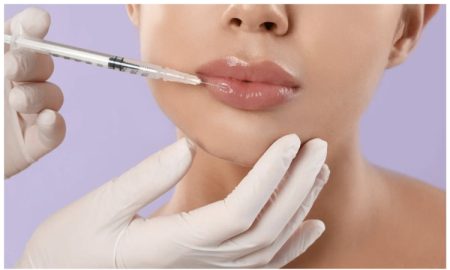
- Structural dark circles: When hollowing from fat loss or skin laxity is the cause, dermal fillers can restore volume, reduce shadows, and create a refreshed appearance. However, fillers should only be administered by experienced medical professionals to minimize risks and avoid overcorrection.
To Summarize
Dark circles under the eyes are not caused by a single factor, but rather by the interaction of skin structure, vascular health, pigmentation, fat redistribution, systemic health, and lifestyle habits. Identifying the predominant cause is the key to effective management.
With consistent lifestyle adjustments and, when necessary, professional treatments such as mesotherapy, brightening therapies, or filler injections, it is possible to achieve not only cosmetic improvement but also healthier, more vibrant skin around the eyes. Most importantly, dark circles should not be viewed only as an aesthetic issue, but as a potential signal of overall health. By paying attention to this signal, one can address both under-eye appearance and general well-being together.

Doctor's Talk
September 30, 2025Fat Grafting: Natural, Long-Lasting Facial Rejuvenation --