Chef Carl Engleman on Feeding Olympians, Tour de France Cyclists & Tom Cruise
Chef Carl Engleman reveals what it’s really like feeding Olympians, elite athletes, and Tom Cruise around the world.

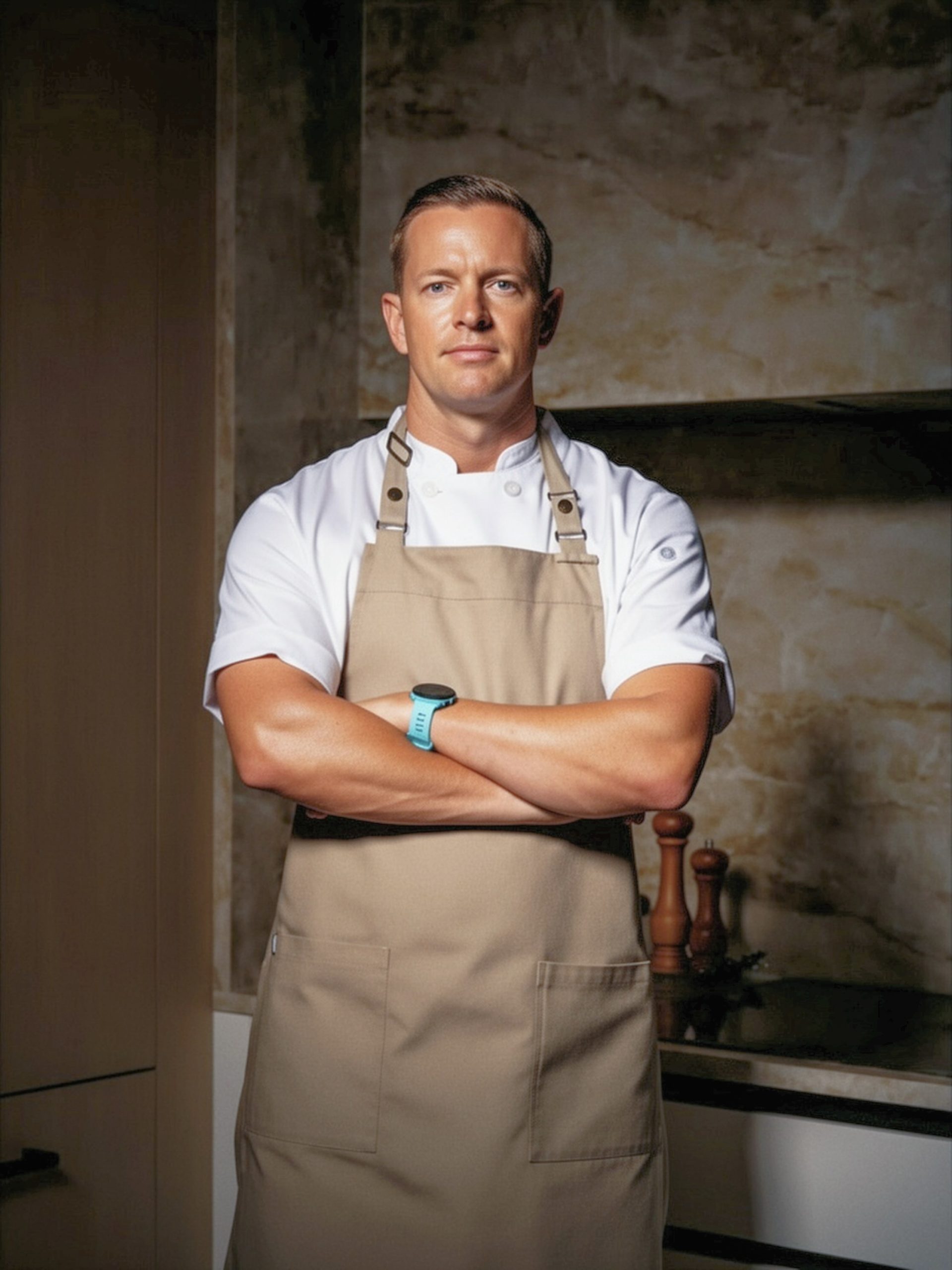 Photo Credit: Carl Engelman
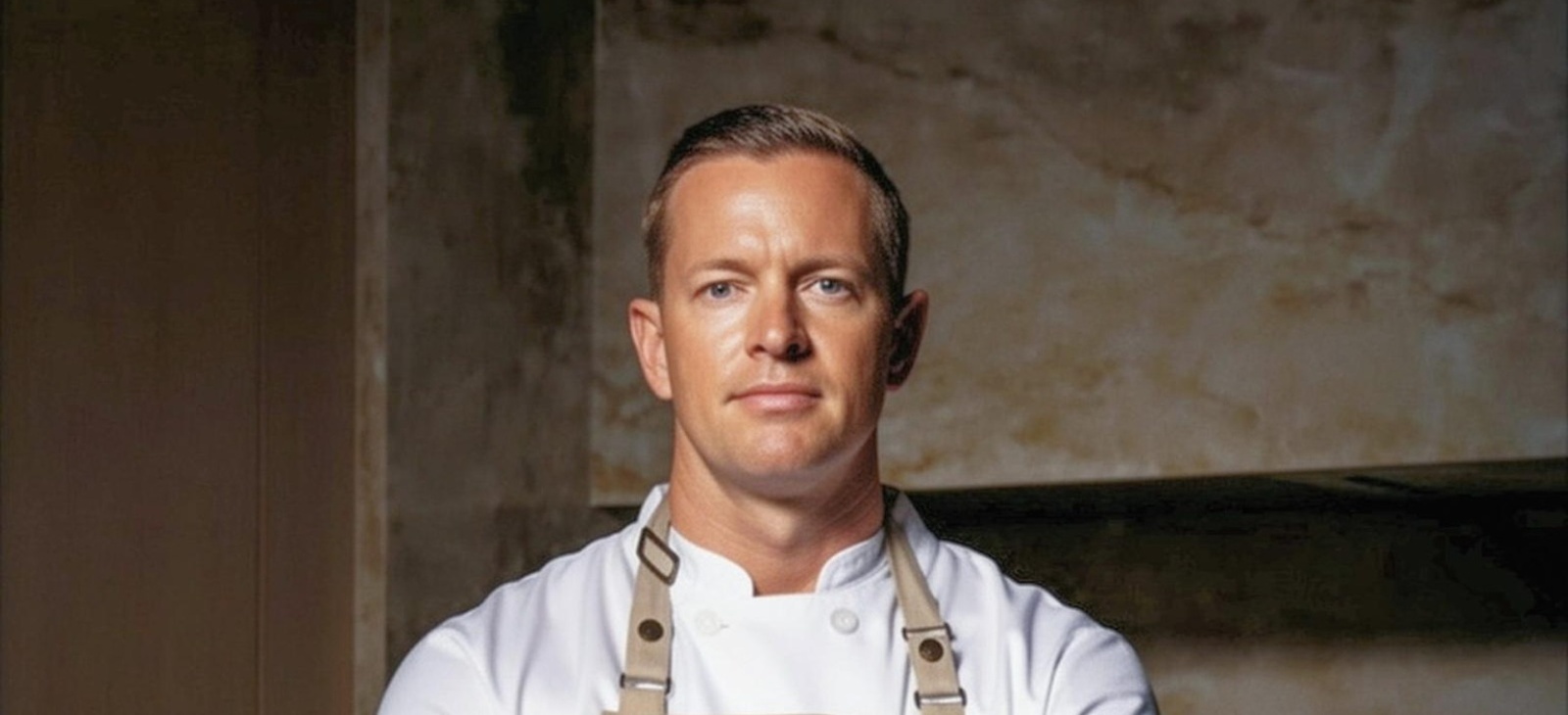
Chef Carl Engleman has spent the last two decades feeding some of the most elite athletes and high-performers on the planet — though “feeding” hardly feels like a big enough word for what he actually does. As one of the world’s leading performance chefs, Engleman operates in the high-pressure intersection of nutrition, psychology, logistics, and luxury hospitality, crafting meals designed not simply to satisfy hunger, but to optimize human performance at the absolute highest level. His résumé reads less like that of a traditional chef and more like that of a global operative: Head Performance Chef for Team GB at both the Tokyo and Paris Olympic Games, performance chef for Premier League football clubs and WorldTour cycling teams, support chef for the British & Irish Lions, and a trusted culinary presence for ultra-high-net-worth clients whose lives unfold everywhere from private islands to war zones.
But what makes Engleman fascinating isn’t simply the caliber of people he cooks for — it’s the world he inhabits behind the scenes. One week, he’s overseeing military-style feeding operations for hundreds of Olympic athletes inside a converted inner-city school. The next, he’s navigating remote mountain training camps in Switzerland, sourcing ingredients near the summit of a volcano in Tenerife, or evacuating an African island after kidnapping threats abruptly cut short a private client engagement. Add in months spent traveling across more than a dozen countries a year, cooking in unfamiliar kitchens under relentless pressure, and it becomes clear that performance cuisine is as much about adaptability and trust as it is about macros and calories.
And yet, for all the science involved, Engleman’s philosophy around food remains surprisingly emotional. “Food is mood,” he says repeatedly throughout our conversation — a deceptively simple idea that underpins everything from Olympic fueling strategies to pre-competition rituals and athlete superstitions. Because at this level, food is never just food. It’s routine. Comfort. Confidence. Stability. It’s the one variable elite athletes can control in moments where everything else feels impossibly high-stakes.
In this conversation, Engleman opens up about what really happens behind the scenes at the Olympics, the intense logistics of feeding Tour de France cyclists, what Tom Cruise has in common with elite athletes, why the smallest nutritional tweaks can completely transform performance, and the wild realities of a career that has taken him everywhere from South Korea red carpets to missile-alert lockdowns in Israel. The result is a fascinating glimpse into a world most people never see — one where breakfast can become strategy, a snack can change an athlete’s entire training session, and the pursuit of peak performance extends far beyond the gym.
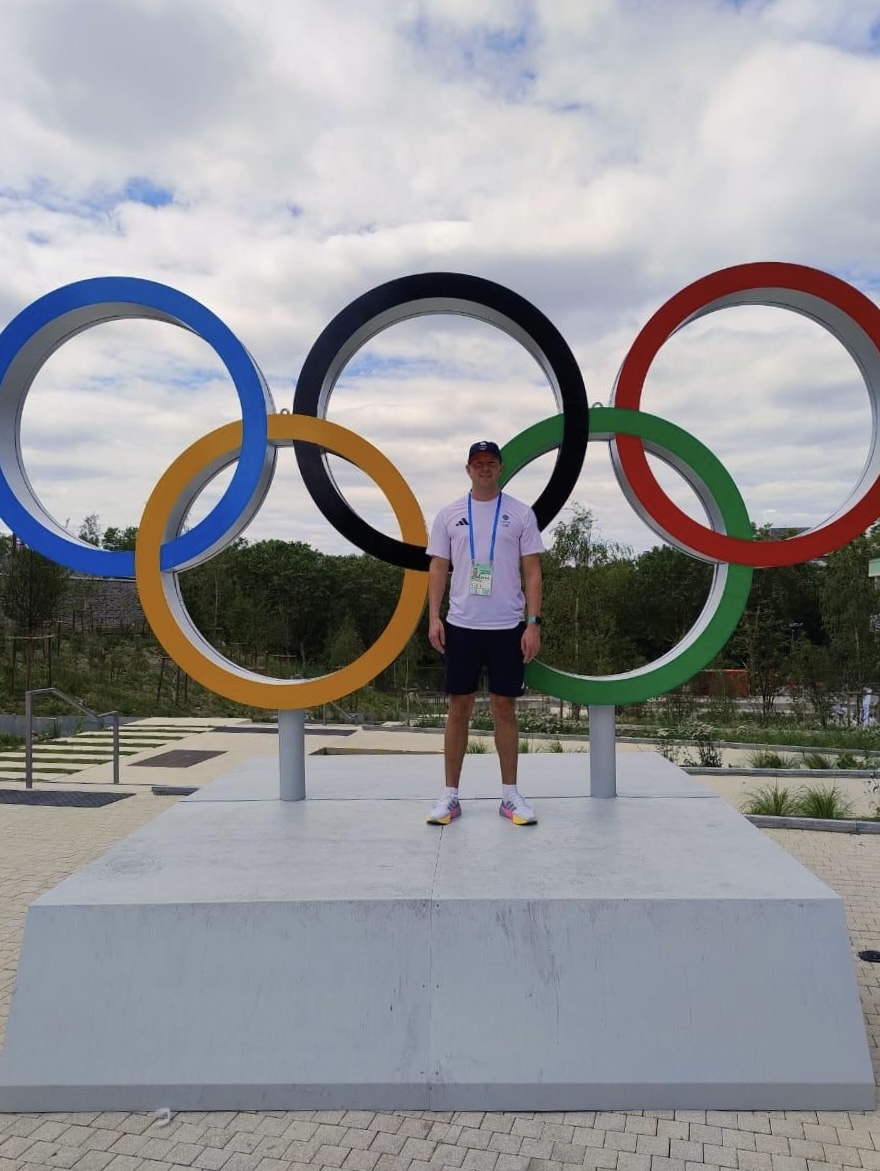 Photo Credit: Carl Engelman
What first drew you into performance cooking rather than traditional restaurant kitchens?
Honestly, “performance chef” wasn’t even a profession 20 years ago. The role barely existed. I came up through traditional kitchens, but the turning point was an opportunity to cook for a football club in my home city. Football was my sport growing up, so the appeal was obvious, but what I didn’t expect was how quickly I’d get pulled into the bigger picture. The science of nutrition, the psychology of fuelling, the way one meal can shape a training session or a result on the pitch. That curiosity has carried me for two decades and across more than a dozen countries a year.
How much of performance nutrition is psychology versus the food itself?
A mentor of mine, Professor Graeme Close, one of the UK’s leading sports nutrition academics, has a phrase I’ve adopted as a philosophy: food is mood. We toured Australia together recently with a team, and it underpinned everything we did. You can hit every macro perfectly on paper, but if an athlete doesn’t enjoy what’s in front of them, you’ve already lost half the value. Performance nutrition is as much about confidence and comfort as it is about calories.
What’s the smallest nutritional adjustment you have seen make a major impact on performance?
I have spent winters with a ski academy training in the Swiss Alps, and we noticed mental and physical fatigue creeping in. The athletes were training at over 3,500 metres, which burns through energy reserves quickly, and base camp, where meals were served, could be hours away from the slopes. The fix was almost embarrassingly simple. We introduced functional, high carb on-the-mountain snacks they could eat between runs. Within days, the difference in their afternoon training quality was night and day. Sometimes the smallest interventions move the needle the most.
Which athletes are the most challenging to cook for, and why?
Every sport brings its own challenge. With a WorldTour cycling team at the Tour de France, it’s almost entirely logistical. You’re moving the whole operation to a new town every night, cooking out of unfamiliar kitchens, and the riders need staggering calorie loads timed to the minute. With a US-based athlete I’ve been working with recently, the challenge is precision. Every plate has to hit very specific macronutrient targets, so the cooking process becomes almost laboratory-like. Same job, completely different problems to solve.
How different is cooking for Olympians compared to footballers, rugby players, or cyclists?
The food styles, the nutrition strategies, the travel demands all vary. But what makes the Olympics unique is the weight of the moment. These athletes have trained for four years, sometimes their entire lives, for a window of competition that might last nine seconds or nine minutes. You feel that responsibility in the kitchen. Your job is to make sure nothing on the plate is the reason they don’t perform at their absolute peak.
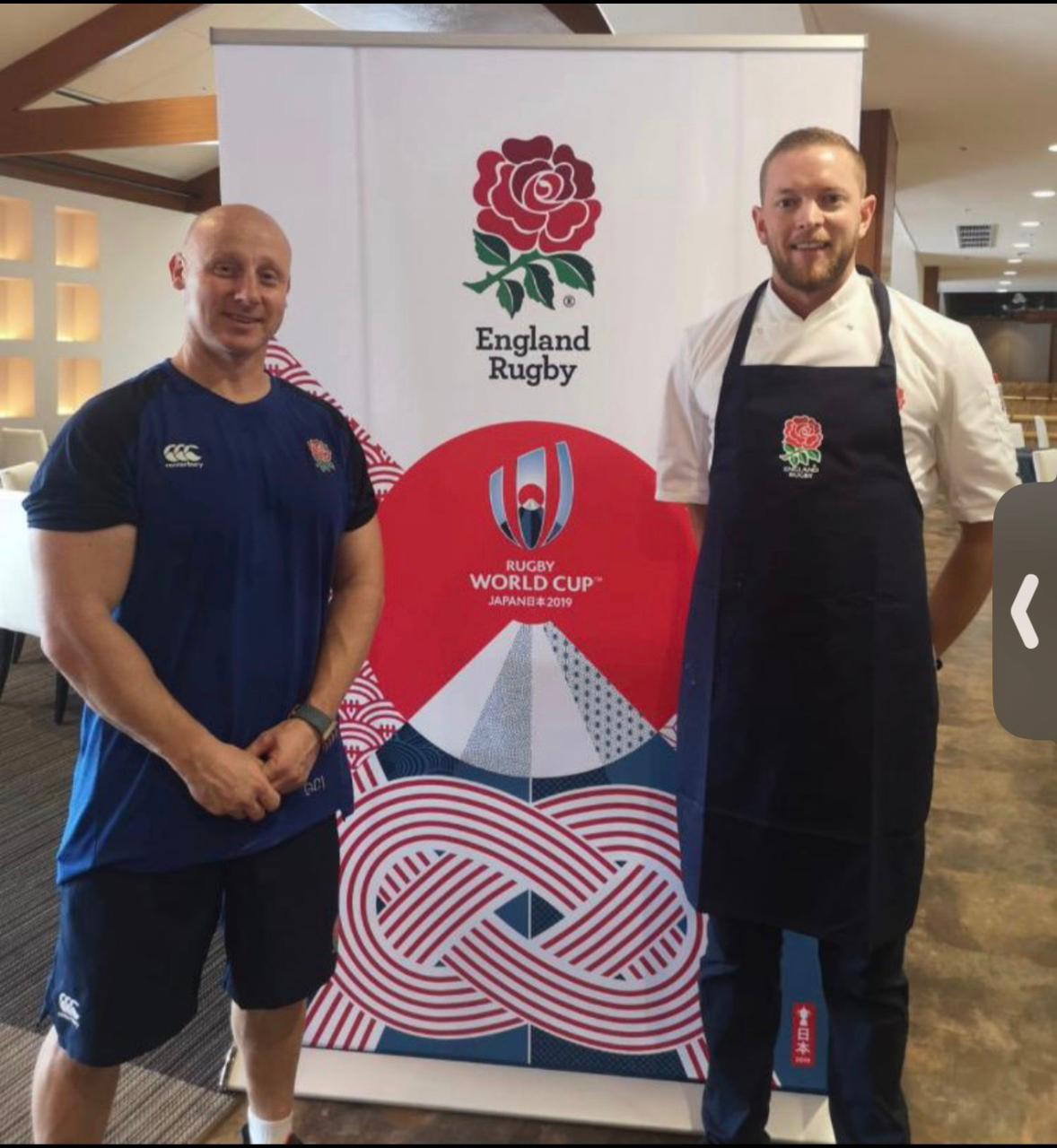 Photo Credit: Carl Engelman
What does feeding athletes at the Olympics look like behind the scenes?
I was fortunate to be Head Performance Chef for Team GB at both Tokyo 2021 and Paris 2024. What most people don’t realise is that the British Olympic Association takes over an inner-city school and transforms it into what we call the Performance Lodge, a full world-class facility with gyms, a medical centre, sleep pods, boxing rings, recovery suites, and the restaurant operation I’m responsible for. Working alongside the nutritionists, we were fuelling up to 400 athletes a day across multiple sittings and dietary protocols. It’s part fine-dining service, part military logistics. The next stop is here in the US, Los Angeles 2028.
How superstitious are athletes about food and pre-competition routines?
More than you’d think. Some athletes are absolute creatures of habit. The same breakfast on competition day, the same coffee, the same plate at the same time. It’s not really about the food at that point; it’s about removing one more variable from a day already full of them. My job is to be the consistency they can rely on.
Have you ever had an athlete panic over a meal before a major event?
Panic is the wrong word. These are some of the most mentally disciplined people on the planet. But nerves are real, and they’ll check in, ask questions, want reassurance about timing or ingredients. The trick is building enough trust early in the relationship that by the time the big moment comes, the food isn’t something they have to think about at all.
You spend much of your life traveling. How do you adapt to constantly changing kitchens, countries, and environments?
Adaptability is the entire job. You have to walk into any kitchen, anywhere in the world, and perform. Learning to say good morning, please, and thank you in the local language will carry you further than people think. Respect travels well. My first work trip was three days in Split, Croatia, and it felt like three months. Now I’ll spend two months in a country and barely notice. It’s all reps.
What’s the strangest or most difficult location you have ever had to cook in?
I was working in Israel during the conflict last year, and we experienced multiple missile alerts, which was as daunting as it sounds. And earlier I had a month-long engagement on a remote island off the coast of Africa that ended abruptly when credible kidnapping threats forced an immediate evacuation. You don’t get those stories while cooking in a restaurant.
Has global travel changed the way you think about food and nutrition?
Completely. Travel broadens you, and as a chef you genuinely never stop learning. Every hotel kitchen, every restaurant meal, every conversation with a local chef or nutritionist becomes muscle memory you draw on later. The job is essentially being a sponge, collecting ideas in Tokyo and applying them in São Paulo, picking up a technique in Sydney and using it in Switzerland.
Which country has influenced your cooking style the most?
Japan, without question, though not just for the cooking itself. Watching Japanese chefs work taught me about discipline. The calm, the meticulousness, the respect for every ingredient and every colleague in the kitchen. It changes how you carry yourself, not just how you cook. And living in the Middle East for the past four years has transformed my use of spice. My pantry now would be unrecognisable to me a decade ago.
 Photo Credit: Carl Engelman
What is the most difficult place you have ever had to source ingredients?
Mount Teide, the dormant volcano on Tenerife. We were based near the summit, and getting down to the food markets and back was almost a full day’s round trip. You learn very quickly to plan three days ahead and never forget a single item on the list.
How do you balance strict performance nutrition with making food genuinely enjoyable?
My belief is you can create an athlete version of almost any dish. Deconstruct the recipe, swap a few ingredients, change the cooking technique, and suddenly something indulgent becomes performance-friendly without feeling like a compromise. Athletes don’t want to feel like they’re being punished by their plate. The best performance food doesn’t taste like performance food at all.
What do elite athletes tend to crave when they are off duty?
A burger or a pizza, same as the rest of us. Though one thing people don’t realise is that a lot of athletes actually eat lighter on a rest day, because they’re not burning the same energy. The proper indulgence, what civilians would call a cheat meal, usually comes after the competition, not before.
Was working with Tom Cruise different from working with athletes? How, if so?
Remarkably similar, actually. Operationally and systematically, Tom is an elite athlete. He does all his own stunts and trains accordingly. I supported him for a short period during one of the Mission: Impossible tours. We spent time in South Korea, and I got to experience the red carpet at the premiere.
What’s the biggest misconception people have about performance nutrition?
That there’s a single “right” way to do it. People assume performance nutrition is one rigid formula, the same protein shake, the same chicken and rice, the same restrictive plate for every athlete. The reality is the opposite. It’s deeply individual. What fuels a Tour de France cyclist would sink a sprinter. What works for one rugby player in pre-season might be wrong for him in the playoffs. The skill of the job isn’t following a rulebook. It’s reading the athlete, the sport, the moment, and adjusting constantly. Performance nutrition is far more art than science, even if the science underpins everything.
What food or wellness trend do you think is overrated?
Anything that comes in a package telling you what it’ll do for your body. Eat fresh produce in its natural state, that’s it. My grandparents grew all their own fruit and vegetables, and I think we’d all be healthier if we returned to something closer to that way of living. The most cutting-edge nutrition advice is often the oldest.
 Photo Credit: Carl Engelman
What is one meal you have had while traveling that you still think about?
My partner is from Goa, so we travel there often, and I still think about the fish curries. That combination of coconut, tamarind, and fresh-caught fish you simply can’t replicate anywhere else. There’s something about eating a dish in the place it was born that ruins every other version for you.
After two decades in this world, what still excites you most about the job?
The travel and the people, always. But honestly, what keeps me going is the fulfilment of being one small cog in the wheel of a high-performance team all striving for the same thing. When the medal is won, or the title is lifted, you know you played a part, even if it was just making sure someone’s breakfast was perfect on the day that mattered most.
 Photo Credit: Carl Engelman
Latest from Haute Living
VRAI’s New Tennis Bar is the Ultimate Custom Diamond Experience
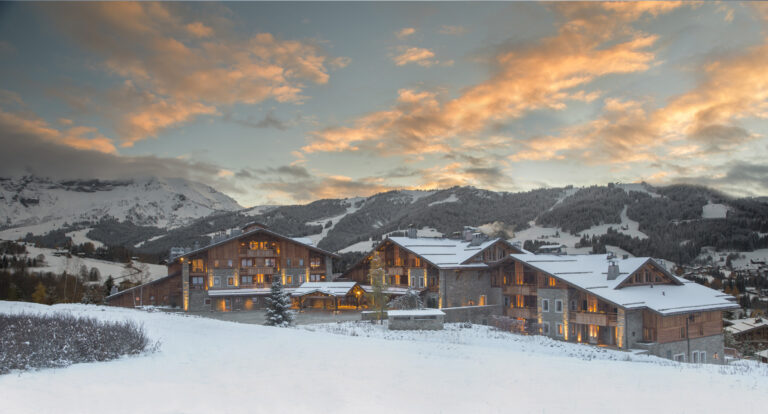
The 20 Most Luxurious Ski Hotels in the World

The Final Chapter of Tiffany’s Blue Book 2026 Includes a 37-Carat Rose Quartz Brooch