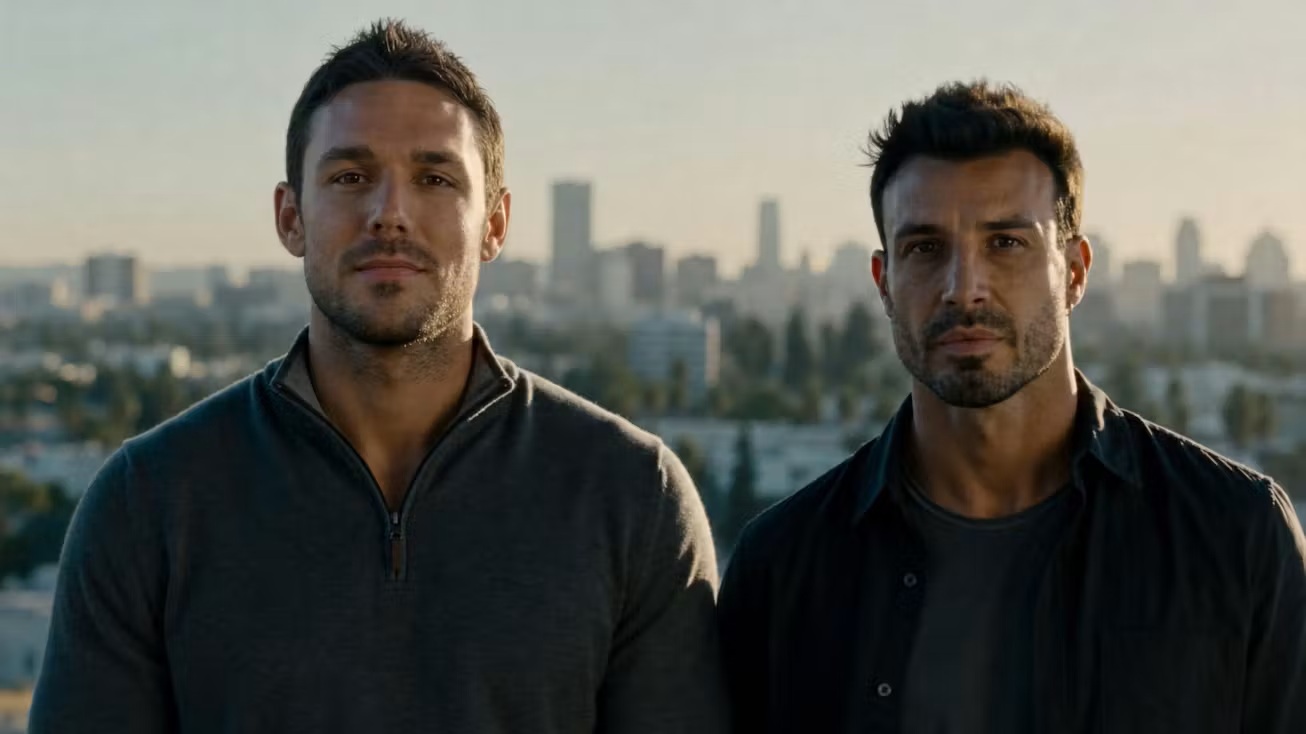
Flik Founders Brennan Erbz and Stafford Schlitt on Hollywood’s AI Future
Flik founders Brennan Erbz and Stafford Schlitt discuss AI-powered storytelling, creator ownership, and the future of content creation.
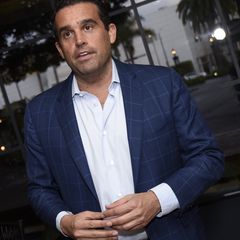
In an era where artificial intelligence is reshaping every corner of business and culture, Flik is positioning itself as something far more ambitious than another AI tool. Founded by Stafford Schlitt and Brennan Erbz, the rapidly growing platform enables creators, brands, and entrepreneurs to transform simple ideas into fully realized films, commercials, animated series, music videos, podcasts, and more, without the traditional barriers of budgets, production teams, or studio access. With a waitlist that surpassed 50,000 users, Flik is emerging as one of the most talked-about names in creative technology. Schlitt and Erbz discuss democratizing storytelling, protecting creators, and why they believe the future belongs to anyone with an idea worth bringing to life.
HL: What can Flik do?
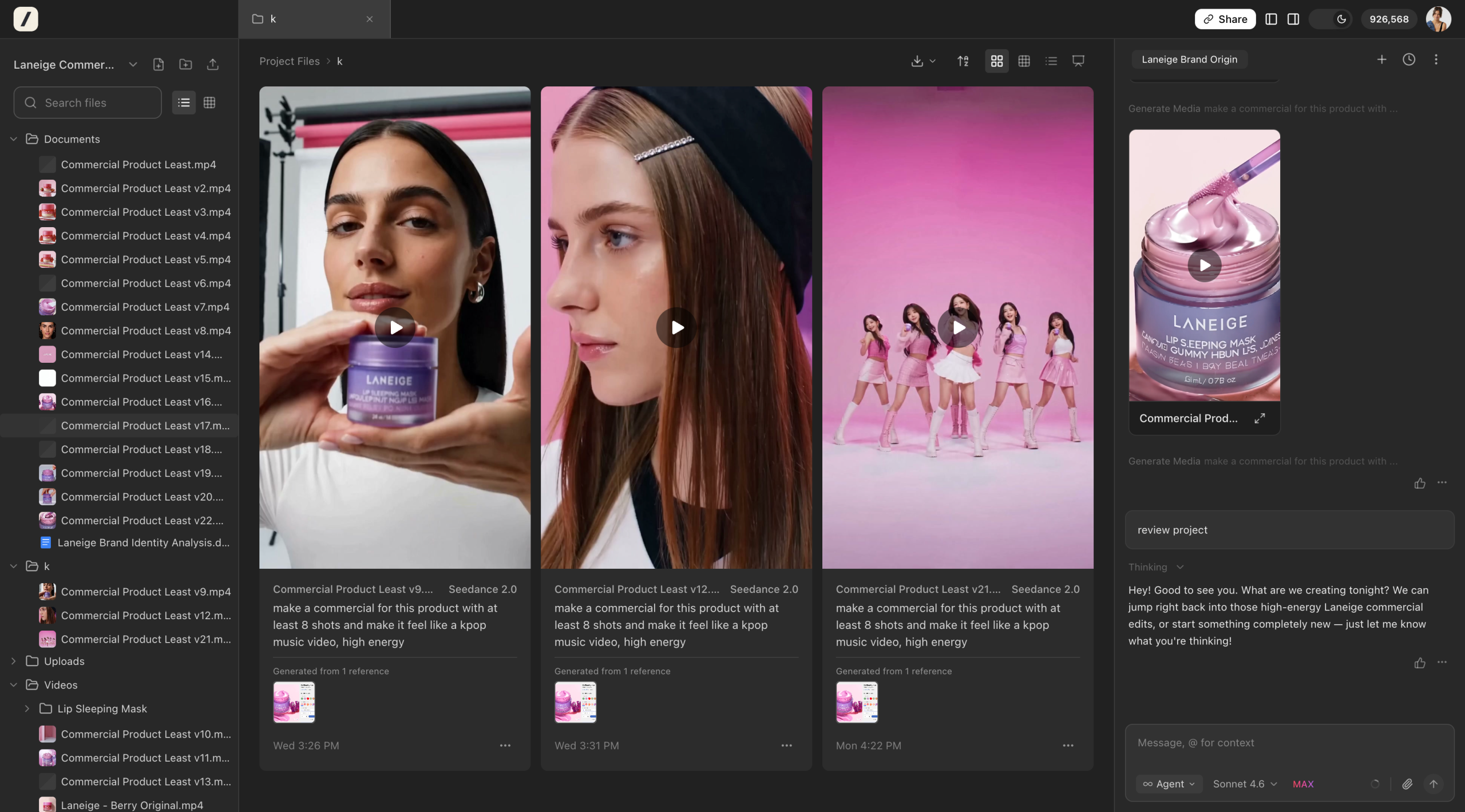
Brennan Erbz: Flik makes finished, ready-to-watch work, not raw clips you still have to stitch together. You give it an idea and it builds the whole thing for you. A 20-minute animated episode. A commercial for your product, shot, edited, and graded. A music video. A children’s
book with every illustration. Three months of social content in an afternoon. It works across text, image, video, audio, and music, so the same place that writes your script also composes the music and cuts the final edit. For most of history the thing standing between a person and their idea was money and people. You needed a crew, a studio, a budget, and someone’s permission. We pulled all of that out of the way. Now the only thing deciding whether your idea exists is whether you care enough to make it. That’s a bigger deal than it sounds, because the world has lost an enormous number of beautiful things simply because the person who imagined them couldn’t afford to build them. Flik is us trying to make that stop.
HL: There’s a 50,000 person waitlist? How does one get access?
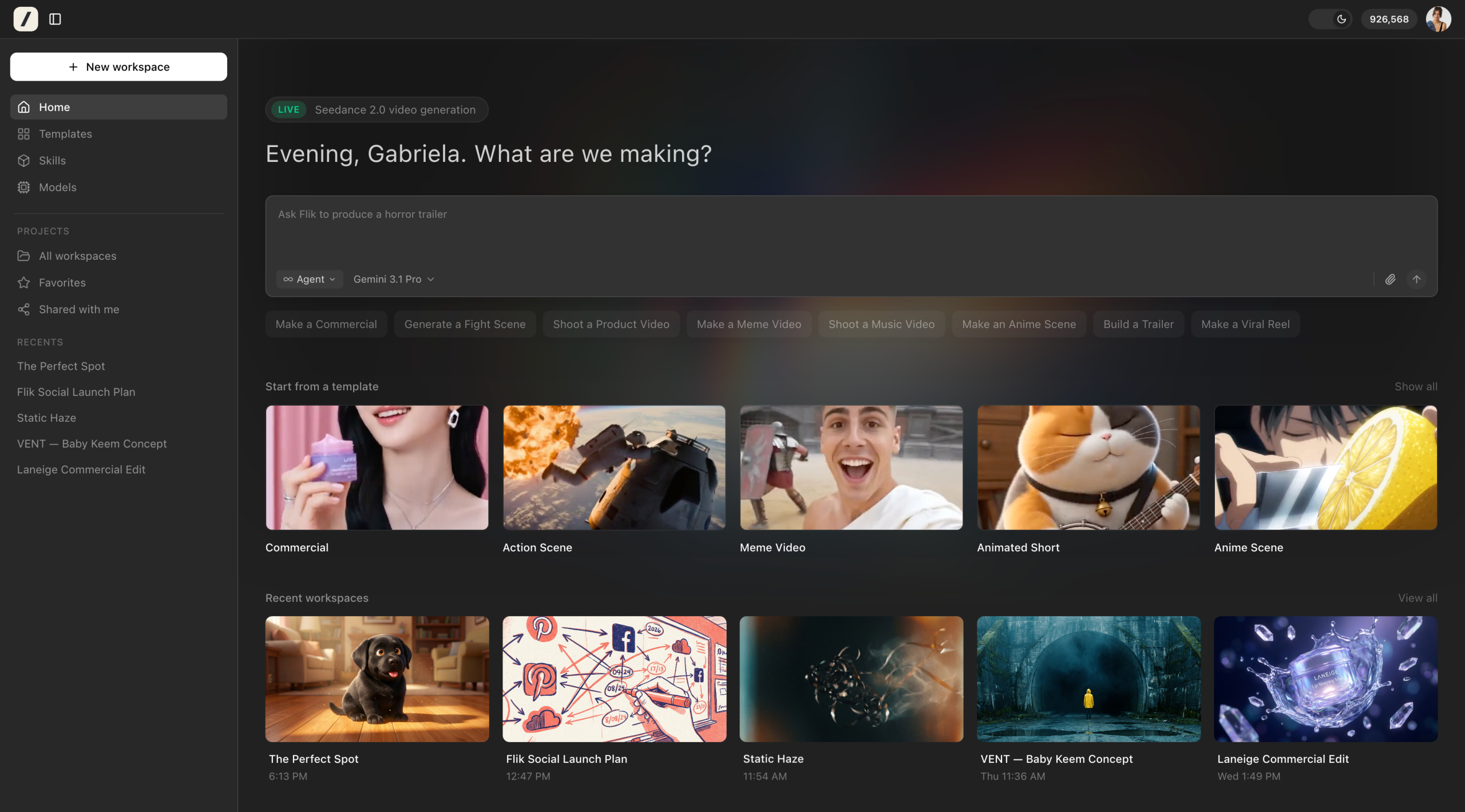
Stafford Schlitt: The waitlist got to about 50,000 people before we opened the doors, and that number still means a lot to us, because it was people raising their hand before we’d even let anyone in. The good news is you don’t have to wait anymore. You can sign up at our site
and start today. We held the line for a while because we wanted every person who walked in to have a real experience instead of getting rushed through a turnstile, and now that the platform holds up, we let everyone in. The response has been honestly a little staggering, more people are coming in every week than we expected, and the platform is holding up beautifully. But the part that matters to me isn’t the curve, it’s what it means. Every one of those signups is a person who had something they wanted to make and finally has a way to make it. That’s the whole thing we set out to do, and watching it actually happen at this speed is the best feeling in the world.
HL: What celebrities are involved or using it?
Brennan Erbz: There’s real talent in the early group, and I love that they’re here, but I’m not going to list names, because the people making things on Flik should get to introduce that work themselves. What I’ll say is the early users are people who genuinely care about craft, directors, musicians, agency creatives, the ones who were tired of how slow and
expensive it’s always been to make something good. And the honest truth is the part I’m most excited about isn’t the famous names. It’s the person nobody’s heard of yet who’s about to make something that changes that. The whole point of what we’re building is that you don’t need to already be somebody to make something extraordinary.
HL: Any big brands tap in yet?
Stafford Schlitt: Yes, and it’s been one of the most rewarding parts so far. Brands and agencies live with a problem most people never see, they need an enormous amount of content and they can only ever afford to make a sliver of it, so their best ideas die on a spreadsheet. One branding agency ran several full commercials through Flik in the last month, work that used to mean months and a serious budget each. That demand is showing up in the numbers, too. We went from about $300,000 to $2.5 million in annual revenue in the last three weeks, and almost all of it is people and brands paying to make real work. Watching a team actually make the things they’d been sitting on, that’s the part that gets me. And it points at where this all goes. When making something stops being the expensive part, everybody with a real idea finally gets to use it, not just the ones who could afford to.
HL: What’s the coolest thing you have made?
Brennan Erbz: An animated short of Jonah and the whale. It’s a story everybody half-remembers, the man swallowed by a giant fish, and I wanted to see if we could actually build it, the storm, the sea, the whale, the whole thing, with real animation and an original score behind it. And we did, start to finish, on the platform. I’ll be honest, the first time I watched it back I got a little emotional, because a story that old usually takes a studio and a year and a room full of animators, and here it was, made by a small team directing the system. What got me wasn’t the technology though, it was the feeling that a story people have told for thousands of years could be brought to life by anyone who loves it enough to try. That’s the part that matters to me. There are millions of stories like Jonah, ones people carry around and never get to see made, and for the first time that’s not a money problem anymore. Think about what a kid with a wild imagination and no budget makes five years from now. That’s the future I actually care about.
HL: How does Flik work? Can you guide us through the product and what it makes?
Brennan Erbz: It feels less like a tool you operate and more like a studio that already knows its job. You bring an idea and it develops it with you. Your characters stay who they are from scene to scene, your world gets built and remembered instead of starting over every time, and the script, the storyboards, the edits, and the score all live together in one place. There’s a real editor if you want to get in and shape it frame by frame, and when it’s done you can publish straight out. Your role is the one that actually matters, you’re the director. You bring the vision and the taste, and the system carries the labor. That’s the relationship we wanted, the human stays in charge of the meaning, and everything that used to exhaust people gets handled. It runs the same way whether you’re making a music video, a game, a podcast, or an ad.
HL: How do you keep people from using brands, names, or likeness they aren’t allowed to?
Stafford Schlitt: This is the part I lose the most sleep over, and I mean that in a good way, because getting it right matters more than almost anything else we do. The platform blocks real faces, turns down prompts that reference specific real people, and refuses copyrighted
characters and brands at the moment of creation, not with a takedown after the damage is done. The way we say it inside the company is that the maker’s IP is sacred. Your work never trains our models, it’s encrypted, and it’s watermarked back to you. We chose this on purpose, early, because trust is the foundation everything else sits on. If creators and studios can’t trust the place they’re building in, none of the rest matters. We’d rather be the platform people feel safe bringing their best work into than the one that moves fast and burns that trust.
HL: Do you think an AI actor could ever be more popular than a well-known human actor?
Brennan Erbz: Maybe one day, but I genuinely don’t think that’s the right way to look at it. People have always loved characters who were never human, animated ones, puppets, voices in a booth. We fall for the character, not the biology. So could a synthetic one become beloved? Sure. But I don’t read that as a human actor losing anything. I read it as more characters in the world for people to love, not fewer. Talent doesn’t disappear in that world, it gets more room to work. The thing that actually changes is that you no longer need a studio’s blessing to create the next great character. And to me that’s the hopeful version of all this, more creators, more icons, more stories, coming from more places than the few that used to hold the keys.
HL: People fear AI, but this feels like a positive step if used properly?
Brennan Erbz: I understand the fear, and I’d never wave it off, because a lot of AI really has been aimed at replacing people or drowning the world in cheap, forgettable stuff. We set out to build the opposite of that. Nothing here is being torn down, something new is being built right next to it. Flik actually started with a nightmare I had about a world with no stories, no books, no films, no music, just this flat, hollow place, and I woke up certain that stories are the things that make a life feel like a life. So when you ask about using this properly, that’s the whole game to me. Used properly, more people get to make the things they carry around in their heads, and humanity ends up with more stories, in more forms, not fewer. I want everyone to walk away with their own studio, and I mean that literally. If we pull that off, that empty world I dreamed about gets further away every single year. https://www.flikai.com/
Latest from Haute Living

José Andrés is Bringing Bazaar Back to Miami Beach With Bazaar Meat
Audemars Piguet Turns the Royal Oak Into High Jewelry—Exclusively Selling Them in Private

Haute Living Joins Miami’s Business Owner Strategy Summit This November