Dermatology
Melasma Treatment Options: What Dermatologists Consider
Published · Haute MD Editorial Team
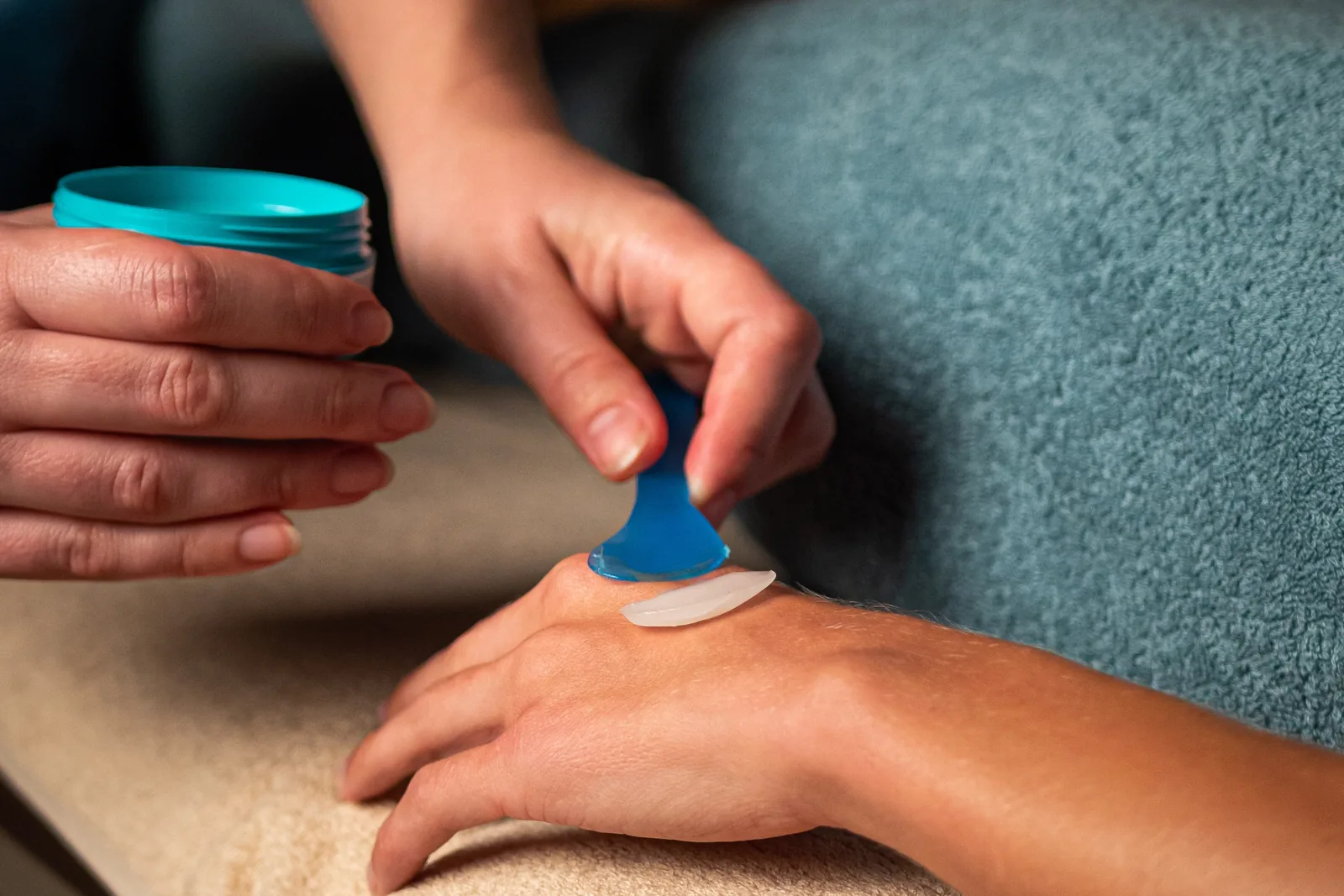
Melasma is usually treated with a combination: strict daily sun protection (including tinted sunscreen with iron oxide), a prescription cream such as hydroquinone or a triple-combination cream, and, for stubborn cases, an in-office procedure such as a chemical peel, microneedling or a laser, or oral tranexamic acid. The American Academy of Dermatology (AAD) says no single treatment works for everyone, results usually take 3 to 12 months, and melasma often comes back with sun exposure or hormonal triggers, so most plans include maintenance. A board-certified dermatologist tailors the plan to your skin tone, how deep the pigment sits and your triggers.
At a glance
| Option | What it is | Status / notes |
|---|---|---|
| Sun and visible-light protection | Broad-spectrum SPF 30+, tinted sunscreen with iron oxide, hats, shade | Foundation of every plan (AAD) |
| Hydroquinone | Prescription lightening cream | No longer sold without a prescription (AAD; FDA) |
| Triple-combination cream | Hydroquinone + tretinoin + a corticosteroid | Tri-Luma, the only FDA-approved drug containing hydroquinone, is approved for short-term use in moderate-to-severe facial melasma (FDA) |
| Tretinoin + mild corticosteroid | Retinoid plus anti-inflammatory | Prescription option (AAD) |
| Gentler agents | Azelaic acid, kojic acid, vitamin C | Often used when skin is sensitive (AAD) |
| Chemical peel | Chemical solution applied to remove excess pigment | Add-on in a dermatologist's office (AAD) |
| Microneedling | Tiny controlled injuries that heal with more even tone | Add-on (AAD) |
| Laser and light | Device treatments | Some studies show added benefit with creams and sun protection (AAD) |
| Platelet-rich plasma (PRP) | Your own plasma injected into the patches | Add-on (AAD) |
| Tranexamic acid | Cream or, more often, a pill | For hard-to-treat melasma; the pill's FDA-approved use is heavy menstrual bleeding (off-label here) |
Sources: AAD, FDA, MedlinePlus (see Sources).
Step 1: Confirm it's melasma
A dermatologist can often diagnose melasma by looking at your face and neck. The AAD says a Wood's lamp or dermatoscope helps show how deep the pigment reaches, which shapes treatment, and a small skin biopsy may be done if it could be another condition. Melasma typically appears as symmetrical brown patches on the cheeks, forehead, nose or upper lip (MedlinePlus). For what triggers it, see What Causes Melasma?.
Step 2: Address triggers
Melasma is linked to sun exposure, pregnancy, hormonal medicines such as birth control pills and hormone therapy, and stress (AAD; MedlinePlus). MedlinePlus notes it often fades over several months after a pregnancy ends or hormone medicines are stopped, and can return with a later pregnancy or renewed use. Don't stop a prescribed medicine on your own; ask the prescribing doctor about alternatives.
Step 3: Daily sun and visible-light protection
Sunlight makes the skin produce more pigment, which darkens existing melasma and causes new patches. The AAD advises:
- Broad-spectrum, water-resistant sunscreen, SPF 30 or higher, applied 15 minutes before going out and reapplied at least every two hours.
- Tinted sunscreen with iron oxide, because visible light can worsen melasma, especially in darker skin tones. Sunscreens with zinc oxide or titanium dioxide are often recommended.
- A wide-brimmed hat, UV-protective sunglasses and shade.
- No tanning beds or sunlamps, which can worsen melasma and keep treatment from working.
Without this step, other treatments tend to fail.
Step 4: Prescription creams
Most patients receive a prescription medicine to apply at home (AAD):
- Hydroquinone. A common melasma treatment that evens skin tone. Since the CARES Act took effect, FDA says over-the-counter skin-lightening products with hydroquinone are unapproved and can't be legally sold; the AAD says it is no longer available without a prescription. FDA has warned that some illegally sold OTC products can cause harm, including ochronosis (a bluish-black skin discoloration) that may be permanent.
- Triple-combination cream. Hydroquinone, tretinoin and a corticosteroid together. FDA says Tri-Luma is currently the only FDA-approved drug containing hydroquinone, a prescription product approved for "short-term treatment of dark spots associated with moderate-to-severe melasma of the face," to be used under a clinician's supervision.
- Tretinoin with a mild corticosteroid.
- Gentler options: azelaic acid, kojic acid or vitamin C, often for sensitive skin.
The AAD recommends applying products in this order: melasma medicine, then sunscreen, then camouflage makeup. Choose gentle, fragrance-free skin care; products that burn or sting can irritate skin and darken spots.
Step 5: In-office procedures for stubborn melasma
When creams and sun protection aren't enough, the AAD lists add-on procedures:
- Chemical peel, to help remove excess pigment. See What Is a Chemical Peel?.
- Microneedling, which tends to heal with more even tone.
- Laser and light treatments. The AAD says a few studies found that adding them improved results for patients already using medicine and sun protection. Settings matter; ask how your dermatologist adjusts for your skin type. See What Is Fraxel Laser?.
- Platelet-rich plasma (PRP), plasma from your own blood injected into the affected skin.
The AAD says only a board-certified dermatologist should perform these procedures for melasma.
Step 6: Tranexamic acid for hard-to-treat cases
For melasma that resists other treatment, the AAD says a dermatologist may discuss tranexamic acid, applied to the skin or, more often, taken as a pill twice a day, usually alongside the triple-combination cream, sun protection and iron-oxide makeup. In studies it reduced melasma patches when other treatments failed.
Two FDA facts matter here. Oral tranexamic acid (Lysteda) is FDA-approved for cyclic heavy menstrual bleeding, so prescribing it for melasma is off-label. Its label lists contraindications including combined hormonal contraception and active or past blood clots or an intrinsic clotting risk. The AAD says to tell your dermatologist if you've had a blood clot.
Results, recurrence and maintenance
- Timeline: usually 3 to 12 months, longer for long-standing melasma (AAD).
- Recurrence: common with sun exposure or hormonal changes (MedlinePlus).
- Maintenance: year-round sun protection and, often, a maintenance cream.
- Camouflage: tinted sunscreen or makeup can even tone while treatment works.
- Cost and insurance: the AAD notes melasma treatment usually isn't considered medically necessary, so most insurers don't cover it. Ask about costs before starting.
Questions to ask your dermatologist
- Is this melasma, and how deep is the pigment?
- What's my sun- and visible-light-protection plan?
- Which prescription cream do you recommend, for how long, and what are the side effects?
- If I need a procedure, which one, and how do you adjust it for my skin tone?
- Am I a candidate for tranexamic acid given my medical history and contraception?
- What's the maintenance plan once my skin clears?
- Is anything different if I'm pregnant, planning a pregnancy or breastfeeding?
Checklist before you start
- Get a diagnosis from a board-certified dermatologist.
- List your medicines, including hormonal ones, and any history of blood clots.
- Buy a broad-spectrum, tinted SPF 30+ sunscreen with iron oxide.
- Avoid unregulated lightening creams sold online.
- Plan for at least three months before judging results.
Find a dermatologist
Browse Dermatologists in the Haute MD Network.
Featured doctors: Dr. Anna Chacon, a board-certified dermatologist and founder of Miami Derm, a medical, surgical and cosmetic dermatology practice in Miami, whose profile lists melasma among the skin concerns she treats, and Dr. S. Manjula Jegasothy, a board-certified cosmetic dermatologist and founder and medical director of the Miami Skin Institute in Coral Gables, Florida, whose listed treatments include Fraxel, Vbeam and medical-grade skincare.
Related guides
Sources
- American Academy of Dermatology, "Melasma: Diagnosis and treatment" — https://www.aad.org/public/diseases/a-z/melasma-treatment (diagnosis, creams, procedures, tranexamic acid, 3–12 month timeline, insurance; checked Nov. 12, 2026)
- American Academy of Dermatology, "Melasma: Self-care" — https://www.aad.org/public/diseases/a-z/melasma-self-care (sunscreen, iron oxide, tanning beds, gentle skin care; checked Nov. 12, 2026)
- MedlinePlus (NIH/NLM), "Melasma" — https://medlineplus.gov/ency/article/000836.htm (causes, Wood's lamp, outlook; checked Nov. 12, 2026)
- U.S. FDA, "FDA works to protect consumers from potentially harmful OTC skin lightening products" — https://www.fda.gov/drugs/drug-safety-communications/fda-works-protect-consumers-potentially-harmful-otc-skin-lightening-products (CARES Act status of OTC hydroquinone, ochronosis, Tri-Luma; page content current 05/01/2026; checked Nov. 12, 2026)
- U.S. FDA / DailyMed, LYSTEDA (tranexamic acid) tablets prescribing information — https://dailymed.nlm.nih.gov/dailymed/lookup.cfm?setid=a7e3180d-cf5b-4c2c-a31f-68bf6181f19a (indication and contraindications; checked Nov. 12, 2026)
This guide is general information, not medical advice. Treatments and results vary; talk with a board-certified dermatologist about your skin and health history.
Frequently Asked Questions
What is the most effective treatment for melasma?
There isn't one that works for everyone. The AAD says the most effective approach usually combines sun protection with a prescription cream, and sometimes an in-office procedure.
Can melasma be cured?
It can often be lightened a lot, but it tends to come back with sun exposure or hormonal changes, so maintenance is usually needed. Melasma linked to pregnancy or a medicine may fade after the trigger ends.
Is hydroquinone available over the counter?
No. FDA says over-the-counter skin-lightening products with hydroquinone are no longer legally marketed. Hydroquinone is available by prescription.
Do lasers work for melasma?
Sometimes, as an add-on. The AAD says a few studies found that lasers or light treatments improved results for people already using medicine and sun protection. They should be done by a board-certified dermatologist.
Is tranexamic acid safe for melasma?
It's used for hard-to-treat melasma, usually as a pill, but that is an off-label use. The oral drug's label lists contraindications including combined hormonal contraception and a history of blood clots, so a dermatologist reviews your health first.
Get Help Now
Speak with a Haute MD Dermatology physician
Are you a Dermatology physician?
Join Haute MD Network and have your profile featured alongside these answers.
Apply for the NetworkRelated Guides
Guide · DERMATOLOGY
What Causes Melasma?
Melasma is caused by UV exposure, hormonal changes, and genetics. Learn what melasma is, what triggers it, and how it is treated.
Read GuideGuide · SKIN-CONCERNS
What Is Melasma?
Melasma causes brown patches on the face triggered by sun exposure and hormones. Learn which treatments actually work — and why sunscreen is non-negotiable.
Read GuideGuide · DERMATOLOGY
How Is Hyperpigmentation Treated?
Hyperpigmentation is treated with topical agents, chemical peels, laser treatments, and sun protection. Learn the best approaches by type.
Read GuideGuide · DERMATOLOGY
What Is a Chemical Peel?
Chemical peels use acids to exfoliate the skin and improve tone, texture, acne, and pigmentation. Learn the types, depths, and what to expect.
Read GuideGuide · DERMATOLOGY
What Is Fraxel Laser?
Fraxel is a fractional laser that resurfaces skin to treat acne scars, sun damage, fine lines, and tone irregularities. Learn about Fraxel and what to expect.
Read Guide