Body Contouring
CoolSculpting vs. Liposuction
Published · Haute MD Editorial Team
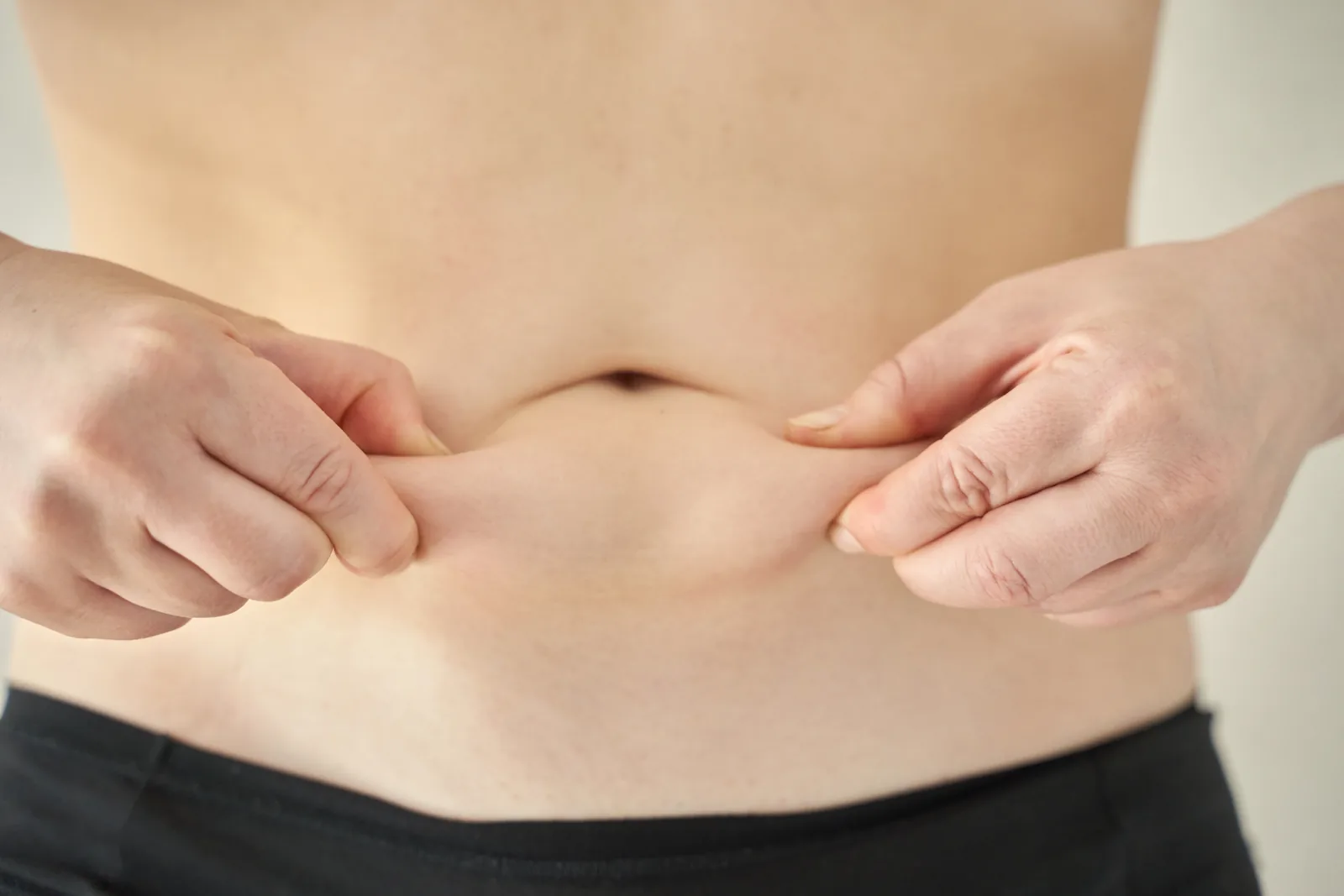
**CoolSculpting and liposuction both reduce stubborn pockets of fat, but they work in completely different ways. CoolSculpting is a brand of cryolipolysis, or fat freezing: a non-surgical treatment that cools a pinchable bulge of fat so the fat cells die and are cleared by the body over the following months. Liposuction is surgery: a plastic surgeon removes fat through small incisions with a thin tube called a cannula, under sedation or general anesthesia. In general, fat freezing suits smaller, pinchable bulges in people who want to avoid surgery and can accept gradual, more modest change, while liposuction removes more fat in one procedure and can treat larger or more defined areas, with the risks and recovery of surgery.** Neither is a weight-loss treatment. FDA says non-invasive body contouring "does not treat obesity," and the American Society of Plastic Surgeons says liposuction "is not a treatment for obesity or a substitute for proper diet and exercise." A consultation with a board-certified plastic surgeon or dermatologist is the way to find out which, if either, fits your body and goals.
At a glance (checked November 27, 2026)
| Question | Answer | Source | |---|---|---| | What is CoolSculpting? | A brand of cryolipolysis (fat freezing) device; non-surgical, prescription use only | FDA, Non-Invasive Body Contouring Technologies | | What is liposuction? | Surgery that suctions fat out through small incisions with a cannula | ASPS, Liposuction Procedure | | FDA-cleared CoolSculpting areas | Upper arm, bra fat, back fat, banana roll, thigh, abdomen and flank (BMI 30 or less); under the chin and jawline (BMI up to 46.2) | FDA 510(k) K233732 (current CoolSculpting system), cleared Sept. 12, 2024 | | When fat-freezing results show | Fat from damaged cells is cleared by the body, usually within two to three months | FDA | | When liposuction results show | Once swelling and fluid retention subside | ASPS | | Weight-loss treatment? | No, for both | FDA; ASPS | | Rare fat-freezing complication | Paradoxical adipose hyperplasia (PAH): treated fat grows instead of shrinking | FDA |
CoolSculpting vs. liposuction: side by side
| | CoolSculpting (cryolipolysis) | Liposuction | |---|---|---| | Type | Non-surgical; no incisions | Surgical; small incisions | | How fat is reduced | Controlled cooling kills fat cells, which the body clears over time | Fat is loosened and suctioned out through a cannula | | Anesthesia | Not surgery; the device works on the skin surface without incisions | IV sedation or general anesthesia, plus diluted local anesthetic infused into the area | | Who performs it | A provider using a prescription-only device | A surgeon | | Typically suited to | Smaller, pinchable bulges; people who want to avoid surgery | Larger volumes or several areas; more precise contouring | | When results appear | Gradually, as fat is cleared over about two to three months | After swelling and fluid retention subside | | Afterward | No incisions to heal; temporary redness, bruising, swelling or numbness possible | Dressings and a compression garment; your surgeon gives recovery instructions | | Key risks | Redness, bruising, numbness, nodules, freeze burns, PAH, hernia reports | Anesthesia risks, infection, contour irregularities, fluid accumulation, blood clots, damage to deeper structures | | Not suitable if | You have certain cold-sensitivity disorders or a hernia in the area | You aren't a good surgical candidate; your surgeon decides |
How CoolSculpting works
FDA describes cryolipolysis this way: a targeted area of pinchable fat is drawn by a vacuum into an applicator and cooled "for up to an hour." Because fat cells are especially sensitive to cold, the controlled cooling is meant to kill fat cells without freezing the skin. The fat released from the damaged cells is "slowly cleared by the body's immune system, usually within two to three months," so the bulge gets smaller over time. Fat-freezing devices are prescription only, and FDA says the safety and effectiveness of over-the-counter or home fat freezing "has not been established."
FDA's most recent CoolSculpting clearance (K233732, Sept. 12, 2024) covers cold-assisted lipolysis of the upper arm, bra fat, back fat, banana roll, thigh, abdomen and flank in people with a body mass index (BMI) of 30 or less, and of the areas under the chin and along the jawline in people with a BMI up to 46.2. The device is also cleared to affect the appearance of visible fat bulges in those areas. Cryolipolysis has been on the U.S. market since FDA first authorized a Zeltiq fat-freezing device in 2010.
**Who shouldn't have fat freezing:** FDA says you should not have it if you have Raynaud's disease, pernio or chilblains, cold urticaria, cryoglobulinemia, paroxysmal cold hemoglobinuria or cold agglutinin disease, or poor circulation in the area. It also shouldn't be done in or near a pre-existing hernia or a structurally weak area, such as a surgical scar or abdominal muscle separation after pregnancy.
How liposuction works
The American Society of Plastic Surgeons explains that liposuction uses a hollow stainless-steel tube, called a cannula, inserted through small incisions to suction fat from areas such as the abdomen, hips, thighs and buttocks. Patients receive intravenous sedation or general anesthesia, and diluted local anesthetic is infused into the area first to reduce bleeding and trauma. Variations include power-assisted and ultrasound-assisted techniques. Afterward, patients wear an elastic bandage or compression garment to control swelling.
ASPS says results become apparent once swelling and fluid retention subside, and that with healthy diet and fitness the loss of fat should be maintained, though "substantial weight gain can alter the results." It also notes that firm, elastic skin gives better results and that liposuction "is also not an effective treatment for cellulite." ASPS adds that skin that is soft and thin may not reshape as well, and more surgery may be needed to remove and tighten extra skin.
Risks of each
**Fat freezing.** FDA lists common complications that may resolve on their own (redness, bruising, swelling, pain or discomfort, skin discoloration); less common ones that may need treatment (numbness that can persist for several weeks, nodules, freeze burns that can be severe, temporary nerve effects when treating under the jawline); and the least common but more serious ones. The most discussed is **paradoxical adipose hyperplasia (PAH)**, in which the treated fat grows into a firm bulge instead of shrinking. FDA says PAH is unique to fat freezing, reported cases appeared two to five months after treatment, and it "does not go away on its own and may require surgery." Hernias in the treated area have also been reported. See our guide to CoolSculpting PAH for published rates.
**Liposuction.** ASPS lists anesthesia risks, bruising, swelling, changes in skin sensation that may persist, damage to deeper structures such as nerves, blood vessels, muscles, lungs and abdominal organs, deep vein thrombosis and heart and lung complications, fluid accumulation, infection, irregular contours or asymmetry, pigment changes, poor wound healing, loose skin or worsening cellulite, and the possible need for revision surgery. Your surgeon should review each risk with you before you consent.
How to decide between CoolSculpting and liposuction: 7 steps
1. **Define the goal.** A small bulge that won't respond to diet and exercise points one way; reshaping several areas or a larger volume points another. 2. **Be honest about weight.** Both treatments target local fat, not overall weight. FDA's cleared BMI limits for CoolSculpting body areas are a useful reality check. 3. **Check the pinch.** Fat freezing needs fat that can be drawn into an applicator. Fat that isn't pinchable, or skin that is loose, usually isn't a fit. 4. **Screen your health history.** Cold-sensitivity disorders and hernias rule out fat freezing; surgical risk factors matter for liposuction. 5. **Book a consultation with a board-certified specialist** who can examine you and explain all options, including when neither is appropriate. 6. **Compare recovery and timing.** Fat-freezing changes appear gradually, as fat is cleared over about two to three months; liposuction involves surgery, compression garments and a recovery period your surgeon will explain. 7. **Review risks and written consent.** Ask about PAH for fat freezing and about anesthesia and surgical risks for liposuction, and get the plan in writing.
Questions to ask at your consultation (checklist)
- [ ] Am I a candidate for fat freezing, liposuction, both or neither? - [ ] Is the area I want treated within the device's FDA-cleared areas and BMI limits? - [ ] Do I have any cold-sensitivity condition, hernia or abdominal muscle separation? - [ ] How would you treat PAH if it happened? - [ ] What anesthesia would liposuction use, and where would it be done? - [ ] What should I expect for swelling, compression and time away from activities? - [ ] Would loose skin make a tummy tuck or other procedure a better choice? - [ ] Who will perform the treatment, and what are their board certifications?
Talk to a plastic surgeon
**Featured doctors:** Dr. Daniel Careaga, founder of Careaga Plastic Surgery in Coral Gables, is certified by the American Board of Plastic Surgery and the American Board of Surgery, and his practice includes tummy tuck, liposuction and body contouring. Dr. Oliver Chang, a plastic surgeon in Miami certified by the American Board of Plastic Surgery and the American Board of Surgery, lists liposuction, including Lipo 360 and high-definition liposuction, tummy tuck, fat transfer and body contouring among his body procedures. Browse more specialists in Find a Doctor.
Every Haute MD doctor is independently reviewed and editorially featured by Haute Living.
Sources
- U.S. Food and Drug Administration, Non-Invasive Body Contouring Technologies (content current as of Oct. 15, 2025). https://www.fda.gov/medical-devices/aesthetic-cosmetic-devices/non-invasive-body-contouring-technologies (checked Nov. 27, 2026) - FDA 510(k) K233732, CoolSculpting Elite System (cleared Sept. 12, 2024), indications for use. https://www.accessdata.fda.gov/cdrh_docs/pdf23/K233732.pdf (checked Nov. 27, 2026) - FDA De Novo DEN090002, Zeltiq dermal cooling device (Aug. 24, 2010), openFDA device record. https://api.fda.gov/device/510k.json?search=k_number:DEN090002 (checked Nov. 27, 2026) - American Society of Plastic Surgeons, Liposuction. https://www.plasticsurgery.org/cosmetic-procedures/liposuction (checked Nov. 27, 2026) - American Society of Plastic Surgeons, Liposuction Procedure. https://www.plasticsurgery.org/cosmetic-procedures/liposuction/procedure (checked Nov. 27, 2026) - American Society of Plastic Surgeons, Liposuction Recovery. https://www.plasticsurgery.org/cosmetic-procedures/liposuction/recovery (checked Nov. 27, 2026) - American Society of Plastic Surgeons, Liposuction Risks and Safety. https://www.plasticsurgery.org/cosmetic-procedures/liposuction/safety (checked Nov. 27, 2026)
*This guide is general education, not medical advice, and doesn't guarantee any treatment result. Talk with a board-certified physician about your situation.*
Frequently Asked Questions
Is CoolSculpting as effective as liposuction?
They do different jobs. Liposuction physically removes fat in one surgery and can treat larger volumes. CoolSculpting reduces smaller, pinchable bulges gradually without surgery. Which works better depends on your body, the area and your goals, so ask a board-certified specialist to examine you.
Is CoolSculpting permanent?
FDA says fat freezing is intended to kill fat cells, which the body clears over about two to three months. FDA's page doesn't say how long results last, so ask your provider what to expect if your weight changes. Results vary from person to person.
Which is safer, CoolSculpting or liposuction?
Fat freezing avoids incisions and anesthesia but has its own risks, including freeze burns, numbness and paradoxical adipose hyperplasia. Liposuction carries surgical and anesthesia risks such as infection, blood clots and contour irregularities. Your doctor can explain which risks apply to you.
Can CoolSculpting or liposuction help me lose weight?
No. FDA says non-invasive body contouring does not treat obesity or produce weight loss, and the American Society of Plastic Surgeons says liposuction is not a treatment for obesity or a substitute for diet and exercise. Both are for reshaping specific areas.
Can you have liposuction after CoolSculpting?
It may be possible, depending on the area and your health. FDA notes that paradoxical adipose hyperplasia after fat freezing may require surgery to remove the bulge. A plastic surgeon should examine the area and review your treatment history before recommending anything.
Get Help Now
Speak with a Haute MD Plastic Surgery physician
Are you a Plastic Surgery physician?
Join Haute MD Network and have your profile featured alongside these answers.
Apply for the NetworkRelated Guides
Guide · AESTHETICS & WELLNESS
What Is CoolSculpting?
CoolSculpting (cryolipolysis) uses controlled cooling to permanently destroy fat cells in targeted areas, producing 20-25% fat reduction with no downtime.
Read GuideGuide · PLASTIC SURGERY
What Is Liposuction?
Liposuction permanently removes fat cells from specific areas of the body to improve contour. Learn about liposuction techniques, candidates, and recovery.
Read GuideGuide · BODY-CONTOURING
What Is Liposuction? How It Works, Recovery, and Results
Liposuction permanently removes fat cells through small incisions. Learn how it works, which techniques are available, who qualifies, and what recovery looks like.
Read Guide