






 Photo Credit: Adobe Firefly
The rise of GLP-1 medications such as Ozempic and Mounjaro has transformed the weight-loss landscape, helping many patients achieve significant weight reductions that previously felt out of reach. While these medications can be highly effective, rapid or substantial weight loss often brings a new set of concerns that patients may not anticipate. Changes in facial volume, skin laxity, and excess tissue throughout the body can leave individuals feeling as though their appearance no longer reflects the healthy, vibrant version of themselves they worked so hard to achieve.
As more patients reach their weight-loss goals with GLP-1 medications, conversations about body contouring and facial rejuvenation have become increasingly common. Surgical and non-surgical treatments can play an important role in addressing these changes, helping patients restore balance, improve contours, and feel more confident in their results. Understanding the right timing, procedures, and treatment strategies is essential for achieving outcomes that complement and enhance a patient's weight-loss journey.
What facial rejuvenation procedures are most effective for restoring definition and volume?
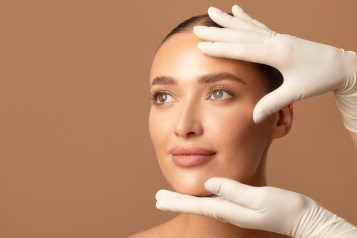
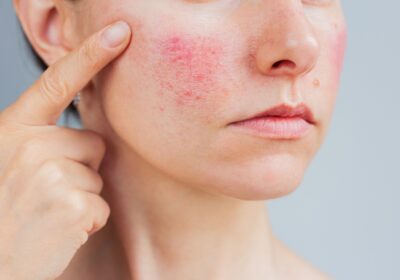
One of the most noticeable effects of significant weight loss is the loss of facial volume. Many patients are surprised to find that while their bodies become slimmer, their faces can appear hollow, tired, or prematurely aged. This phenomenon, sometimes referred to as "Ozempic face," occurs when fat is lost from areas that previously contributed to youthful fullness and contour.
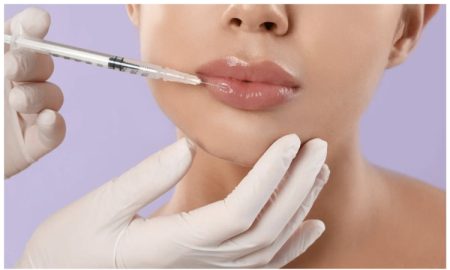
The most effective approach depends on the extent of volume loss and skin laxity. For patients with mild to moderate changes, injectable fillers or fat grafting can restore volume in areas such as the cheeks, temples, and under-eye region. Fat transfer is particularly appealing because it uses the patient's own tissue to create natural-looking, long-lasting results while simultaneously improving contour in another area of the body.
When significant skin laxity or loss of definition is present, surgical procedures may provide the most comprehensive improvement. A facelift, neck lift, or lower face and neck rejuvenation procedure can restore sharper contours along the jawline, improve neck definition, and address loose skin that cannot be corrected through volume replacement alone. In many cases, combining volume restoration with surgical lifting provides the most balanced and natural outcome.
 Photo Credit: Shutterstock
How do you tailor surgical plans to a patient's weight-loss journey and goals?
No two weight-loss journeys are identical, which is why treatment plans should never follow a one-size-fits-all approach. Some patients have lost 20 pounds, while others may have lost 100 pounds or more. The amount of weight lost, the rate of loss, the patient's age, skin quality, and long-term goals all influence the surgical recommendations.
A comprehensive consultation begins with understanding where the patient started, where they are currently, and whether they anticipate additional weight loss. This evaluation helps determine which concerns are likely to improve naturally over time and which are best addressed through surgical intervention. It also allows for realistic discussions regarding expected outcomes and procedural priorities.
For some patients, the focus may be on facial rejuvenation and restoring youthful contours. Others may be more concerned with loose skin around the abdomen, arms, breasts, or thighs. By carefully assessing each individual's anatomy and goals, a personalized treatment plan can be developed that aligns with their lifestyle, recovery preferences, and desired results.
Why is timing important before pursuing surgery after GLP-1-related weight loss?
Timing is one of the most important factors in achieving successful body contouring and facial rejuvenation outcomes after significant weight loss. While patients are often eager to address excess skin or facial changes immediately, proceeding too soon can compromise long-term results.
Ideally, patients should reach a stable weight before undergoing surgery. If significant weight fluctuations continue after a procedure, the results may change over time, potentially affecting skin tightness, contour, and overall appearance. Stability allows the surgeon to accurately assess the amount of excess tissue present and develop a treatment plan that will remain effective in the long term.
In addition to weight stabilization, patients should be in good overall health and maintain adequate nutritional status. Rapid weight loss can sometimes contribute to vitamin deficiencies, reduced muscle mass, or other factors that may impact healing. Ensuring the body is properly prepared for surgery helps optimize recovery and supports the best possible outcome.
When does surgery become the best option for addressing excess skin?
While non-surgical treatments can improve mild skin laxity, there is a point at which surgery becomes the most effective solution. Once skin has been significantly stretched and has lost its ability to retract, no topical treatment, injectable, or energy-based device can remove large amounts of excess tissue.
Many patients experience persistent loose skin around the abdomen, upper arms, thighs, back, or breasts following major weight loss. In these situations, body contouring procedures can remove excess skin while reshaping and refining the underlying contours. This not only improves appearance but can also enhance comfort, mobility, and clothing fit.
The decision to pursue surgery often comes down to how much the excess skin affects daily life and confidence. Patients who feel that loose skin prevents them from fully enjoying the results of their weight-loss success frequently find that surgical correction provides the final step in completing their transformation.
What are the most common body contouring procedures requested after major weight loss?
The abdomen is often the area of greatest concern following significant weight loss, making abdominoplasty, or tummy tuck surgery, one of the most commonly requested procedures. A tummy tuck removes excess skin, tightens weakened abdominal muscles, and restores a firmer, more defined midsection.
Patients also frequently seek arm lifts, thigh lifts, breast lifts, and lower-body lifts to address skin laxity across multiple regions. Depending on the extent of the changes, several procedures may be combined into a staged treatment plan designed to maximize safety while achieving comprehensive rejuvenation.
Body contouring after weight loss is not simply about removing excess skin. The goal is to create a proportional silhouette, improve silhouette, and help patients fully appreciate the results of their hard-earned weight loss. By strategically combining procedures and tailoring treatment to the individual's anatomy, surgeons can help patients achieve a more balanced and confident appearance.
Schedule a Consultation
If you have experienced significant weight loss with Ozempic, Mounjaro, or another GLP-1 medication and are concerned about loose skin, facial volume loss, or changes in body contour, consultation with a board-certified plastic surgeon can help you understand your options. Dr. Sachin Shridharani and the team at Luxurgery NYC specialize in advanced facial rejuvenation and body contouring procedures tailored to each patient's unique goals. To learn more about creating a personalized treatment plan after weight loss, schedule a consultation with Dr. Shridharani at Luxurgery NYC.
For more information, visit Sachin Shridharani, MD, FACS's social media: