






 Photo Credit: Shutterstock
Peptides for hair growth have become one of the most talked-about innovations in beauty, largely because of how versatile and science-driven they are. While many people first discovered peptides through skincare or fitness trends, their role in improving hair health is now gaining serious attention among experts and consumers alike.
At their core, peptides are short chains of amino acids that act as messengers within the body. They help regulate essential functions like collagen production, tissue repair, and cellular activity. In haircare, their purpose is not to create new follicles but to improve how existing ones function, which is where their real value lies.
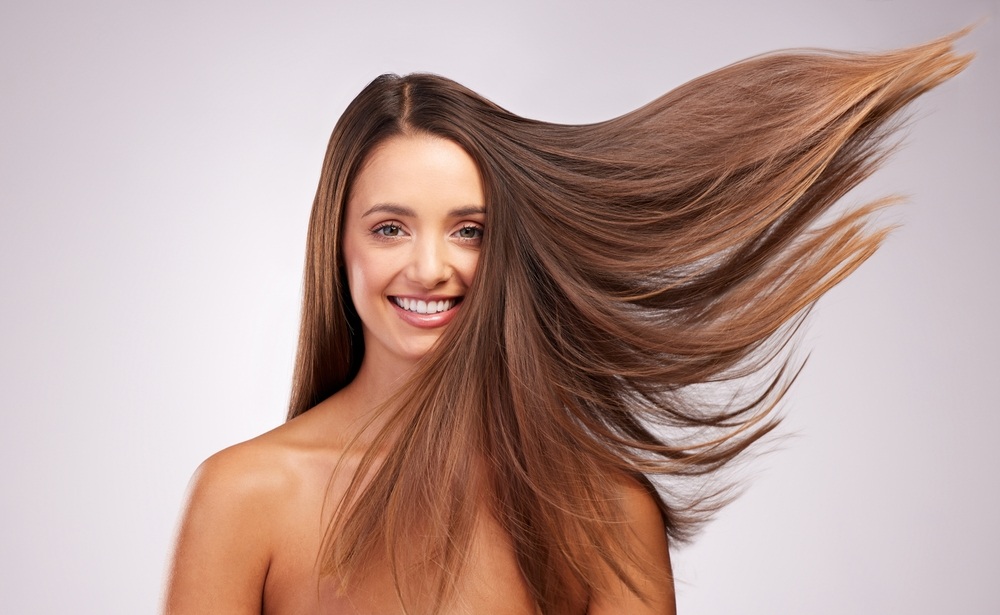
By supporting scalp health and encouraging better follicle performance, peptides can help transform the overall quality of hair, making it stronger, thicker, and more resilient over time.
What Are Peptides for Hair Growth?
Peptides used in haircare are specialized compounds designed to support follicle activity and scalp condition. Popular ingredients such as redensyl, procapil, capixyl, caffeine, and anagain are commonly found in serums and treatments aimed at reducing hair fall and promoting growth. These ingredients work by supporting structural proteins like collagen and laminin, which are essential for maintaining healthy, well-anchored follicles. When these structures are strengthened, hair is more likely to grow in a stable and consistent way.
Benefits of Peptides for Hair Health
One of the earliest benefits people notice is reduced hair shedding. As peptides help shift follicles into the active growth phase, hair fall tends to decrease, making hair appear fuller even before new growth becomes visible. With continued use, the improvements become more pronounced. Hair strands feel thicker and stronger, and overall density can improve, especially in cases of early thinning. Peptides also enhance the condition of the scalp by improving hydration and reducing irritation, creating a healthier environment for growth.
Some formulations even help strengthen the hair fiber itself, acting as support structures that reduce breakage and improve texture.
Peptides vs Traditional Hair Loss Treatments
Peptides function very differently compared to treatments like minoxidil or finasteride. While those options directly target blood flow or hormonal factors like DHT, peptides take a more supportive approach by improving the health of the scalp and follicles. This makes them a gentler option with fewer side effects, but also means they may not deliver the same level of results when used alone in advanced hair loss cases. Instead, peptides are often most effective when combined with other treatments as part of a broader hair restoration strategy.
Timeline and Consistency of Results
Hair growth requires patience, and peptides are no exception. Early changes such as reduced shedding and improved texture may appear within eight to twelve weeks of regular use. More visible improvements, including thicker strands and better density, typically take three to six months. The key factor is consistency. Without regular application, results are unlikely to develop or last.
Hair loss is a gradual process, and maintaining improvements requires ongoing care. Once peptide treatments are stopped, hair will slowly return to its natural cycle over time.
Who Should Use Peptides for Hair Growth?
Peptides are especially effective for individuals dealing with early-stage thinning, increased shedding, or hair changes caused by stress, hormonal shifts, or lifestyle factors. They are particularly popular among those who prefer a non-invasive and preventative approach to haircare. They can also support recovery in conditions such as stress-related hair loss, postpartum shedding, and early androgenetic alopecia. However, in cases where follicles are no longer active, peptides alone are unlikely to restore growth and are better used alongside more advanced treatments.
Peptides for hair growth offer a balanced, science-backed approach to improving hair health without aggressive intervention. While they are not a standalone cure for every type of hair loss, their ability to strengthen follicles, enhance scalp condition, and improve overall hair quality makes them a valuable addition to any long-term haircare routine.

Beauty
March 26, 2026The Ultimate Skincare Routine for Glowing Skin in 2026