

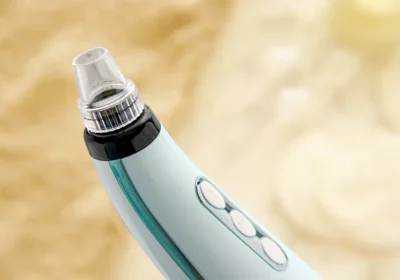

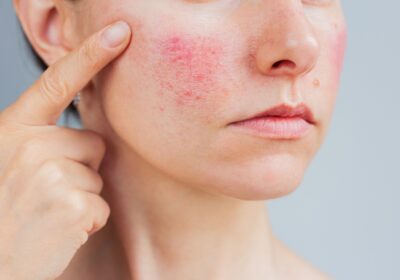



Technological advancement has always driven aesthetic medicine forward, but what is happening right now is something different. The industry is not simply acquiring better tools. It is undergoing a fundamental reorientation in what patients are asking for, how surgeons are responding, and how beauty itself is being defined. The shifts are philosophical as much as they are scientific, and together they are reshaping the field in ways that will define the next decade.
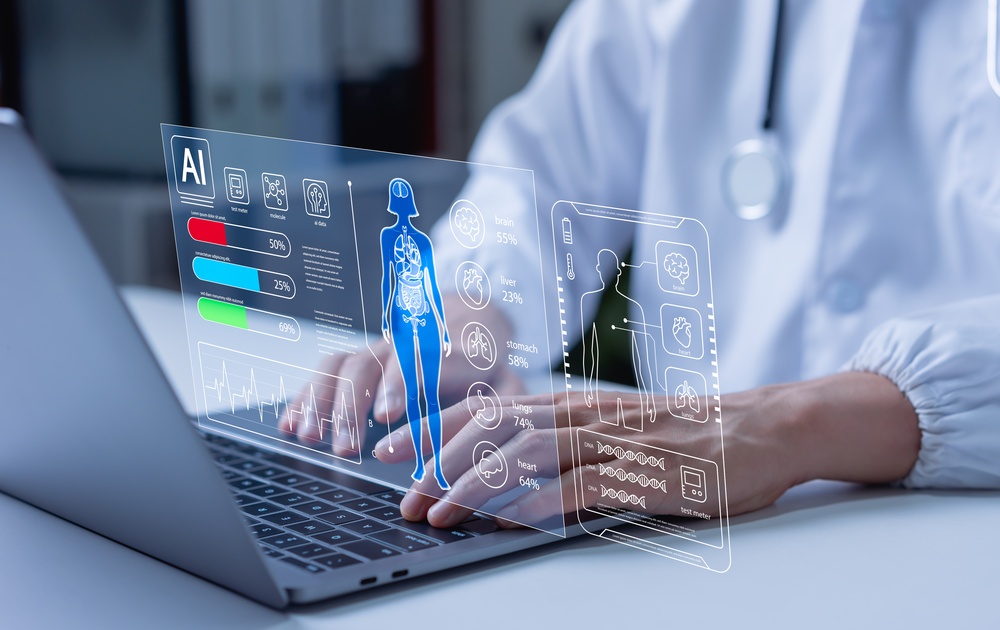 Photo Credit: Shutterstock
From Transformation to Refinement
The era of the obvious makeover is over. Patients are no longer bringing celebrity photographs to consultations and asking to look like someone else. They are asking, with increasing sophistication, to look like themselves, only more rested, more proportional, more aligned with how they already feel. Natural outcomes, facial balance, and identity-preserving results have become the dominant aesthetic standard. Smaller implants, subtle facial refinements, and so-called tweakments are replacing exaggerated change. This is not a trend. It is a philosophical shift, arguably the most significant the field has seen in decades.
The Rise of Regenerative Aesthetics
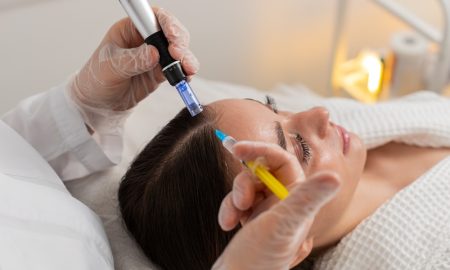
The field is moving away from the introduction of foreign substances and toward something considerably more elegant: stimulating the body to rebuild itself. PRP, PRF, and biostimulatory fillers are growing rapidly in both clinical adoption and patient demand. Stem-cell-adjacent therapies and fat-derived technologies are gaining traction in major practices. Even cadaver-derived fat fillers are emerging as a direction worth watching. The ambition is no longer to fill; it is to regenerate tissue, restore biology, and produce results that improve with time rather than require ongoing maintenance to sustain.
Minimally Invasive as the New Default
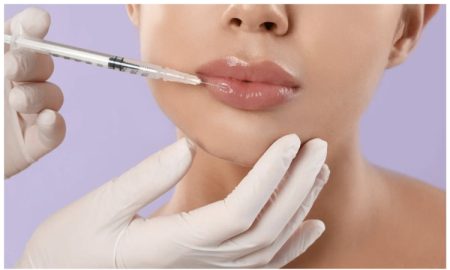
The modern patient wants results without extended recovery. Demand has shifted decisively toward procedures with faster healing times, lower risk profiles, and less visible intervention. Endoscopic techniques, micro-incision approaches, and injectable-based methods now dominate the volume conversation. Even the facelift, long the standard-bearer of surgical transformation, is evolving toward less aggressive, more precise techniques. Convenience has become part of the value proposition in a way that surgeons cannot afford to ignore.
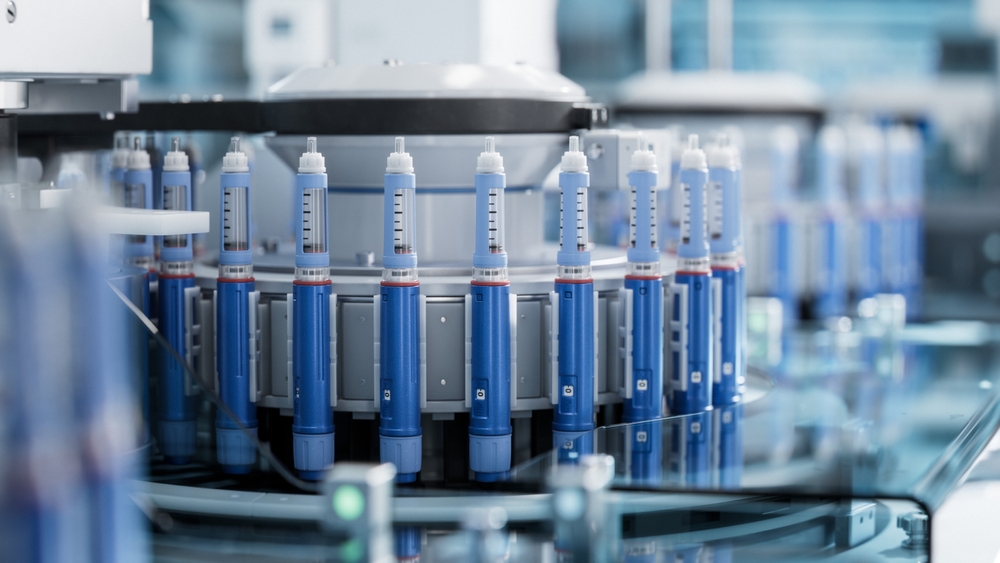
GLP-1 medications have created an entirely new category of aesthetic patient, and the surgical volume implications are significant. The rapid weight loss associated with these drugs is producing a surge in post-weight-loss body contouring and skin removal procedures, alongside increased demand for volume restoration in the face, breasts, and body. Hybrid procedures that combine lifting with regenerative volume techniques are emerging in direct response. This is one of the most consequential drivers of surgical demand the industry has seen in years, and its full impact is still unfolding.
Surgery, Skin, and Wellness as a Single Ecosystem
Cosmetic surgery is no longer a standalone decision. It has become one component within a broader aesthetic strategy that patients are now managing across their lifetime. Surgical procedures are increasingly combined with laser treatments, skin tightening, and injectables as part of a coordinated approach. Preventative treatments are beginning earlier, with patients in their thirties and forties engaging with the system before visible aging requires correction. The industry is shifting from a procedure-based model to one built around lifetime aesthetic management, and the practices that will thrive are the ones building for that relationship.
Personalization Over Uniformity
The celebrity photograph brought into the consultation room is becoming a relic. Treatments are now increasingly tailored to individual anatomy, facial proportions, and personal aesthetic goals rather than borrowed from someone else's appearance. Facial harmony and balance have replaced trend-chasing as the organizing principle of the most respected practices. Advanced imaging and planning tools support this individualization without dictating it. The patient of 2026 wants to look like the best version of themselves. The surgeon who understands that is the one they will choose.
Cultural Normalization and the Transparency Imperative
Aesthetic medicine has entered the mainstream, and there is no going back. Celebrity openness, social media, and a generational shift in how people discuss their bodies have reduced the stigma around cosmetic procedures to near zero. Patients arrive better informed, more selective, and more willing to share their experiences than at any previous point in the field's history. Reputation, safety record, and authenticity are now the primary currency of patient trust. How a practice communicates, consults, and builds its relationship with the public has never mattered more.
A Broader and More Diverse Patient Base
The profile of the aesthetic medicine patient has changed permanently. Male procedures are growing steadily and consistently. Younger patients are engaging earlier, drawn by preventative approaches that did not exist a generation ago. Older patients are seeking subtle rejuvenation rather than dramatic correction. Aesthetic medicine is now genuinely multi-generational and gender-inclusive, and the practices built around a narrower patient model are already feeling the gap.
The Direction of the Field
When you step back from the individual shifts and look at the trajectory they collectively describe, one direction emerges clearly: the field is moving from obvious change to undetectable refinement. From transformation to restoration. From adding to rebuilding. From trend to individual. That is where aesthetic medicine is going, and the practitioners and practices that understand it are already ahead.
For more information, visit Dr. Stephen T. Greenberg's social media: