





 Photo Credit: Fotona
Aging isn't just a skin problem. What most people notice on the surface is actually the visible result of a process happening at every layer of the face simultaneously, doctors say.
A new generation of facial rejuvenation options has gotten remarkably good and less detectable than ever. But just because there’s been more transparency around going under the knife doesn’t mean it’s right – or the right time – for everyone.
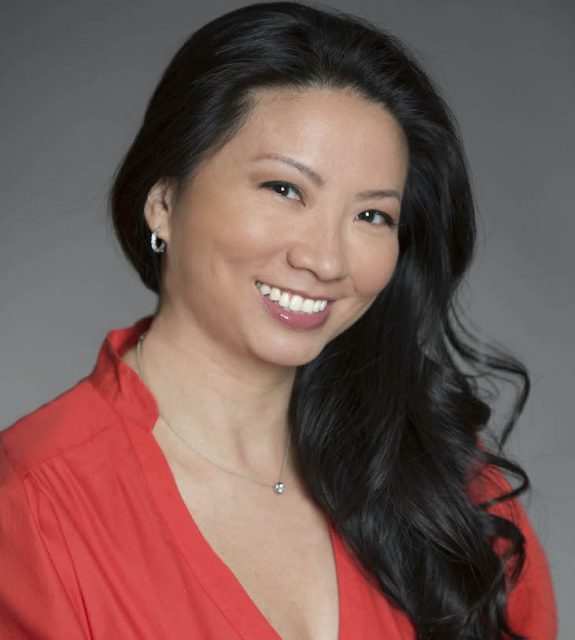
"The greatest concern is the compounding effect of these changes happening simultaneously," says Dr. Michelle Lee, board-certified plastic surgeon at PERK Plastic Surgery in Beverly Hills. "Patients often describe feeling as though they aged overnight and no longer recognize themselves."
For those with mild to moderate changes like early laxity, texture shifts, and the beginning of jowling, nonsurgical options have never been more sophisticated.
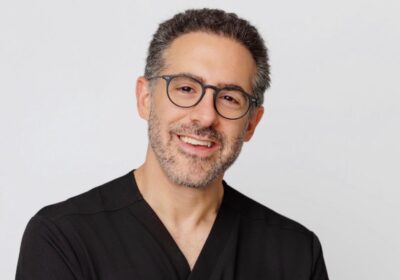
Neuromodulators like Botox, Dysport, and Daxxify remain the most widely used starting point, softening existing expression lines. "Early use of wrinkle-relaxing injections can help prevent expression lines from becoming permanently etched into the skin," says Dr. Sachin Parikh, double board-certified facial plastic surgeon at L&P Aesthetics in Palo Alto.
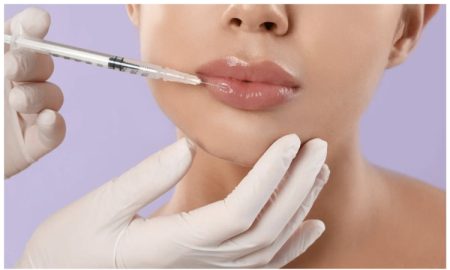
Hyaluronic acid fillers like Juvederm and Restylane still have a place, particularly for targeted correction. "When I do use hyaluronic acid fillers, I prioritize precision in areas of bony resorption rather than global volumizing," says Dr. Lee.
Then there are biostimulators like Sculptra and Radiesse that work by triggering the body's own collagen production. Results build gradually over several months and last up to two years.
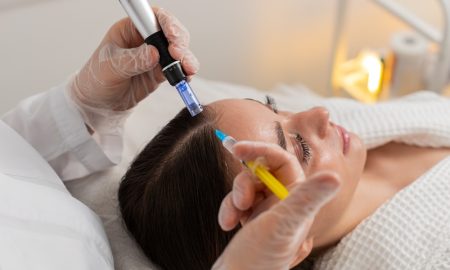
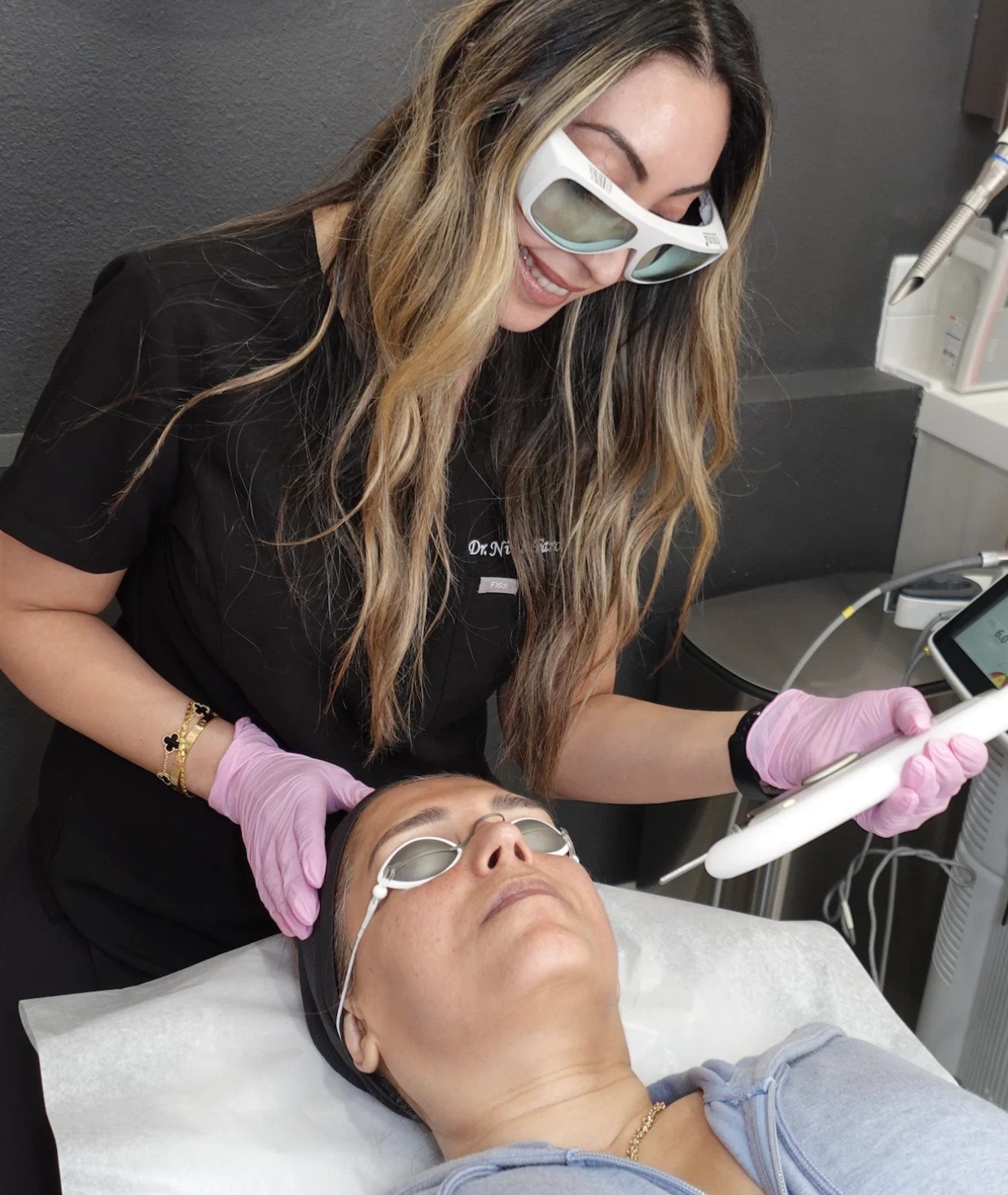
For patients with early laxity and collagen loss, energy-based technologies have become a growing part of the picture. Laser platforms that work at multiple skin depths simultaneously address texture, tone, and early laxity in a single session. Fotona4D® has developed a particularly strong clinical and celebrity following for its ability to stimulate collagen deep within the tissue while refining the surface without needles or downtime. "Fotona is an excellent option because it can address skin quality, texture, tightening, pigmentation, and collagen remodeling without surgery," says Dr. Azza Halim, aesthetic physician and board-certified anesthesiologist in Boca Raton.
PRP, PRF, and nanofat support skin health at the cellular level, stimulating collagen production and building dermal thickness in ways that complement everything else. "These are best started in one's thirties and maintained consistently,” suggests Dr. Lee.
It’s important to keep in mind that surgery and nonsurgical interventions play different roles. “For patients with more significant sagging of the face and neck, a deep-plane face and neck lift remains the most effective and long-lasting option,” says Dr. Parikh.
Dr. Lee echoes that the deep plane facelift remains the gold standard, even ahead of a traditional SMAS facelift, made popular again by Kris Jenner’s most recent transformation. “I pair nearly every facelift with fat grafting to replenish the volume lost through atrophy and resorption,” says Dr. Lee.
Here's what surgeons and aesthetic physicians agree on most: rejuvenation isn't an either/or conversation, but when. "The key is matching the intervention to the anatomy rather than the age,” says Dr. Halim.
Disclaimer: Written in partnership with APG.