







 Photo Credit: ShutterstockJawline contouring has become one of the most requested aesthetic treatments in recent years as people increasingly seek sharper, more defined facial features without undergoing surgery. The jawline plays a crucial role in overall facial balance because it frames the lower face and creates structure between the cheeks, chin, and neck.
When the jawline appears strong and well-defined, it can make the entire face look more sculpted, youthful, and harmonious. Advances in aesthetic medicine have made it possible to enhance this feature using modern non-surgical techniques that reshape facial contours with precision and minimal downtime.
The growing interest in jawline contouring reflects a broader shift toward facial sculpting rather than simply treating wrinkles or surface-level skin concerns. Patients today are more focused on improving facial structure and proportions. A defined jawline has long been associated with youth and attractiveness, but genetics, aging, and lifestyle factors can influence how prominent or balanced the jawline appears over time.
As the body ages, the natural support structures of the face begin to change. Collagen production decreases, skin elasticity gradually declines, and facial fat can shift or diminish. These changes can soften the jawline, creating sagging or less definition along the lower face. In some individuals, excess fat beneath the chin or along the jaw may also contribute to a heavier appearance. Modern aesthetic treatments address these concerns by restoring structure, tightening skin, and refining the contours of the lower face.
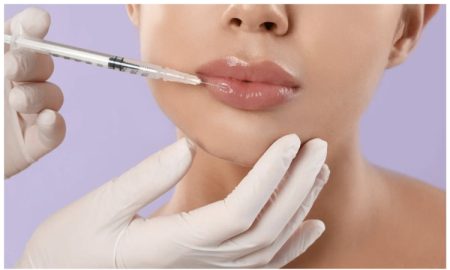
Dermal fillers have become one of the most popular non-surgical solutions for jawline contouring. These injectable treatments are used to enhance definition by adding volume along the jawline and chin. When strategically placed, fillers can create sharper angles and improve facial symmetry. The treatment typically involves hyaluronic acid-based fillers, which integrate naturally into the skin and provide immediate visible results.
One of the advantages of jawline filler treatments is their versatility. Practitioners can tailor the approach to suit each patient’s unique facial anatomy. Some individuals may benefit from stronger definition along the jawline itself, while others may require subtle enhancement of the chin to balance the lower face. By adjusting placement and volume, aesthetic specialists can create results that appear natural and proportionate.
Beyond fillers, biostimulatory injectables are also gaining popularity for jawline enhancement. Unlike traditional fillers that simply add volume, these treatments stimulate the body’s natural collagen production. Over time, this process strengthens the skin’s structure and gradually improves firmness along the jawline. Patients often appreciate the progressive nature of these results because the changes appear subtle and natural as collagen levels increase.
Energy-based skin tightening treatments have also become an important component of modern jawline contouring. Technologies such as radiofrequency and ultrasound deliver controlled energy into deeper layers of the skin. This energy stimulates collagen production and tightens tissue beneath the surface, helping lift and firm the jawline without surgery. These treatments are particularly helpful for individuals experiencing early signs of skin laxity.
Another innovative approach to jawline sculpting involves thread lift procedures. During this treatment, dissolvable threads are placed beneath the skin to gently lift sagging tissue and reposition it along the jawline. The threads also stimulate collagen production as they dissolve, which further enhances skin firmness over time. Thread lifts can provide noticeable lifting effects with relatively quick recovery periods.
Fat reduction treatments are sometimes used in combination with contouring procedures to refine the jawline further. In cases where excess fat beneath the chin creates a double chin appearance, injectable fat-dissolving treatments or non-surgical fat reduction technologies may be recommended. By reducing localized fat and tightening surrounding skin, these treatments help create a more defined transition between the chin and neck.
One reason jawline contouring has become so popular is the emphasis on subtle and natural-looking results. Modern aesthetic techniques focus on enhancing a person’s natural facial structure rather than dramatically altering it. Experienced practitioners carefully study facial proportions to ensure that any adjustments remain harmonious with the patient’s overall appearance.
Social media and digital photography have also contributed to the rise of jawline contouring. High-definition images and video calls often highlight facial contours more clearly than ever before. As people become more aware of their facial profiles, many seek treatments that enhance definition and balance from every angle.
Another factor driving interest in jawline contouring is the increasing availability of non-surgical options. Traditional surgical procedures such as facelifts or jaw implants require longer recovery times and carry greater risks. Non-surgical treatments offer an alternative that allows patients to improve their facial contours without significant downtime. Many procedures can be completed within an hour, making them convenient for individuals with busy lifestyles.
Customization is a key element in successful jawline contouring. Every face has unique proportions, and aesthetic specialists carefully evaluate factors such as bone structure, skin quality, and facial symmetry before designing a treatment plan. Some patients may require a combination of fillers, skin tightening treatments, and fat reduction procedures to achieve the desired outcome.
The goal of modern jawline contouring is not simply to create sharp angles but to restore balance to the entire lower face. By enhancing the jawline, practitioners can improve the transition between the cheeks, chin, and neck while creating a more youthful and defined appearance.
As aesthetic technology continues to evolve, jawline contouring is likely to become even more refined. Advances in injectable formulations, regenerative treatments, and energy-based devices are expanding the possibilities for facial sculpting without surgery.
Ultimately, jawline contouring represents a new era in aesthetic medicine where facial structure and harmony are at the center of beauty treatments. Through carefully planned procedures and modern technology, practitioners are helping patients reshape and refine their facial features in ways that enhance both confidence and natural beauty.