






Updated July 2026 — Originally reviewed April 2025. I've now been using the Seranova system for over a year.
After countless disappointing skincare investments, I approached Seranova's at-home microneedling device with well-earned skepticism. At 52, watching fine lines deepen and skin texture deteriorate, I needed something effective but balked at professional treatment prices. My initial 8-week experiment delivered surprising results — and over a year later, I can report on whether those results lasted.
How the Seranova Micro Infusion System Works
Before diving into my results, it helps to understand what this device actually does — because "microneedling" can mean very different things depending on the device.
The Seranova uses a micro-infusion approach, which combines two proven skincare technologies:
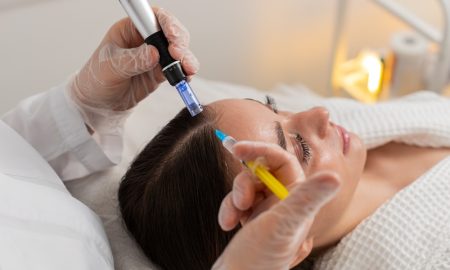
- Microneedling: Tiny needles create controlled micro-channels in the skin's surface (the stratum corneum), triggering the body's natural wound-healing response. This stimulates collagen and elastin production — the proteins responsible for skin firmness and elasticity.
- Serum infusion: While the needles create those micro-channels, the device simultaneously pushes its proprietary rejuvenating serum directly into the skin. This means active ingredients bypass the skin barrier that normally blocks up to 95% of topically applied products.
The science behind this approach is well-established. A 2018 study published in the Journal of Clinical and Aesthetic Dermatology found that microneedling increases collagen production by up to 400% within six months of consistent treatment. The addition of serum infusion during the needling process further amplifies results, since active ingredients reach the dermis layer where they can actually make a difference.
The needle depth on the Seranova is designed for at-home safety — shallow enough to avoid the risks of deeper professional treatments (bleeding, extended downtime, infection risk), but deep enough to stimulate a real collagen response. Think of it as the sweet spot between a jade roller (which does almost nothing physiologically) and a dermatologist's microneedling pen (which requires numbing cream and days of downtime).
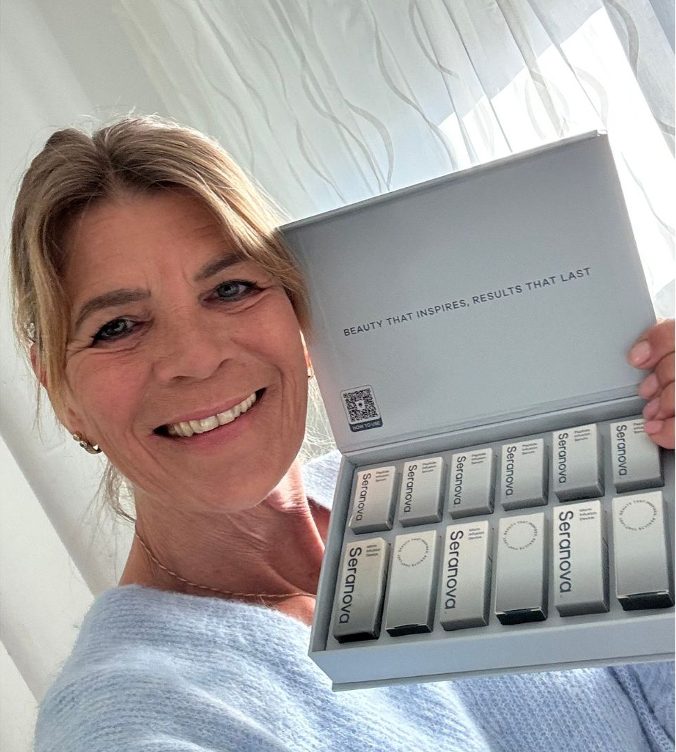
What's in the Box
The system arrives with everything you need to get started:
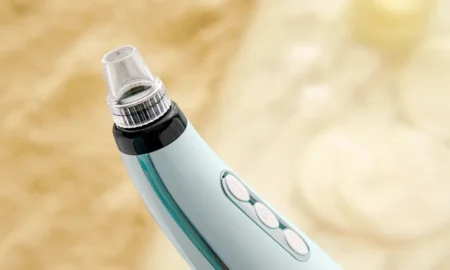
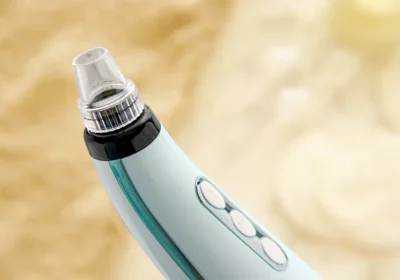
- The handheld micro-infusion device — surprisingly lightweight but with a solid, premium feel
- Individually sealed, sterile needle cartridges (each single-use for hygiene)
- Their proprietary rejuvenating serum — formulated to work with the device's infusion system
- Clear, illustrated instructions that even a first-timer can follow
- A storage case for the device
What immediately stood out was how approachable the whole package felt — premium quality without intimidating complexity. The device itself has a satisfying weight to it, and the individually sealed cartridges gave me confidence about hygiene. No fumbling with loose needles or complicated assembly. Snap in a cartridge, fill it with serum, and you're ready.
The Treatment Experience: What It Actually Feels Like
Let's address the elephant in the room: the word "needling" sounds painful. I was genuinely nervous the first time. Here's what each session actually looks like:
- Thoroughly cleanse skin and pat dry (I double-cleanse on treatment nights)
- Snap a fresh cartridge onto the device and fill with serum
- Apply using gentle, overlapping stamping motions — forehead, cheeks, around the mouth, jawline, and under eyes
- Let the remaining serum absorb completely (no rinsing)
- Apply a gentle moisturizer once absorbed (optional but I recommend it)
The sensation was nothing like I feared — just a mild tingling similar to a facial massage. My skin showed a healthy flush afterward, but without real irritation or discomfort. The entire process takes just 10 minutes from start to finish, making bi-weekly sessions easily maintainable even with a packed schedule.
Pain level: I'd honestly rate it a 2 out of 10. The forehead and jawline are barely noticeable. The under-eye area and around the nose are slightly more sensitive, but still perfectly comfortable. Nothing that would make you dread the next session — and I'm someone who avoids anything remotely painful.
Pro tip: I do my treatments on Tuesday and Friday evenings, after my kids are in bed. The mild redness fades by morning, and I wake up with noticeably smoother, more hydrated skin. It's become a mini self-care ritual I actually look forward to.
My Results: 8 Weeks and Beyond
Weeks 1–2: Initial changes were subtle but encouraging — improved hydration and better product absorption were the first things I noticed. My morning moisturizer seemed to sink in faster and last longer throughout the day. My skin had a slightly dewy quality it hadn't had in years.
Weeks 3–4: This is when things started getting exciting. The fine lines around my eyes — the ones I'd been covering with concealer for five years — had noticeably softened. Not disappeared, but genuinely softened. My skin texture felt remarkably smoother to the touch, with a clarity I hadn't seen since my early 40s. I caught myself touching my cheeks multiple times a day.
Weeks 5–8: This period brought the most dramatic improvements. The stubborn nasolabial lines around my mouth — previously my biggest concern and the ones that made me consider fillers — had visibly diminished. Not gone, but meaningfully reduced. My complexion developed a natural luminosity that prompted unsolicited compliments from friends who couldn't quite identify what had changed. "You look rested" was the most common comment. (I was not, in fact, more rested. Just better-skinned.)
Months 3–6: I continued bi-weekly treatments and the improvements kept compounding. I started treating my neck and décolletage — areas I'd been ignoring — and they responded even faster than my face. The overall quality of my skin just kept improving: more even tone, smaller-looking pores, firmer feeling. I reduced my foundation coverage from full to light.
Months 6–12+ (long-term update): Over a year in, I've settled into a once-weekly maintenance schedule and the results are holding beautifully. The collagen-building effects genuinely compound over time — this isn't a product where you hit a ceiling at week 8 and plateau. My skin at 53 looks better than it did at 48, and I don't say that lightly. Friends who haven't seen me in months consistently comment on my skin.
Common Complaints and Limitations: What I'd Change
No product is perfect, and honest reviews matter more than glowing endorsements. Here's everything I've found frustrating or worth knowing before you buy:
- Cartridge cost adds up: You need a fresh cartridge for each session — non-negotiable for hygiene reasons, but it means ongoing expense. At bi-weekly use, that's roughly 26 cartridges per year. I wish they offered a subscription discount or bulk pricing.
- Results take real patience: If you're expecting overnight miracles, you will be disappointed and you will give up. The first 2–3 weeks show minimal visible change. You have to trust the process and commit to consistency. I almost quit at week 2.
- Not a substitute for deep treatments: For deep wrinkles, acne scarring, or significant sun damage, this won't replace professional-grade microneedling or laser treatments. It's best for fine lines, texture, tone, and overall skin quality. I still see my dermatologist annually.
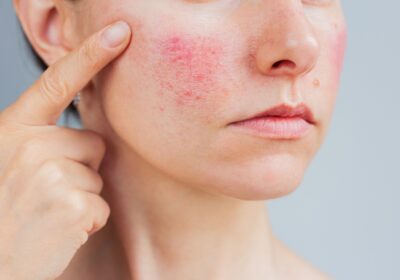
- Post-treatment redness: My skin stays noticeably pink for 1–2 hours after each session. It's not irritation — it's increased blood flow — but don't plan a dinner party right after your treatment. Evening sessions are the way to go.
- Serum-specific design: The device works best with Seranova's own serum formulation. You can use other serums, but the cartridge system is optimized for their specific viscosity. This felt a bit "proprietary" to me, though the serum itself is genuinely good.
- Not travel-friendly: The device, cartridges, and serum take up more toiletry bag space than I'd like. I've skipped treatments during vacation weeks.
Is Seranova Worth the Price?
Let's talk real numbers, because this is what most people searching for Seranova reviews actually want to know.
A single professional microneedling session typically costs $200–$700 depending on your city and provider. Most dermatologists recommend 3–6 initial sessions spaced 4–6 weeks apart for meaningful results, which means you're looking at $600–$4,200 upfront — and that's before the 2–3 annual maintenance sessions most practitioners recommend.
The Seranova system's upfront cost covers the device and initial supplies. When you factor in a year of cartridge and serum refills at bi-weekly use, the total annual cost comes out to significantly less than even three professional sessions — and you get unlimited treatments whenever you want them.
Here's how I think about it:
- If you'd otherwise spend on monthly facials or quarterly microneedling: The Seranova pays for itself within 3–4 months. No-brainer.
- If you're currently spending $100+/month on anti-aging serums and creams: The Seranova delivers better results than anything I've applied topically, at a comparable monthly cost. Switch.
- If you've never invested in professional treatments: It's still a meaningful purchase. Make sure you'll actually commit to using it bi-weekly before buying.
My verdict on value: If you're committed to using it consistently (at least bi-weekly for the first 8 weeks, then weekly maintenance), the per-treatment cost is outstanding. If you'll use it twice and let it collect dust in a bathroom drawer, save your money and put it toward a professional treatment instead.
Seranova vs. Other At-Home Microneedling Devices
The at-home microneedling market has exploded. Here's how the Seranova stacks up against the most popular alternatives, based on my research and the devices I've personally tried:
| Feature | Seranova | DrPen | GloPRO | Professional Treatment |
|---|---|---|---|---|
| Price Range | $$ | $ | $$ | $$$–$$$$ |
| Needle Depth | Fixed (optimized for home use) | Adjustable (0.25–2.5mm) | Fixed (very shallow) | Adjustable (0.5–3.0mm) |
| Serum Infusion | Built-in cartridge system | No (apply separately) | No (apply separately) | Yes (clinical grade) |
| Downtime | 1–2 hours mild redness | 4–24 hours redness | Minimal | 2–5 days redness/peeling |
| Results Timeline | 3–8 weeks for visible change | 4–8 weeks | 8–12 weeks | 1–3 weeks |
| Best For | Fine lines, texture, glow | Experienced users comfortable with adjustable depth | Absolute beginners | Deep wrinkles, scarring, pigmentation |
| Ease of Use | Very easy — cartridge system is foolproof | Moderate — requires careful depth setting | Very easy but limited results | Professional administration only |
| Risk Level | Low | Moderate (user error possible) | Very low | Low (with qualified provider) |
The key difference: The Seranova's built-in serum infusion system is its standout advantage over every other at-home device. With a DrPen, you apply serum separately after needling — meaning the micro-channels are already starting to close by the time the serum reaches them. The Seranova pushes serum into the channels while they're being created, delivering ingredients exactly where they need to go. It's a fundamentally different (and more effective) approach.
Why not DrPen? DrPen is significantly cheaper, but the adjustable depth is a double-edged sword. Set it too deep and you risk scarring, infection, or prolonged downtime. Set it too shallow and you're wasting your time. The Seranova removes that guesswork entirely, which matters when you're sticking needles in your own face.
Tips for Getting the Best Results
After 14+ months of use, here's what I've learned about maximizing results:
- Consistency beats intensity. Bi-weekly sessions for 8 weeks, then weekly maintenance. Don't skip weeks and try to "make up for it" with aggressive sessions.
- Always use a fresh cartridge. Never reuse cartridges, even if they "look fine." Dull needles cause more trauma and less benefit.
- Double-cleanse before treatment. Any residual makeup, sunscreen, or oil on the skin can be pushed into the micro-channels. Start with a perfectly clean canvas.
- Avoid actives for 24 hours after. No retinol, AHAs, BHAs, or vitamin C immediately after treatment. Your skin is more permeable and these can cause irritation.
- SPF is non-negotiable. Your skin is more sun-sensitive after microneedling. Wear SPF 30+ daily, especially the day after treatment.
- Track your progress. Take a photo in the same lighting every 2 weeks. Day-to-day changes are invisible, but comparing week 1 to week 8 is genuinely startling.
- Don't forget your neck. I wish I'd started treating my neck and chest from day one. The skin there responded even faster than my face.
Who Should (and Shouldn't) Buy the Seranova
Ideal candidates:
- Adults 35+ dealing with fine lines, uneven texture, dullness, or early loss of firmness
- People who want professional-level skincare results without recurring dermatologist costs
- Anyone committed to a consistent routine (this is not a casual purchase)
- Those with sensitive skin who need a gentler approach than professional microneedling
- People already spending $100+/month on anti-aging products who want better results
Skip it if:
- You have active acne, eczema, rosacea, or psoriasis (microneedling can worsen inflammatory conditions)
- You're looking for a one-time quick fix — this requires ongoing commitment to see and maintain results
- You want to treat deep acne scarring, severe wrinkles, or significant pigmentation (see a dermatologist for professional-grade treatments)
- You're pregnant or breastfeeding (consult your doctor first, as microneedling is generally not recommended)
- You're under 30 with minimal skin concerns (your natural collagen production is still strong — invest in sunscreen and retinol instead)
Final Verdict
The Seranova Micro Infusion System won't magically erase decades overnight, but it delivers meaningful, visible improvement when used consistently. After years of broken promises from expensive creams, serums, and gadgets, finding something that actually produces measurable results feels genuinely revolutionary.
The science behind micro-infusion is sound, the device quality is excellent, and my results after more than a year of dedicated use have exceeded my expectations. The built-in serum delivery system sets it apart from every other at-home device I've tried or researched. The biggest caveat is that you have to actually use it — consistently and patiently. Consistency is what separates the people who rave about this device from the ones who call it a waste of money.
Would I buy it again? Without hesitation. It's the single best skincare investment I've made in 20 years.
My rating: 4.5 out of 5. Half a point deducted for ongoing cartridge costs that I wish were lower.
Frequently Asked Questions
Does Seranova really work?
Based on my testing over 14+ months, yes — but results require consistent use (bi-weekly minimum) and patience. Visible improvements to fine lines and skin texture began around week 3–4, with the most significant changes at weeks 5–8. The collagen-building effects continue to compound with ongoing use. I've experienced continued improvement well past the initial 8-week period.
Is Seranova microneedling safe to use at home?
The Seranova is designed with at-home safety as a priority. Its fixed needle depth is shallow enough to avoid the risks of deeper professional treatments (bleeding, prolonged downtime, infection) while still being effective enough to stimulate collagen production. Each cartridge is individually sealed and sterile. That said, don't use it on active acne, broken skin, sunburned areas, or if you have conditions like rosacea or eczema without consulting a dermatologist first.
What are the most common Seranova complaints?
The most frequently cited complaints are: cartridge replacement costs that add up over a year of regular use, the patience required before seeing visible results (2–3 weeks minimum with no dramatic change), post-treatment redness lasting 1–2 hours, and the fact that the device works best with Seranova's own serum rather than third-party products. None of these were dealbreakers for me, but they're worth knowing upfront.
How long until you see results with Seranova?
Most users report subtle improvements in hydration and skin feel within 1–2 weeks. Visible reduction in fine lines and noticeable texture improvement typically appears at weeks 3–4. The most dramatic, "other people notice" results come between weeks 5–8. Long-term users (6+ months) report continued compounding improvements in firmness, tone evenness, and overall skin quality.
Is Seranova worth the price?
Compared to professional microneedling sessions ($200–$700 each, with 3–6 sessions recommended for results), the Seranova system pays for itself within the first few months of regular use. The ongoing cartridge cost is the main expense, but it's still a fraction of professional treatment costs. If you're someone who would otherwise invest in regular facials or professional microneedling, the value is clear. If you're unsure about microneedling in general, consider whether you'll commit to at least 8 weeks of bi-weekly use before investing.
Seranova vs. professional microneedling — which is better?
They serve different purposes. Professional treatments go deeper and can address severe concerns like deep wrinkles, acne scarring, and significant hyperpigmentation. The Seranova is best for fine lines, skin texture, hydration, firmness, and maintaining a youthful glow with minimal downtime. Many users, myself included, use the Seranova for ongoing maintenance between occasional professional treatments — getting the best of both worlds at a fraction of the cost.