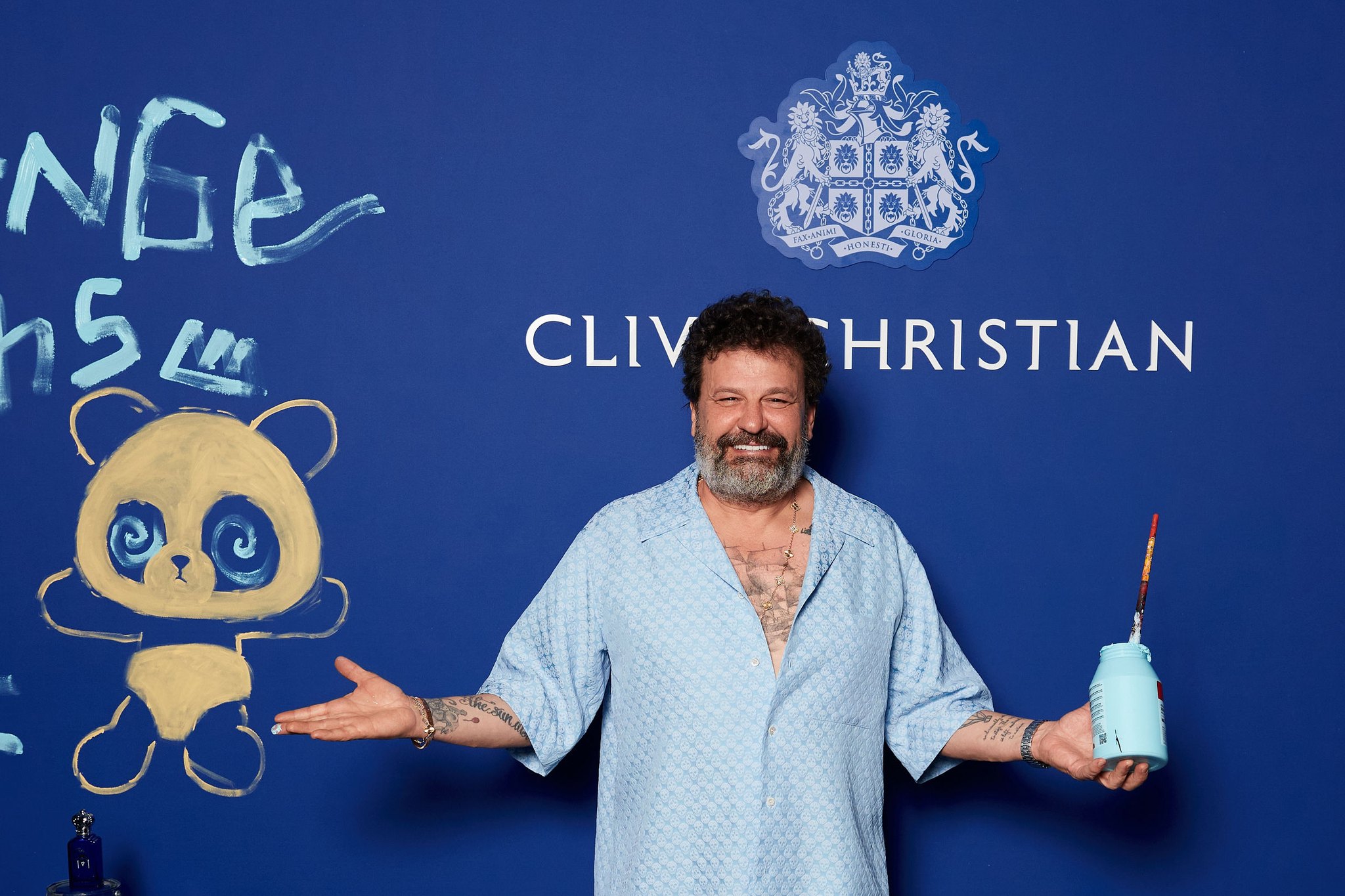
Domingo Zapata Marks 20 Years With a Farewell to His Most Famous Motifs, a Film and a New Way to Collect
Twenty years after selling his first painting, Domingo Zapata is preparing to retire his most beloved motifs, film his novel and offer prints to a new generation of collectors.

Twenty years after selling his first painting, Domingo Zapata is planning his next chapter on his own terms. The artist is preparing to retire some of his most famous motifs for good, bring his novel to the screen and open his world to a new generation of collectors, all while championing a movement that carries his name.
A Boy With a Canvas
Zapata cannot name the moment he fell in love with painting, because he cannot remember a time before it. “I don’t remember a day in my life when I was not painting,” he says. “It’s something that I’ve been obsessed with forever.”
His first canvas came in an art class when he was six years old, the first time a teacher handed him a real surface to fill. That painting was later given to Pope Francis upon their first meeting, to be placed in the Vatican collection.
His parents were not artists. His father was a policeman and his mother a tailor, and together they poured everything into their son’s education. Zapata earned scholarships and finished college in the United States with a degree in political science. When he told his father he wanted to be an artist, the answer was simple: get a job.
From Wall Street to the Studio
So he got one, spending several years on Wall Street in financial marketing. He does not regret them; those years taught him about management and innovation and gave him a network that would matter later. “I kind of ran away from it,” he admits, “but I never stopped my passion.”
About twenty years ago, he finally started to believe in himself as an artist. “I am an artist, and my responsibility is to spread to the world whatever is touching my heart,” he remembers thinking. He sold his first painting, and the career that followed moved fast: successful exhibitions, a signature series of paintings of iconic women, a first Los Angeles show roughly fifteen years ago that drew a visit from Johnny Depp, cover work for The New York Times, his mural in Times Square and, later, an exhibition alongside the Louvre’s Mona Lisa, which he counts among the defining moments of his life.
His influences run from the Old Masters to the street. He calls Velázquez “the best artist ever in history.” French Impressionism “blew my mind away.” Then came Picasso and, in New York, Basquiat and the urban artists. “The combination of that,” he says, “is Zapata.” One series rendered graffiti as Byzantine-style mosaics; graffiti is meant to be fast, mosaic takes forever. “That is the contrast,” he says. “That’s what I’m looking for.”
Asked what defines his hand, he points to the brushstroke. “You can definitely recognize my work by the strokes,” he says. Remarkably, the painter so associated with vivid color is colorblind. He can tell that green and brown are different, but not which is which, and he learned to mix colors to replicate what he sees.
The Zapatista Movement
As others began painting in his manner, Zapata embraced it. “I think it’s more than a style,” he says. “It’s a movement.” He calls it the Zapatista movement, and at its core is a single word: freedom, from any single medium, from established rules and from the idea that art must reach the public only through intermediaries. “Luxury is freedom, and freedom is art,” he says.
The movement is deliberately non-political. “We believe that we cannot make the world a better place, but we can make it beautiful,” Zapata says. Its tenets are instinct over calculation and what he calls “the perfect imperfection,” and it stands firmly behind art education. It is not, he stresses, a school. “We’re not creating a school; we’re creating a movement.” He champions younger artists, naming Joaquin Avila and Malik Roberts among those he admires. “Philanthropy is a key element in the Zapatista movement,” he says. “Somebody had to believe in us in order to be here today.”
The Patron Model
For about fifteen years, Zapata has worked independently, without a long-term gallery contract, returning to the Renaissance model of artists supported directly by patrons. He is not anti-gallery and still works with galleries when it makes sense. “I believe in the personal relationship between the patron and the artist,” he says.
The model has not hurt the value of his work. Most of his standard paintings sell in the six figures, with large-format and multi-panel pieces going considerably higher; works from his Mona Lisa limited series of ten, and the Mona Lisa sold at auction, reached seven figures. His studio chooses buyers carefully. “It’s not about selling a piece of art,” he says. “It’s about finding the right owner, the keeper of that piece of art for the future.”
Giving back has run through all twenty years. His Saint Teresa and Mona Lisa works raised more than $1 million for children, support that has extended to a new children’s hospital and institutions focused on children’s mental health, and he leads workshops for children living below the poverty line. “Art brings hope,” he says. “Art has healing powers.”

2027: Twenty Years, Three Celebrations
Next year marks twenty years since Zapata sold his first painting, and he is marking it with three initiatives.
The anniversary exhibition. In 2027, Zapata will stage a major exhibition surveying the full breadth of his career, gathering an important collection of past works alongside a few designs for the future. The location has not yet been announced. “It’s going to be for everybody, not just for me,” he says, describing it as a way to say goodbye to twenty years of career and to say, “Welcome to another 20 years.”
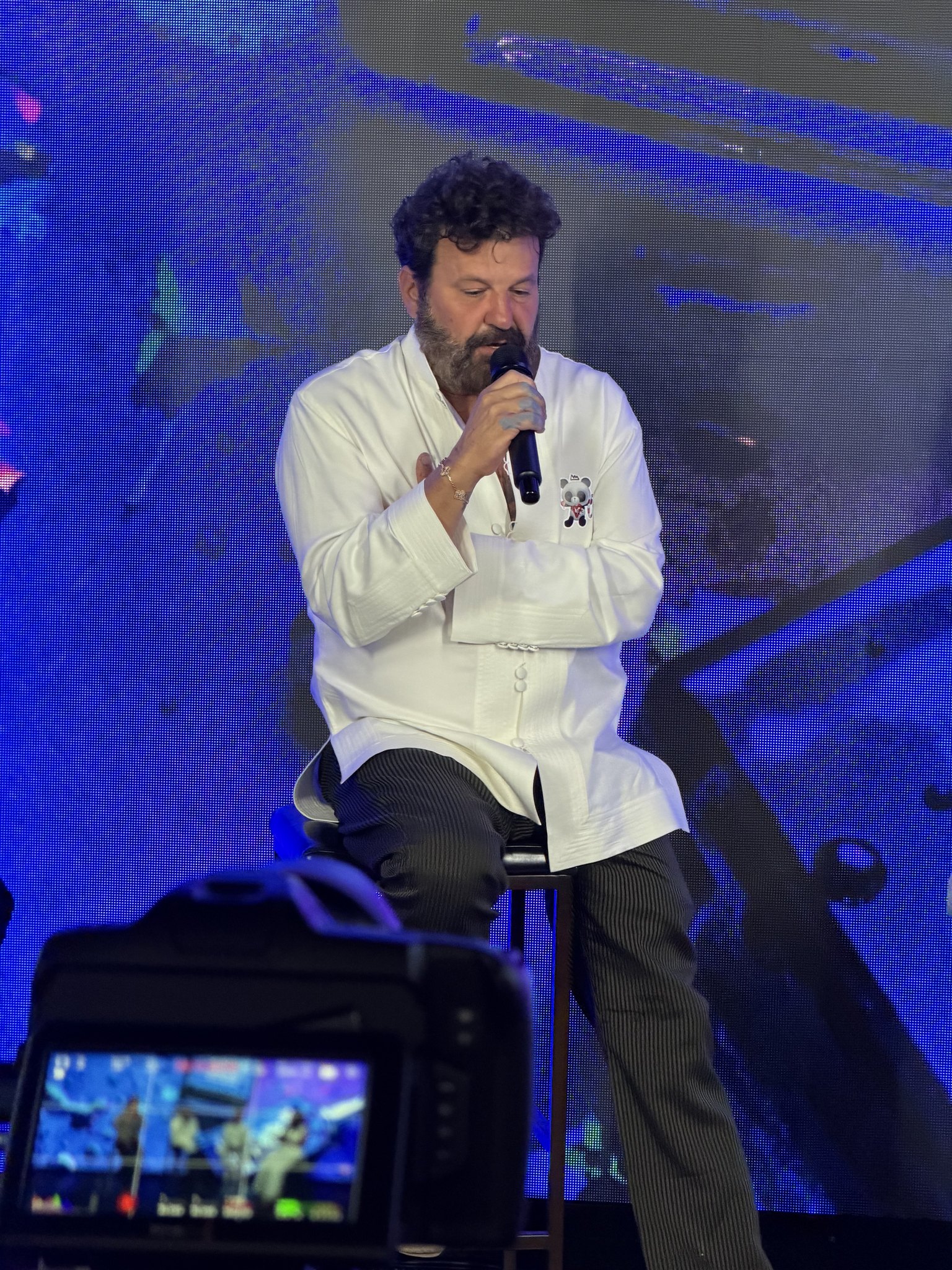
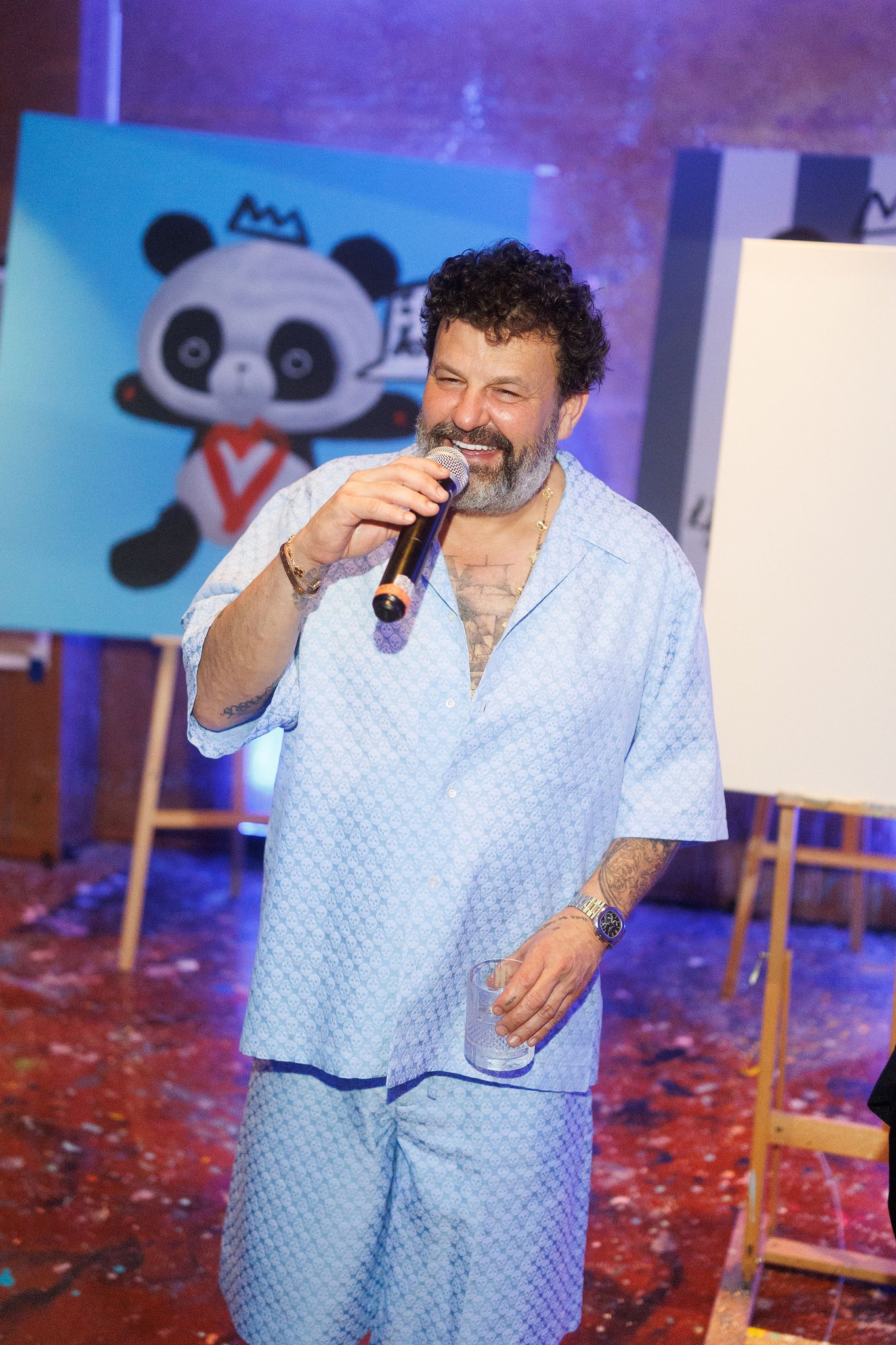
The final ten. Beginning in 2027, Zapata will choose one of his famous motifs each year, among them flamenco, bullfighters, polo, pandas and flowers, and paint ten final canvases for a single dedicated show. After that, the motif is retired forever. These will be the last paintings of each subject he will ever sell, priced above earlier versions. “If I keep painting what I know works, then I am failing in the Zapatista mode,” he says. “It’s gonna force me to a challenge to play new things. But I’m here for it.”
The film, and the prints. Zapata’s novel, The Beautiful Dream of Life, is expected to begin filming in 2027. Like his paintings, it turns on dreams and the uncertain line between dreaming and waking. The same year, he will begin offering prints of his important works for collectors who are not yet ready for a six-figure painting. “It’s time to share with others and give them the opportunity to have something they love at a price they can afford,” he says.
The Next Twenty Years
Even with the anniversary ahead, Zapata is working at a larger scale than ever, concentrating on a project in Saudi Arabia that aims to become the largest mural ever made, a work about family, humanity, sensitivity and the values of living well and respecting one another.
It is a long way from a six-year-old’s first canvas and from the finance graduate whose father told him to get a job. “I have a dream. I will be an artist, and here I am right now,” he says. His advice to the next generation is the message that runs through his canvases, his novel and his movement: “Keep dreaming, because dreams make things happen.”
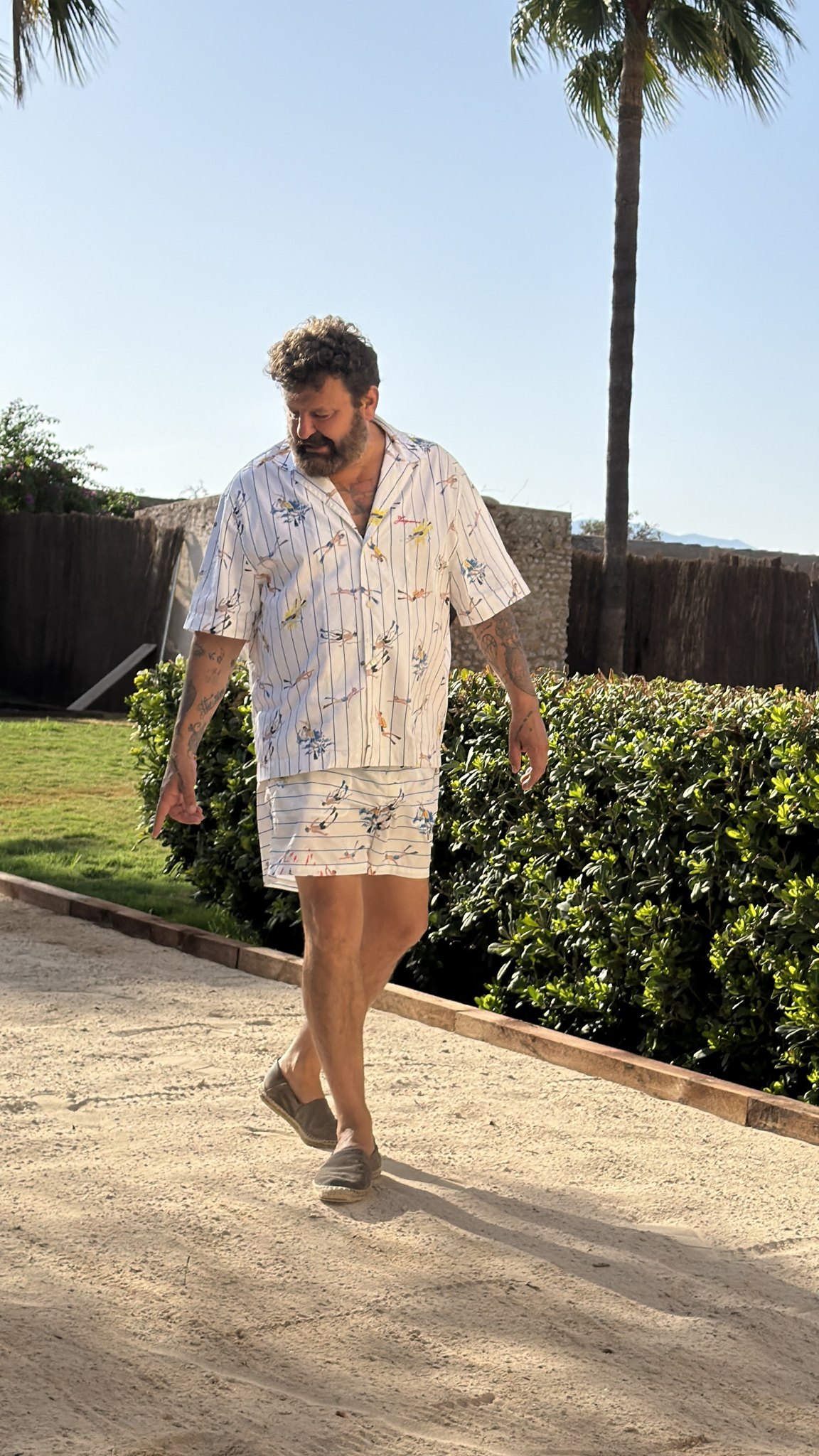
For more on Zapata’s long history with the magazine, read The Haute Living Connection: A Career-Defining Relationship With Renowned Artist Domingo Zapata.
Frequently Asked Questions
What is Domingo Zapata planning for his 20th anniversary?
In 2027 Zapata will stage a major exhibition surveying his career, begin retiring his famous motifs with ten final canvases each, start filming his novel The Beautiful Dream of Life and begin offering prints of his important works.
What is the Zapatista movement?
It is the name Domingo Zapata gives to the artists working in his spirit. Its core idea is freedom from any single medium, from established rules and from intermediaries. It is non-political, supports art education and, he stresses, is a movement rather than a school.
Which motifs is Domingo Zapata retiring?
Beginning in 2027 he will choose one famous motif each year, among them flamenco, bullfighters, polo, pandas and flowers, paint ten final canvases for a dedicated show, and then retire that motif forever.
Does Domingo Zapata work with a gallery?
For about fifteen years he has worked independently, without a long-term gallery contract, selling directly to patrons, though he still works with galleries when it makes sense.
Latest from Haute Living

Flying Private to Art Basel Miami Beach 2026: The Insider’s Arrival Guide
The World’s Most Glamorous Champagne Bars to Celebrate International Champagne Day — Including One in the Trees

The Team Behind Award-Winning Mírate Just Opened One of L.A.’s Most Anticipated Bars — and It Changes Destinations Every 50 Minutes