The Next Chapter of a New York Legend
After an eight-year restoration, Waldorf Astoria New York reopens with Michael Anthony's Lex Yard, Jeff Bell's reborn Peacock Alley.

After an eight-year restoration, Waldorf Astoria New York returns to center stage with exceptional dining, world-class wellness and the timeless glamour that made it an icon.
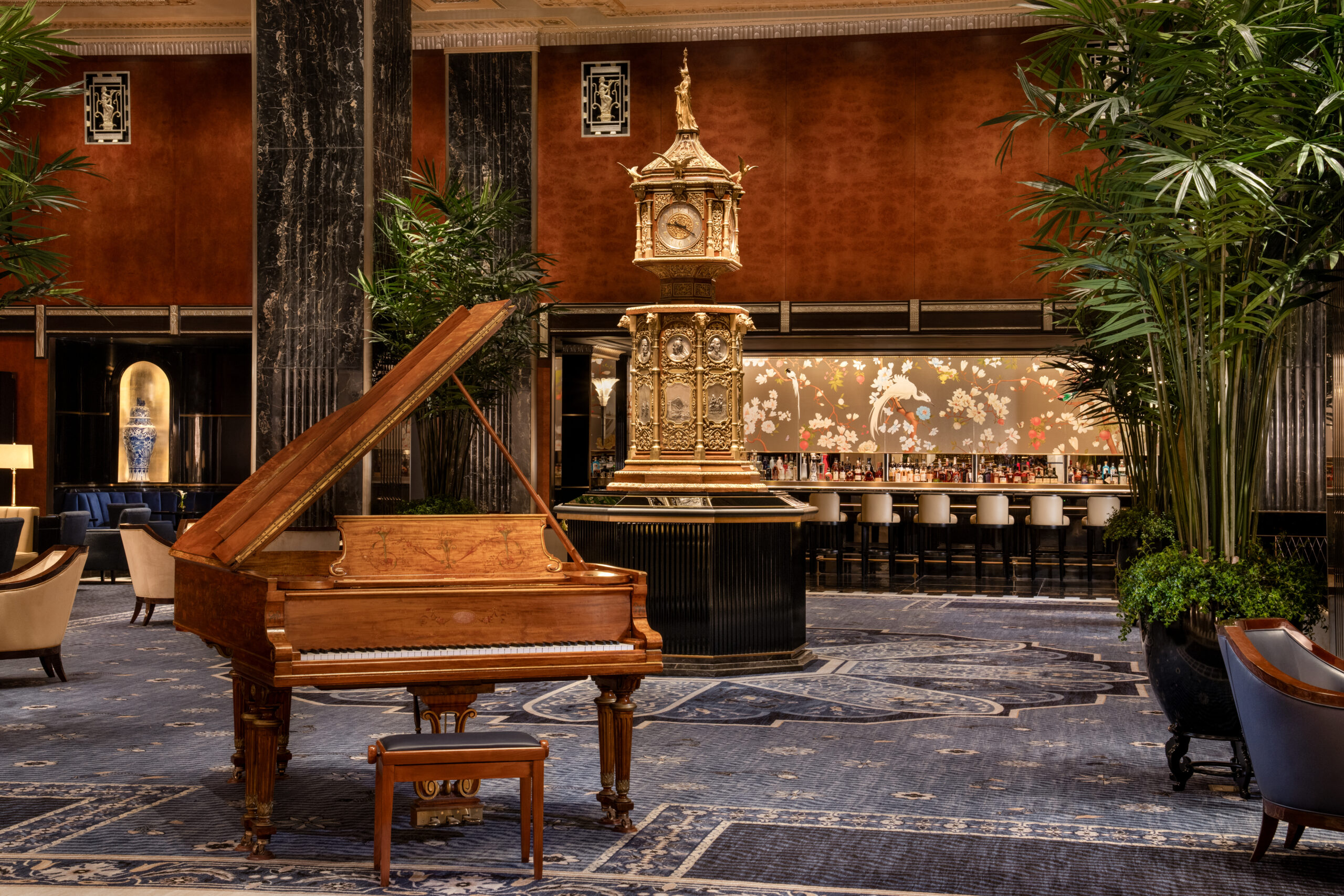
Photo Credit: Waldorf Astoria New York
For nearly a century, Waldorf Astoria New York has occupied a place in the city’s history that few hotels will ever know. It has welcomed presidents and royalty, artists and celebrities, served as home to everyone from Cole Porter to generations of the Hilton family, and become synonymous with a level of glamour that helped define New York itself. Even Paris and Nicky Hilton spent much of their childhood within these storied walls, long before the Hilton name became synonymous with one of the world’s largest hospitality empires. If New York has a grand hotel—one that has transcended hospitality to become a genuine cultural institution—it has always been the Waldorf.
When the hotel closed its doors in 2017, it left behind more than an empty building on Park Avenue. For nearly eight years, one of Manhattan’s most recognizable landmarks disappeared from the rhythm of the city as architects, designers, and preservationists undertook one of the most ambitious hotel restorations in New York’s history. The question was never whether the Waldorf would return—it was whether it could possibly live up to nearly a decade of anticipation. Remarkably, it does.
For the first time in years, those famous bronze doors are open once again, and stepping inside is a surprisingly emotional experience. Not because New York has been waiting for another luxury hotel—there’s certainly no shortage of those—but because the Waldorf has always represented something much bigger. It has never simply been a place to check in. It has been the setting for first dates and state dinners, marriage proposals and black-tie galas, power breakfasts and late-night martinis. It has welcomed presidents, royalty and Hollywood legends, yes, but it has also belonged to generations of New Yorkers who have never spent a night upstairs. Somehow, it has always felt like everyone’s hotel.
What impressed me most wasn’t necessarily what had changed—it was what hadn’t.
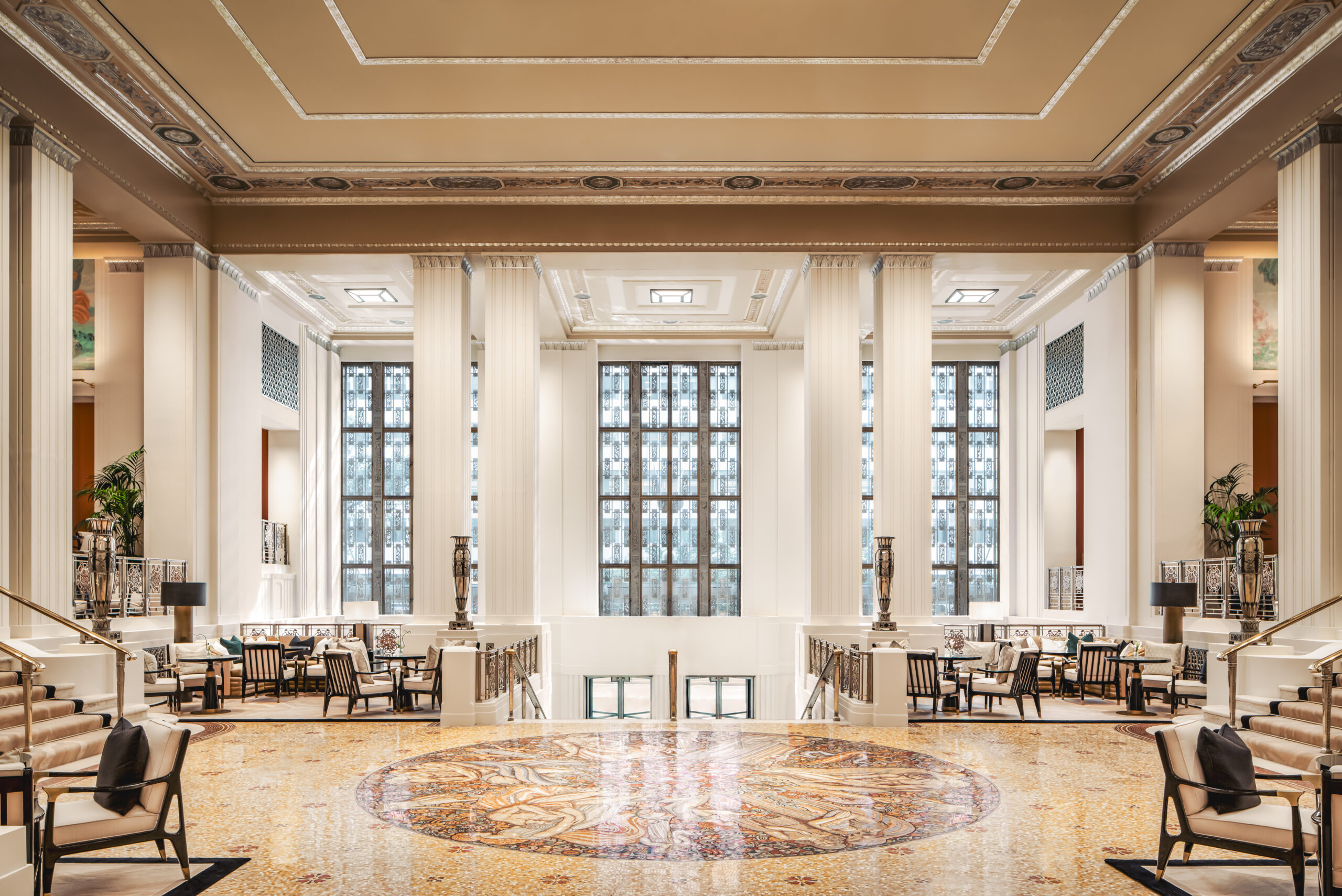
The Waldorf still feels unmistakably like the Waldorf. It simply feels lighter, brighter and more relevant than it has in decades.
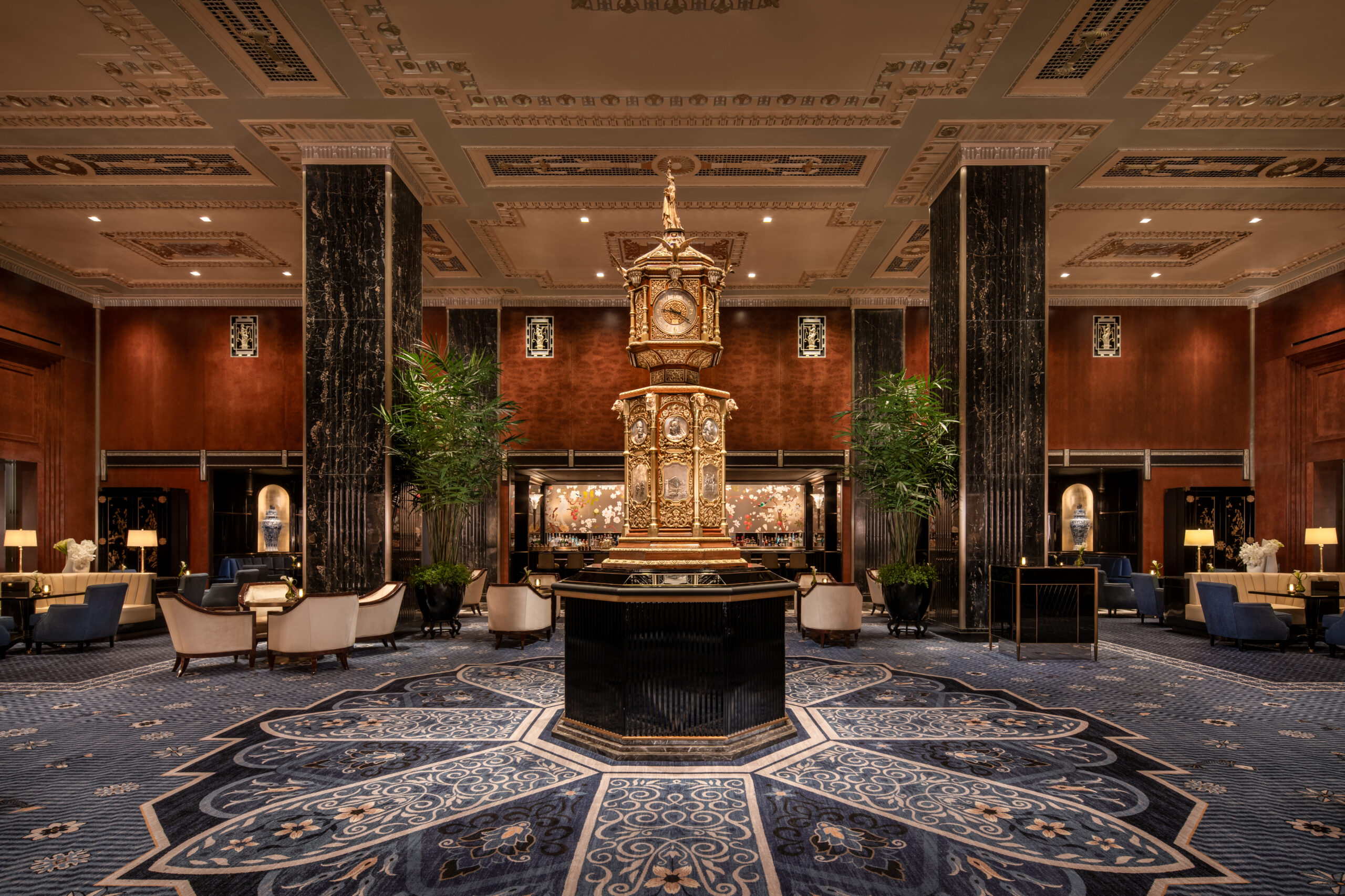
Rather than reinventing an icon, the design team wisely chose to reveal it. Layers of renovations have been peeled away to uncover the hotel’s extraordinary Art Deco bones, allowing marble, bronze detailing, murals and decorative plasterwork to reclaim their rightful place at center stage. Natural light now floods spaces that once felt comparatively enclosed, while thoughtful contemporary interventions blend seamlessly into the historic architecture. It never feels like a museum frozen in time, nor does it resemble one of the increasingly flashy luxury hotels competing for attention across Manhattan. Instead, it feels exactly as the Waldorf should: elegant, restrained and completely comfortable in its own skin.
One of the smartest decisions made during the transformation had nothing to do with marble or chandeliers. It was giving guests something that’s become surprisingly rare in Manhattan: space. The original 1,400-room hotel has been thoughtfully reimagined into just 375 guest rooms and suites, creating some of the largest accommodations in the city. The result isn’t simply more luxurious—it’s more livable. Rooms feel less like traditional hotel accommodations and more like beautifully designed Park Avenue residences, balancing timeless elegance with every modern comfort today’s traveler expects.
Of course, no visit to the Waldorf truly begins in your room. It begins in Peacock Alley.
For generations, Peacock Alley has served as New York’s unofficial living room. Long before Instagram made hotel lobbies destinations in their own right, this was where New Yorkers came to see and be seen. Deals were quietly negotiated over martinis, celebrations began with Champagne, and visitors instinctively gravitated toward one unmistakable landmark: the Waldorf Astoria Clock.
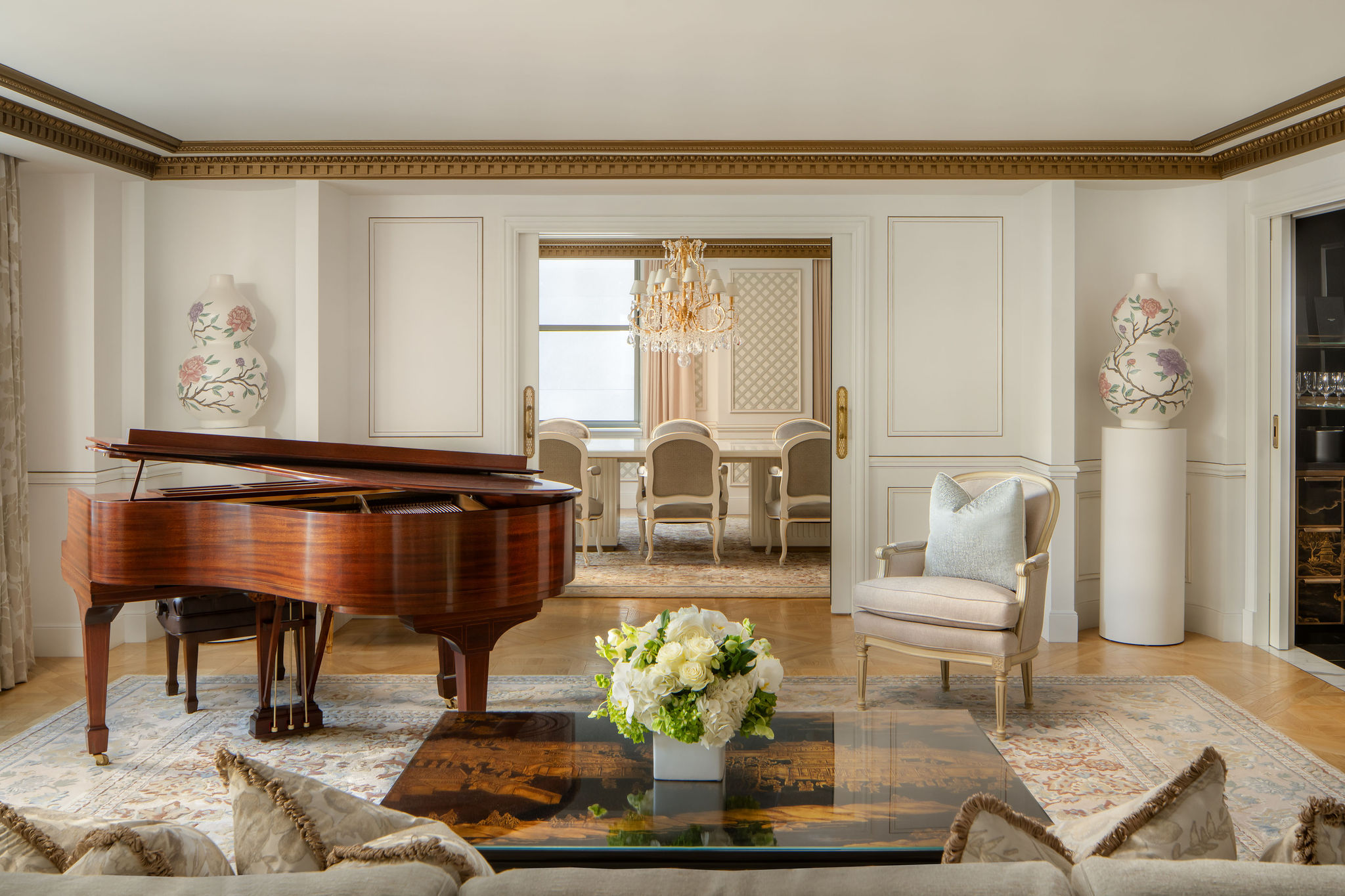
Photo Credit: Waldorf Astoria New York
I did exactly the same.
Without even thinking about it, I found myself walking toward the magnificent timepiece almost immediately. Crafted in London for the 1893 World’s Columbian Exposition before eventually finding its permanent home here, the clock has become one of New York’s most beloved meeting places. “Meet me at the clock” isn’t simply a phrase—it’s part of the city’s cultural vocabulary. Watching guests naturally gather beneath it once again is a reminder that some traditions deserve to be preserved.
Just steps away sits another priceless piece of Waldorf history: Cole Porter’s Steinway piano. The legendary composer lived at the hotel for more than three decades, and his beautifully restored piano once again fills Peacock Alley with live music throughout the day. Combined with soaring marble columns, impeccable service and the gentle hum of conversation, the atmosphere feels effortlessly sophisticated. People don’t rush through Peacock Alley—they linger. One cocktail has a funny way of turning into an entire evening.
And that’s exactly as it should be.
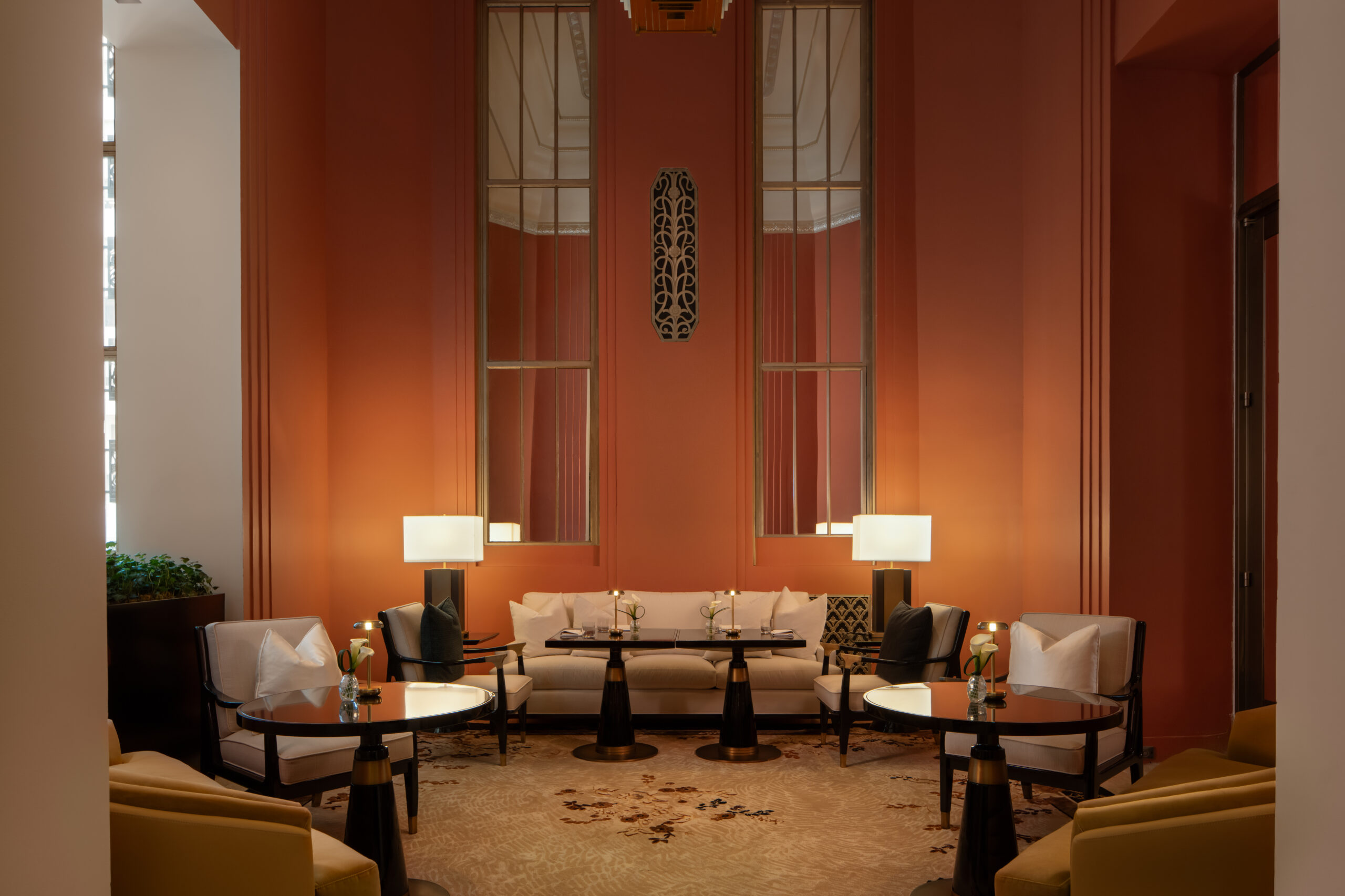
Photo Credit: Joe Thomas
Cocktails, after all, have always been part of the Waldorf’s story, so bringing in Jeff Bell—the James Beard Award-winning bartender behind Please Don’t Tell—to oversee the beverage program was an inspired decision. His cocktails honor classic New York drinking culture while feeling entirely contemporary, striking the same balance the hotel itself achieves so beautifully. Martinis arrive perfectly chilled, signature drinks thoughtfully reference the property’s extraordinary history without ever feeling gimmicky, and every detail reflects the quiet confidence that defines the Waldorf today. This isn’t simply one of New York’s best hotel bars. It’s once again one of New York’s best bars, period.
Just beyond Peacock Alley, Lex Yard feels destined to become a Midtown institution in its own right. Michael Anthony is exactly the right chef for this moment. Rather than chasing culinary theatrics, the longtime Gramercy Tavern chef focuses on beautifully sourced ingredients, impeccable technique and the kind of quietly confident cooking that never goes out of style. The now-famous Royal Osciètre Gold Caviar Sando is worth every decadent bite, while beautifully executed seafood and seasonal dishes showcase Anthony’s remarkable ability to elevate familiar ingredients without unnecessary flourish. The two-story dining room, designed by AvroKO, feels polished without becoming intimidating—a place where power lunches seamlessly transition into celebratory dinners and where locals are just as likely to become regulars as hotel guests. That’s perhaps the greatest compliment any hotel restaurant can receive.
For a completely different experience, Yoshoku offers one of the property’s most intimate dining rooms. Inspired by the artistry of kaiseki cuisine while embracing New York’s cosmopolitan spirit, the restaurant delivers beautifully composed tasting menus alongside exceptional à la carte offerings, all paired with an equally thoughtful beverage program featuring premium sake, Japanese whisky and Champagne. Set beside Louis Rigal’s magnificent Wheel of Life mosaic, it’s one of those hidden spaces that feels almost like discovering a well-kept secret within one of the world’s most famous hotels.
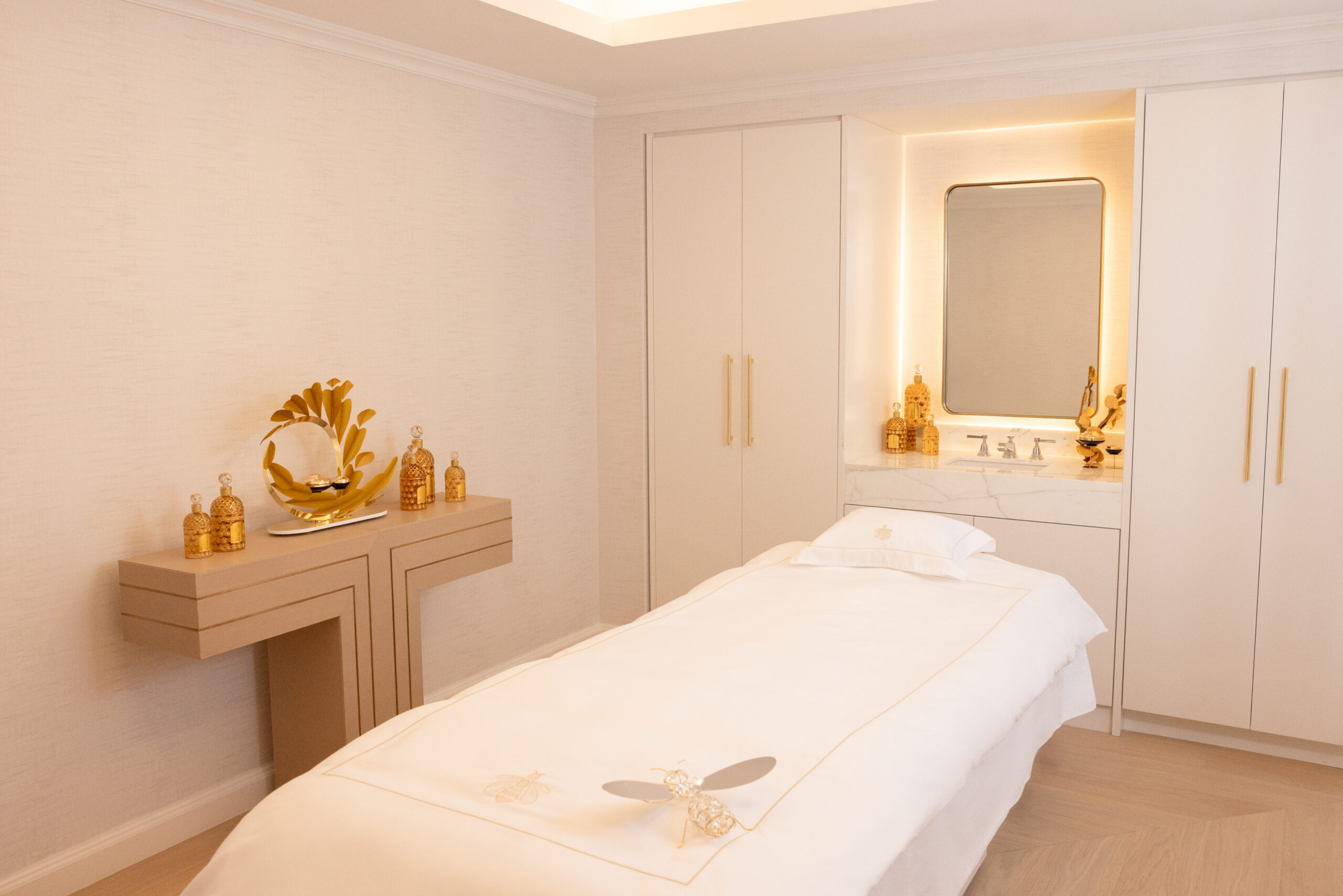
Photo Credit: Waldorf Astoria New York
As exceptional as the dining program is, however, it was another part of the hotel that completely stole the show.
If there’s one reason I’d happily book a staycation here tomorrow, it’s the Guerlain Wellness Spa.
Occupying an astonishing 22,000 square feet, it’s the largest Guerlain spa anywhere in the world—and it shows. While many luxury hotel spas feel like beautiful afterthoughts tucked away below guest rooms, this is a destination in its own right. Guests move effortlessly between a Moroccan hammam, infrared sauna, aromatic steam rooms, cryotherapy chamber and an Arctic snow cave before retreating to one of sixteen beautifully appointed treatment rooms. The programming goes well beyond traditional massages and facials, embracing a holistic philosophy centered around nutrition, movement, sleep and mindfulness while incorporating cutting-edge technology that somehow never feels cold or clinical. Instead, it feels deeply restorative.
What stayed with me most wasn’t the cryotherapy or even the remarkable technology. It was the feeling.
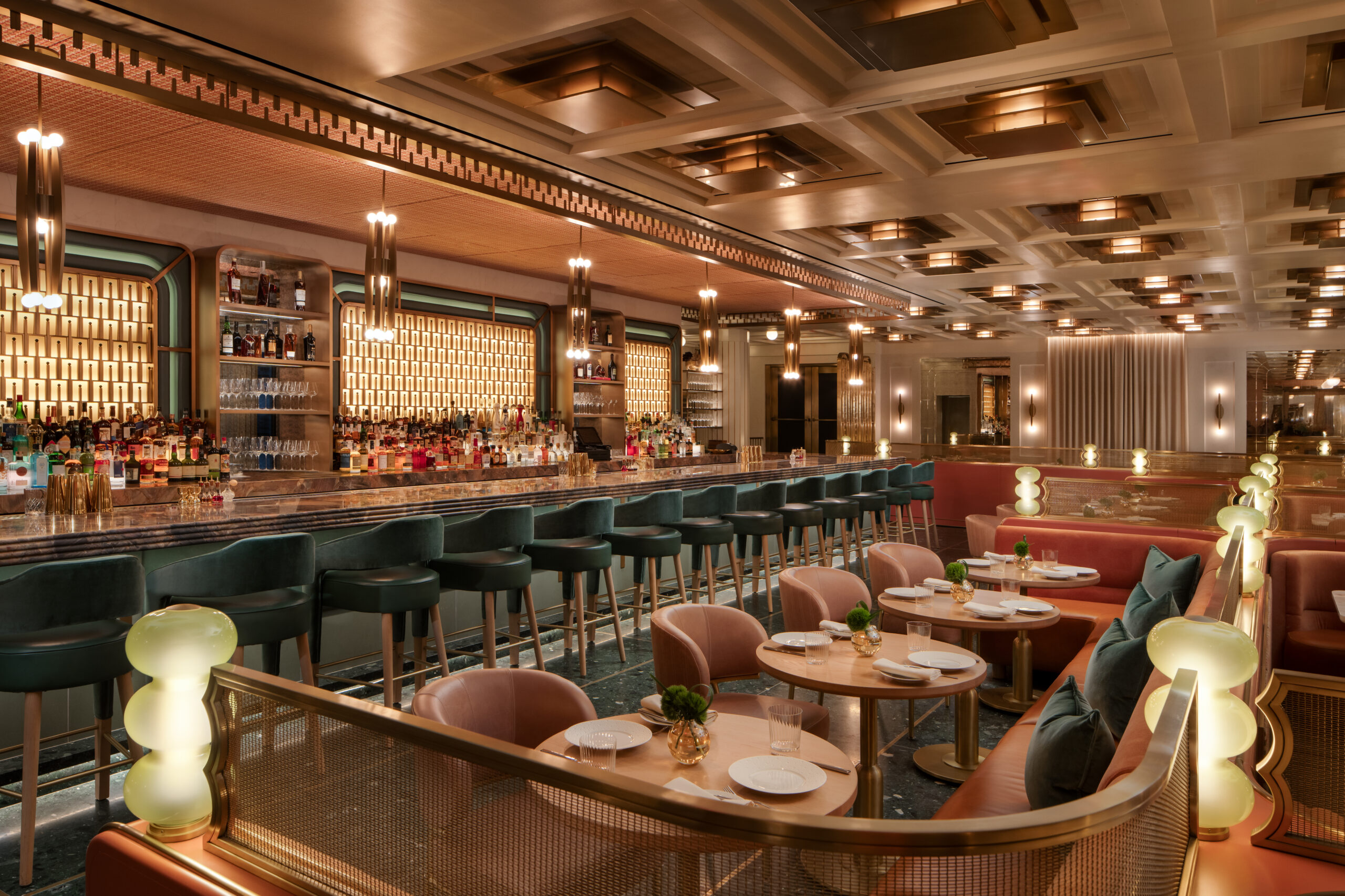
Photo Credit: Waldorf Astoria New York
Outside, Midtown Manhattan moves at its usual relentless pace. Inside the spa, time seems to slow almost immediately. In a city that rarely gives you permission to stop, the Waldorf has created a sanctuary where slowing down feels entirely natural. In many ways, it perfectly captures what modern luxury has become. It’s no longer simply about beautiful surroundings. It’s about how those surroundings make you feel.
Luxury hotels open in New York every year. Few become part of the city’s identity. The Waldorf accomplished that nearly a century ago, and after spending time wandering Peacock Alley, lingering over cocktails, discovering Michael Anthony’s exceptional dining and retreating into the extraordinary Guerlain Wellness Spa, I have little doubt it’s about to do it all over again.
The marble is back. The chandeliers sparkle once more. Peacock Alley hums with conversation, and the famous clock is once again surrounded by people meeting friends, celebrating milestones or simply pausing to admire one of New York’s great landmarks.
The Waldorf Astoria New York isn’t living off its legendary past.
It’s reminding us why it became legendary in the first place.
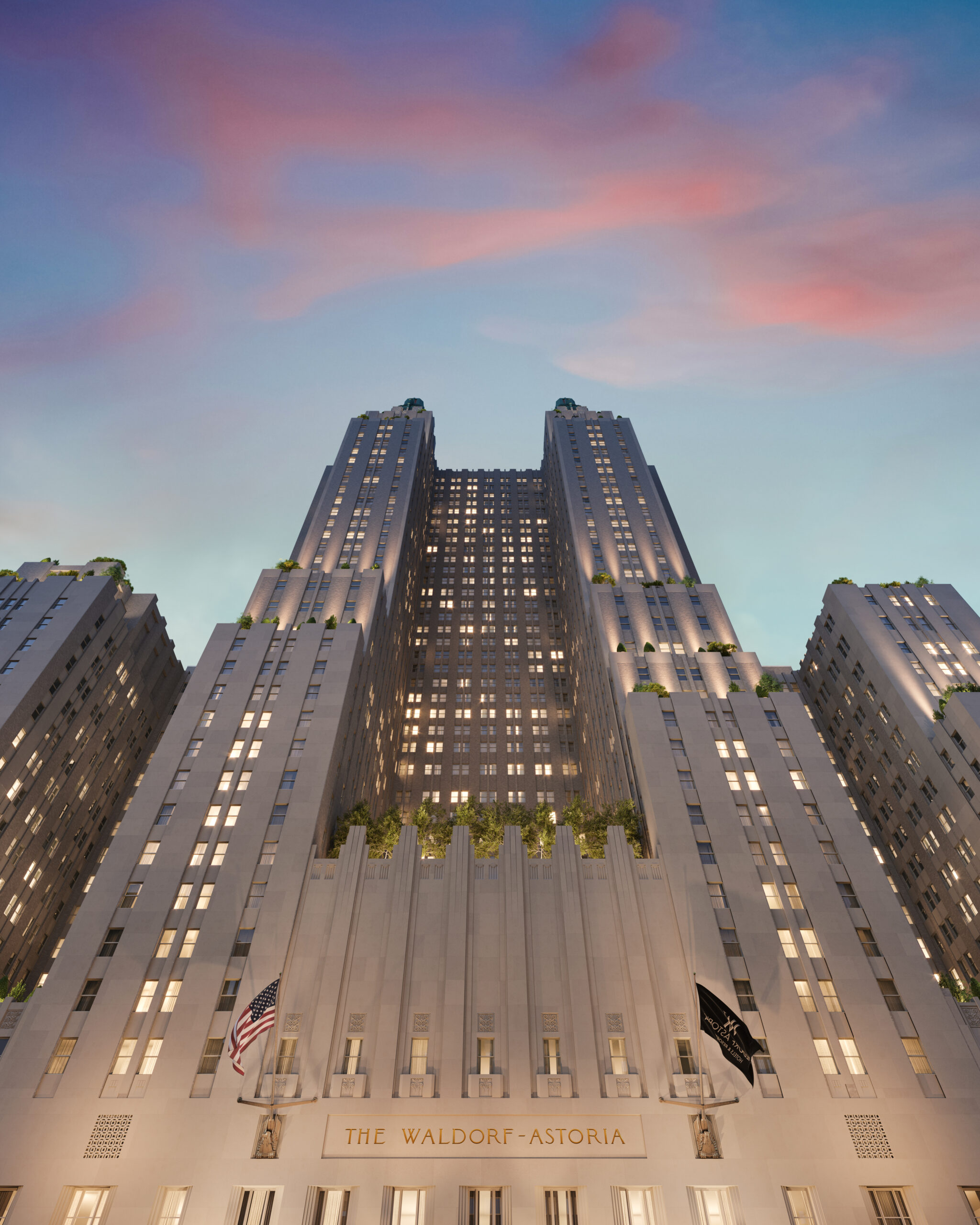
Photo Credit: Waldorf Astoria New York
The Waldorf Astoria New York is located at 301 Park Ave, New York, NY 10022.
For more of Haute Living’s New York coverage, see and .
THE HAUTE READ
After an eight-year, $2 billion-plus restoration, Waldorf Astoria New York reopens with a reborn Peacock Alley led by bartender Jeff Bell, Michael Anthony’s new restaurant Lex Yard, and the world’s largest Guerlain spa, proving the century-old icon hasn’t lost its cultural weight.
through Haute Black.
Haute Living access. Two decades inside the world’s best hotels.
Virtuoso partner. Upgrades & VIP arrival at 1,200+ properties.
One advisor. Who knows you by name.
Latest from Haute Living

Kith for Salomon Winter 2026: The XT-4K Mid Debuts, the XT-VYGR 2 Returns & Ronnie Fieg Takes On the XT-4 OG
Haute Insider: Designer Brittny Button’s Guide to F1 Austin
Haute Escape: Why the New Ritz-Carlton Key Biscayne Is Miami’s Ultimate Staycation