Dermatology
Dermatologist vs. Med Spa for Botox and Filler
Published · Haute MD Editorial Team
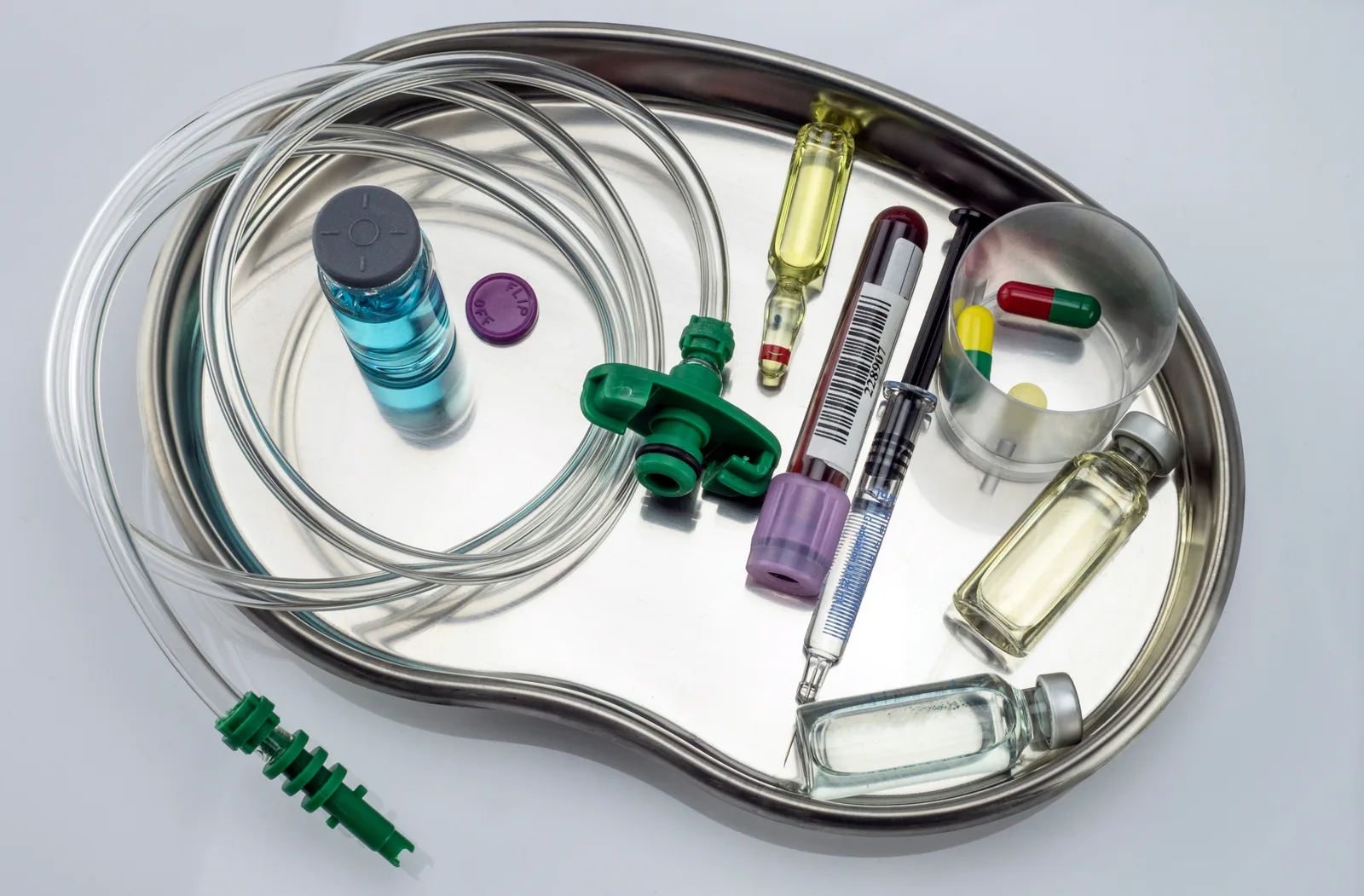
The difference that matters isn't the room, it's who examines you, who injects you, and where the product came from. A dermatologist's office is a physician practice. A board-certified dermatologist is certified by the American Board of Dermatology, an ABMS member board, and is accountable for your care. "Med spa" describes a business, not a license, so medical leadership and the injector's credentials vary from one location to the next. Botox and filler are medical procedures wherever they happen. The FDA says "having filler injected should be considered a medical procedure, not a cosmetic treatment." So whichever setting you choose, confirm the injector's license and training, ask who handles complications, and make sure the product is FDA-approved and comes from an authorized source.
At a glance
| Dermatologist's office | Med spa | |
|---|---|---|
| What it is | A physician practice | A business type; medical leadership varies by location |
| Who evaluates you | The dermatologist or a clinician they name; ask | Varies by business and by state law; ask by name |
| Who injects | The dermatologist or a named clinician on staff; ask | Varies; ask by name and license |
| Credential you can verify | ABMS board certification in dermatology (certificationmatters.org) plus a state medical license | The injector's state license (medical, PA, NP or nursing board) and the medical director's name and license |
| Oversight | A licensed physician practice | The AAD Association and the New York State dermatology society said in January 2026 that, unlike a physician office, medspas "do not have clear regulations or oversight from federal or state agencies" |
| Product | Should be FDA-approved and bought from an authorized source | Same requirement; ask to see the sealed carton |
| Complications | Handled by the treating physician | Ask who is on site and who you call after hours |
What the agencies and the specialty society say
- FDA on fillers: seek "a licensed health care provider with experience in the fields of dermatology or plastic surgery," choose someone "trained to perform the dermal filler injection procedure," don't inject yourself, and don't buy fillers online, "because they could be counterfeit products or products that are not approved for use in the U.S." Needle-free devices "are not approved by the FDA for the injection of dermal fillers."
- FDA on counterfeit Botox (2024): counterfeit product was "injected by licensed and unlicensed individuals and/or in non-medical or unlicensed settings." FDA told consumers to confirm the product is from an authorized source and to ask the provider "if they are licensed and trained to administer the product." Authentic Botox Cosmetic cartons list the active ingredient as "onabotulinumtoxinA."
- CDC (Health Alert Network, Apr. 23, 2024): 22 people in 11 jurisdictions had adverse effects after botulinum toxin injections. All "reported receiving botulinum toxin injections by unlicensed or untrained individuals or in non-healthcare settings, including homes or spas," and 11 were hospitalized. CDC's advice: "Get injections only from licensed and trained professionals in licensed or accredited healthcare settings."
- American Academy of Dermatology: never get botulinum toxin injections at a "non-medical spa," a party, a salon or someone's home. In a January 2026 statement, the AAD Association and the New York State Society of Dermatology and Dermatologic Surgery joined the New York City Council in urging New York lawmakers to require medspas and similar businesses to disclose that they are "not licensed to perform medical procedures," and said cosmetic procedures "are safest when performed in a dermatologist's office or under the direct, on-site supervision of a physician."
When a dermatologist's office makes more sense
- It's your first treatment and you want a physician to assess your anatomy and skin first.
- You have a skin condition (acne, rosacea, eczema) or a history of reactions, scarring or keloids.
- The area is higher-risk. The FDA lists unintended injection into a blood vessel, which can cause tissue death, vision problems including blindness, or stroke, among filler risks.
- You're correcting or dissolving earlier filler, or combining treatments.
- You want the person who examines you to be the person who injects you.
If you choose a med spa
- Ask for the medical director's name and look up their license and board certification.
- Ask who will inject you today, their license type, and whether that person examined you.
- Ask whether a physician is on site during your treatment and how complications are handled after hours.
- Ask to see the sealed carton and lot number. For Botox Cosmetic, look for "onabotulinumtoxinA" on the carton and vial.
- Walk away if the offer seems too good to be true, you can't see the packaging, or the product was bought online.
How to compare providers, step by step
- Check the physician's board certification on the ABMS lookup at certificationmatters.org. ABMS describes certification as "an independent evaluation of a physician or specialist's knowledge and skills to practice safely and effectively in a specialty."
- Check the injector's state license with the state medical, PA, NP or nursing board.
- Book a consultation and ask who evaluates you and who injects you.
- Ask about the product: brand, FDA approval for the area being treated, and where it was purchased.
- Ask about complications: what they watch for, what they keep on hand, and who you call at night.
- Get the plan and consent in writing before any treatment.
- Report problems. FDA takes reports of suspected counterfeit products and adverse events through MedWatch.
Checklist before Botox or filler, in any setting
- Physician's board certification checked (certificationmatters.org)
- Injector's license type and number confirmed
- Same person, or a supervised team, for evaluation and injection
- Physician on site, or a named physician reachable for complications
- Product name confirmed as FDA-approved; sealed carton and lot number shown
- Nothing purchased online or brought in by the patient
- Risks, alternatives and after-care explained in writing
- After-hours contact number provided
Talk to a dermatologist
Browse Dermatologists or Find a Doctor on Haute MD.
Featured doctors: Dr. Lisa Airan, a board-certified cosmetic dermatologist in Manhattan whose practice includes injectables such as Botox and dermal fillers; Dr. Jessica Weiser, a board-certified dermatologist and laser specialist and the founder of Weiser Skin MD in SoHo, New York, with a practice in Aspen, Colorado, whose services include Botox and dermal fillers; and Dr. S. Manjula Jegasothy, a board-certified aesthetic dermatologist and the founder and medical director of Miami Skin Institute in Coral Gables, Florida, whose work includes Botox Cosmetic and dermal fillers.
Related
- Physician-Led Med Spa vs Spa Offering Injectables
- What Is a Med Spa? Safety & How to Choose
- What Is Medical Spa Treatment?
- Board Certified vs. Board Eligible
- What Is Board Certification in Dermatology?
- Dermatologist vs. Esthetician
- Questions to Ask Before Botox or Fillers
- Filler Complications: What They Are and How They're Managed
- What Is Botox?
- What Are Dermal Fillers?
Sources
- U.S. Food and Drug Administration, "Dermal Fillers (Soft Tissue Fillers)." https://www.fda.gov/medical-devices/aesthetic-cosmetic-devices/dermal-fillers-soft-tissue-fillers (checked Nov. 18, 2026)
- U.S. Food and Drug Administration, "Counterfeit Version of Botox Found in Multiple States" (Apr. 16, 2024; updated May 1, 2024). https://www.fda.gov/drugs/drug-alerts-and-statements/counterfeit-version-botox-found-multiple-states (checked Nov. 18, 2026)
- Centers for Disease Control and Prevention, HAN 00507, "Adverse Effects Linked to Counterfeit or Mishandled Botulinum Toxin Injections" (Apr. 23, 2024). https://www.cdc.gov/han/2024/han00507.html (checked Nov. 18, 2026)
- American Academy of Dermatology, "Botulinum toxin therapy: FAQs." https://www.aad.org/public/cosmetic/wrinkles/botulinum-toxin-faqs (checked Nov. 18, 2026)
- American Academy of Dermatology Association and New York State Society of Dermatology and Dermatologic Surgery, joint statement on the New York City Council medspa investigation (Jan. 6, 2026). https://www.aad.org/news/joint-statement-new-york-medspa-investigation (checked Nov. 18, 2026)
- American Board of Medical Specialties, "What is ABMS Board Certification?" https://www.abms.org/verify-certification/ and Certification Matters lookup https://www.certificationmatters.org/ (checked Nov. 18, 2026)
This guide is general information, not medical advice. Talk to a qualified physician about your situation.
Frequently Asked Questions
Is it safe to get Botox at a med spa?
It can be, if a licensed, trained injector uses an FDA-approved product from an authorized source with real medical oversight. The CDC advises getting injections only from licensed and trained professionals in licensed or accredited healthcare settings. Ask who will inject you and who handles complications.
Should I get filler at a med spa or a dermatologist?
The FDA recommends a licensed health care provider with experience in dermatology or plastic surgery who is trained in filler injection, and says filler should be considered a medical procedure. A dermatologist's office may suit first treatments, higher-risk areas or corrections. If you choose a med spa, verify the injector's license and the supervising physician.
Who can inject Botox and filler?
It depends on state law, including which licensed clinicians may inject and what physician supervision is required. Check your state's medical and nursing boards for the rules where you live, and ask any injector for their license type and number.
How do I check if a dermatologist is board-certified?
Search the physician's name on certificationmatters.org, the American Board of Medical Specialties lookup, and look for certification by the American Board of Dermatology. Check the state medical license separately.
What are the warning signs of counterfeit Botox?
In its 2024 alert, the FDA said authentic Botox cartons list "onabotulinumtoxinA" as the active ingredient, while counterfeit cartons showed "Botulinum Toxin Type A," a 150-unit dose AbbVie doesn't make, lot number C3709C3, or non-English text. Ask to see the sealed carton before treatment.
Get Help Now
Speak with a Haute MD Dermatology physician
Are you a Dermatology physician?
Join Haute MD Network and have your profile featured alongside these answers.
Apply for the NetworkRelated Guides
Guide · DOCTOR-SELECTION/DERMATOLOGIST
What Is the Difference Between a Dermatologist and an Esthetician?
A dermatologist is a physician (MD or DO) who completed medical school plus a 3-year dermatology residency and can diagnose disease, prescribe medications,.
Read GuideGuide · DOCTOR-SELECTION/DERMATOLOGIST
What Is Board Certification in Dermatology?
Board-certified dermatologists have completed a 4-year dermatology residency and passed ABMS examinations. Learn what ABD certification means and how to verify it.
Read Guide