Procedure Guide
What Is PRP Hair Restoration?
By Haute MD Editorial Team · January 2026 · 6 min read · Last updated: May 2026
Direct Answer
PRP (platelet-rich plasma) hair restoration uses the patient's own blood — processed to concentrate growth factors — injected into the scalp to stimulate follicle activity and reduce hair loss. Results develop over 3-6 months with a series of treatments.
Who It's For
- Men and women with early to moderate androgenetic (pattern) hair loss
- Patients with thinning hair who want to delay or augment medical and surgical hair restoration
- Post-transplant patients seeking to optimize graft survival and growth
- Patients with telogen effluvium (stress-related shedding) or general hair thinning
How It Works
A small blood sample is drawn from the patient, then spun in a centrifuge to separate platelet-rich plasma from other blood components. The concentrated PRP — rich in growth factors like PDGF, VEGF, and EGF — is injected into the scalp at the level of the hair follicles. These growth factors stimulate dormant follicles, prolong the anagen (growth) phase, and improve the local vascular environment that supports hair growth.
Recovery & What to Expect
There is essentially no downtime. Mild redness and tenderness at the injection sites is normal and resolves within 24-48 hours. Patients can wash their hair the next day. A typical protocol involves 3 initial treatments spaced 4-6 weeks apart, followed by maintenance every 4-6 months. Visible improvement in hair density and reduced shedding typically emerges at 3-6 months and continues with ongoing maintenance.
How to Choose a Provider
Choose a board-certified dermatologist or a physician with documented hair restoration expertise. Confirm the practice uses a true double-spin PRP system (not a single-spin device, which produces lower platelet concentrations) and that platelet concentration is measured and reported. Ask about the practice's specific protocol — injection depth, technique, and frequency — and review their own patient results.
Featured Haute MD Physicians
Frequently Asked Questions
Does PRP actually work for hair loss?
Multiple peer-reviewed studies have demonstrated that PRP can increase hair density and thickness in patients with androgenetic alopecia, particularly when used early and consistently. Results vary by patient — those with active follicles respond better than those with completely scarred or dormant areas.
How many PRP treatments do I need?
A standard initial protocol involves 3 treatments spaced 4-6 weeks apart, followed by maintenance every 4-6 months. Some patients benefit from a more intensive initial series of 4-6 sessions.
Is PRP painful?
Most patients describe PRP as moderately uncomfortable. Topical numbing, ice, or a vibrating distraction device dramatically reduces the sensation. The actual injection time is typically 10-15 minutes.
How long do PRP results last?
Without maintenance, results typically begin to regress at 6-12 months. With ongoing maintenance treatments every 4-6 months, results can be sustained long-term.
Can PRP be combined with other hair loss treatments?
Yes. PRP is often combined with finasteride or topical minoxidil for synergistic results, and is also used to optimize outcomes from hair transplantation. A board-certified dermatologist can design an individualized program.
Who are the best PRP hair restoration providers?
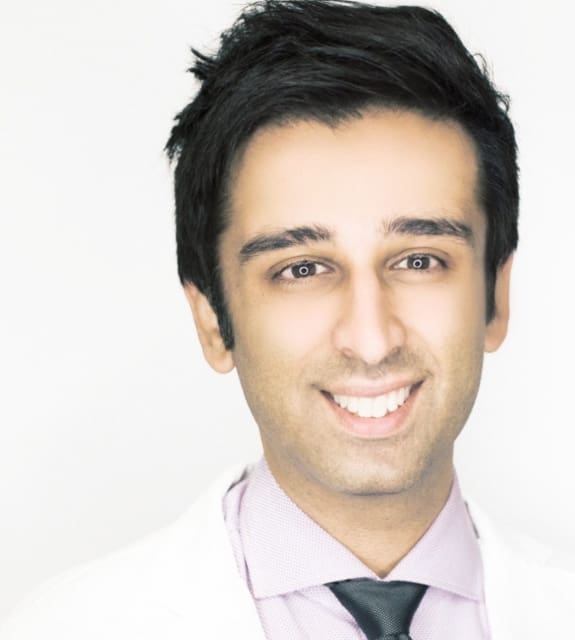
Haute MD's featured hair restoration providers include Dr. Dhaval Bhanusali at Hudson Dermatology & Laser Surgery in Manhattan — a board-certified dermatologist nationally recognized for medical hair loss expertise.
Haute MD Network
Find a Haute MD physician for prp hair restoration
Independently vetted, editorially featured by Haute Living.
Find a PhysicianImportant Disclaimer
Haute MD Network does not provide medical advice, does not guarantee patient inquiries, search rankings, AI citations, Google News placement, or medical outcomes. Profiles and editorial features are designed to support professional visibility and help patients, referral sources, search engines, and AI platforms better understand member information. Patients should consult directly with a licensed medical professional before making healthcare decisions.