

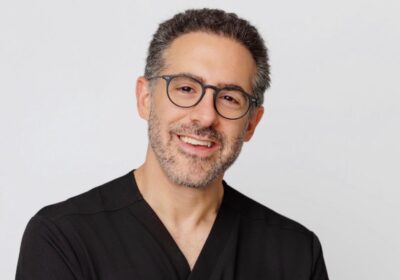






It is a profound honor to serve as Co-Director of the AAFPRS-accredited Facial Plastic Surgery Fellowship at the University of Pennsylvania, where I hold joint appointments in Facial Plastic Surgery and Plastic Surgery. This dual academic home reflects the very nature of our specialty: a discipline that lives at the intersection of aesthetic artistry and reconstructive precision, and one that demands fluency across both worlds to truly master the face.
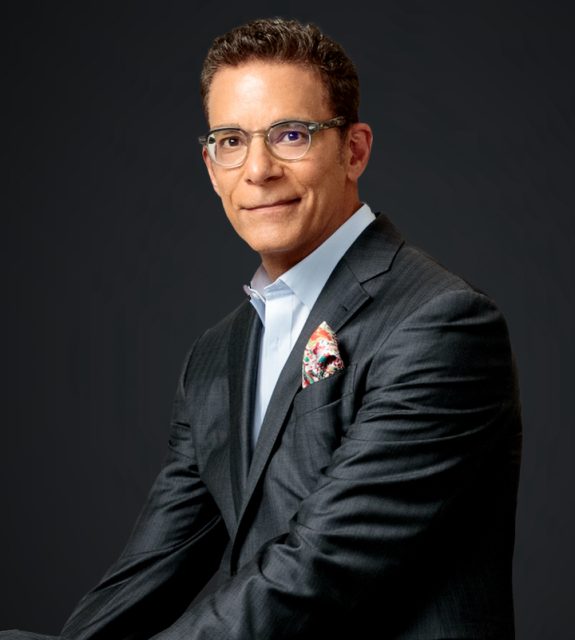
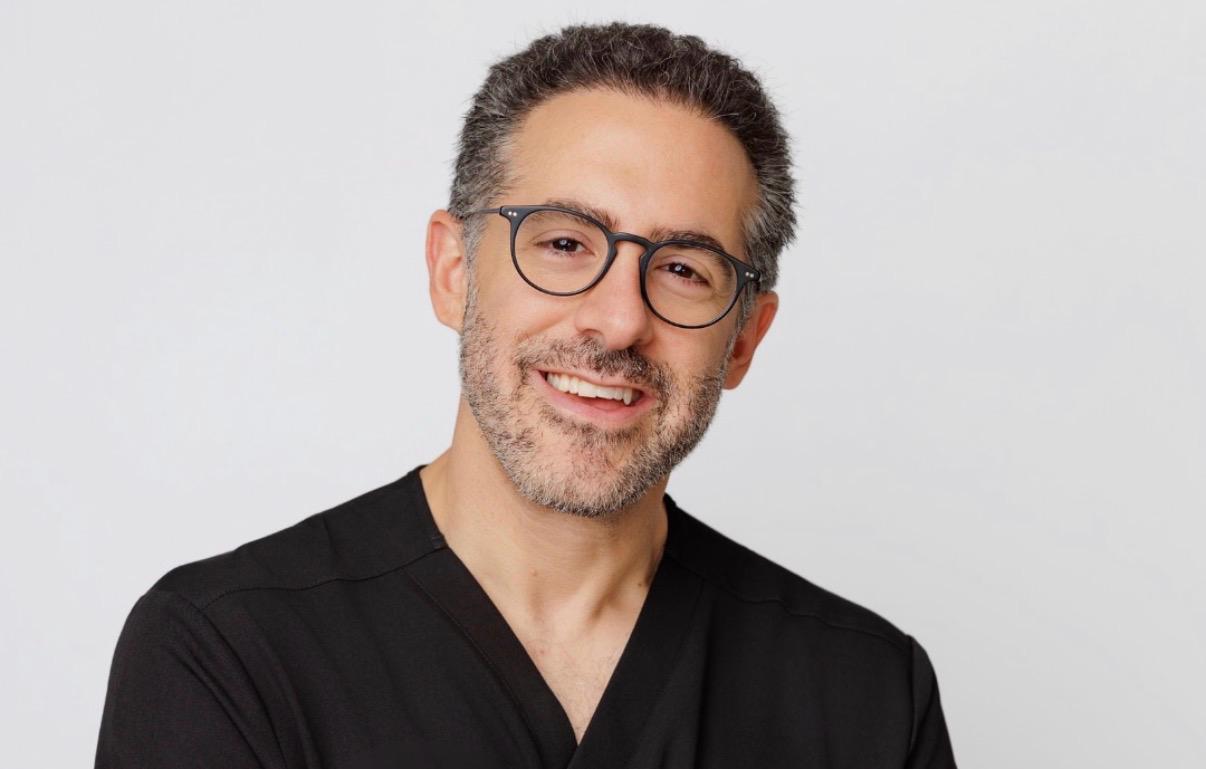 Photo Credit: Dr. Jason Bloom
Training the next generation of facial plastic surgeons is among the most meaningful responsibilities in my career. Each year, fellows and residents join me in the operating room, observing and participating in everything from rhinoplasty and facelifts to complex revision cases, gaining exposure to the full breadth of what our field demands. Watching a trainee move from careful observation in the operating room to confident, skilled execution in their own cases is genuinely exciting. It is a reminder that surgical mastery is built incrementally, case by case, mentor by mentor.
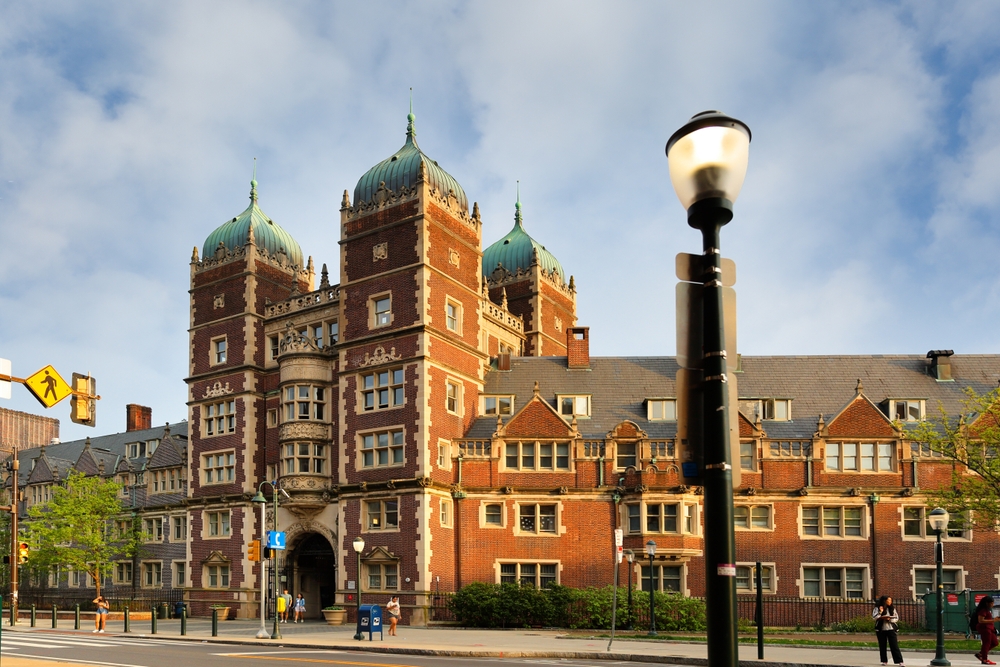 Photo Credit: Shutterstock
What Makes Penn's Program Distinct
What makes Penn's program distinct is its integration. Fellows don't just learn techniques in isolation; they learn the convergence of facial plastic surgery and aesthetic medicine more broadly. They develop judgment that spans cosmetic refinement and functional restoration alike, and they learn how to grow a thriving practice in this competitive environment. This breadth produces surgeons who are technically excellent and clinically versatile.
Frequently Asked Questions
What is the Facial Plastic Surgery Fellowship at the University of Pennsylvania? It is an AAFPRS-accredited fellowship co-directed by Dr. Jason Bloom, training facial plastic surgery fellows across procedures including rhinoplasty, facelifts, and complex revision surgery, with joint academic appointments spanning Facial Plastic Surgery and Plastic Surgery.
What does AAFPRS accreditation mean for a fellowship program? AAFPRS, the American Academy of Facial Plastic and Reconstructive Surgery, accredits fellowship programs that meet its standards for surgical training, case volume, and mentorship, signaling that a program provides comprehensive, high-level training in the specialty.
What procedures do fellows train in at Penn's program? Fellows gain hands-on experience across a full range of facial plastic surgery, including rhinoplasty, facelifts, and complex revision cases, alongside broader training in aesthetic medicine and reconstructive technique.
Why does facial plastic surgery training require both aesthetic and reconstructive expertise? The specialty sits at the intersection of cosmetic refinement and functional restoration. Surgeons trained in both areas develop the judgment to address aesthetic goals and structural or functional concerns within the same case, rather than treating them as separate skill sets.
Does the fellowship include training beyond surgical technique? Yes. Penn's program is described as integrating technical training with practice-building skills, preparing fellows not only to perform procedures but to build and sustain a practice in a competitive field.
For more information, visit Dr. Jason Bloom's social media: