






Somewhere between a satisfying close-up and a slightly alarming amount of visible gunk, blackhead extraction content has become one of the most reliably watched genres on social media. Pore vacuums, the handheld suction devices at the center of most of it, promise the same dramatic result at home, and they've sold accordingly. What they can't promise, according to the dermatologists who actually study this, is doing what the videos make them look like they're doing.
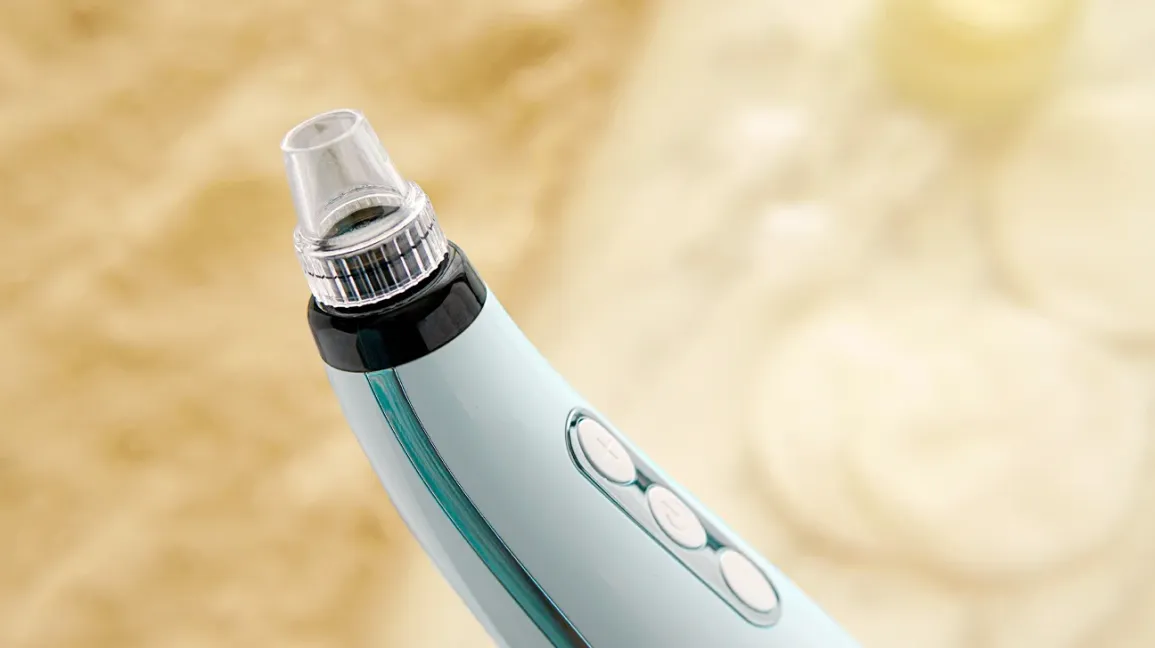 Photo Credit: Shutterstock
Before getting to what removes them, it helps to correct what most social media content gets wrong from the start. Blackheads are not dirt, and they don't form because someone forgot to wash their face. They're open comedones, pores clogged with a mix of excess sebum, dead skin cells, and bacteria that turns visibly black once exposed to air and oxidizes. That distinction matters because it rules out an entire category of viral advice: scrubbing harder, using stronger physical exfoliants, or trying to fully eliminate oil production doesn't address the actual mechanism, and can make things worse by irritating the skin further.
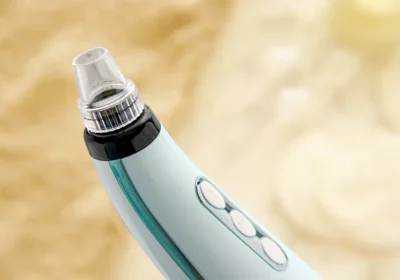
Pore vacuums work through suction, pulling oil, dead skin, and debris out of the pore's surface. Dermatologists are consistent on where that mechanism actually helps: it can lift material that's already loose, giving an immediate, visually satisfying result. What it cannot do is remove a blackhead that's deeply embedded, or permanently shrink the pore itself, according to guidance from the American Academy of Dermatology. The satisfying pull you see on camera is real. It just isn't solving the underlying congestion the way it appears to.
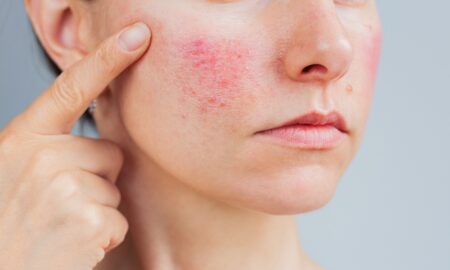
The risk side is where dermatologists get more pointed. High suction settings can cause micro-tears in the skin, leading to redness, bruising, and broken capillaries, particularly on sensitive skin or in anyone dealing with rosacea. At-home devices are generally less powerful than the professional versions used in medical offices, but board-certified dermatologists still recommend caution, adjusting suction levels appropriately for skin type and avoiding high settings on delicate areas altogether. One dermatologist's assessment sums up where pore vacuums actually fit: useful as an occasional tool, not an essential part of a skincare routine.
What Actually Works
The most consistent, evidence-backed answer isn't a device at all. Salicylic acid, a beta hydroxy acid, penetrates into the pore itself to dissolve the buildup causing congestion, rather than working only on the surface. Topical retinoids increase skin cell turnover and directly inhibit new blackhead formation, making them the closest thing to a long-term preventive tool available without a prescription-strength option. Used consistently, in a cleanser, serum, or spot treatment, these two ingredients address the actual cause of blackheads rather than temporarily clearing what's already visible.
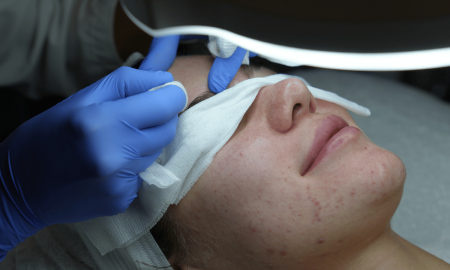
Manual extraction, done correctly, still has a place. A comedone extractor can safely remove blackheads at home with proper technique, and professional extraction by a dermatologist or trained esthetician remains the fastest and safest way to clear existing congestion in a single session. What doesn't belong in that category is squeezing blackheads with fingers, which can push the clog deeper, rupture the follicle wall, and lead to scarring or lingering post-inflammatory discoloration that takes far longer to resolve than the blackhead itself would have.
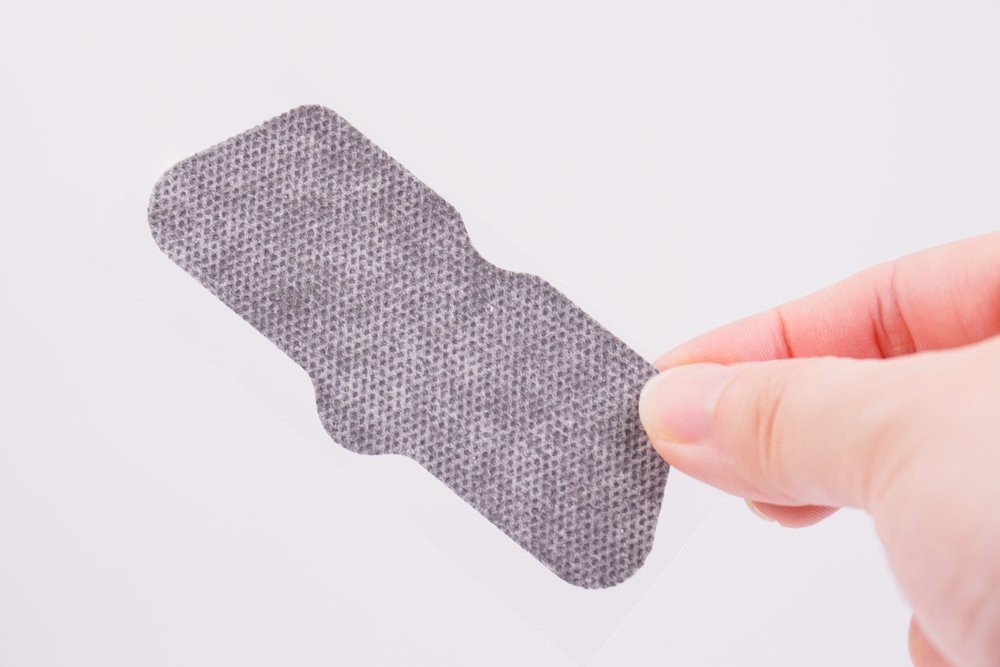 Photo Credit: Shutterstock
Beyond pore vacuums, social media has produced a steady stream of blackhead removal trends that dermatologists specifically warn against: pore strips, which can remove surface debris but do nothing for the pore itself and can irritate skin with repeated use; charcoal masks and clay, which absorb surface oil temporarily without addressing recurring congestion; and DIY hacks involving glue, egg whites, baking soda, or toothpaste, all of which strip the skin's natural oils and damage its protective barrier rather than treating anything. None of these carry genuine dermatological backing, regardless of how often they resurface in a new video format.
Frequently Asked Questions
Do pore vacuums actually remove blackheads? Pore vacuums can remove surface oil and blackheads that are already loosened, but dermatologists confirm they cannot eliminate deeply embedded blackheads or permanently shrink pore size.
Are pore vacuums safe to use at home? They can be safe with proper use, but high suction settings carry real risk, including bruising, broken capillaries, and irritation, particularly for sensitive skin or rosacea-prone skin. Dermatologists recommend using the lowest effective suction setting.
What ingredients actually treat blackheads long-term? Salicylic acid and topical retinoids are the most consistently recommended treatments. Salicylic acid penetrates pores to dissolve buildup, while retinoids increase cell turnover and help prevent new blackheads from forming.
Do blackheads mean my skin is dirty? No. Blackheads form from oil oxidation inside a clogged pore, not from poor hygiene. Washing more frequently or more aggressively does not address the underlying cause.
Are pore strips effective for blackhead removal? Pore strips can remove some surface debris, but dermatologists note they don't address the pore itself and can cause irritation with frequent use, making them a short-term cosmetic fix rather than a real treatment.
Is it safe to squeeze or pop blackheads at home? Manual squeezing is discouraged. It can push the clog deeper into the pore, rupture the follicle wall, and cause scarring or lasting discoloration. A proper comedone extractor, used with correct technique, is a safer manual option.
Can diet affect blackheads? Some evidence suggests high-glycemic foods and dairy can increase sebum production and worsen congestion, though skincare routine and product choice remain the primary factors dermatologists focus on.
How can I tell if blackhead advice online is actually credible? Check whether the source is a board-certified dermatologist, be skeptical of claims promising "instant results" or a "miracle" fix, and look for explanations grounded in ingredients and mechanism rather than a dramatic before-and-after alone.