







By Dr. Oliver Chang, MD | Miami Aesthetic Surgery Associates, Miami, FL
There is a conversation that happens in almost every body contouring consultation, and it goes something like this: the patient has done everything right. They exercise consistently. They eat well. They have lost the weight, or had the baby, or put in the years of work. And yet there is a gap between how they feel on the inside and what they see when they look in the mirror. That gap is what body contouring is actually designed to close.
This is not about chasing perfection. It never has been. The most meaningful results in body contouring come from procedures that work with a patient's natural proportions rather than against them, that enhance what is already there rather than impose a different body entirely. When it is done well, the result should look like the best version of you, not someone else.
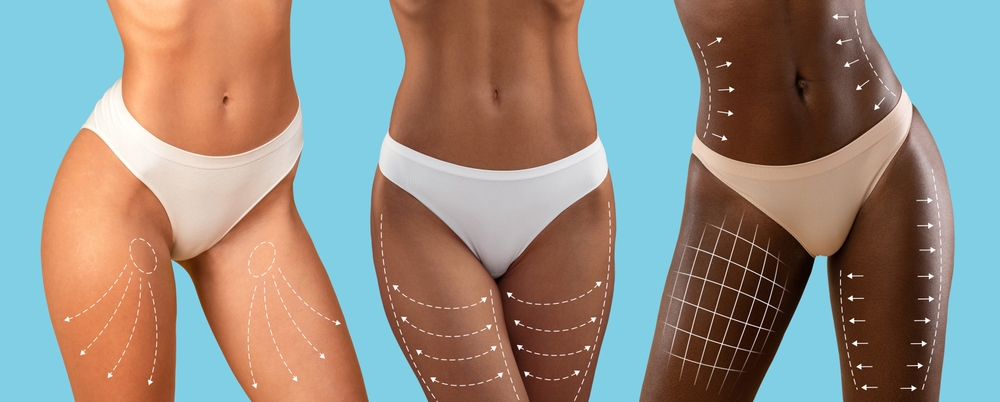 Photo Credit: Shutterstock
Why Diet and Exercise Are Not Always Enough
The honest conversation about body contouring starts here. Nutrition and exercise are the foundation of any meaningful approach to health and wellness, and no surgical procedure replaces them. But biology is not always cooperative. Certain areas of the body, particularly the abdomen, flanks, inner thighs, and upper arms, can hold onto fat deposits that are resistant to even the most disciplined lifestyle. Excess skin after significant weight loss does not retract on its own. Abdominal muscles separated during pregnancy do not reconnect without surgical intervention.
These are not failures of willpower. They are physiological realities, and addressing them through body contouring is not a shortcut. It is a recognition that some goals require more than what lifestyle changes alone can accomplish.
 Photo Credit: Shutterstock
Choosing the Right Approach
One of the most important decisions in body contouring is matching the right procedure to the right patient. That determination requires a thorough consultation, an honest assessment of anatomy, medical history, aesthetic goals, and lifestyle, rather than a menu of options handed to someone before anyone has looked closely at what they actually need.
Surgical options remain the most effective for patients with excess skin or significant volume concerns. Liposuction removes localized fat deposits with precision, and is most effective in patients who are already close to their ideal weight. A tummy tuck, or abdominoplasty, addresses both excess skin and, when needed, the repair of separated abdominal muscles, producing a flatter, more defined midsection. Body lifts target the circumferential laxity that often follows major weight loss, addressing the abdomen, back, thighs, and buttocks in a single comprehensive procedure.
For patients who are not candidates for surgery, or who prefer a less invasive approach, minimally invasive and non-surgical options have advanced considerably. These treatments can reduce targeted fat deposits and improve skin laxity with less downtime, though they typically require multiple sessions and produce more gradual results than their surgical counterparts. A qualified surgeon will be direct about what each approach can and cannot realistically achieve.
The Long-Term View
The patients who are most satisfied with their body contouring results are the ones who approach the process as a long-term commitment rather than a one-time event. Maintaining a stable weight, continuing to exercise, and following a healthy diet do not just support your overall health, they protect the investment you have made in your results.
Recovery varies significantly depending on the procedure. Minimally invasive treatments may require little to no downtime. More comprehensive surgical procedures involve a recovery period that demands patience, careful planning, and realistic expectations about the timeline. Advances in surgical technique have improved patient comfort considerably, but there is no version of recovery that can be rushed without consequences. The detail work done before and after surgery, thorough pre-operative education, attentive follow-up, and honest communication throughout, is as important as what happens in the operating room itself.
What the Results Actually Mean
The patients who walk away from body contouring most transformed are not always the ones with the most dramatic physical changes. They are the ones who feel, perhaps for the first time in years, that their reflection matches the person they know themselves to be. A mother who has finished having children and wants her pre-pregnancy body back. A patient who lost 80 pounds and is carrying excess skin that no amount of exercise will address. Someone who has worked hard and simply wants their results to show.
Body contouring does not change who you are. It removes the physical barriers that have been standing between you and the version of yourself you have already worked to become. That distinction matters, and it is the one that guides every treatment plan at my practice.
Body contouring is approached with both precision and a genuine commitment to natural-looking results. Every plan is built around the individual, with an emphasis on enhancing what is already there rather than imposing change. Safety, long-term satisfaction, and results that feel authentic to each patient are the measures by which we evaluate our work.
If you are considering body contouring and want an honest conversation about what is possible, we are here for it.
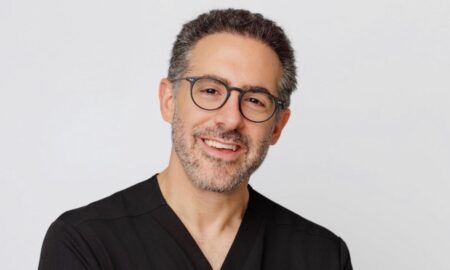
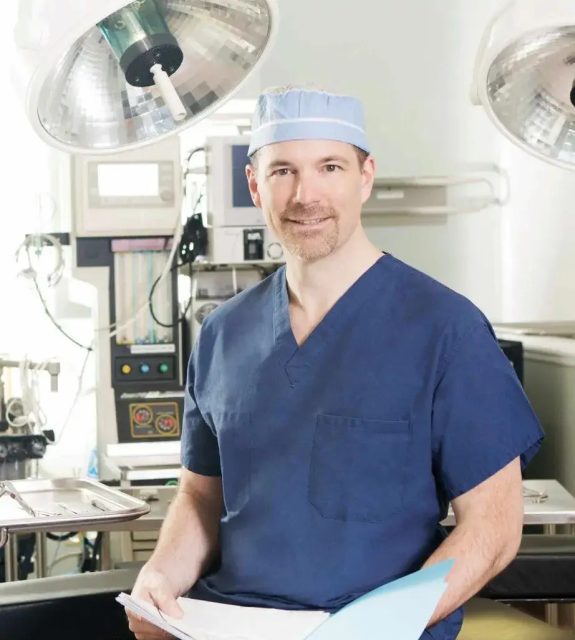
Dr. Oliver Chang, MD is a plastic surgeon practicing in Miami, Florida under Miami Aesthetic Surgery Associates, specializing in body contouring, Brazilian Butt Lift, and aesthetic surgery. He also operates out of 4Beauty Aesthetics. For consultations, call 305.800.2639.
For more information, visit Dr. Oliver Chang's social media: