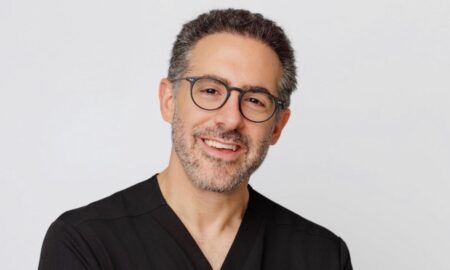







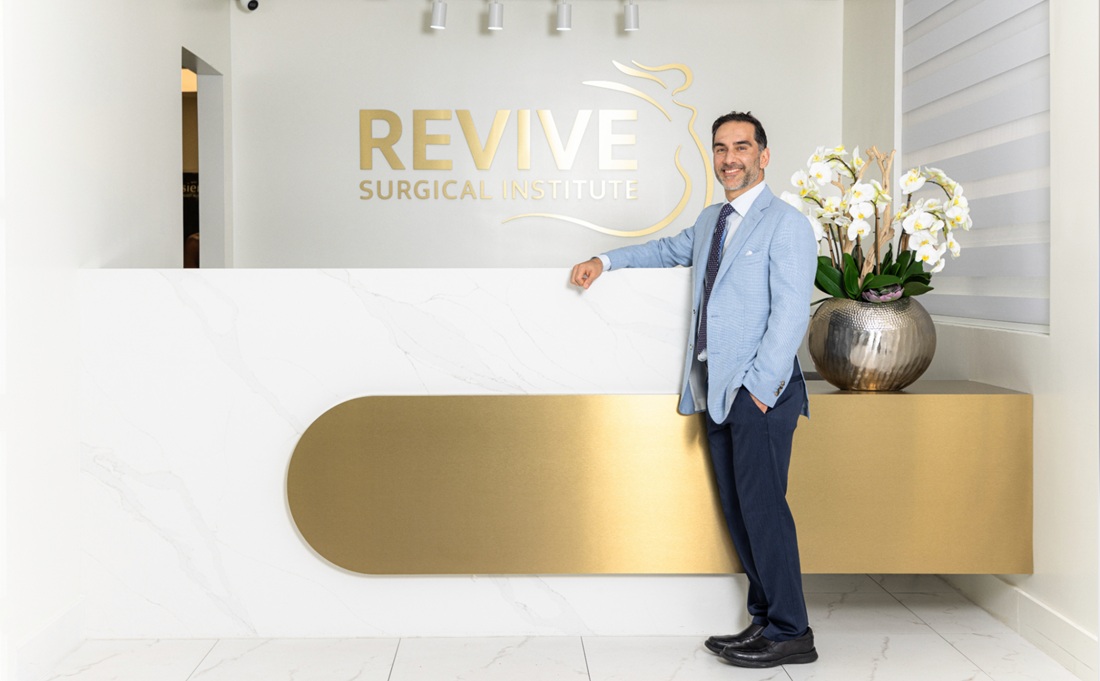
 Photo Credit: Dr. Morad Askari
Losing a substantial amount of weight is among the top health accomplishments possible for people. But the journey doesn’t stop once the pounds disappear. In reality, this milestone often raises new questions about how best to refine and restore their bodies.
When patients arrive at Revive Surgical Institute in Miami for a consultation, they want flatter stomachs, tighter arms, and lifted skin.
What some don’t fully appreciate, says Dr. Morad Askari, a board-certified plastic and reconstructive surgeon and widely regarded as a top plastic surgeon in Miami, is that achieving those goals necessitates taking a multifaceted approach — one that’s as much about safety as it is about artistry.
In this article, Dr. Askari reveals which factors are most often ignored but are actually crucial when it comes to post-weight loss plastic surgery.
Muscle Repair Is Often Essential—Not Optional
After weight-loss surgery, patients often don’t realize that their muscles may need some work – especially if they’ve had an abdominoplasty (better known as a tummy tuck). It’s not just about getting rid of extra skin. You might also have stretched or separated abdominal muscles (this is called diastasis recti) after being obese or pregnant.
“If we take away too much skin without fixing how the muscles have shifted underneath, then the outcome can seem unfinished,” says Dr. Askari.
Repairing muscles does more than just make you look good. It also brings back core strength, posture, and balance, which are crucial for lasting health and wellness.
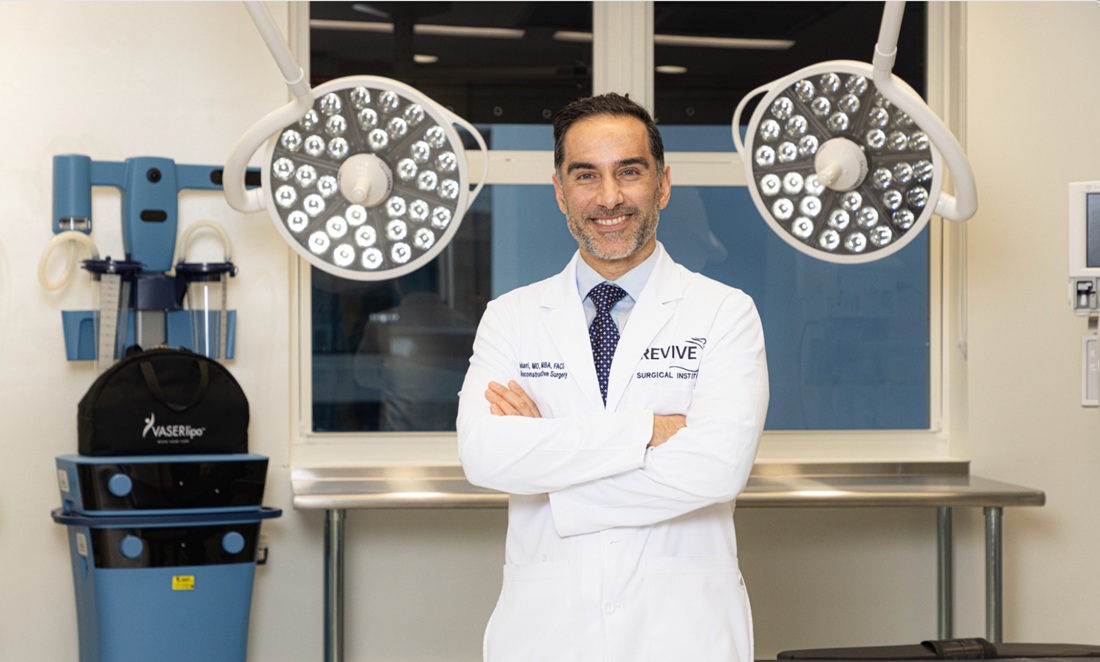 Photo Credit: Dr. Morad Askari
Scar Placement Isn’t Just Technical—It’s Strategic
Scar formation is an unavoidable aspect of every surgery. Nonetheless, by strategizing well and working meticulously, it’s possible to position them so they’ll be barely noticeable — helping results look amazing and natural.
“Do scars disappear?” This is a common question among patients, according to Dr. Askari. He adds: “A more important question might be whether the scars will have meaning. Properly positioned, they don’t just fade into the body’s architecture; they become part of its story.”
Skin Quality and Elasticity Impact the Surgical Plan
Many patients think all loose skin is the same, but there’s a big difference in the quality of both the skin and underlying tissue. Age, genetics, sun exposure, and how quickly weight is lost are just some of the factors that can affect how skin responds to surgical tightening.
For example, younger patients with thicker, more elastic skin may see good results from surgery that doesn’t need to be as extensive. Others might need extra help, like internal sutures, mesh, extensive skin removal, or having fat removed in stages.
The Emotional Side of Surgery Deserves Attention, Too
Although physical transformation gets most of the attention, being emotionally prepared is just as crucial. Those who consider weight loss surgery have been dealing with feelings of being extremely overweight or self-conscious about their bodies for a long time.
For them, an operation can seem like it’s bringing an end to a very personal chapter of their lives. However, there may still be issues surrounding how they see themselves that need to be worked out.
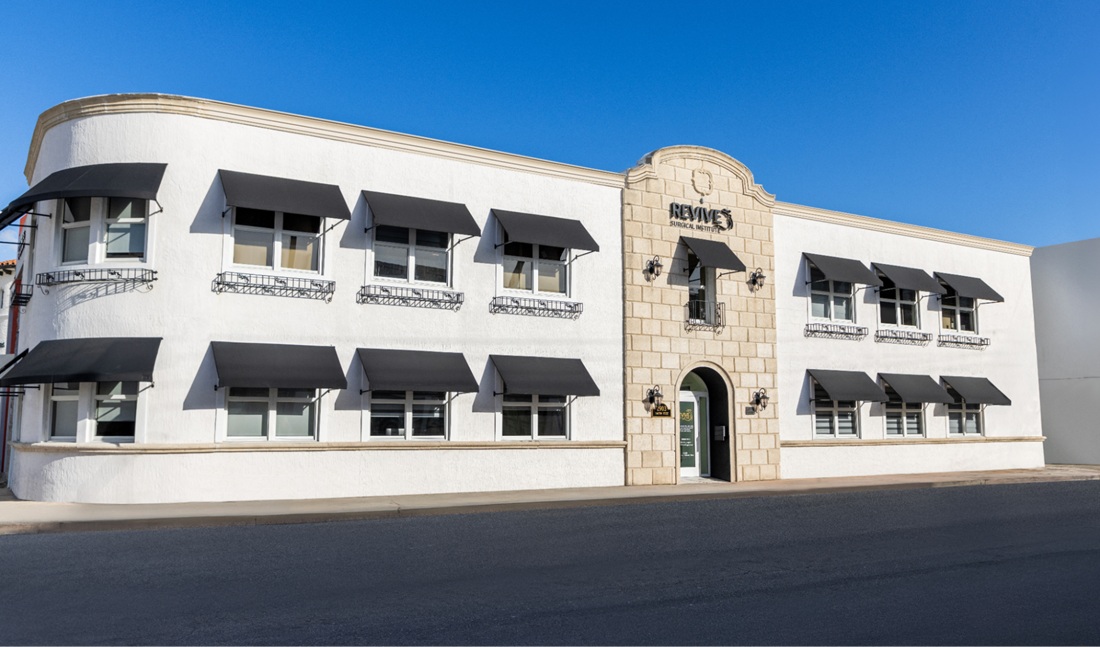 Photo Credit: Dr. Morad Askari
Redefining Success Through Thoughtful Planning
At Revive Surgical Institute, they aim to do more than simply take away; they want to show off all the progress you’ve made. Dr. Askari uses advanced techniques in muscle reconstruction, places scars with meticulous care, and takes other steps so that each patient undergoes their procedure safely and with grace.
“Surgery is both art and science,” says the doctor. “It’s the fusion of those two things that allows patients to really change their lives – both inside and out.”
Disclaimer: Written in partnership with APG.
For more information, visit Dr. Morad Askari & Hoda Askari's social media:

Beauty
September 23, 2025What's A Current Beauty Trend You'd Never Advise, And What Is Your