








When Joe Jonas partnered with the injectable brand Xeomin and started talking openly about using it to smooth his frown lines, the conversation around men and cosmetic treatment shifted in a way that's still playing out years later. "I think there's a stigma that's fading, and I like that," Jonas stated at the time, framing his choice to speak publicly as part of a broader loosening of the rules around what men are allowed to admit wanting for their own appearance. The interview generated headlines, some earnest, some skeptical of a paid partnership dressed up as advocacy, but the underlying claim in it has held up unusually well. Male cosmetic treatment hasn't just become slightly more accepted since then. It's become one of the fastest-growing categories in the entire aesthetics industry.
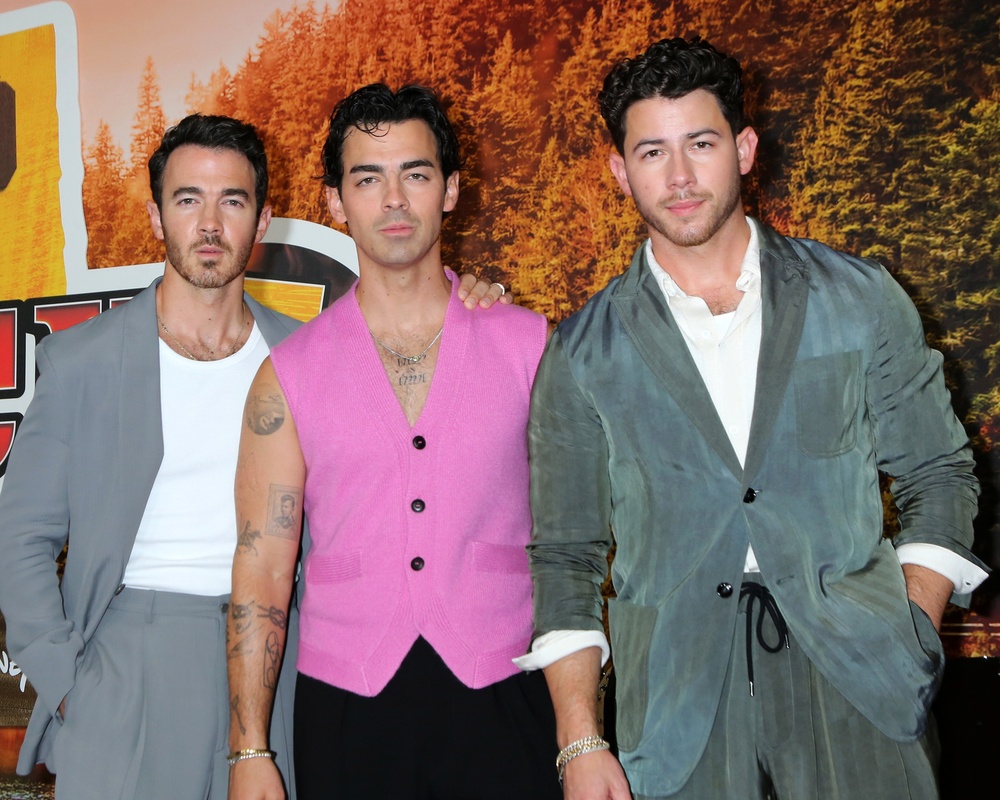 Photo Credit: Shutterstock
Jonas was direct about his own reasoning in interviews: he'd started noticing more frown lines, tried injectables, and found the results gave him a confidence boost without making him feel like "a different person." He was equally direct about the broader point he wanted to make. "We can be open and honest about it and be confident," he said, adding that he didn't think cosmetic treatment was "something that we have to shy away from."
The reception wasn't universally warm. Critics pointed out that Jonas's disclosure arrived as part of a paid brand partnership, which complicated the framing of a celebrity confession as a social cause rather than a marketing campaign. That critique is fair, and worth holding alongside the rest of the story rather than instead of it. Whatever the commercial motivation, Jonas wasn't the only public figure willing to have the conversation. Simon Cowell has spoken candidly about getting "too much work done." Christian Bale has discussed cosmetic procedures in interviews. Dr. Paul Nassif, star of Botched, told Fox News at the time that most male celebrities, including actors, athletes, and musicians, still didn't feel comfortable being that open, which is precisely what made the ones who did speak up notable.
The Numbers Have Actually Caught Up to the Conversation
What's happened in the years since is a genuine, measurable shift, not just a more visible one. According to the American Society of Plastic Surgeons' 2024 Procedural Statistics Report, male cosmetic procedures grew 4 percent to 1.6 million total, outpacing the broader industry's 1 to 3 percent growth rate. The American Academy of Facial Plastic and Reconstructive Surgery's own membership data shows 92 percent of its facial plastic surgeons now see male patients regularly, up from an estimated 65 to 70 percent a decade ago.
Some categories have grown even faster than the aggregate numbers suggest. Hair restoration treatments roughly doubled between 2024 and 2025 alone, one of the largest single-year increases AAFPRS has ever tracked in any procedure category. Gynecomastia surgery, a male-specific procedure addressing enlarged breast tissue, grew nearly 11 percent in a single year and remains the most commonly performed surgical procedure among male patients. And "Brotox" itself, the term Jonas's campaign helped popularize, reflects a genuine 400 percent increase in male botulinum toxin treatments since 2000, per ASPS data.
The market has noticed. The global men's grooming market reached $62.5 billion in 2025 and is projected to hit $85.2 billion by 2030. Private equity has followed the same trajectory, with the male-focused segment of the medspa industry alone forecast to nearly double from $5.9 billion in 2024 to $11.8 billion by 2034.
Why the Timing Makes Sense
None of this growth happened because one celebrity did a paid partnership. But Jonas's willingness to be specific, naming the actual product, describing the actual result, explaining the actual motivation, gave other men a genuine script for how to talk about wanting the same thing, at a moment when the surrounding culture was already shifting toward treating self-care and grooming as unremarkable parts of a man's routine rather than a departure from it.
That's a more modest claim than "Joe Jonas changed the industry," and it's also the more accurate one. Public figures speaking candidly about cosmetic treatment don't create demand from nothing. They remove a barrier, the sense that admitting interest is itself embarrassing, for a population of patients who, per surgeons quoted at the time, were already interested but reluctant to say so out loud.
Frequently Asked Questions
What is "Brotox"? Brotox is a colloquial term for Botox and similar botulinum toxin injectables used by men, reflecting the significant growth in male neuromodulator treatments over the past two decades.
What did Joe Jonas say about getting injectables? Jonas publicly discussed using the injectable Xeomin to treat frown lines, telling Allure that "there's a stigma that's fading" around men and cosmetic treatment, and telling PEOPLE that men should be able to be "open and honest" about wanting the treatment without shame.
How much have male cosmetic procedures actually grown? According to the American Society of Plastic Surgeons, male cosmetic procedures grew 4 percent to 1.6 million total in 2024, outpacing the broader industry's 1 to 3 percent growth. Male botulinum toxin treatments specifically have grown roughly 400 percent since 2000.
What are the most common cosmetic procedures for men? Gynecomastia surgery (male breast reduction) is the most commonly performed surgical procedure among men, followed by liposuction. Non-surgical treatments, particularly neuromodulator injections like Botox and Xeomin, remain the most requested category overall.
Is hair restoration part of the growth in male aesthetics? Yes, and it's grown especially fast. Hair restoration treatments roughly doubled between 2024 and 2025, one of the largest single-year increases the American Academy of Facial Plastic and Reconstructive Surgery has recorded in any procedure category.
Why were male celebrities historically less open about cosmetic treatment than female celebrities? Cosmetic treatment has historically been coded as a feminine practice, and cultural expectations around masculinity discouraged men from openly discussing grooming or aesthetic treatments. Surgeons who treat male celebrities have noted that many high-profile male patients still prefer to keep such treatments private.
Is the growth in male cosmetic procedures driven by celebrities, or something bigger? Both. Celebrity visibility has helped reduce stigma, but the growth is also driven by broader shifts in how self-care and grooming are viewed for men, along with genuine market investment from grooming and medspa companies expanding male-focused offerings.