






 Photo Credit: ShutterstockAcne is one of the most common skin concerns out there, and it doesn't discriminate by age—teens and adults deal with it alike. Drugstore shelves are packed with products promising clearer skin, but when dermatologists really want results, most of them keep coming back to one thing: tretinoin. It's a prescription-strength retinoid that's earned its reputation by going after acne at the source instead of just covering it up.
It's been around in dermatology for decades, and it's still one of the most recommended treatments for both acne and overall skin quality.
What Is Tretinoin?
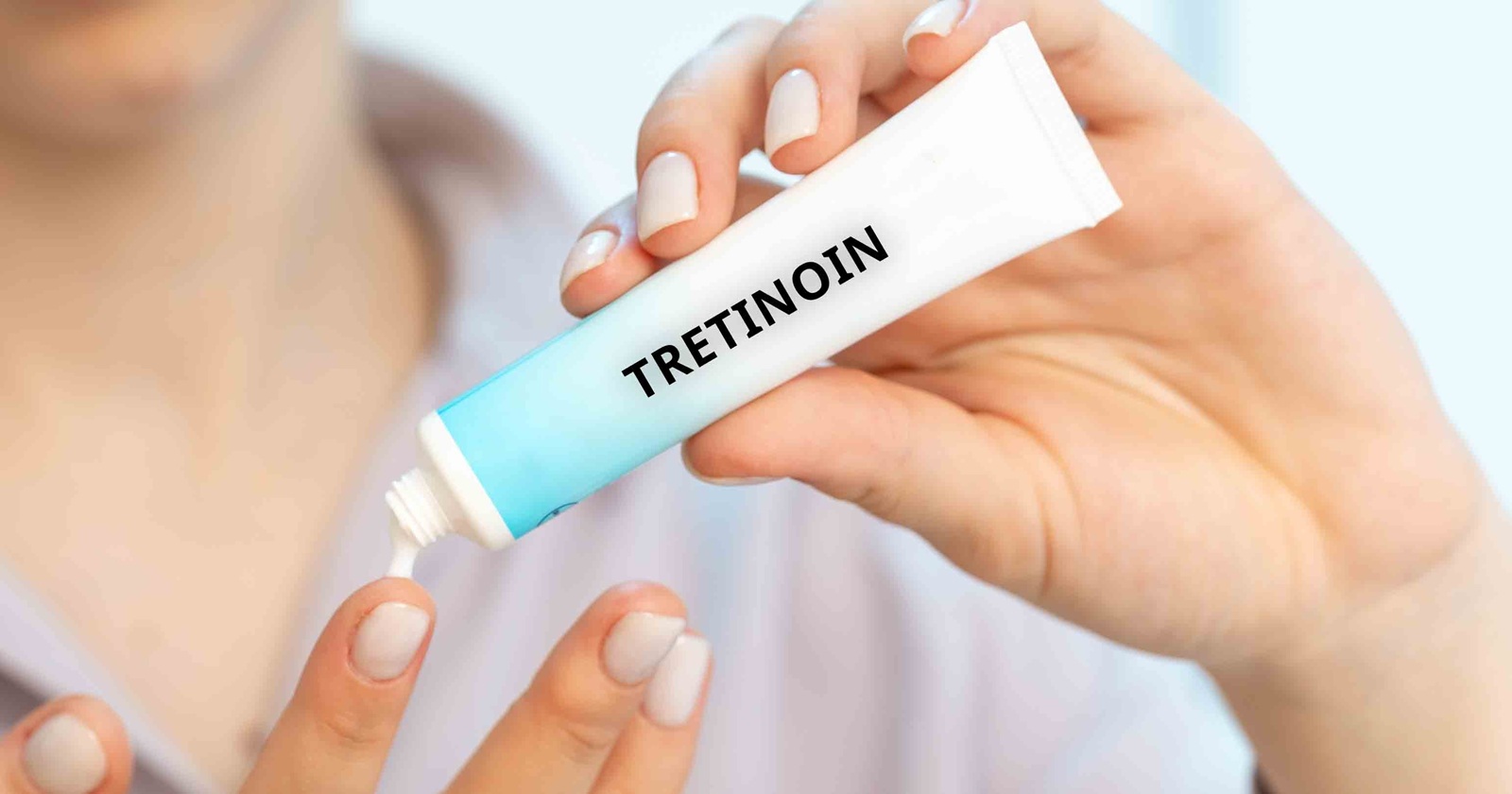
Tretinoin is a vitamin A derivative in a family of medications called retinoids, which change the way skin cells grow and shed. It's not the same as retinol, the version you'll find in over-the-counter products—tretinoin is a lot stronger and almost always requires a prescription. Many dermatologists call it the "gold standard" for acne because it's so effective at clearing pores and stopping new breakouts before they form. (Byrdie)
It usually comes as a cream, gel, or lotion. Acne is the most common reason people use it, but it's also known for smoothing texture, softening fine lines, and fading sun damage.
How It Works
Acne starts when hair follicles get plugged up with oil, dead skin cells, and bacteria. Once a pore is blocked, inflammation sets in—and that's when blackheads, whiteheads, and painful pimples show up.
Tretinoin speeds up your skin's natural turnover, so old cells slough off faster instead of piling up inside pores. It also makes skin cells less "sticky," so they're less likely to clump and cause clogs. On top of that, it has anti-inflammatory effects that calm the redness and swelling that come with breakouts.
The Key Benefits
It works especially well on comedonal acne—blackheads and whiteheads—and cuts down on the number and severity of breakouts the longer you use it. Texture tends to improve too, and a lot of people say their complexion just looks brighter overall.
It's also great for fading the marks acne leaves behind, since fresh cells coming to the surface gradually lighten dark spots and post-acne pigmentation. And because tretinoin stimulates collagen, you get an anti-aging payoff on top of the acne benefits—not many treatments can say that.
What to Expect When You Start
Tretinoin works, but the first few weeks can be rough. Dryness, peeling, and irritation are normal as your skin adjusts. You might also break out more at first—the infamous "purge"—because tretinoin pulls clogged pores to the surface faster than they'd come up on their own. It's annoying, but usually clears up within a few weeks.
Most dermatologists recommend easing into it: start with two or three nights a week and work your way up. Real, visible results usually take about 8 to 12 weeks.
How to Use It Without Wrecking Your Skin
Apply a pea-sized amount to clean, dry skin at night. It makes your skin more sensitive to the sun, so always follow with SPF in the morning.
Moisturizer is non-negotiable. A lot of people swear by the "sandwich method"—moisturizer, tretinoin, then more moisturizer—to keep irritation in check. Avoid layering it with other strong actives unless your dermatologist gives you the go-ahead.
Possible Side Effects
Dryness, redness, flaking, and sun sensitivity are the most common, especially early on. Most of this calms down as your skin gets used to the routine. If it doesn't, check in with your dermatologist.
One important note: tretinoin shouldn't be used during pregnancy. If there's any chance you might be pregnant or planning to be, talk to your doctor first.
The Bottom Line
Tretinoin sticks around as a go-to because it actually addresses what's causing the breakouts—not just what they look like on the surface. It takes patience and the right routine, but the payoff often goes beyond clearer skin: better texture, less pigmentation, and healthier skin overall. If you've been dealing with stubborn acne, it might be the thing that finally moves the needle—especially with a dermatologist guiding you through it.