




 Photo Credit: Shutterstock
Dr. Victoria A. Cirillo-Hyland | Dermatologist | Bryn Mawr, PA
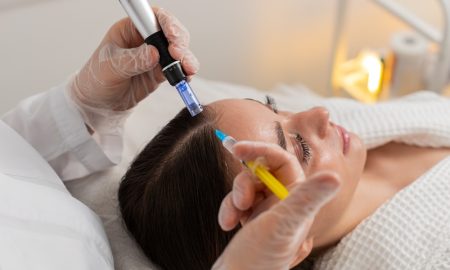
The “one-size-fits-all” mantra is now resting in peace! Unique personalization is reshaping aesthetic dermatology treatments in 2026. Subtle enhancements that respect each patient’s distinctive anatomy, specific goals, and lifestyle are the current standard of care. Patients are not looking for dramatic, “cookie-cutter” results. They want to look natural for their age by preserving their individual identity rather than looking “done” like everyone else!
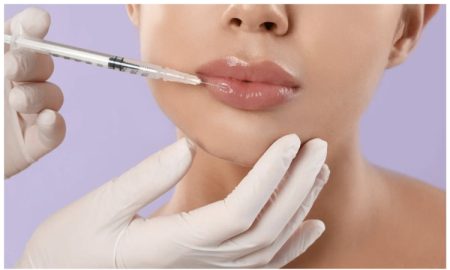
In the world of injectables like dermal fillers and neuromodulators (Botox, Daxxi, Dysport), we utilize specific placement techniques and decreased dosing to produce subtle results without altering normal anatomy or movement. Producing natural enhancements by respecting unique anatomy and physiology is the goal.
Aging produces ever evolving changes in our body and lifestyle. What was a good treatment plan last year may not be a good plan this year. Adaptive plans that take into consideration new changes must be discussed at every visit. The ultimate goal is to provide responsive care that produces subtle, gradual improvements rather than dramatic “done” results. No one wants to hear a comment like “what did she/he do?” or “she/he doesn’t look like herself/himself anymore!” Unfortunately, we see this all too often in our local communities and in Hollywood. Caveat Emptor! Do your homework and research your aesthetic practitioner’s education and training. This is the best way to ensure you receive the safest most desirable results.
For more information, visit Dr. Victoria A. Cirillo-Hyland’s website / instagram
Dr. Kiran Gill | Plastic & Reconstructive Surgeon | Naples, FL
In 2026, aesthetic medicine has evolved into a highly personalized art—one that values subtle enhancement over dramatic change. Today’s patients are seeking thoughtful, customized solutions that address the face and body holistically, whether through surgical, non-surgical, or skin-focused treatments. The goal is no longer transformation, but refinement.
Personalization begins with a comprehensive consultation. By evaluating facial structure, body proportions, skin health, lifestyle, and individual goals, we are able to create treatment plans that feel intentional and balanced. Surgical and non-surgical options are often combined to achieve natural, long-lasting results, always with respect for each patient’s unique anatomy.
Equally important is the integration of medical spa care into aesthetic planning. Healthy skin is the foundation of beautiful results. Advanced skincare, in-office treatments, and tailored home regimens support and enhance procedures, improving texture, tone, and overall skin quality over time.
In 2026, expertise is defined by restraint, precision, and continuity of care. Personalization means knowing when to intervene, how much to do, and when skincare alone can make the greatest impact. True aesthetic success is subtle, confident, and unmistakably personal.
For more information, visit Dr. Kiran Gill's website / Instagram
Dr. Jason Bloom | Facial Plastic & Reconstructive Surgeon | Bryn Mawr, PA
Aesthetic medicine has shifted from one-size-fits-all treatments to a personalized, artistic process - evaluating each face as its own canvas and choosing techniques that elevate the individual, not duplicate the results of the patient before them.
Whether it’s PRP instead of under-eye filler, a surgical rhinoplasty instead of a non-surgical option, or a facelift in place of threads - every approach is unique, and each patient’s individuality deserves to be honored.
The bottom line is, the aesthetic personalization mentality that 2026 has brought us has elevated facial plastic surgery from a procedure-based specialty to a precision art form. The future belongs to facial surgeons who understand anatomy deeply, respect individuality, and design every surgical plan around the person - not just the protocol.
For more information, visit Dr. Jason Bloom’s website / Instagram
Dr. Sep Pouresa | Cosmetic Dentist | Beverly Hills, CA
In 2026, cosmetic dentistry has entered a new era where subtlety and authenticity take precedence over dramatic transformations. The most sophisticated smiles are no longer about perfection or copying celebrity trends. They are individualized and harmonize seamlessly with each patient’s face, personality, and lifestyle.
Today’s patients are informed and visually discerning. They do not ask for a Hollywood smile. They want a smile that feels natural, expressive, and true to who they are. Achieving this requires careful listening, understanding their desires, habits, and the nuances that make their face unique.
Modern smile design extends beyond teeth. We consider facial proportions, lip dynamics, skin tone, expression, and movement. Advanced digital tools and AI simulations help ensure results that are subtle, balanced, and natural from every angle.
The goal is not to stand out but to belong. Nuanced shading, texture, and shape allow a smile to enhance confidence without calling attention to itself. In 2026, the best cosmetic dentistry reveals what is already beautiful, not what is artificial.
For more information, visit Dr. Sep Pouresa’s website / Instagram
Heather Merlo, Sei Tu Bella Aesthetics | Nurse Practitioner | Tampa, FL
In 2026, personalization will be the standard of care in aesthetic medicine. The field has moved beyond trend driven treatments and one size fits all protocols toward individualized, data driven approaches that prioritize balance, longevity, and patient identity.
Patients today are not seeking transformation, but refinement. Subtle enhancement begins with understanding that every face, body, and aging process is unique. This has shifted aesthetic planning toward holistic evaluations that consider facial structure, skin health, muscle dynamics, lifestyle, and overall well being.
Advanced technologies and regenerative treatments have elevated personalization even further. Providers can now customize treatment depth, energy, and strategy with greater precision, while skin focused therapies improve tissue quality over time. Injectables are used thoughtfully to restore support and harmony rather than create excess volume, with an emphasis on prevention and maintenance.
Personalization also extends to the patient experience. Consultations are collaborative, and treatment plans are intentional, adaptable, and aligned with long term goals. Ultimately, success in aesthetics is defined by subtle, natural results that allow patients to look refreshed, confident, and authentically themselves.
For more information, visit Heather Merlo’s website / Instagram
Dr. Husam Almunajed | Cosmetic & Restorative Dentist | New York, NY
In 2026, beauty has shifted toward refinement rather than reinvention. The goal is no longer dramatic change, but subtle enhancement—looking refreshed, youthful, and confident while remaining unmistakably yourself. This evolution is especially evident in modern smile makeovers and porcelain veneers.
Today’s most desirable veneers don’t announce themselves. They blend seamlessly, enhancing the smile while preserving its original character. The best results look natural, effortless, and familiar—as if the smile was always meant to look that way.
Personalization now defines aesthetic dentistry. Patients are seeking anti-aging treatments that elevate their appearance without erasing their identity. Rather than the overly white, uniform “chiclet” smiles of the past, modern veneers are meticulously custom-made to complement each individual’s facial structure, smile frame, lip movement, and even personality.
Subtle variations in shape, translucency, and texture are intentionally designed to mimic natural teeth. This approach creates an upgraded version of the patient—brighter, softer, and more harmonious—without looking artificial or overdone.
A thoughtfully designed smile makeover does more than improve aesthetics. It restores balance, supports facial structure, and contributes to a rejuvenated appearance that aligns with how a person feels inside. The result is a smile that enhances expression, confidence, and presence in everyday life.
In a time when authenticity is the ultimate luxury, the art of subtle enhancement proves that the most beautiful smiles are not transformed—but refined.
For more information, visit Dr. Husam Almunajed's website / Instagram
Dr. Sam S. Rizk | Facial Plastic & Reconstructive Surgeon | Upper East Side, NY
Gone are the days when aesthetic treatments announced themselves. The 2026 goal is refinement, not reinvention, and the most sought-after results feel almost imperceptible. According to facial plastic surgeon Sam Rizk, MD, FACS, today’s patients are moving away from dramatic, one-size-fits-all makeovers in favor of outcomes that look intuitive, balanced, and entirely their own. “Most people don’t want a new face,” he says. “They want to look like the best version of themselves.”
That shift has pushed personalization to the forefront of modern aesthetic care. Rather than chasing trends or relying on standardized techniques, Rizk emphasizes a more tailored approach—one that considers each patient’s unique anatomy, facial structure, and how they age over time. “No two faces age the same way,” he explains. “So the treatment plan has to be as individual as the patient sitting in front of you.”
In this new landscape, subtlety has become the true measure of success. The most effective treatments don’t draw attention to the work itself; they simply restore harmony and freshness. “When work is done well, people don’t ask what you’ve had done,” Rizk says. “Instead, they tell you that you look rested, healthy, or like you’ve turned back the clock.”
For more information, visit Dr. Sam S. Rizk's website / Instagram
Dr. Stephen T. Greenberg | Plastic & Reconstructive Surgeon | Long Island, NY
In 2026, aesthetic medicine has decisively moved away from dramatic transformations and toward a philosophy centered on subtle enhancement—results that look natural, balanced, and uniquely tailored to the individual. This shift reflects both evolving patient expectations and significant advances in technology, data analysis, and regenerative science. Together, they are redefining what it means to look refreshed rather than “done.”
From One‑Size‑Fits‑All to Individualized Aesthetics: Personalization is now the cornerstone of modern aesthetic care. Rather than applying standard treatment templates, physicians increasingly rely on detailed facial and body analysis, lifestyle considerations, and long‑term aging patterns to design customized treatment plans. This individualized approach helps ensure results that harmonize with a patient’s natural anatomy and movement, reducing the risk of overcorrection or artificial outcomes. Industry trend analyses consistently note that patients in 2025–2026 prioritize enhancements that preserve identity and individuality over conformity to a single beauty ideal.
Technology as a Precision Tool—Not a Replacement for Judgment: Artificial intelligence and advanced imaging tools are playing an important supporting role in personalization. AI‑assisted facial mapping and predictive modeling can help physicians visualize aging trajectories, plan conservative interventions, and refine surgical or non‑surgical strategies with greater accuracy. Systematic reviews published in 2025 demonstrate that AI can improve preoperative planning and postoperative assessment, particularly when used as an adjunct to experienced clinical judgment rather than a standalone decision‑maker. The goal is not automation, but precision—enhancing safety and predictability while maintaining the art of medicine.
Injectable Minimalism and Regenerative Focus: One of the clearest expressions of subtle enhancement is the trend toward “injectable minimalism.” In place of high‑volume fillers, practitioners favor micro‑dosing techniques, strategic neuromodulator placement, and biostimulatory treatments that encourage the body’s own collagen production. This approach produces gradual, natural‑appearing changes that age well over time and align with the growing emphasis on skin quality rather than volume alone.
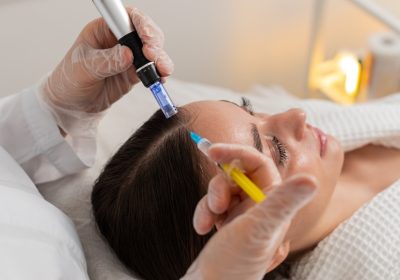
Regenerative modalities—such as PRP, exosomes, and collagen‑stimulating injectables—further support personalization by adapting to each patient’s biological response. These treatments aim to enhance texture, firmness, and resilience, rather than impose a predetermined shape.
Aesthetic Personalization as Long‑Term Care: In 2026, personalization extends beyond a single procedure. We now view aesthetic treatments as part of a long‑term, preventive strategy that evolves with the patient. This continuity allows surgeons to make smaller, more thoughtful adjustments over time, reinforcing the principle that the most successful enhancements are often the least obvious.
Ultimately, the art of subtle enhancement reflects a broader cultural shift: beauty defined not by exaggeration, but by authenticity. Personalization is no longer a luxury—it is the standard that ensures aesthetic treatments feel refined, responsible, and truly individual.
For more information, visit Dr. Stephen T. Greenberg's website / Instagram
Dr. Mimi Yeung | Cosmetic Dentist | New York, NY
Facial asymmetry is often influenced by everyday habits that go unnoticed, including how you chew, sleep, and use your jaw muscles. Consistently favoring one side of the mouth while chewing can lead to uneven muscle development and imbalance in facial tension over time. Similarly, sleeping on the same side night after night places repeated pressure on one side of the face, reinforcing asymmetrical muscle activity. While these habits may seem harmless, their cumulative effects can gradually alter facial structure and balance.
Over time, chronic overuse of one side of the face may even affect the density and thickness of the underlying zygomatic, otherwise known as the cheekbone. When muscles and bones are subjected to uneven forces, changes in contour and symmetry can become increasingly noticeable. Addressing oral habits early and promoting balanced muscle function can play an important role in maintaining facial harmony and long-term structural support.
For more information, visit Dr. Mimi Yeung’s website / Instagram
Doctor's Talk
January 17, 2026Chin Is The New Cheek: The Power Of Facial Balancing