






 Photo Credit: Heather Merlo
Why are peptides becoming so popular in aesthetics, wellness, and regenerative medicine?
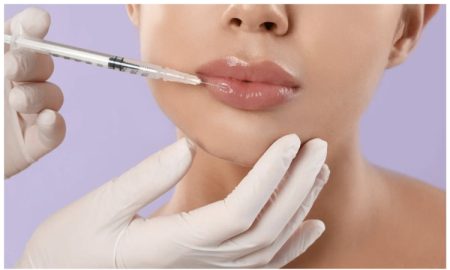
Peptides are exploding in popularity because they help the body repair, regenerate, and rebalance itself at the cellular level. Unlike traditional drugs that simply mask symptoms, peptides act as targeted messengers that enhance healing, metabolism, skin quality, and overall vitality, while reducing inflammation.
According to Heather Merlo, APRN, FNP-C, patients love the results because they feel natural: better sleep, stronger recovery, improved skin, enhanced metabolism, fewer aches, and faster post-procedure healing. Providers value them for their precision: collagen support (GHK-Cu), injury recovery (TB4, TB-500, BPC-157), metabolic benefits (Tirzepatide, Retatrutide, Ipamorelin), and enhanced aesthetic outcomes (GLO peptides).
This is why peptides have become the backbone of modern anti-aging and performance medicine.
Are all peptides the same, or does purity truly matter?
Purity matters more than anything, and not all peptides are created equally. High-quality peptides must be pharmaceutical grade, third-party tested, and sourced from trusted compounding pharmacies. Unfortunately, many cheap or online vendors use binding agents, stabilizers, mystery fillers, and even microplastics to bulk their products.
Low-purity peptides can:
- Reduce clinical effectiveness
- Trigger inflammation or immune reactions
- Disrupt hormones
- Cause post-injection irritation
- Introduce long-term toxicity
The only safe peptides are those prescribed by a qualified medical provider who can verify purity, dosing, and proper formulation. If it’s sold online, unlabeled, or too inexpensive, it’s not safe.
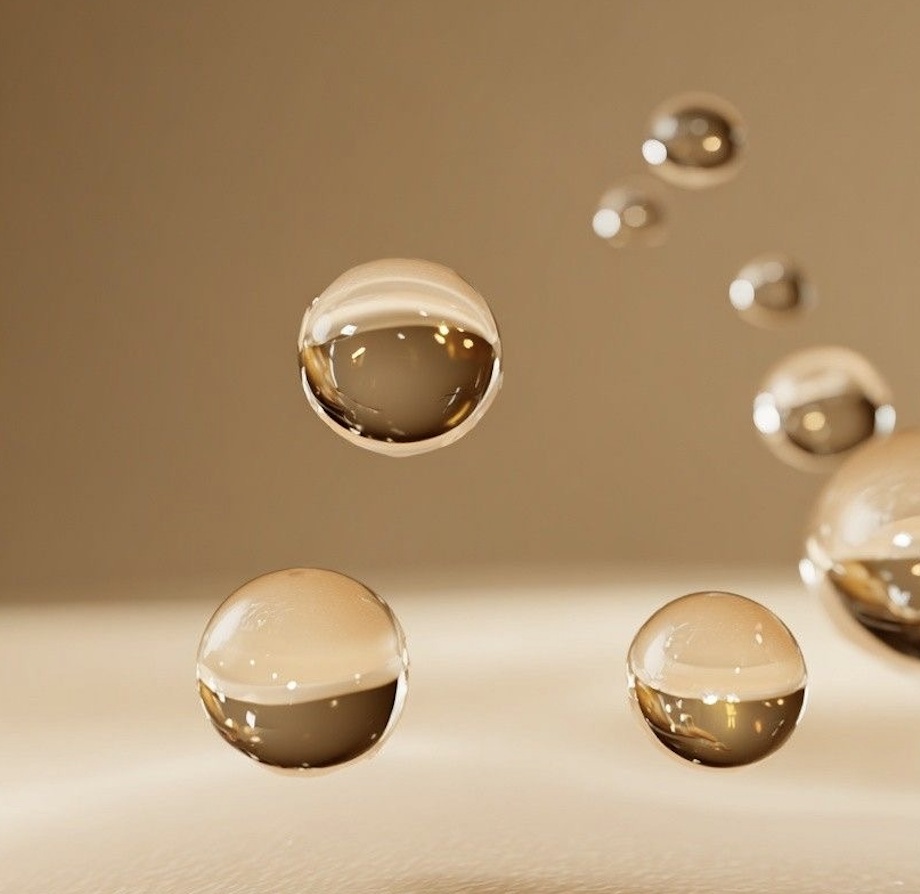 Photo Credit: Heather Merlo
What peptides are best known for healing, recovery, and tissue repair?
For injuries, surgery recovery, or post-procedure healing, regenerative peptides are the gold standard:
- BPC-157 → legendary for tendon, ligament, muscle, and gut repair
- TB4 (Thymosin Beta-4) → promotes cell migration and reduces inflammation
- TB-500 → accelerates healing, blood vessel formation, and tissue remodeling
- GHK-Cu → boosts collagen, reduces inflammation, improves skin elasticity
- GLO peptides → enhance healing and radiance after aesthetic treatments
These are powerful tools for recovery, but they must be used under medical supervision to ensure proper dosing, purity, and safety. When sourced correctly, they dramatically shorten downtime and improve overall tissue health.
What peptides are trending in weight loss and metabolic optimization?
Metabolic peptides have become a breakthrough category because they address appetite, insulin resistance, fat metabolism, and energy balance at the hormonal level.
- Tirzepatide (GIP/GLP-1 dual agonist) → regulates appetite, increases insulin sensitivity, promotes significant fat loss.
- Retatrutide (GIP/GLP-1/Glucagon triple agonist) → currently showing the most powerful weight-loss and metabolic results ever documented.
- Ipamorelin → boosts natural GH secretion, enhances fat loss, improves sleep, accelerates recovery, and helps build lean mass.
These peptides offer unmatched metabolic improvement, but only when compounded properly and monitored by a knowledgeable provider. Using poor-quality versions can disrupt glucose regulation or cause unpredictable side effects.
 Photo Credit: Heather Merlo
What kind of results can patients realistically expect from high-quality peptide therapy?
Patients can expect improved healing, better skin quality, enhanced metabolism, more restorative sleep, reduced inflammation, and improved body composition, but these results depend entirely on consistent use, proper dosing, and pharmaceutical purity. High-quality peptides like BPC-157, TB4, GHK-Cu, Tirzepatide, Retatrutide, and Ipamorelin deliver measurable changes because they work within the body’s natural signaling systems. When combined with proper nutrition, movement, and a provider-guided protocol, peptide therapy becomes a powerful long-term tool for rebuilding health from the inside out.
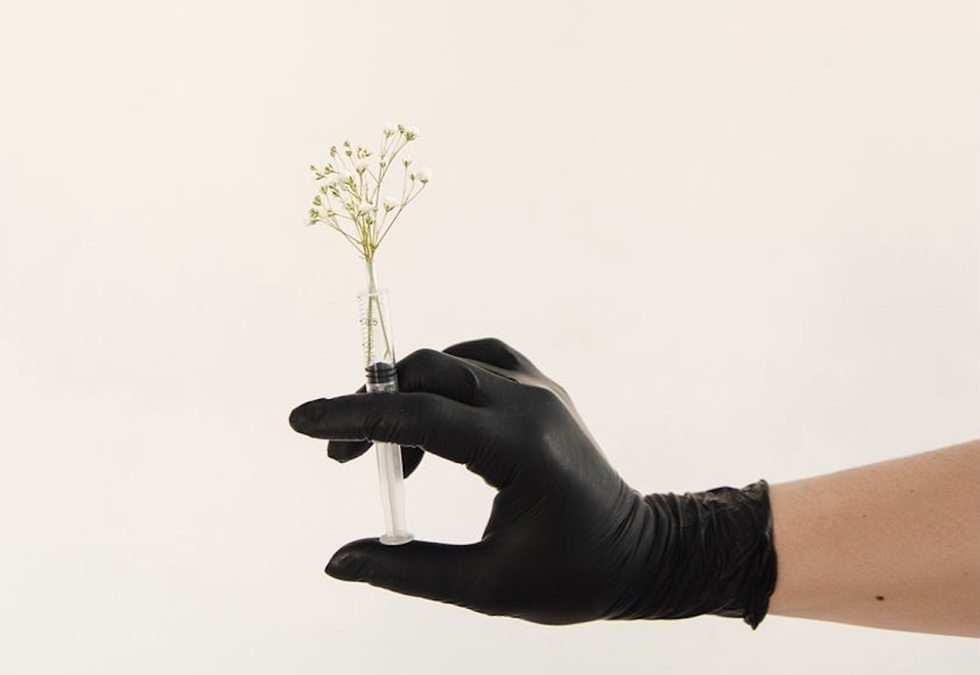 Photo Credit: Heather Merlo
What are the biggest mistakes people make when starting peptide therapy?
The most common and dangerous mistake is using inexpensive, untested, or online peptides that contain fillers, stabilizers, or unknown additives. Another mistake is guessing dosage without understanding how peptides affect hormones, metabolism, or cellular pathways. Peptides are powerful tools, but only when prescribed, monitored, and sourced correctly. Starting on the wrong product or the wrong dose can lead to ineffective results, disrupted blood sugar, inflammation, or unpredictable reactions. Patients should always prioritize medically guided peptide therapy to ensure safety, purity, and true physiologic benefit.
For more information, visit Sei Tu Bella Aesthetics's social media:

Beauty
November 24, 2025The Confidence Edit: Why Your Smile Is the Most Meaningful Gift of