The Most Medici Way to Stay in Florence Starts at This Palazzo
Live like a Medici at Sina Villa Medici, a Florence palazzo hotel with its own Harry's Bar, steps from the Medici’s Florence.

The Medici understood the power of a beautiful room.
A painting could announce an allegiance. A palace could establish a dynasty. A garden could turn an afternoon’s leisure into an expression of wealth, taste and absolute confidence in one’s place in the world. In Florence, the family’s influence reached far beyond the business of governing. They helped shape an enduring idea of the good life, one in which art, architecture, intellectual ambition and personal pleasure belonged in the same conversation.
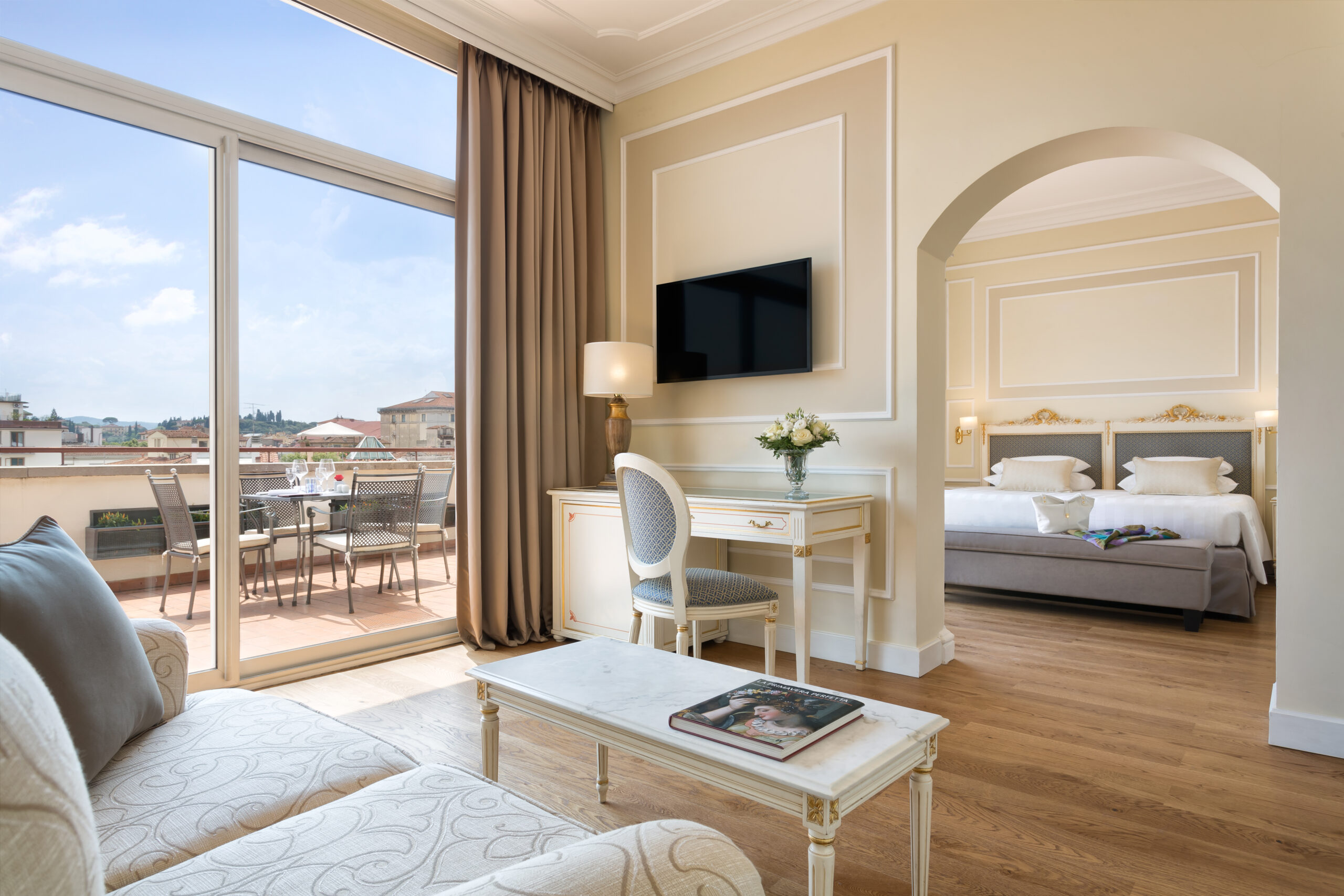
Photo Credit: Sina Villa Medici
Centuries later, that idea remains Florence’s most compelling seduction, and Sina Villa Medici offers a particularly persuasive way to live it. The five-star Autograph Collection hotel occupies an early-19th-century palazzo at Via Il Prato 42, with 100 rooms and suites, a private garden and seasonal pool, a Royal Suite protected by Italy’s Fine Arts Authority, and the Harry’s Bar Firenze tradition downstairs. Visitors come to Florence to see what the Medici created. The more indulgent proposition is to spend a few days letting its beauty dictate how you live.
Here, that might mean trading another museum queue for an afternoon beside the pool, choosing a suite with a terrace, dressing for a proper aperitivo, or letting dinner become the evening’s only commitment.
Its name invites the fantasy. Its appeal lies in the very tangible pleasures that sustain it. And there is an important distinction behind that name: this is a later Florentine residence rather than a documented former home of the Medici dynasty. Its own history belongs to another chapter of the city. Yet as a base from which to explore the family’s legacy, and to indulge in a little palazzo living of your own, it is hard to beat.
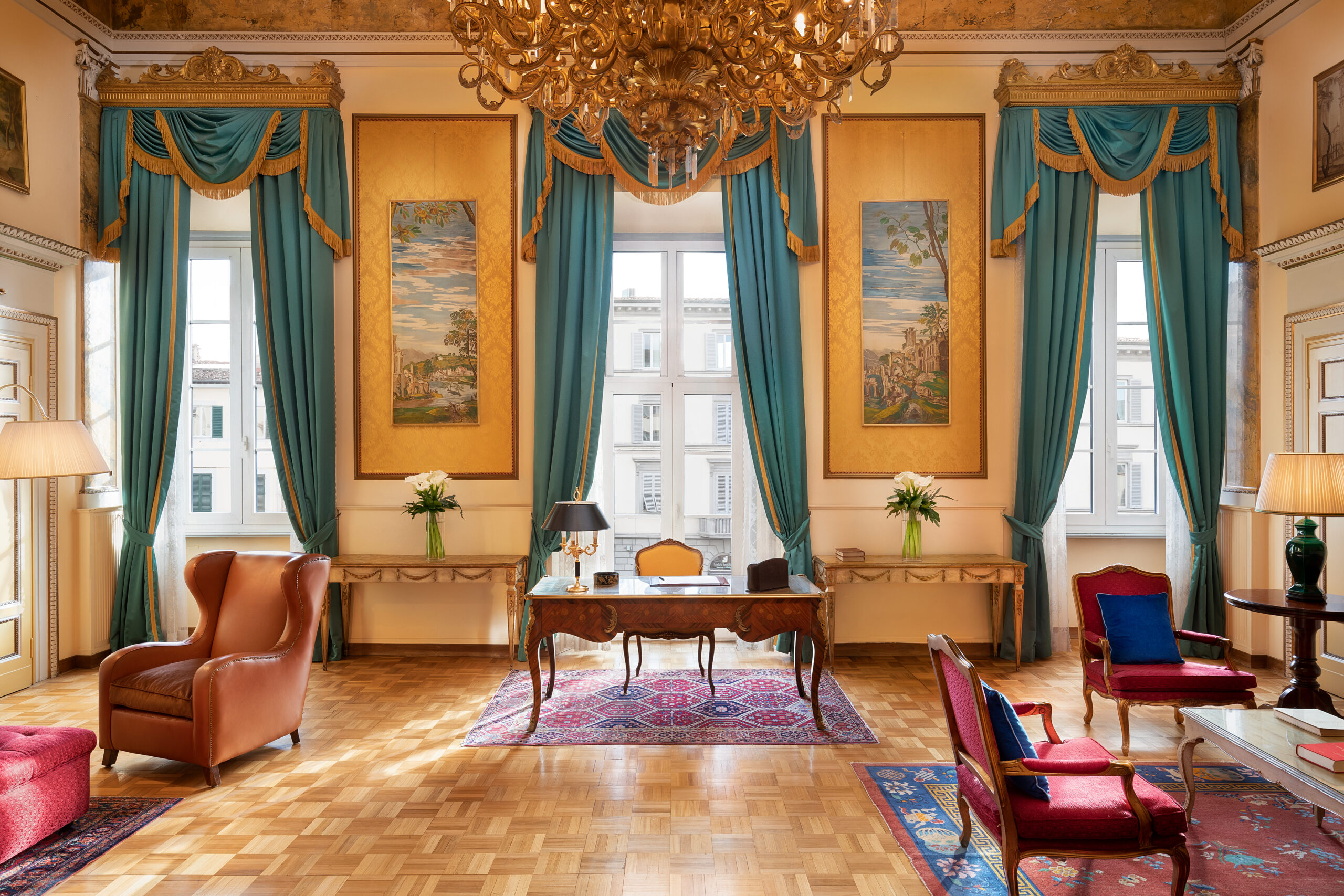
Photo Credit: Sina Villa Medici
A Palazzo With a Story of Its Own
Florence rewards those who pay attention to the layers. Renaissance masterpieces sit alongside later aristocratic interiors; former religious sites become private residences; grand houses find new lives as hotels.
Sina Villa Medici belongs to that evolving city. Built on the site of the former monastery of Sant’Anna, its palazzo caught the eye of Count Ernesto Bocca in 1958. The founder of Sina Hotels bought the property, reportedly after stopping to admire its handsome façade, and set in motion its transformation into the group’s first hotel. It opened in 1960 and was last renovated in 2017.
Today the hotel is part of Marriott Bonvoy’s Autograph Collection, with period architectural details, antiques and contemporary artworks. That mixture suits Florence. A city so closely associated with artistic invention deserves hotels that let different eras coexist: the palazzo provides the framework, while contemporary comforts make it possible to settle in rather than simply admire.
In Florence, where even a short walk can become an encounter with extraordinary craftsmanship, returning to a building with its own architectural presence keeps the mood intact. The museum doors may close. The sense of occasion continues.
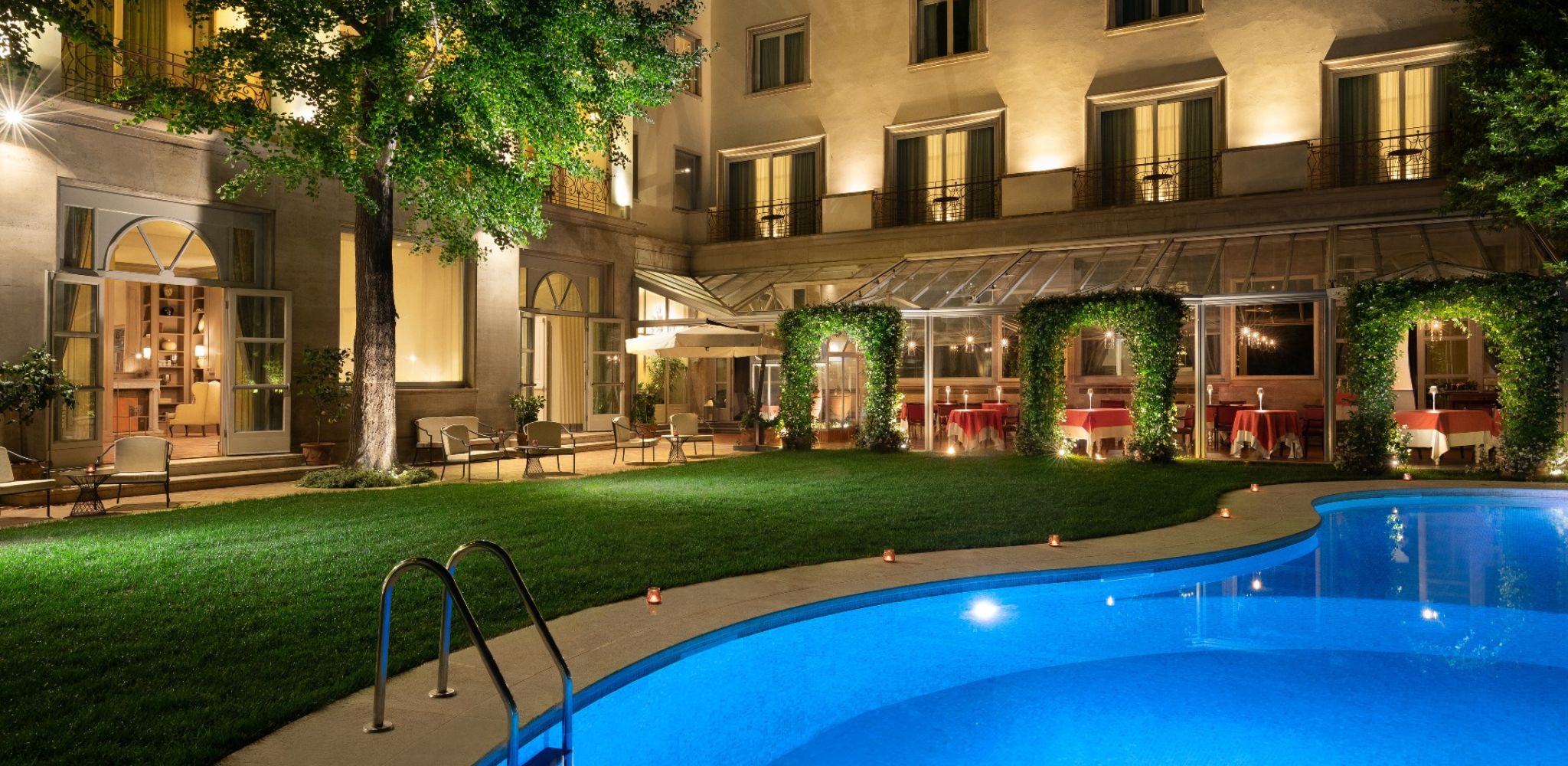 Photo Credit: Sina Villa Medici
Photo Credit: Sina Villa Medici
Your Medici Day in Florence
To understand the atmosphere the hotel’s name evokes, step outside. The Medici legacy is woven through Florence’s public image, but its most revealing expression is the relationship between the family’s private world and the city around it. Their residences, collections and gardens made taste visible. Beauty was something to commission, cultivate and live among.
Begin where the dynasty began. Palazzo Medici Riccardi, started in 1444 for Cosimo the Elder, was the family’s first great palace, and its tiny Magi Chapel, frescoed by Benozzo Gozzoli in 1459, slips Medici family members into a glittering procession. A few steps away, the family church of San Lorenzo holds the Medici Chapels and Michelangelo’s New Sacristy, where the dynasty chose to be remembered.
Then follow the family’s ascent. Cosimo I de’ Medici commissioned the Uffizi from Giorgio Vasari in 1560 as government offices; today it holds the collection the Medici amassed. In 1565, Vasari built Cosimo a private, elevated passage of about 750 meters, now known as the Vasari Corridor, so the duke could cross from his seat of power over the Ponte Vecchio to his home without mixing with the crowds. Reopened to the public in December 2024, it is one of the most Medici experiences in the city, if you reserve ahead.
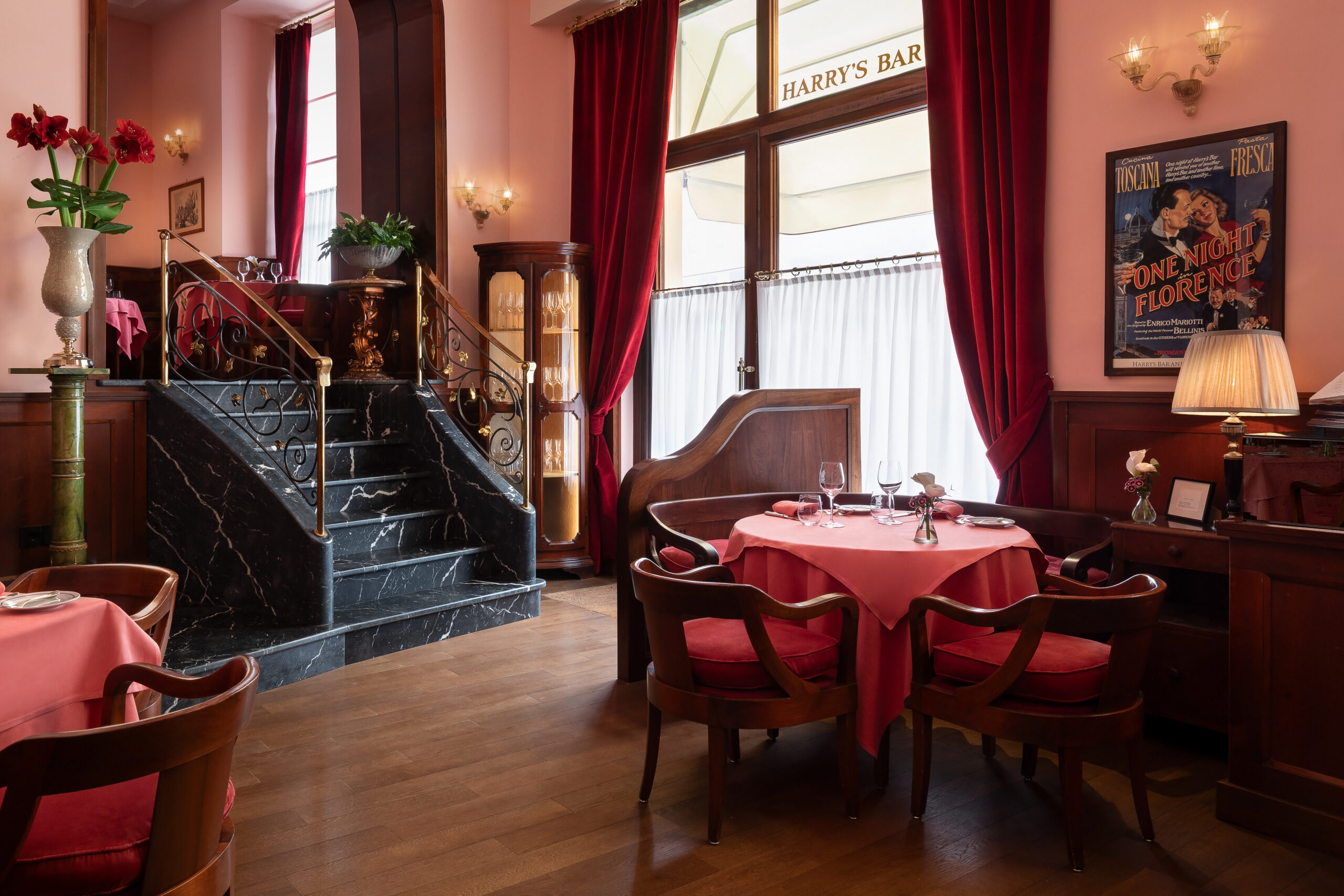
Photo Credit: Sina Villa Medici It ends at Palazzo Pitti, chosen by Cosimo I and Eleonora of Toledo as their grand ducal residence, where architecture became a statement of the family’s position in Tuscany. Behind it, the Boboli Gardens carried that ambition outdoors, establishing a garden model that would influence European courts. Seen together, palace and garden suggest a way of life built around the deliberate arrangement of pleasure: rooms for display, spaces for retreat, landscapes designed to be experienced at a particular pace.
It is all still here thanks to the last of the line. In 1737, Anna Maria Luisa de’ Medici signed the Family Pact, which kept the family’s collections in Florence for the public forever. The bloodline’s story continues in other ways, too: Haute Living sat down with Prince Lorenzo de’ Medici to talk about keeping the dynasty’s legacy alive.
For a modern visitor, that suggests a richer approach to Florence than a hurried procession of famous works. Consider how these places were inhabited. Notice the movement between interiors and gardens, the importance of a view, the way a sequence of rooms builds anticipation. Then return to your own temporary Florentine address and allow yourself a less scheduled afternoon.
Florence’s Most Covetable Luxury Might Be a Garden
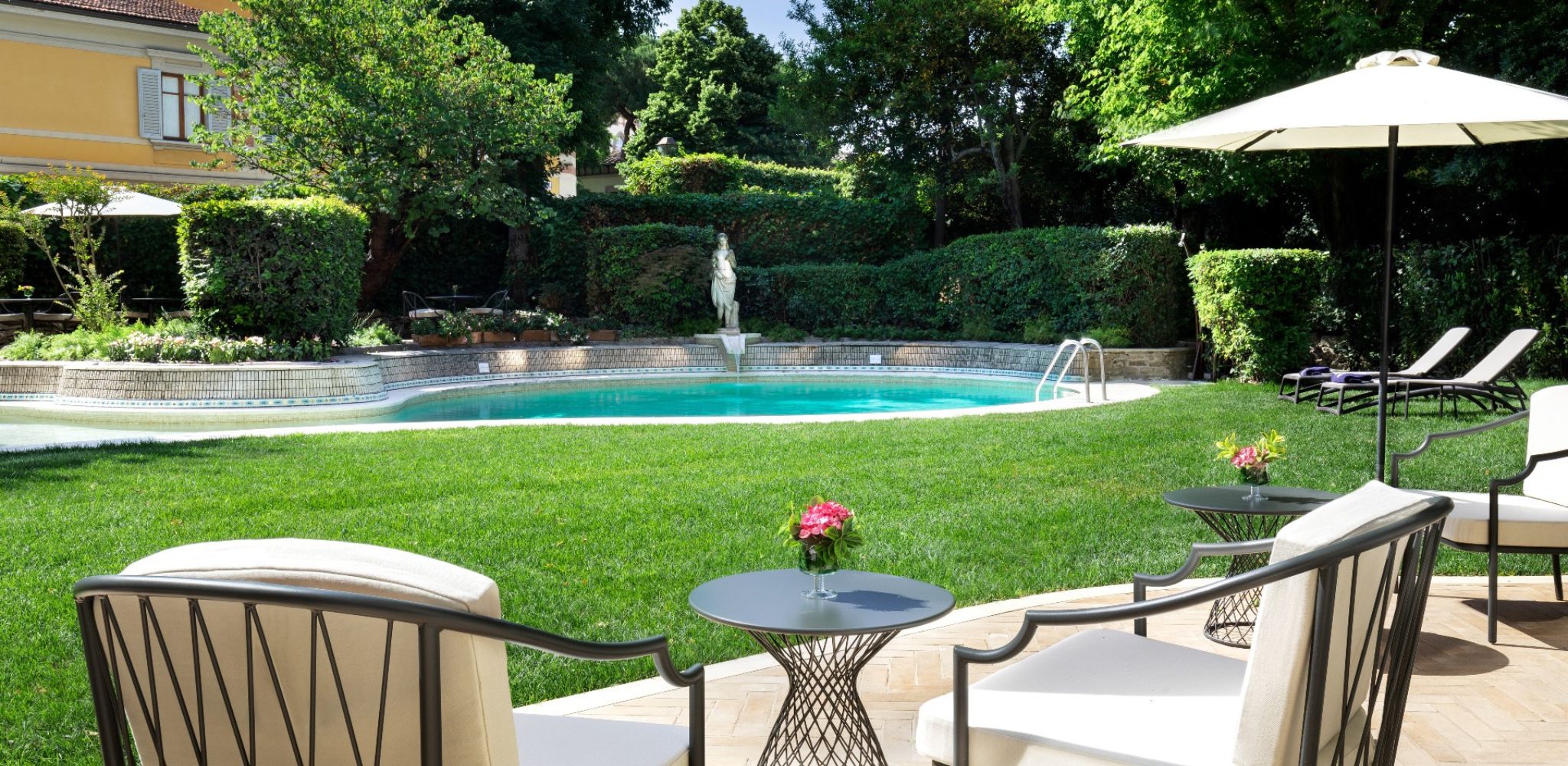
The garden is central to the hotel’s appeal. In a city where days unfold among stone façades, museum galleries and busy streets, a private landscaped outdoor space changes the character of a stay. Add a seasonal swimming pool, a rarity in Florence’s historic center, and the temptation to leave the afternoon unplanned becomes considerable.
For travelers accustomed to choosing between an urban hotel and a resort, it’s a particularly attractive combination. Florence’s cultural life remains within reach, while the hotel offers somewhere to withdraw when the appetite for sightseeing has been satisfied.
That freedom matters. The city can inspire an almost acquisitive approach to travel: another church, another painting, another reservation secured. Yet some of its greatest pleasures require less effort. Sitting outdoors with a drink. Taking a swim before dinner. Letting a conversation continue because there is nowhere else you need to be.
The Medici comparison is especially evocative here. Boboli expressed the family’s extraordinary investment in outdoor space. Sina Villa Medici’s garden works on a far more intimate scale, but it speaks to the same immediately understandable pleasure: a little greenery and quiet to return to in the middle of a celebrated city. It is easy to imagine booking the hotel for Florence, then finding the garden responsible for some of the stay’s most cherished hours.
Photo Credit: Sina Villa Medici
The Royal Suite Makes the Strongest Statement
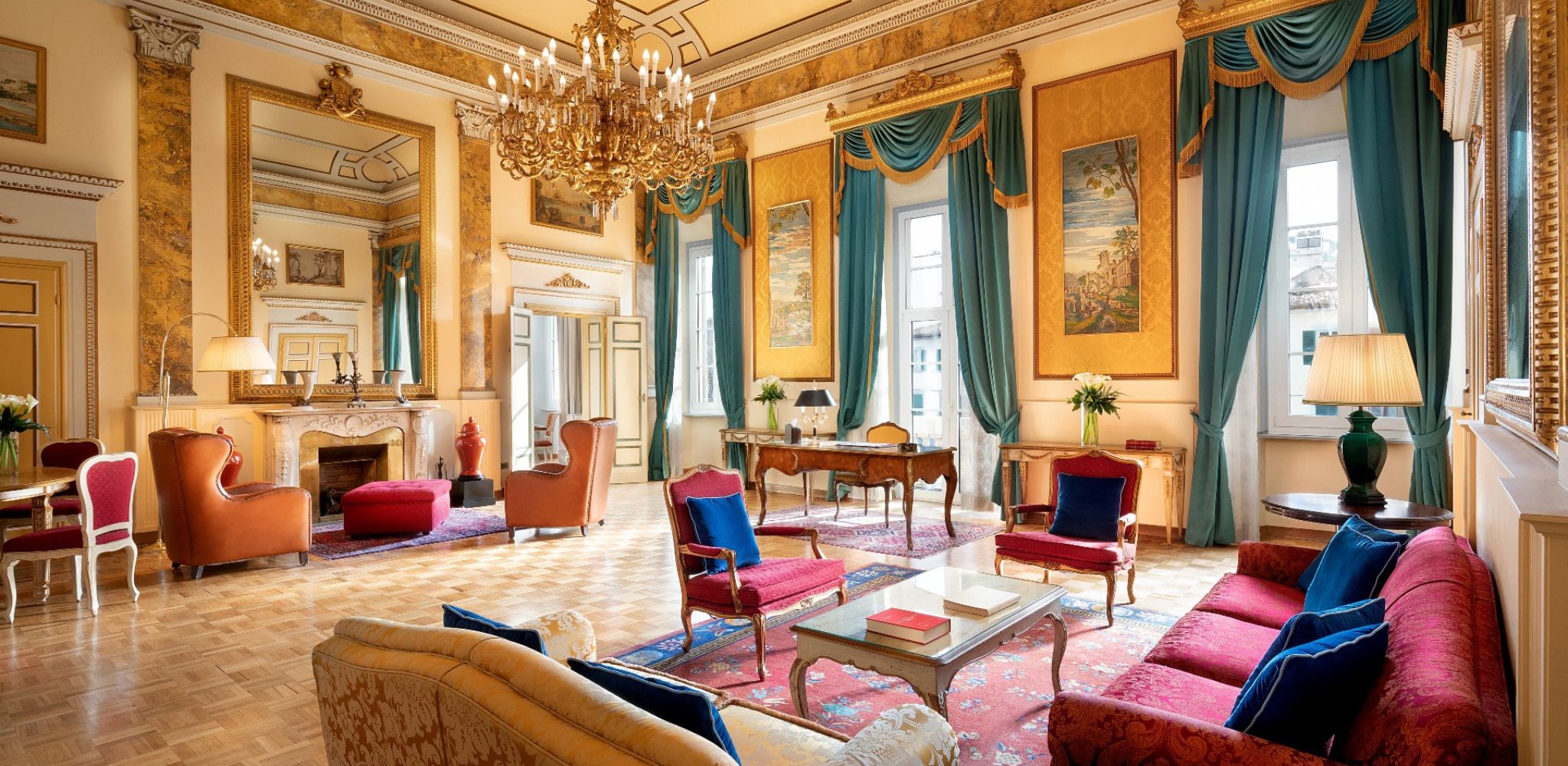
For guests inclined to embrace the palazzo fantasy fully, the Royal Suite is the natural choice. Located on the piano nobile, the principal floor where Florence’s grand families received their guests, it features Empire-style interiors, antiques, artworks, high ceilings, a large living room with a decorative fireplace and a study. A balcony overlooks the square outside. Its precious ornamentation is protected by Italy’s Fine Arts Authority, giving the suite a significance that extends well beyond its role as accommodation.
The distinction between Empire style and the Renaissance is part of the interest. Florence’s history continued long after the Medici, and the suite offers a chance to appreciate another expression of the city’s taste for formal, carefully composed interiors.
It also invites a different relationship with a hotel room. A study suggests correspondence worth sitting down to write. A substantial living room creates a reason to spend time upstairs before dinner. High ceilings and historic ornament encourage the eye to wander. In a city filled with interiors you can enter only as a visitor, the pleasure of briefly having one to yourself is considerable.
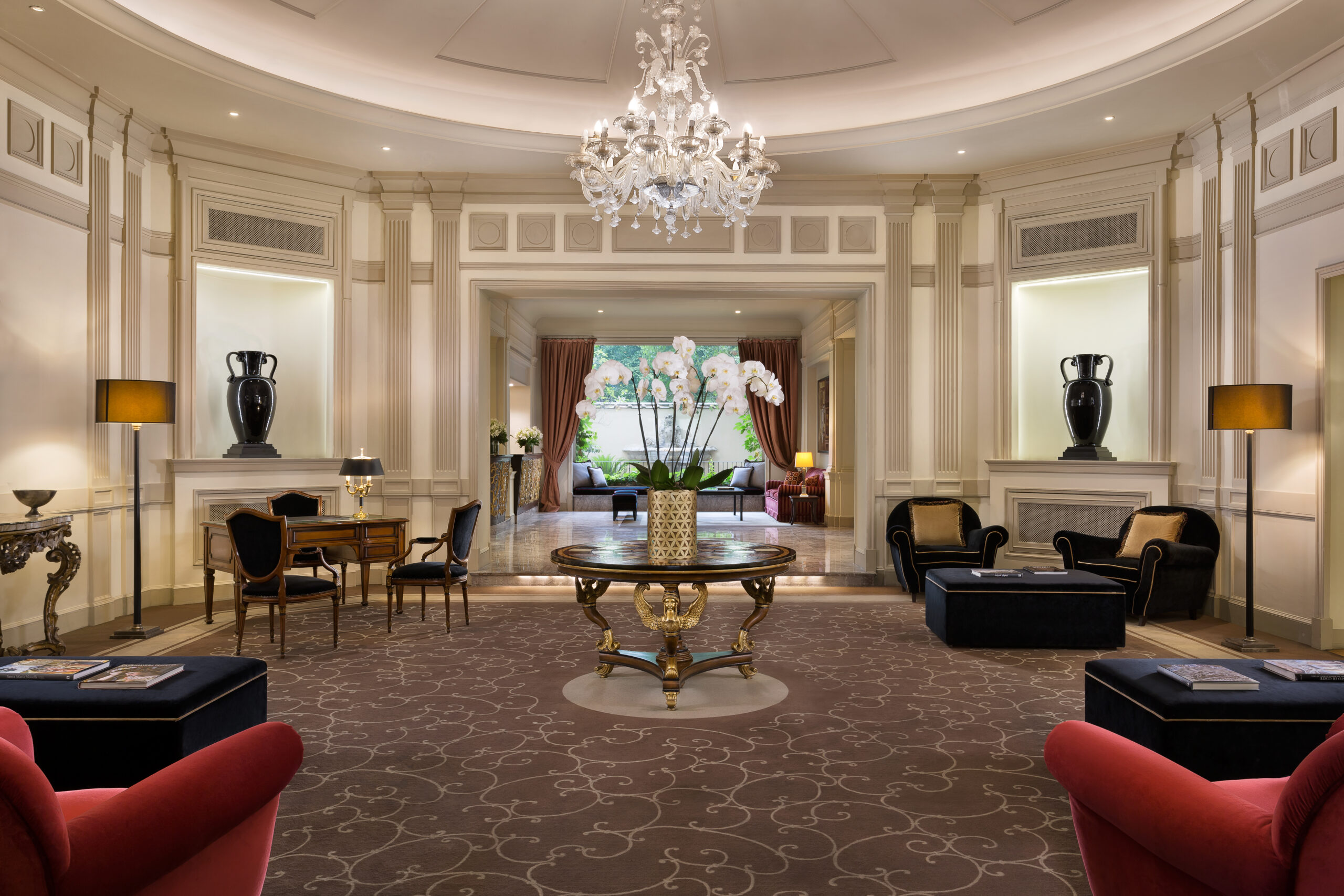
Photo Credit: Sina Villa Medici
Or Take the Fantasy Upstairs
The Florence Suite offers another version of indulgence. Set on the fifth floor, it pairs views over the city with a private terrace and hot tub, making Florence’s skyline part of the stay.
Choosing between the signature suites becomes a question of temperament. The Royal Suite favors the guest drawn to historic interiors and formal rooms; the Florence Suite appeals to those who put a premium on outdoor living and a view. Both encourage the same welcome decision: spending meaningful time at the hotel.
Elsewhere, accommodation ranges from Superior, Deluxe and Premium rooms to Junior Suites and additional suites. Views, balconies and terraces vary by category, so the specific room matters. For a romantic stay, a garden outlook or private outdoor space can shape the experience as much as extra square footage.
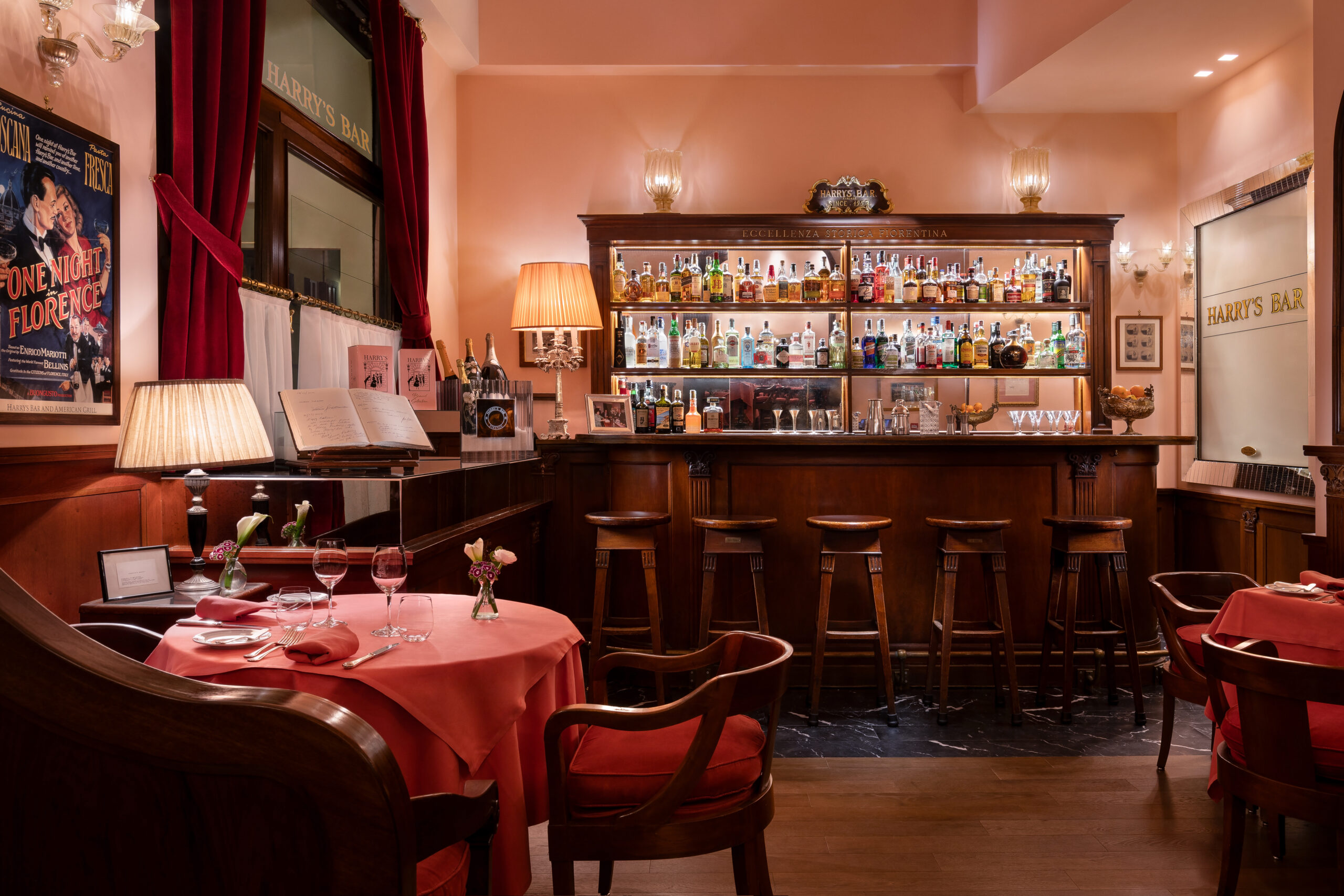
Photo Credit: Sina Villa Medici A Different Kind of Florentine Court
By evening, the hotel’s social life shifts to Harry’s Bar. Harry’s Bar Firenze dates to 1953, with a reputation built on classic cocktails, familiar dishes and a clientele for whom going out was as much about company as cuisine.
Harry’s Bar The Garden arrived at Sina Villa Medici in 2021 through a partnership with the Bechi family. Set beside the pool, it gives the garden an evening identity, with dinner nightly and an American Bar pouring from late morning until midnight. The newer Harry’s Bar Firenze 1953 adds a street-facing counterpart, where original wood paneling and historic furnishings carry the institution’s past into the present; the hotel even points out a preserved stool associated with Elizabeth Taylor’s Florentine evenings.
After a day among Renaissance art, the change of register is welcome. The Medici turned their palazzi into stages for power and display; Florence’s glamorous living simply found new stages in the age of the international jet set, with restaurant tables and bar stools as the new court. A Bellini, Martini or Negroni makes a fitting introduction. The attraction is the entire ritual: choosing a drink, settling into the room and letting aperitivo drift into dinner.
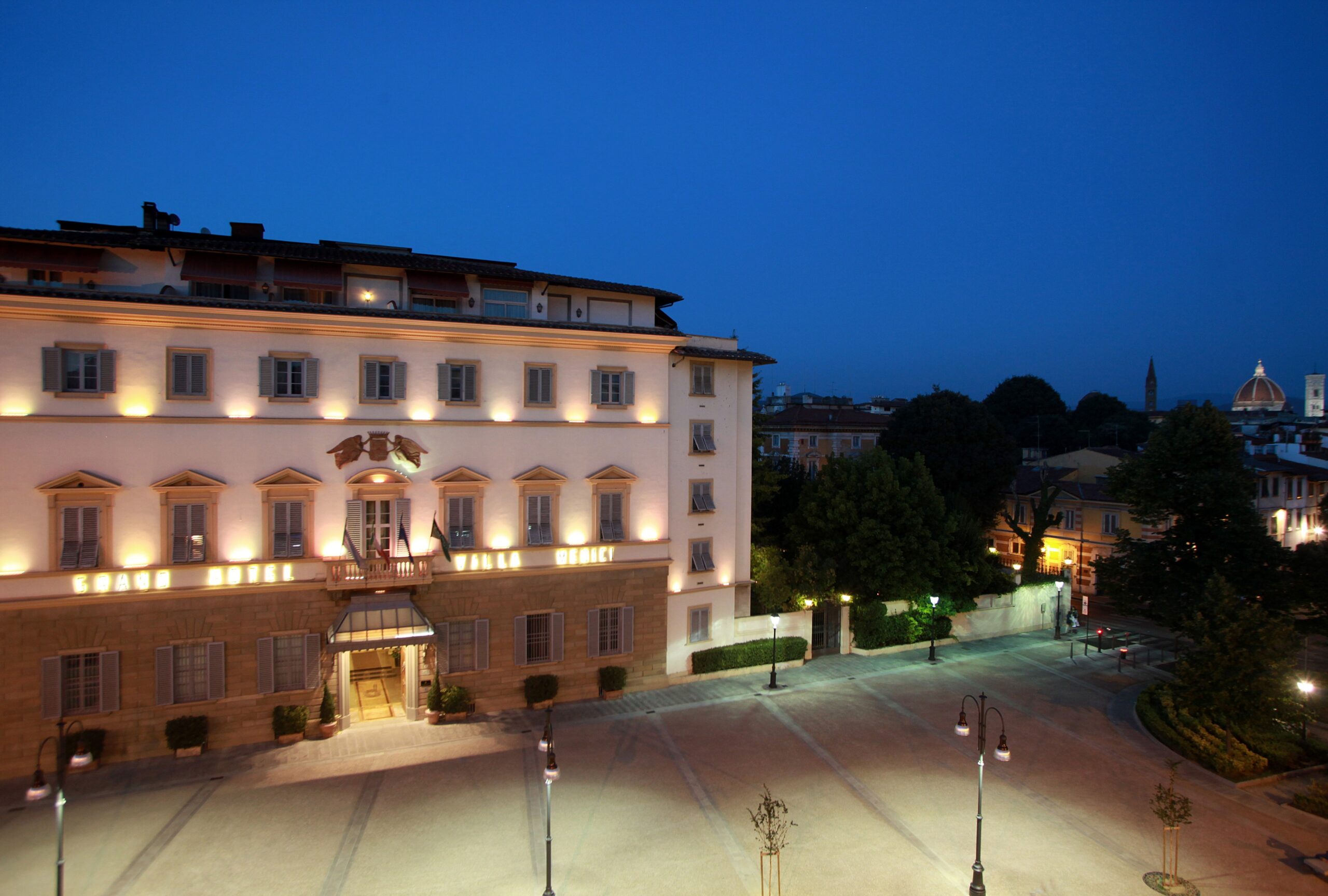 Photo Credit: Sina Villa Medici
A Stay Shaped Around Pleasure
The most rewarding way to experience Sina Villa Medici is to give the hotel room in the itinerary. Devote a morning to Florence’s Medici heritage. Spend time with the scale of Palazzo Pitti or the cultivated landscapes of Boboli. Let the city’s art and architecture hold your attention without trying to exhaust them.
Then come back.
Take advantage of the garden. Choose a room you will enjoy returning to. Leave enough time before dinner to change slowly and have a drink. The Sina Wellness Club, with its fitness center, sauna and Turkish bath, offers more reasons to build pauses into a stay.
This is where the Medici angle becomes most compelling. Their legacy invites fascination with power and patronage, but it also raises a more personal question: what does it mean to surround yourself with beauty and actually make time to enjoy it?
At Sina Villa Medici, the answer is pleasantly uncomplicated. A historic room. A private garden. A table waiting downstairs. Florence outside, ready whenever you are. For a few days, that is a very seductive way to live.
Read More
Meet the family’s modern torchbearer in Haute Living’s How Prince Lorenzo De’ Medici Is Keeping the Medici Dynasty Alive.
through Haute Black.
Haute Living access. Two decades inside the world’s best hotels.
Virtuoso partner. Upgrades & VIP arrival at 1,200+ properties.
One advisor. Who knows you by name.
Frequently Asked Questions
Did the Medici family live at Sina Villa Medici?
No. Despite its name, Sina Villa Medici occupies an early-19th-century palazzo built on the site of the former monastery of Sant’Anna, long after the Medici dynasty ended in 1737. It became a hotel in 1960 after Count Ernesto Bocca, founder of Sina Hotels, bought it in 1958.
Where did the Medici live in Florence?
The family’s first great palace was Palazzo Medici Riccardi, begun in 1444 for Cosimo the Elder. Cosimo I de’ Medici later moved the court to Palazzo Vecchio in 1540 and then to Palazzo Pitti, bought by his wife, Eleonora of Toledo, which became the grand ducal residence.
Is there a Medici family today?
The grand ducal line ended in 1737 with Gian Gastone de’ Medici, but people descended from the family’s branches remain. Haute Living spoke with Prince Lorenzo de’ Medici about carrying the dynasty’s legacy forward.
Latest from Haute Living
The 8 Best Italian Restaurants in Palm Beach, From a New Table on the Water to Mizner’s Hidden Courtyards
LACMA Art+Film Gala 2026: Everything to Know About Denis Villeneuve and Vija Celmins’ Night

Prada Re-Cashmere and Re-Wool Turn the House’s Own Offcuts Into Italian-Made Luxury