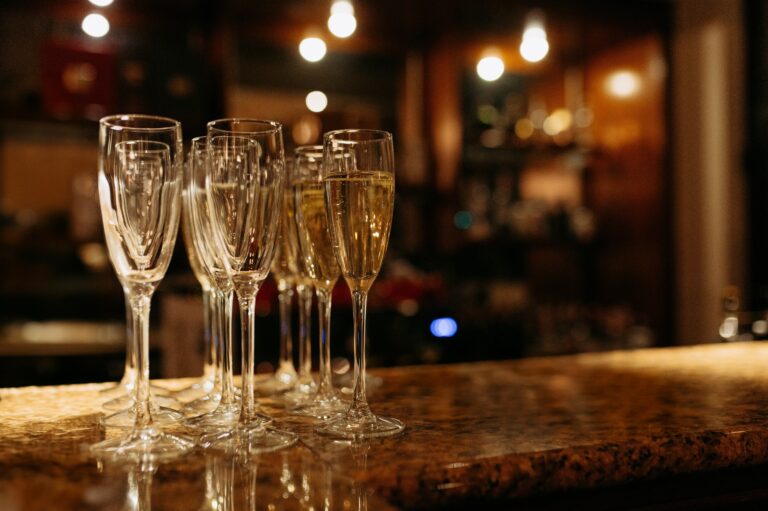
New Orleans, Reconsidered: Why the Crescent City Is One of America’s Great Luxury Destinations
New Orleans has quietly become one of America's great luxury escapes. Discover how, from Michelin star cuisine to fabulous luxury hotels.

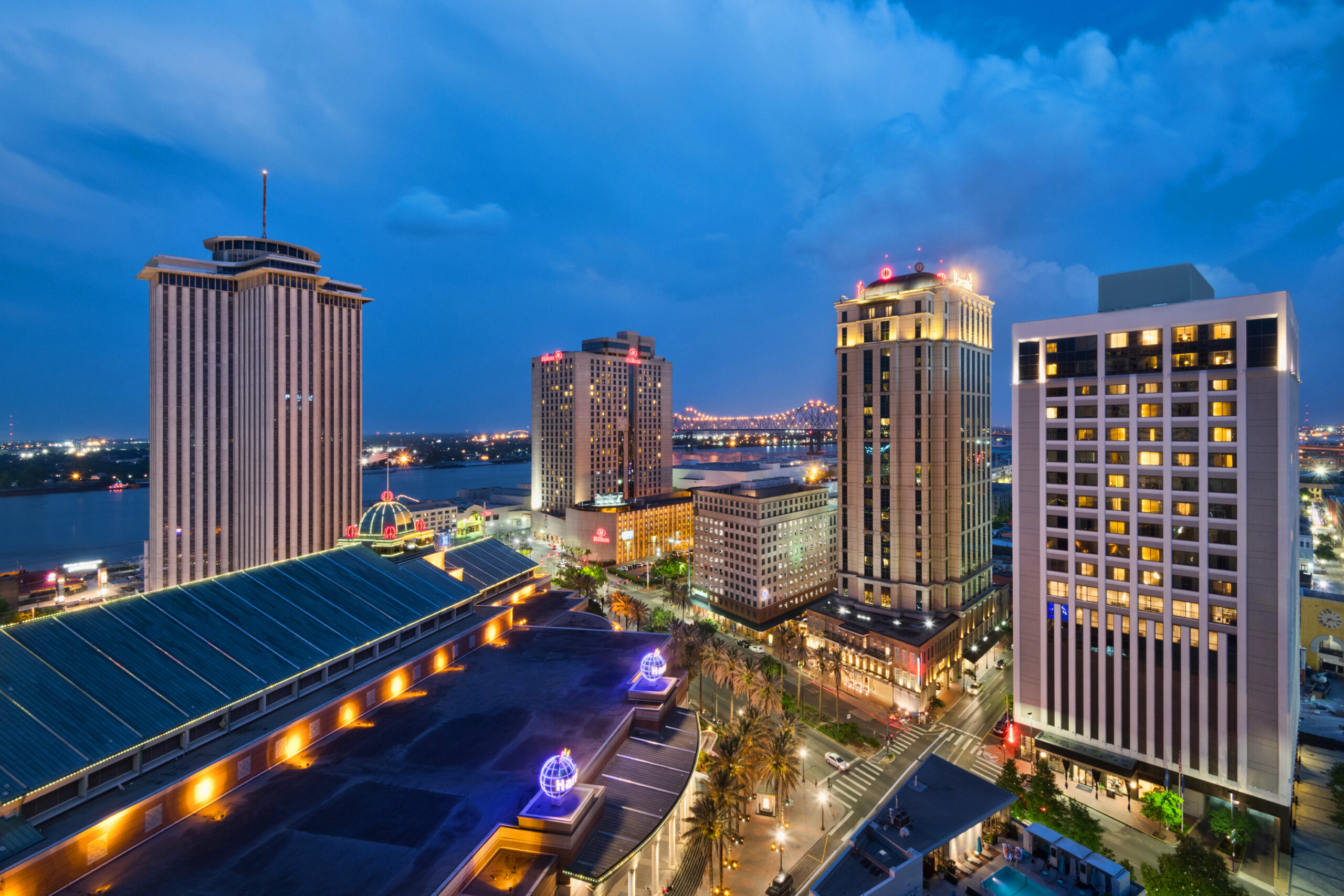
There are cities that announce their luxury loudly, and then there is New Orleans.
I have been coming here for years, and I thought I knew it. I knew the restaurants worth booking, the bars worth drinking at, the particular kind of magic that happens when live music spills out onto the street and a night that was supposed to end after dinner somehow doesn’t. I knew New Orleans as one of America’s great food and cocktail cities.
Yours in one call.
Haute Living access. Two decades inside the world’s best hotels.
Virtuoso partner. Upgrades & VIP arrival at 1,200+ properties.
One advisor. Who knows you by name.
What I hadn’t fully appreciated was New Orleans as a luxury destination.
That changed on my most recent visit.
I was in town for Tales of the Cocktail, which admittedly provides a particularly compelling way to experience the city. For one week, the world’s best bartenders, spirits makers, chefs, tastemakers, and hospitality heavyweights descend on New Orleans, and doors open to private dinners, intimate tastings, guest shifts, impossible reservations, and the kind of wonderfully over-the-top experiences that make sleep feel entirely optional.
But somewhere along the way, the cocktails stopped being the whole story.
Because this time I started paying attention to everything surrounding them.
New Orleans has quietly assembled all the pieces of a world-class luxury escape without sacrificing the very things that make people fall in love with it in the first place. There are extraordinary hotels and serious spas. There are Michelin stars and James Beard Awards. There are some of the most important cocktail bars in America alongside glamorous new arrivals. There is art, architecture, live music and more than 300 years of history, not recreated for tourists, but simply part of daily life.
More importantly, there is a sense of place.
That matters because the definition of luxury has changed. I don’t need another beautiful hotel room that could just as easily be in Dubai, London or Los Angeles. I want to know where I am. I want the hotel, the restaurant, the cocktail and the experience to tell me something about the destination.
New Orleans does that exceptionally well.
Here, luxury can mean eating a two-Michelin-starred tasting menu one night and sitting in a tiny Bywater dining room the next. It can mean drinking a Sazerac beneath murals that have watched generations come and go, or discovering what the next generation of New Orleans bartenders is doing across town. It can mean Champagne beside a rooftop pool in the afternoon, live jazz over Cognac before dinner and returning upstairs to a suite overlooking the Mississippi.
It isn’t polished at the expense of personality. And thank God for that.
New Orleans isn’t becoming a luxury destination.
It already is one.
You just have to know where to look.
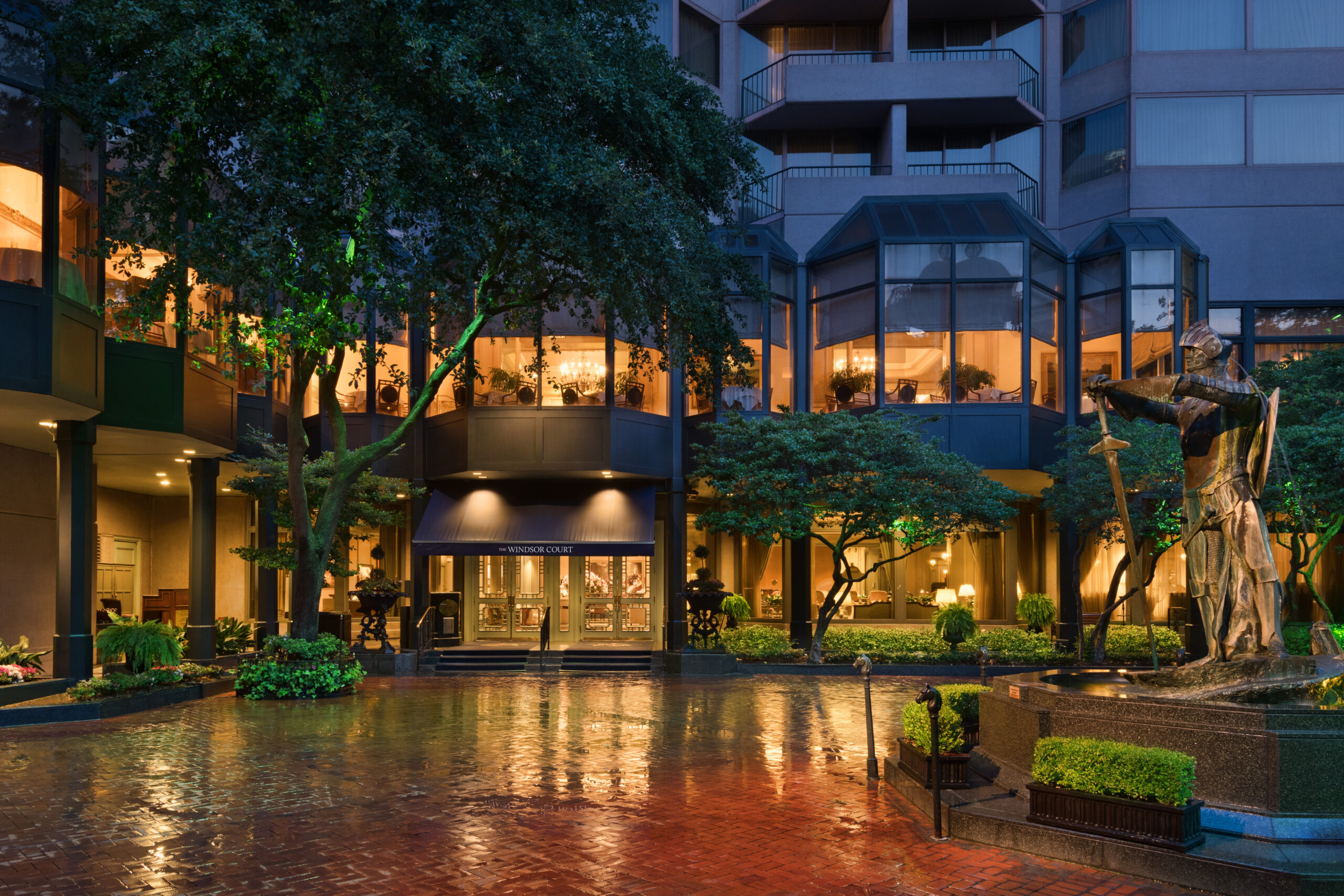
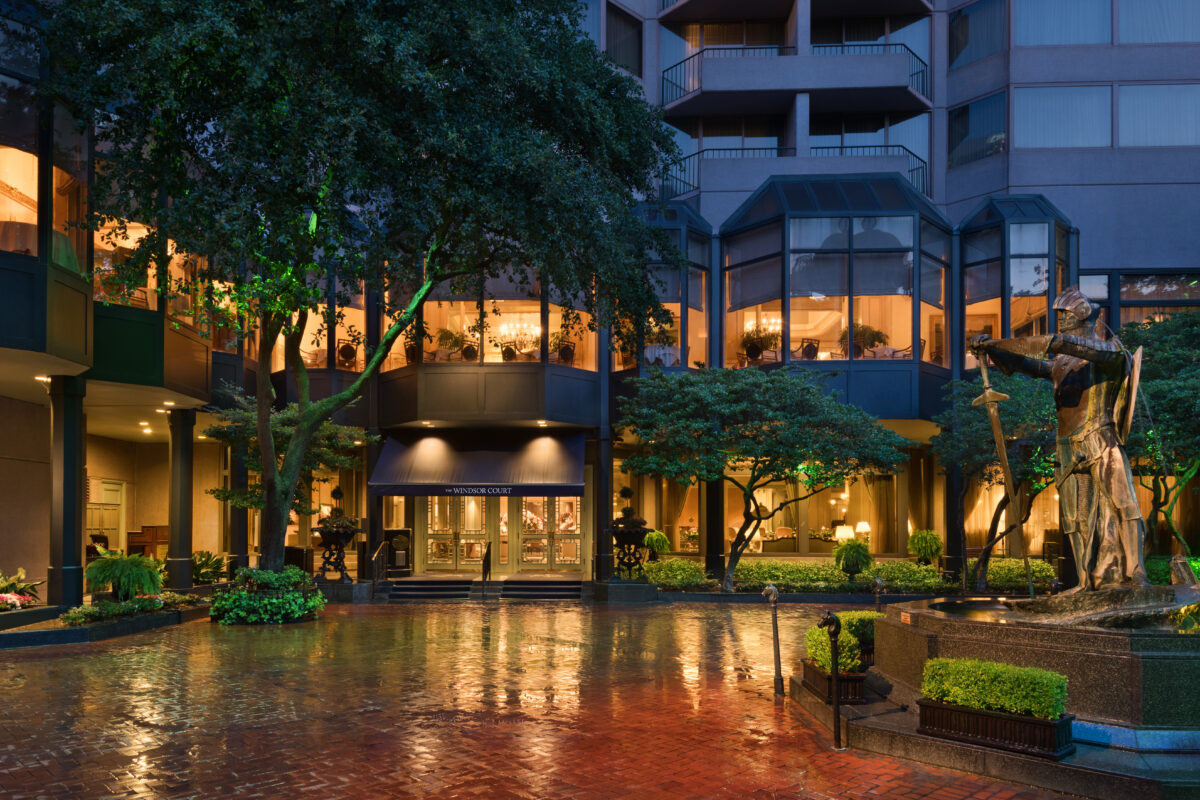
Where to Stay: The Windsor Court
If one hotel crystallized that realization for me, it was The Windsor Court. Haute Living previously took an inside look at the property, but a lot has evolved since, including the newly reimagined Presidential Suite below.
Just two blocks from the French Quarter, Windsor Court manages the rather impressive trick of being close to the action without feeling remotely consumed by it. Walk through its doors and New Orleans’ glorious chaos seems to fall away. In its place is something altogether more civilized: flowers, fine art, gracious service, afternoon tea, Champagne, Cognac and the unmistakable sense that nobody here is in much of a hurry.
This is old-school luxury in the best possible sense.
The hotel’s personality is deliberately unusual for New Orleans. Founder James J. Coleman Jr. drew inspiration from English design, East Asian influences and his love of polo, creating a British-inflected retreat in the middle of the Crescent City. That heritage remains particularly visible in spaces like The Polo Club and throughout a remarkable art collection.
And this isn’t hotel art chosen because somebody needed to fill a wall. Windsor Court’s collection is valued at more than $10 million and encompasses paintings, sculptures, tapestries, and furnishings by more than 60 artists spanning the 17th through late 20th centuries.
The pedigree extends to the hotel itself. Windsor Court has maintained Forbes Travel Guide Four-Star status since 2007 and AAA Four Diamond recognition for more than two decades, while Travel + Leisure readers have named it the No. 1 city hotel in New Orleans. In 2026, it was again included among Travel + Leisure’s Top 500 Hotels in the World.
But awards aren’t why I’d return.
Space certainly helps. New Orleans hotel rooms can be quirky. Windsor Court’s are unapologetically enormous. Even standard guestrooms begin at 400 square feet, Deluxe Suites stretch to 600, and Premium Suites offer 800 square feet, with Italian marble bathrooms and Diptyque amenities throughout.
For the full experience, book Club Level. Occupying floors 19 through 22, it comes with a dedicated concierge and access to a private lounge with outdoor terraces and skyline views. There are food and beverage presentations throughout the day: continental breakfast, afternoon tea, evening cocktails and hors d’oeuvres, followed by desserts and cordials.
And then there is the reason I’d happily move in.
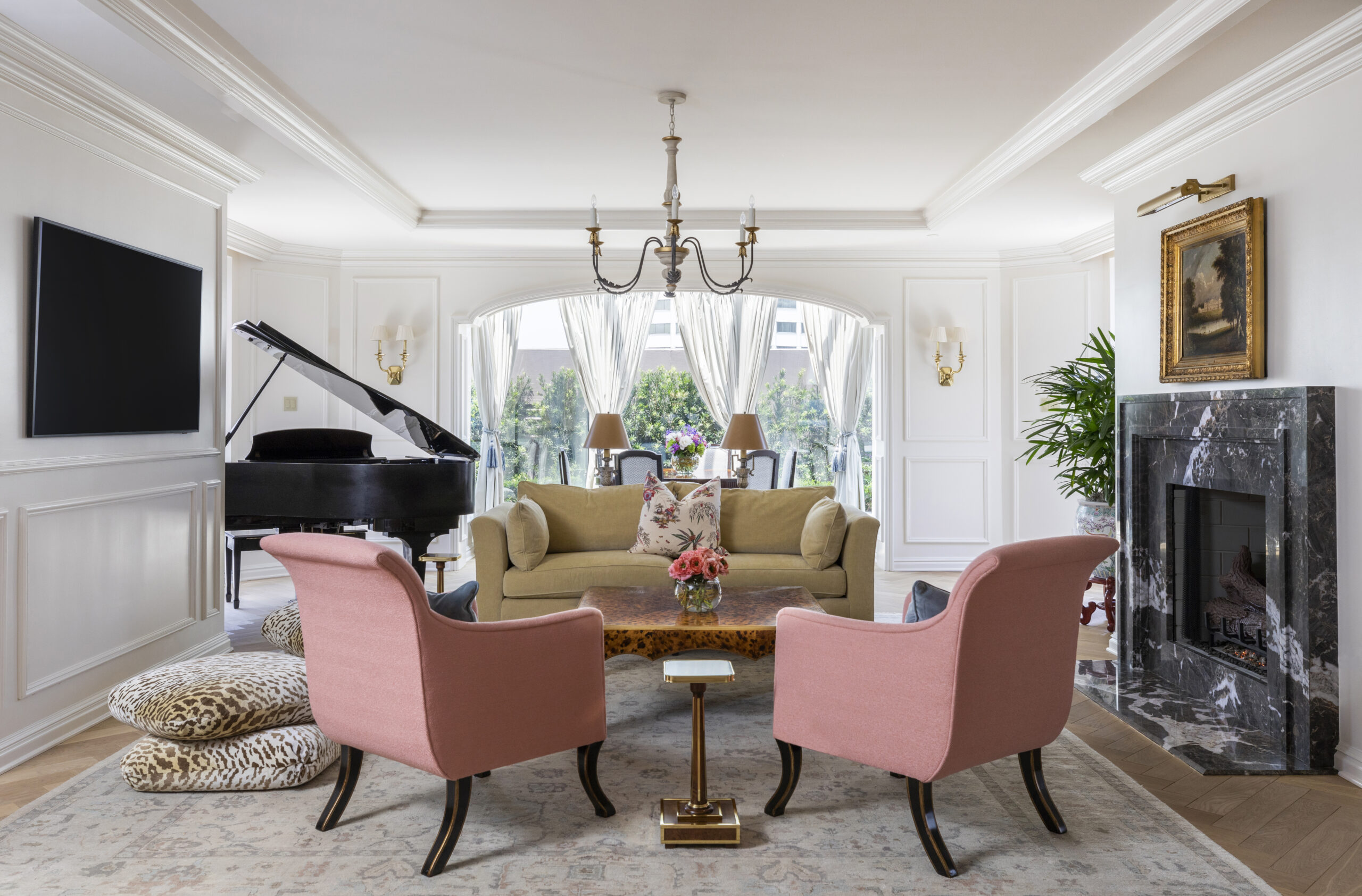
The James J. Coleman, Jr. Presidential Suite
Calling this a hotel suite feels slightly inadequate.
Set on the 22nd floor, the recently reimagined James J. Coleman, Jr. Presidential Suite is a sprawling two-bedroom residence designed to marry the hotel’s old-world British identity with a more contemporary European sensibility. The hotel’s materials describe two full bathrooms, two half baths and a more open, light-filled floor plan filled with local art and furnishings.
At 2,780 square feet, there is room to actually live here. Three private terraces look toward the New Orleans skyline and Mississippi River, while inside, the suite unfolds through a formal living room, den, library, dining room, butler’s pantry and grand salon with a baby grand piano and working fireplace.
The details are appropriately over-the-top without tipping into ridiculousness: Alabama marble, locally sourced furnishings, museum-quality artwork, a full-size refrigerator and Miele coffee setup, Sonos, Samsung Frame TVs and a private Technogym fitness area.
Because if you’re staying in the Presidential Suite, apparently going downstairs to the gym is simply too pedestrian.
What I like most about it, though, is that it doesn’t feel like a generic presidential suite assembled from an international luxury-hotel checklist. Windsor Court’s British references, the art, the local touches and those views make it specific to this hotel and this city.
It belongs here.
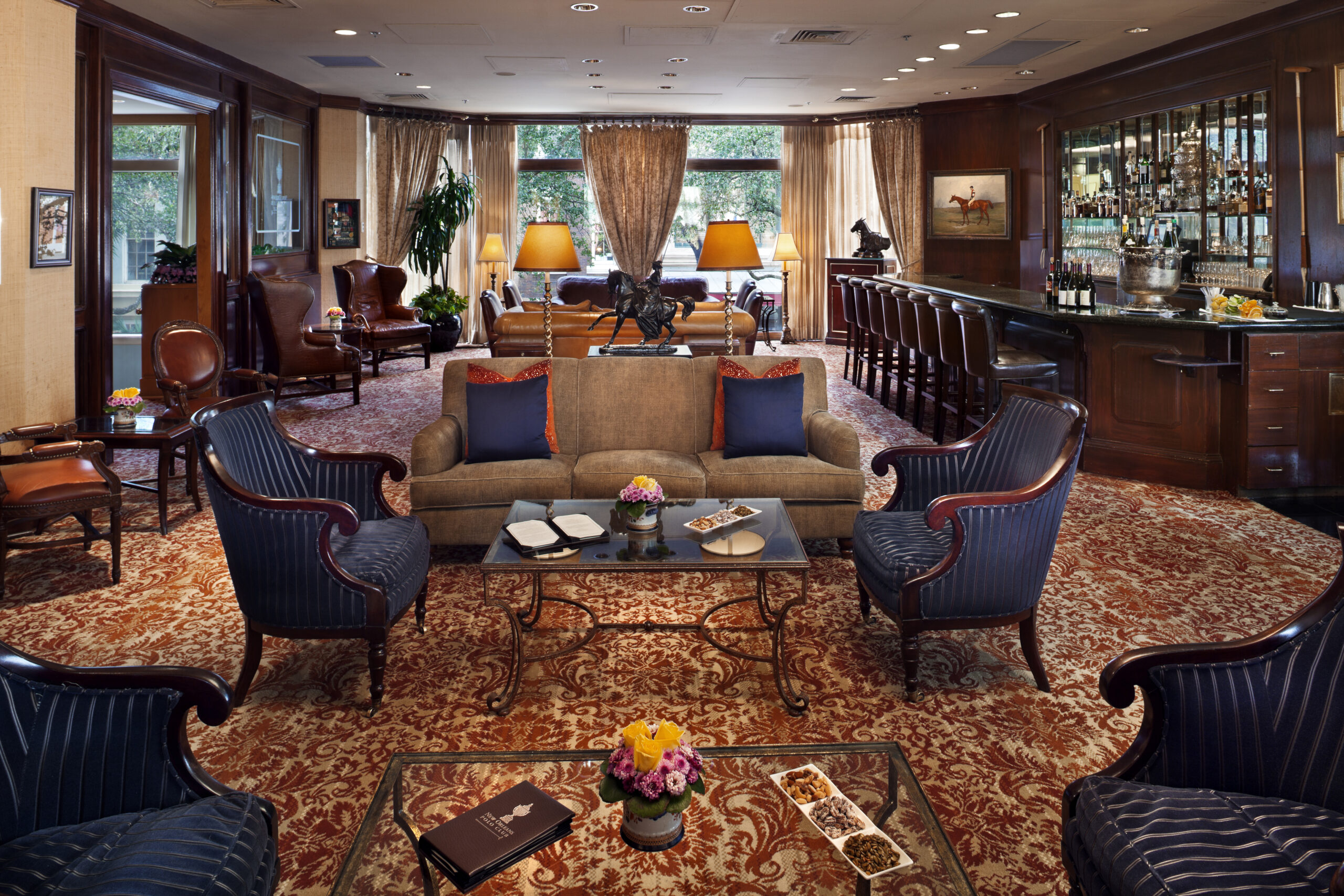
The Polo Club
One of my favorite things about a truly great luxury hotel is having a bar downstairs that I’d visit even if I weren’t sleeping upstairs.
The Polo Club is exactly that.
Reminiscent of a private English club, it’s atmospheric and unapologetically old-school, filled with fine art and the hotel’s signature polo references. More importantly, it holds one of the largest Cognac collections in New Orleans.
This is where you come down for one civilized pre-dinner cocktail and discover, somewhat predictably, that you’ve ordered another.
And then there’s the jazz. Live local jazz is performed nightly, turning what could have been another handsome hotel lounge into something that actually belongs in New Orleans. Windsor Court’s British sensibility never overwhelms its location.
New Orleans always gets the last word.
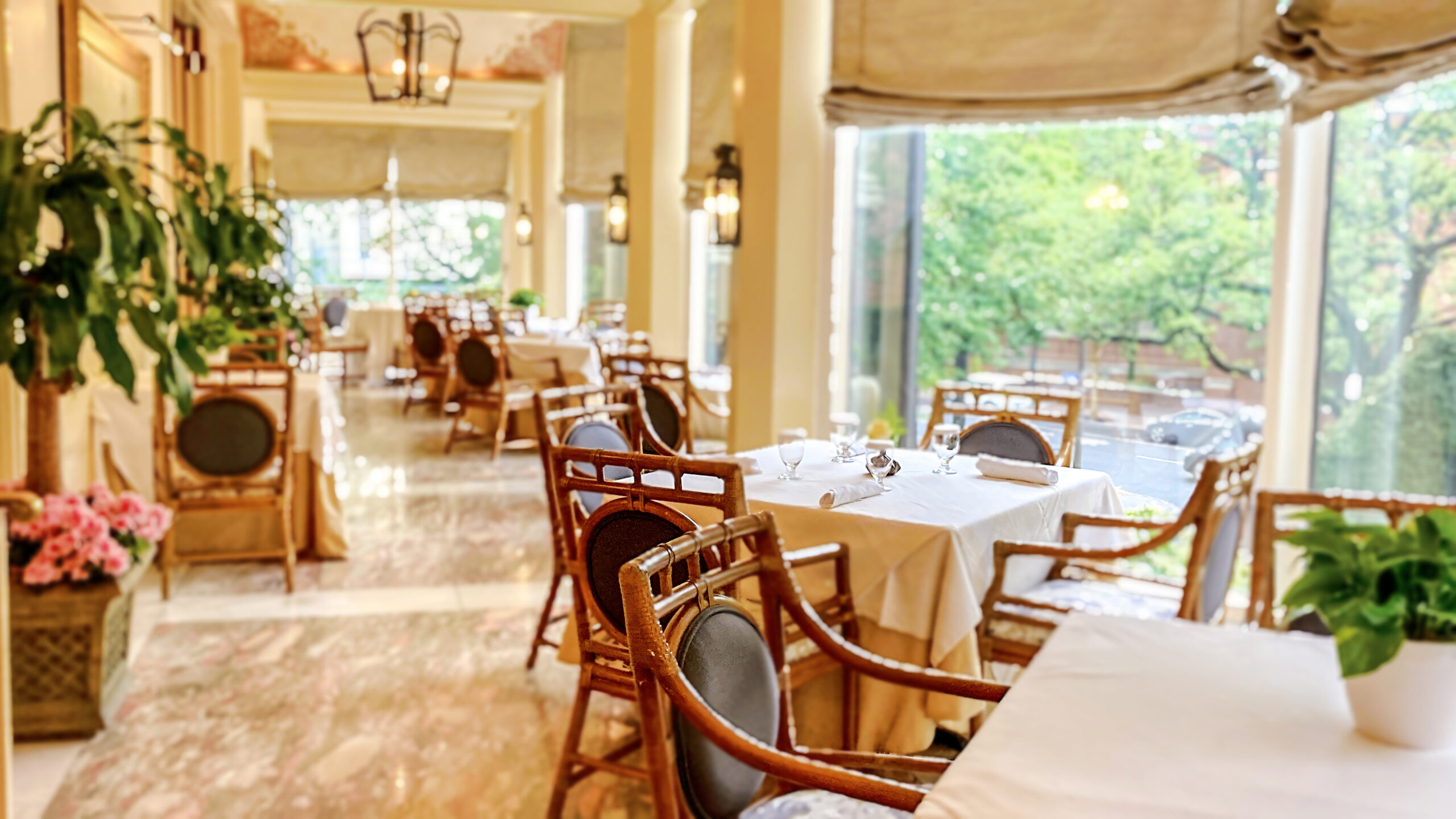
The Grill Room
Then there is The Grill Room, Windsor Court’s signature fine-dining restaurant. Floor-to-ceiling windows overlook the courtyard, while Executive Chef Vlad Kogan’s menu approaches modern American cooking with seasonal ingredients and contemporary technique.
The wine program is particularly serious. The Grill Room received Wine Spectator’s Best of Award of Excellence again in 2026, while Windsor Court describes its collection as the most extensive in the city.
On weekends, breakfast gives way to Jazz Brunch with the Christopher Kohl Trio, because in New Orleans even brunch understands that silence is overrated.
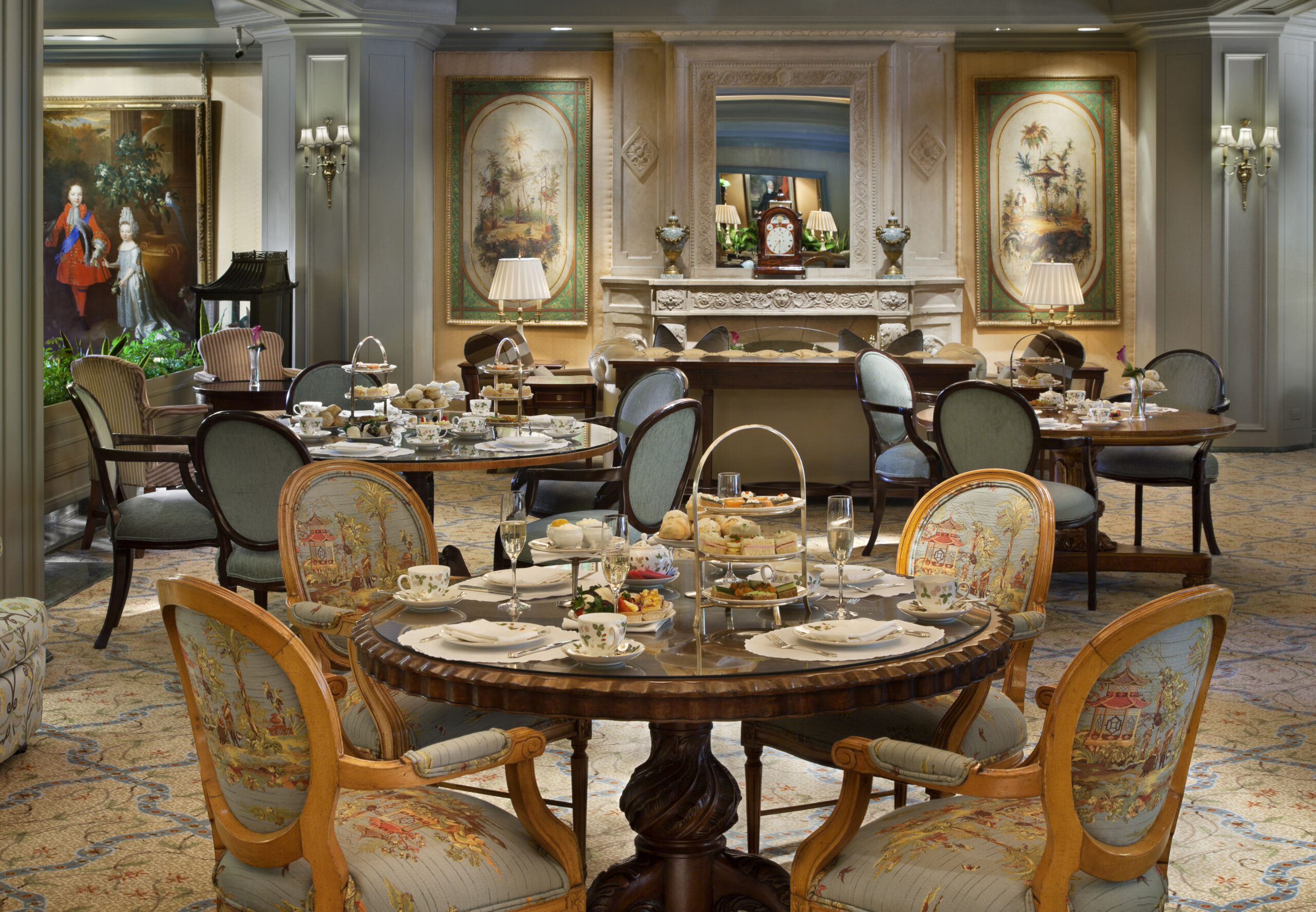
Photo Credit: Windsor Court Hotel
Afternoon Tea, New Orleans Style
Windsor Court’s English eccentricity reaches its most charming conclusion at Le Salon, where traditional afternoon tea is served on Fridays, Saturdays and Sundays.
There are 30 loose-leaf teas, proper tea sandwiches, seasonal scones, clotted cream and sweets, accompanied by a harpist or pianist.
Is afternoon tea the first thing one associates with New Orleans? Probably not.
Does Champagne and a scone in an elegant salon before heading out for a night in the French Quarter suddenly seem like an excellent idea once you’re here? Absolutely.
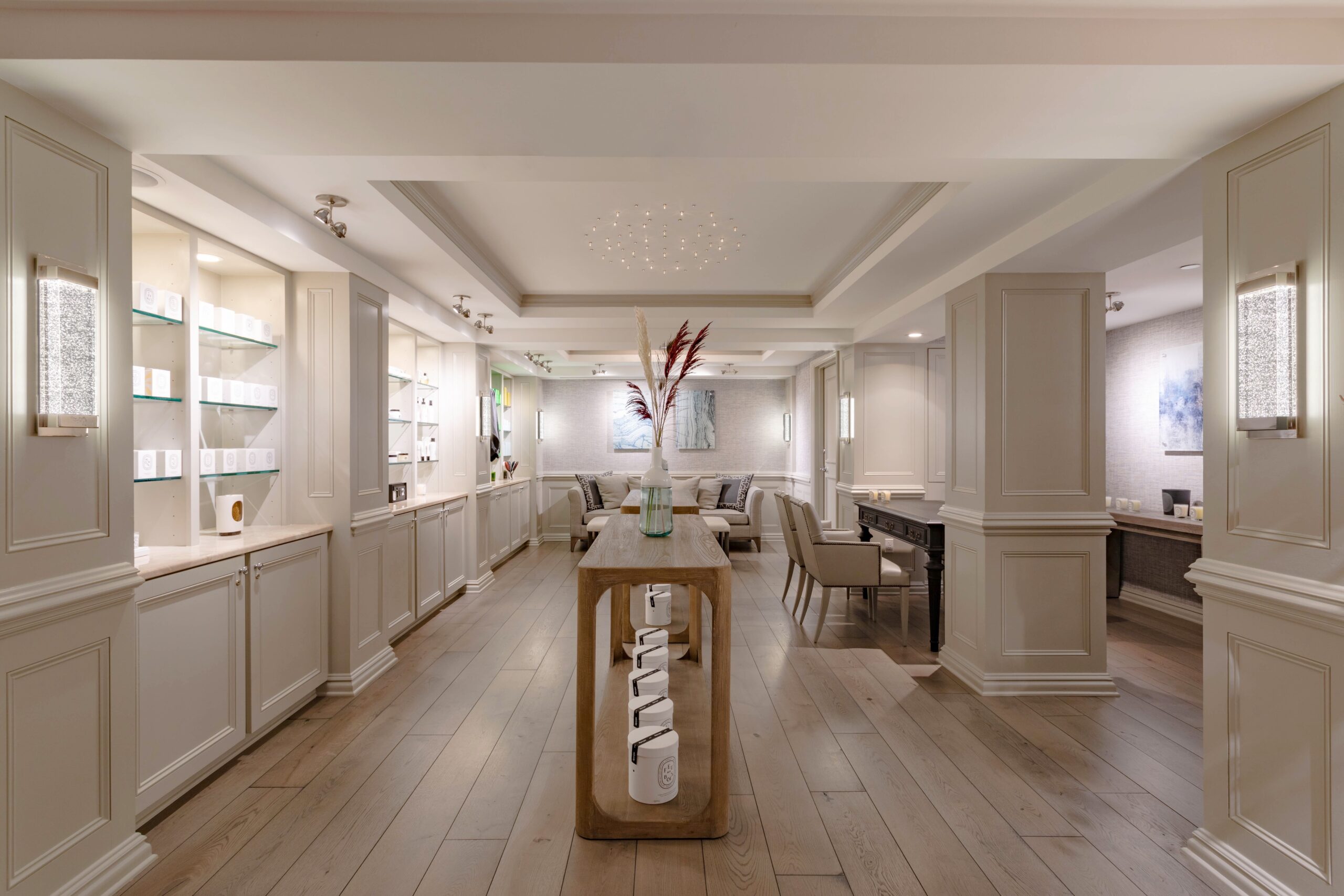
The Spa
And this is not a hotel where the spa feels like an amenity included simply because a luxury hotel is supposed to have one.
The Windsor Court Spa has nine treatment rooms, including two wet rooms and a couples treatment room, as well as infrared saunas and salon services.
More telling is the product roster: Augustinus Bader, 111Skin, Diptyque, Lola’s Apothecary and Laurel Whole Plant Organics.
It’s a serious spa rather than a token massage room, exactly what I want when I’ve spent the previous evening taking New Orleans’ cocktail culture a little too seriously.
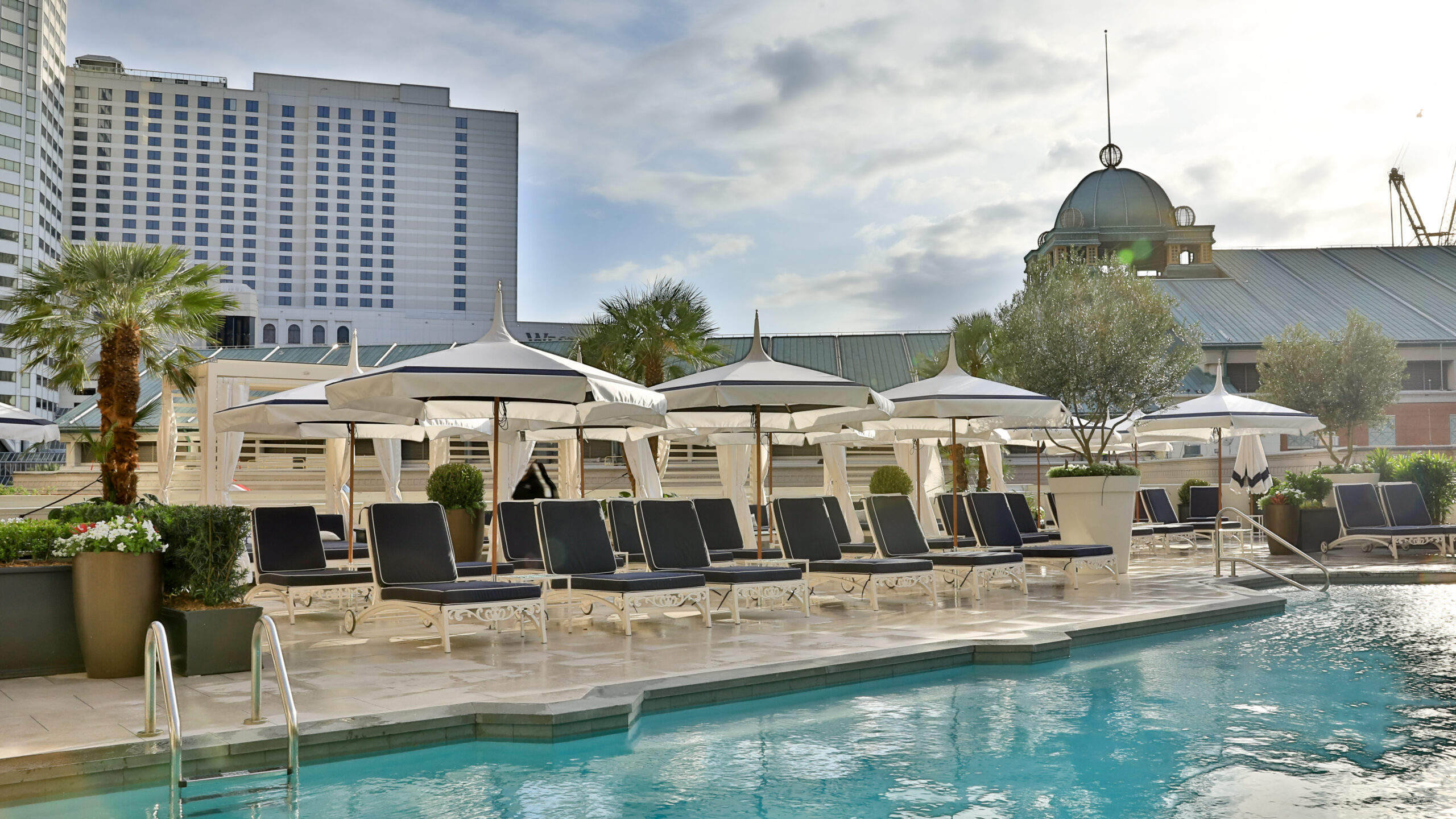
The Rooftop
Finally, there is the rooftop. The renovated terrace holds a 65-foot saltwater pool overlooking the New Orleans skyline, with private cabanas and its own Pool Bar. It’s heated during cooler months, making this considerably more than a summer-only amenity.
And Windsor Court understands its audience. Rent one of the cabanas and you get a dedicated server, snacks, non-alcoholic beverages and a complimentary bottle of Veuve Clicquot.
This is New Orleans, after all.
What ultimately makes Windsor Court special, however, isn’t any single one of these things. It’s that the hotel can give you the enormous suite, museum-quality art, Champagne by the pool, afternoon tea, serious wine cellar, Cognac and spa, and somehow none of it competes with the destination outside.
Instead, it becomes another expression of it.
Where to Eat
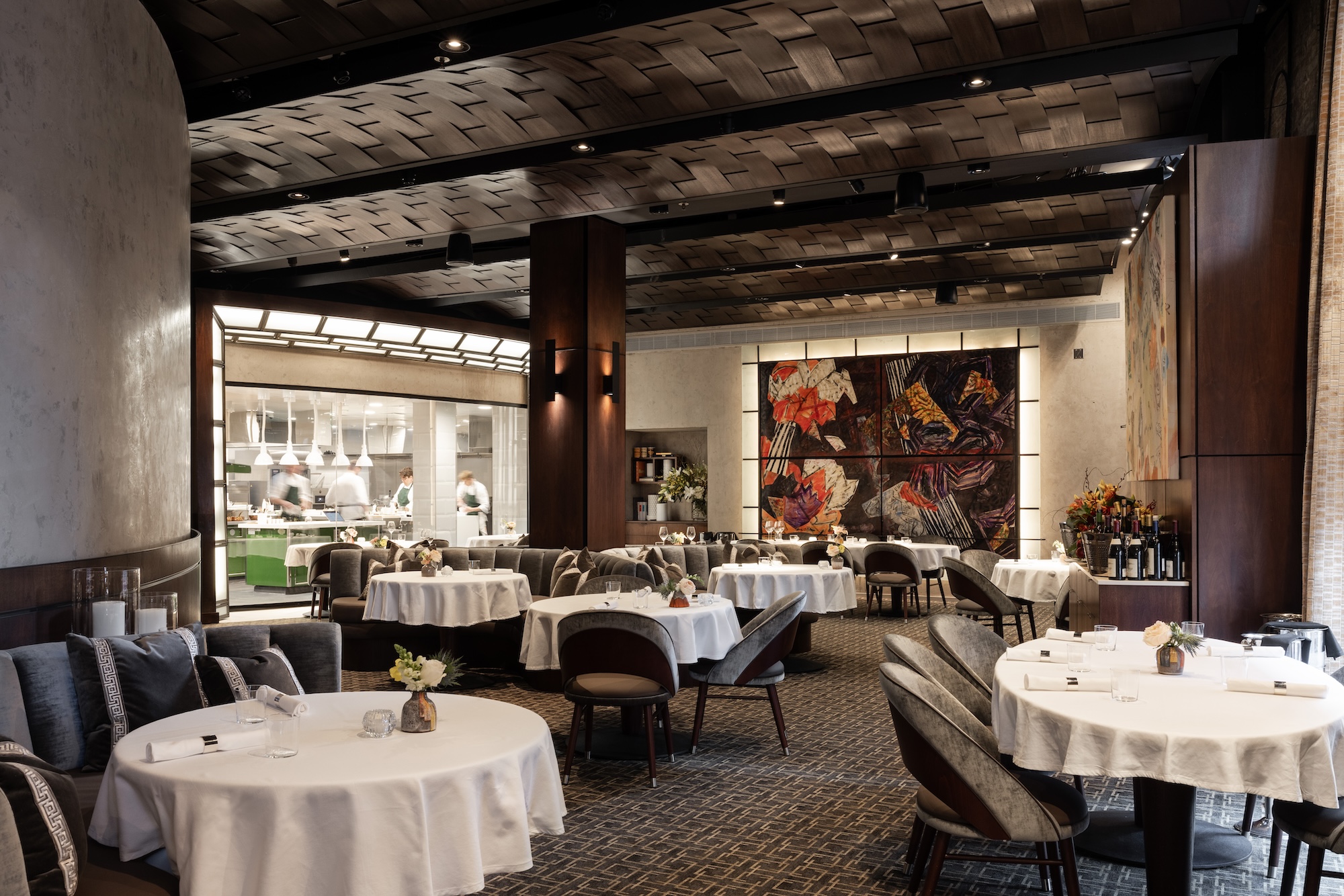
Photo Credit: Laura Steffan
Emeril’s
Two Michelin stars, 2025 · Chef E.J. Lagasse
Forget whatever you think you know about Emeril’s. The restaurant that Emeril Lagasse opened in 1990 has entered an entirely new era under his son, E.J. Lagasse, and Michelin has taken notice in a very big way. In 2025, Emeril’s became the only restaurant in the inaugural Michelin Guide American South to receive two stars, making it quite literally worth planning a trip around.
E.J., who trained in some seriously heavy-hitting European kitchens, including Core by Clare Smyth and Frantzén, has taken the bones of his father’s legendary restaurant and polished them into something decidedly more modern, precise and ambitious. The experience now centers around a multi-course tasting menu that treats Louisiana cooking with the reverence usually reserved for haute cuisine. Yet for all the refinement, this still feels like New Orleans. That’s the trick. E.J. hasn’t erased his father’s legacy; he’s figured out how to move it forward.
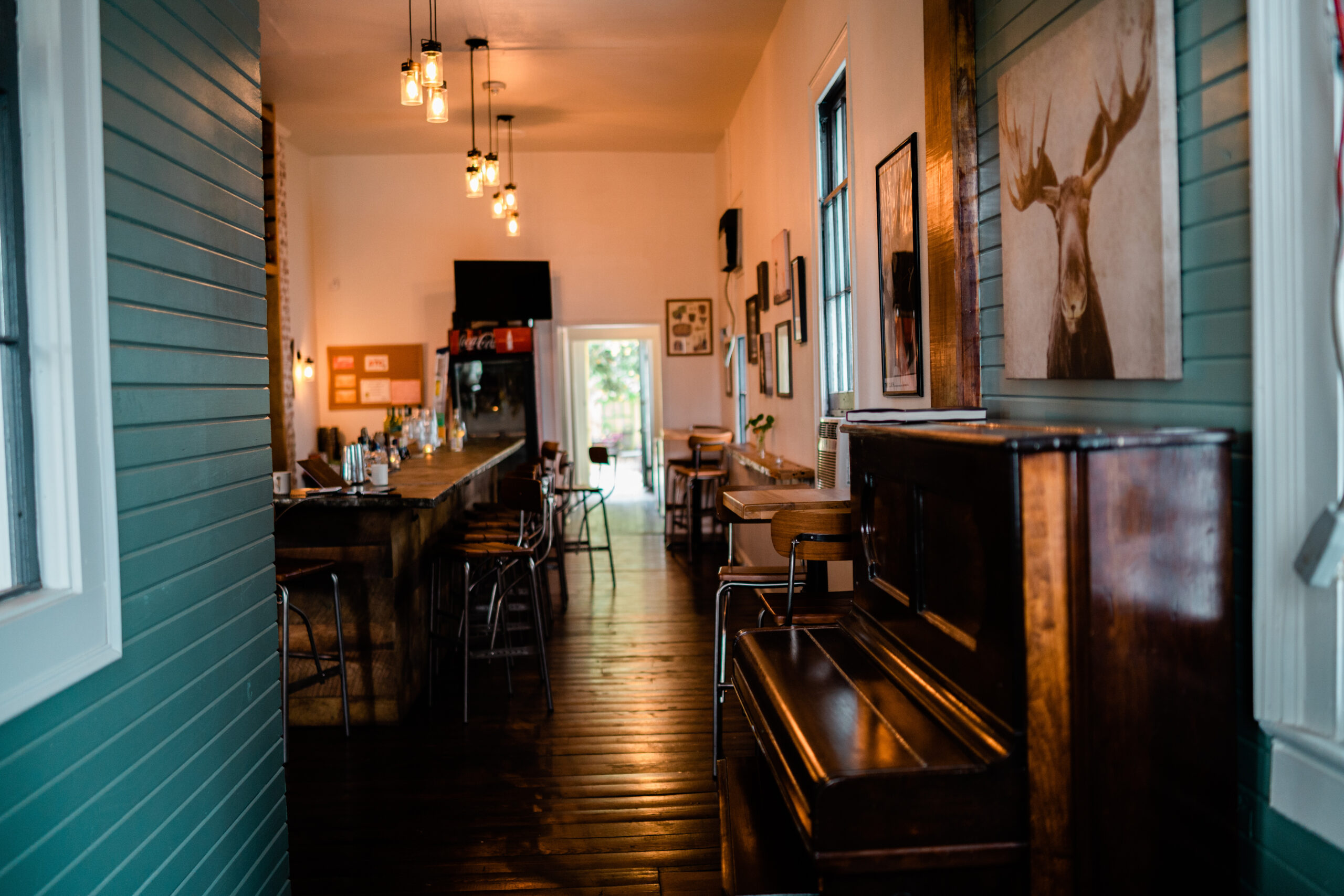
Photo Credit: Justen Williams
Saint-Germain
One Michelin star · Bywater · Chefs Blake Aguillard and Trey Smith
Saint-Germain is proof that luxury doesn’t require chandeliers, white tablecloths or a dining room the size of Versailles. In fact, this tiny Bywater restaurant is almost comically understated from the outside. Step through the door, however, and chefs Blake Aguillard and Trey Smith deliver one of New Orleans’ most intimate, and now Michelin-starred, dining experiences.
The tasting menu unfolds across a procession of petite, beautifully considered courses where serious technique meets distinctly Southern ingredients. Cultured butter is made in-house, and ingredients like Carolina Gold rice, crab, squab and cornbread may all enter the equation, though rarely in the form you expect. There are only a handful of seats, making dinner feel less like visiting a restaurant and more like being admitted into a particularly talented chef’s private dining room. Book early. This is one of those places where exclusivity isn’t manufactured; there simply isn’t much room.
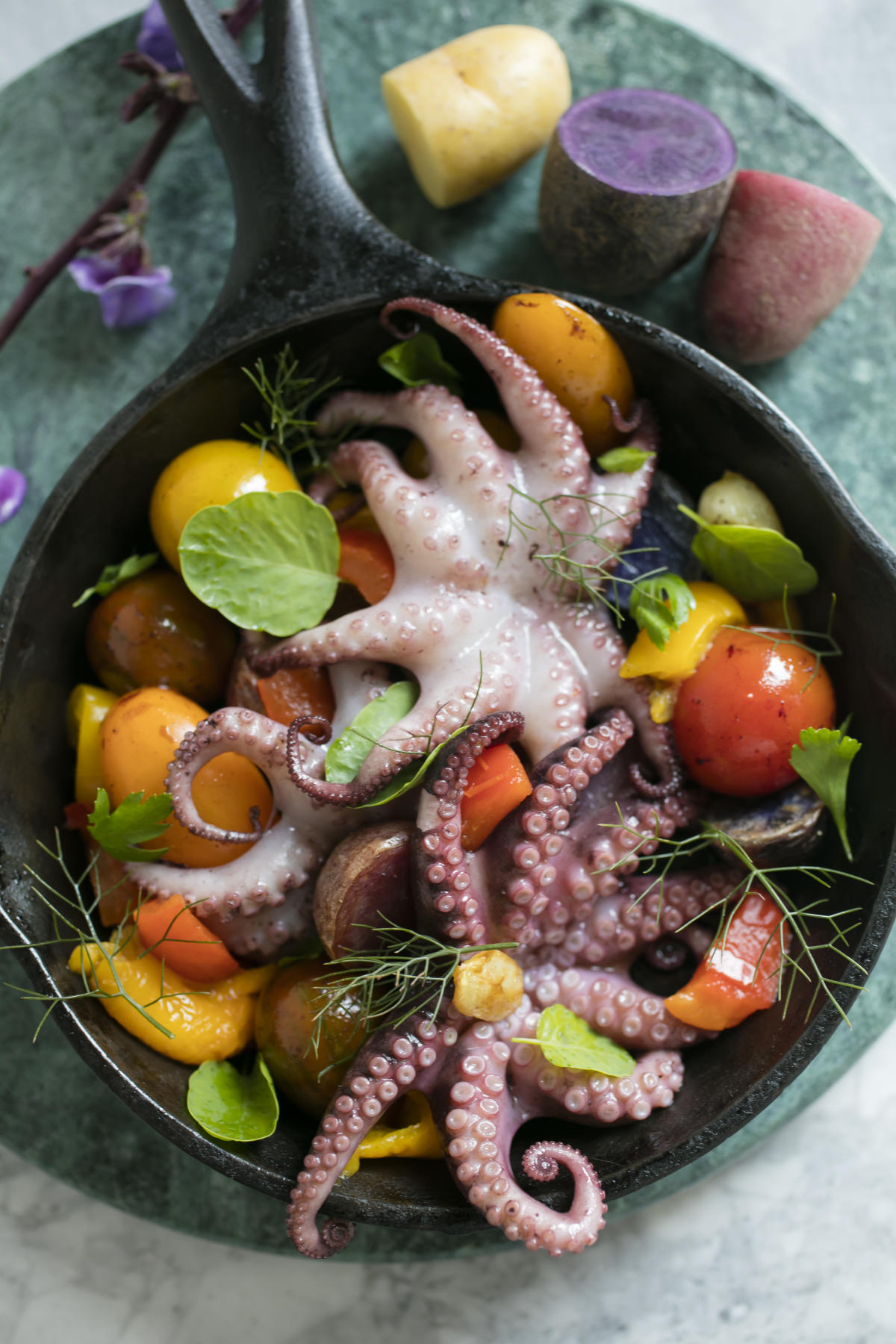
Photo Credit: New Orleans & Company
Zasu
One Michelin star · Mid-City · Chef Sue Zemanick
Chef Sue Zemanick has been a force in New Orleans kitchens for years, but Zasu feels particularly personal. Hidden inside an easy-to-miss Mid-City cottage, her intimate restaurant earned its first Michelin star in the guide’s inaugural American South edition, recognition that feels especially fitting for a place where the cooking has always done the talking.
Seafood is the star, filtered through Zemanick’s precise technique and an unmistakably New Orleans sensibility. The tightly edited menu might move from perfectly seared scallops slicked with Thai chile-lime butter to Gulf fish paired with seasonal vegetables and beurre blanc. The room itself, dark green walls, warm wood and flashes of gold, is sophisticated without trying too hard. In a city famous for culinary excess, Zasu is a reminder that restraint can be every bit as seductive.
Acamaya
Bywater · Chef Ana Castro · 2026 James Beard finalist, Best Chef: South
New Orleans and Mexico make extremely good bedfellows at Acamaya, chef Ana Castro’s buzzy Bywater ode to mariscos and the shared culinary vocabulary of Mexico City, the Gulf Coast and her adopted hometown. Castro opened the restaurant with her sister Lydia, and accolades arrived almost immediately: Acamaya landed on the New York Times Restaurant List, was named among the country’s best new restaurants by both Esquire and Bon Appétit, and received a Michelin Bib Gourmand. Castro herself was a 2026 James Beard finalist for Best Chef: South.
The premise is summed up rather perfectly by the restaurant itself as mariscos pa’ la banda, seafood for the crew. The cooking is bright, playful and deeply rooted in Castro’s Mexican heritage, while Gulf seafood gives it a distinctly Louisiana sense of place. Come hungry and bring people who like to share; this is food designed to take over the table.
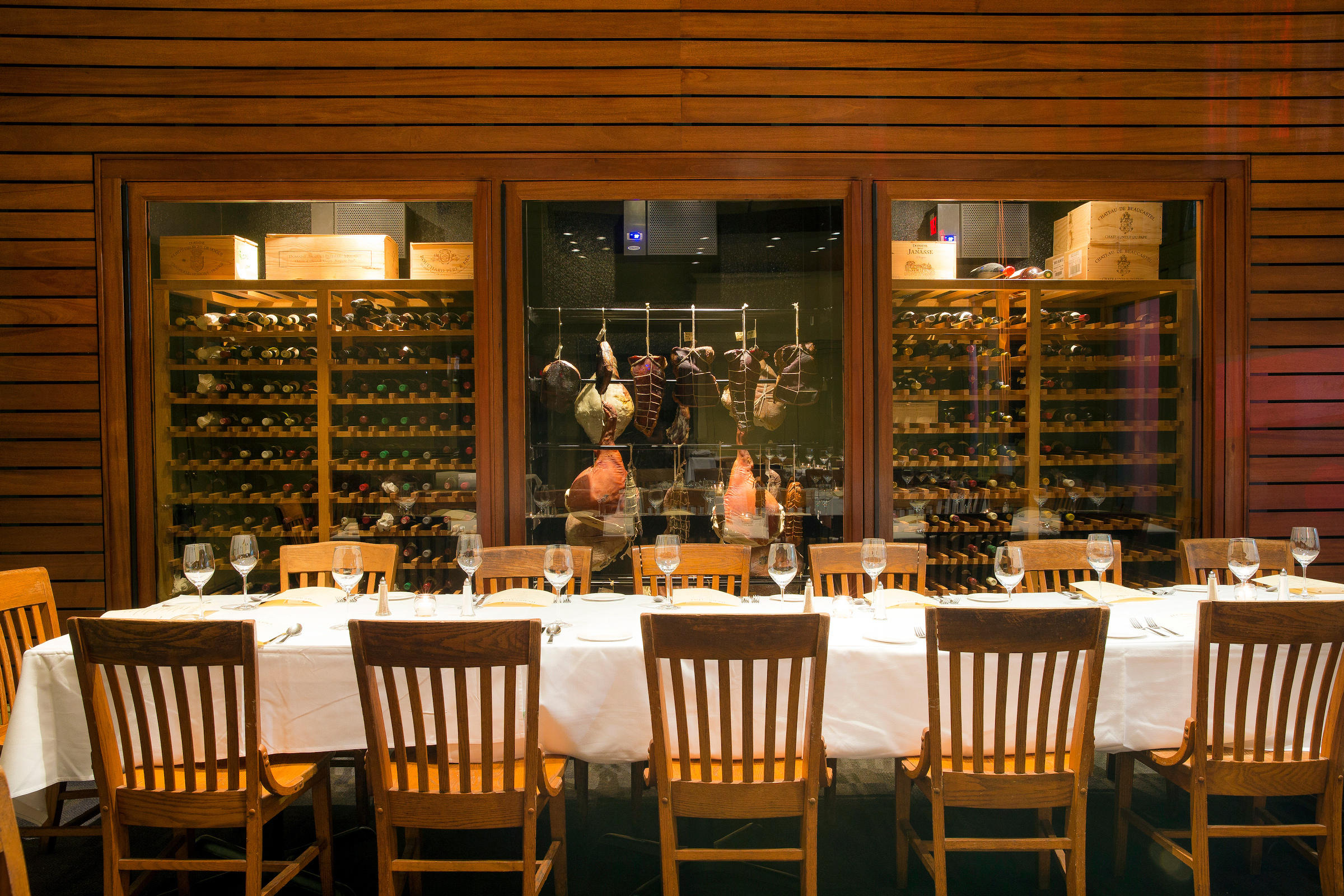
Photo Credit: Chris Granger
Herbsaint
St. Charles Avenue · Opened 2000 · Chef Donald Link, 2007 James Beard Best Chef: South
Some restaurants earn their place on a list because they’re new. Herbsaint earns it because, more than two decades in, it’s still one of the places I want to eat when I’m in New Orleans.
Chef Donald Link opened the St. Charles Avenue restaurant in 2000, long before his Link Restaurant Group grew to include names like Cochon and Pêche, and Herbsaint remains a particularly good expression of what he does best: Louisiana cooking informed by French and Italian technique, without ever becoming overly precious about any of it. Link’s influence on American cooking has been recognized repeatedly by the James Beard Foundation, including a Best Chef: South win in 2007, and in 2026 he and Stephen Stryjewski were nominees for Outstanding Restaurateur.
This is the kind of menu where deciding what not to order becomes the problem. The current lineup includes cornmeal-fried oysters with hot sauce, housemade spaghetti with guanciale and a fried-poached farm egg, Muscovy duck leg confit with dirty rice and citrus gastrique, rabbit leg schnitzel with crawfish Américaine and Louisiana jumbo shrimp with tomato-braised butter beans, artichokes and persillade.
And that spaghetti? Don’t overthink it. Order it.
What I love about Herbsaint is that it doesn’t need to perform luxury. There is no marathon tasting menu and no attempt to turn dinner into theater. Instead, you get polished service, serious cooking, a terrific wine list and food that could only really make sense in New Orleans. It’s sophisticated, convivial and confident enough not to chase whatever the restaurant trend of the moment happens to be.
In a city currently enjoying a very deserved Michelin-era glow-up, Herbsaint is a reminder that New Orleans was doing destination dining long before Michelin arrived.
Dakar NOLA
Uptown · Chef Serigne Mbaye · 2024 James Beard Best New Restaurant
Dakar NOLA isn’t simply one of New Orleans’ most exciting restaurants; it is one of the most meaningful. Senegalese-born chef Serigne Mbaye uses food to explore the profound connection between West Africa and Louisiana, turning dinner into a story about migration, memory and the culinary traditions that helped shape New Orleans itself.
Set inside an intimate Uptown cottage on Magazine Street, the restaurant serves a multi-course tasting menu drawing on Senegalese flavors, local farms and Gulf seafood. The accolades are formidable: Dakar NOLA won the 2024 James Beard Award for Best New Restaurant, and in 2026 Mbaye returned to the Beard stage to win Best Chef: South. Yet reducing Dakar to its awards misses the point. This is the rare restaurant that manages to be intellectually compelling, emotionally resonant and genuinely delicious all at once.
Where to Drink
Jewel of the South
French Quarter · 2024 James Beard Award, Outstanding Bar
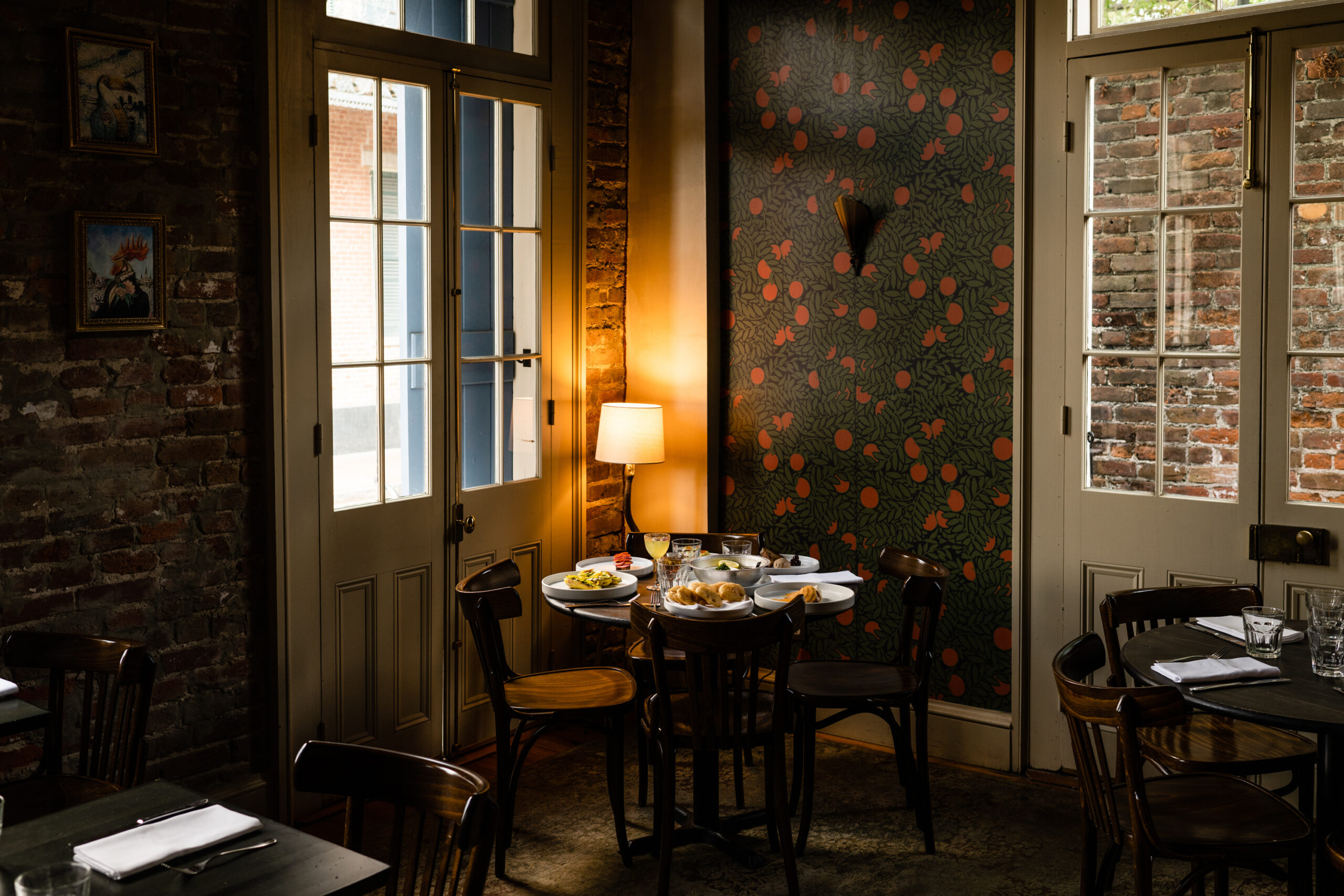
New Orleans doesn’t exactly suffer from a shortage of historic cocktail bars, which makes Jewel of the South’s ascent all the more impressive. Opened in 2019 inside a beautifully restored 19th-century Creole cottage in the French Quarter, Chris Hannah’s cocktail haven has rapidly become one of the most decorated bars in America, winning the 2024 James Beard Award for Outstanding Bar and subsequently earning recognition from both North America’s and the World’s 50 Best Bars.
Hannah knows New Orleans cocktail history better than most, and the drinks here manage to honor that history without feeling trapped by it. The Brandy Crusta is practically mandatory, Jewel takes its name from the long-gone 19th-century bar associated with the drink’s creation, but the French 75 and Jewel Sazerac make equally persuasive arguments. There is also proper food, caviar and a lovely courtyard, so don’t think of Jewel as merely somewhere to squeeze in a pre-dinner drink. Give it an evening.
Cure
Freret Street · 2018 James Beard Award, Outstanding Bar Program
If modern New Orleans cocktail culture has a ground zero, it’s probably Cure. When Neal Bodenheimer and company opened the bar on Freret Street in 2009, serious craft cocktails weren’t yet ubiquitous in the city. Cure helped change that, and in the process, helped transform its once-sleepy stretch of Freret into one of New Orleans’ liveliest neighborhoods.
The accolades followed, including the James Beard Award for Outstanding Bar Program in 2018, and Cure remains relevant nearly two decades later, no small feat in the fickle world of cocktails. The drinks move between impeccably executed classics and clever seasonal creations, backed by an impressive spirits collection. Come for a Sazerac if you want tradition; stay because Cure proves New Orleans cocktail culture isn’t remotely stuck in the past.
Inside The Roosevelt New Orleans · Paul Ninas murals
Some bars serve history; the Sazerac Bar practically swims in it. Located inside the grand Roosevelt New Orleans, this gloriously old-school drinking den is all polished wood, Paul Ninas murals and the particular kind of timeless glamour New Orleans does better than almost anywhere else.
Naturally, you order the Sazerac. This is not the moment to get cute. The city’s defining cocktail, rye whiskey, sugar, Peychaud’s bitters and an absinthe or Herbsaint rinse, is the raison d’être. The appeal is as much ritual as refreshment: slide onto a barstool, order the namesake and imagine the conversations that have taken place in this room over the decades. In a city constantly reinventing itself, there is something wonderfully luxurious about a place that doesn’t need to.
Carousel Bar & Lounge
Hotel Monteleone · Rotating since 1949
Yes, it actually spins. And yes, you absolutely need to do it once.
The Carousel Bar inside the Hotel Monteleone has been rotating since 1949, completing one leisurely revolution approximately every 15 minutes beneath an ornate carousel canopy. It could easily have become a tourist gimmick. Instead, it remains one of the French Quarter’s great hotel-bar experiences, aided by a history that includes everyone from Tennessee Williams to Truman Capote.
The appropriate move is to snag one of the coveted seats at the actual rotating bar and order a Vieux Carré. The cocktail was created at the Hotel Monteleone and is as New Orleans as the setting: boozy, sophisticated and just a little bit theatrical. There’s live music seven nights a week, which means your supposedly quick pre-dinner drink has an excellent chance of becoming two. Consider yourself warned.
French 75 Bar at Arnaud’s
French Quarter · Inside a century-old restaurant
There are bars that happen to be in New Orleans, and then there are bars that could exist nowhere else. The French 75 belongs firmly in the latter category.
Tucked inside the century-old Arnaud’s in the French Quarter, this jewel box of a bar has the kind of patina money can’t manufacture. Its late-19th-century bar and back bar are vintage, and the space began life as a gentlemen-only drinking area before eventually becoming the French 75 Bar. The cocktails remain classically minded, but this isn’t a museum piece.
Obviously, have the namesake. Here, the French 75 is made the proper New Orleans way, with Cognac rather than gin, plus lemon, sugar and Champagne. Then order the soufflé potatoes and settle in. Few combinations capture the city’s particular brand of civilized decadence quite so perfectly.
Chandelier Bar
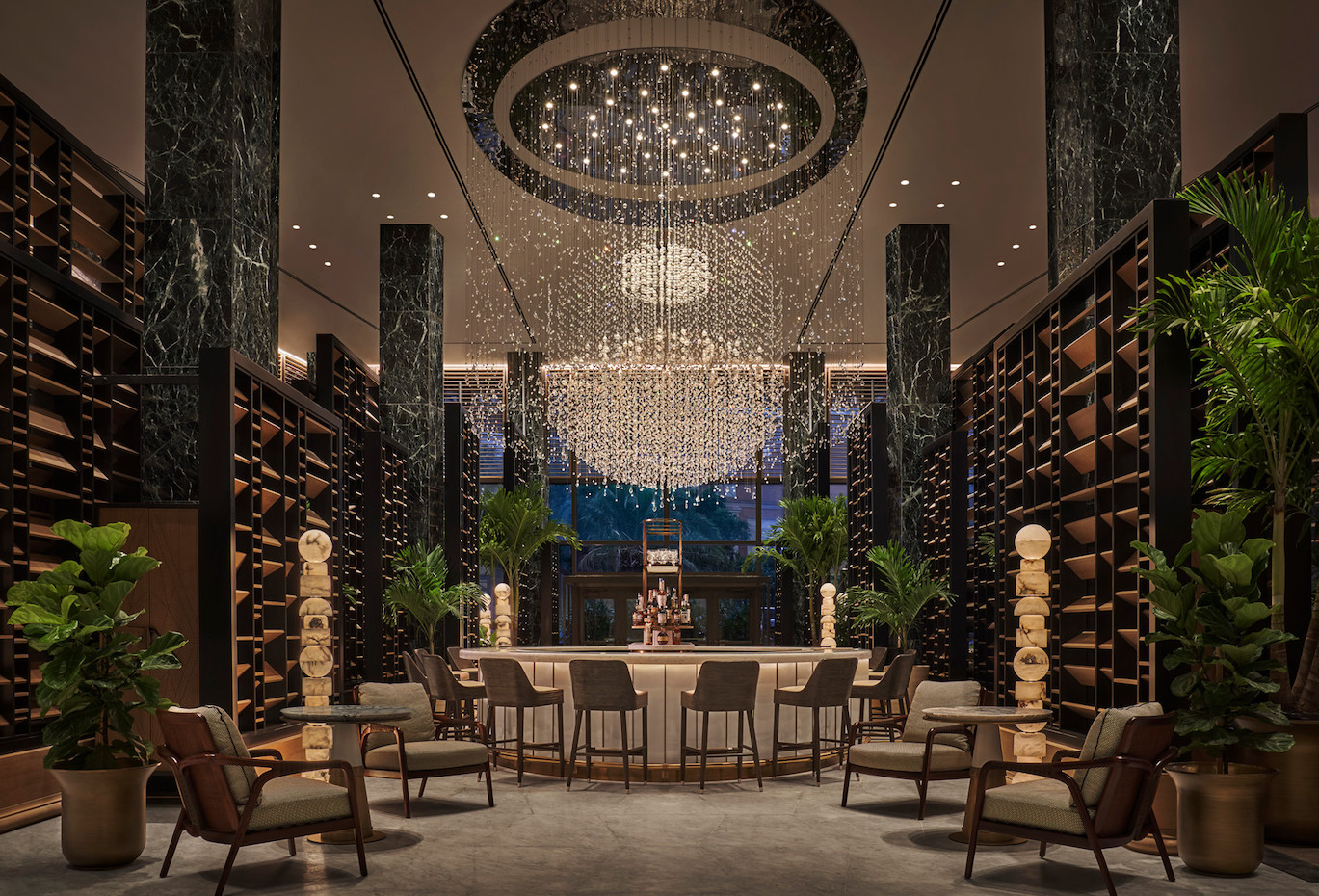
Four Seasons Hotel New Orleans · Roughly 15,000-crystal chandelier
If the Sazerac Bar represents the old guard of New Orleans hotel-bar glamour, Chandelier Bar at Four Seasons Hotel New Orleans makes a very persuasive case for the new.
The centerpiece rather gives the game away: a spectacular chandelier comprising approximately 15,000 crystals cascading above the room. The result is glamorous without being stuffy, contemporary without feeling like it could have been dropped into any Four Seasons anywhere in the world.
That’s important, because the cocktail program takes its location seriously. New Orleans classics provide the starting point, but Chandelier isn’t interested in simply reproducing them. The drinks look forward as much as they look back, which makes this a particularly good counterpoint to the historic bars elsewhere on this list.
The signature Chandelier Martini is exactly the sort of thing I want to drink here: a blend of dry and aromatic gins with extra-dry vermouth and citrus bitters. It’s elegant, appropriately boozy and completely suited to its surroundings.
Come dressed for it. Sit beneath the crystals. Order the martini.
And then remember you’re in New Orleans, where exercising restraint was never really the point.
For more Haute Living travel coverage, check out the Best Safaris in Africa.
through Haute Black.
Haute Living access. Two decades inside the world’s best hotels.
Virtuoso partner. Upgrades & VIP arrival at 1,200+ properties.
One advisor. Who knows you by name.
Frequently Asked Questions
Does New Orleans have any Michelin-starred restaurants?
Yes. Emeril's holds two Michelin stars, while Saint-Germain and Zasu each hold one, all part of the inaugural 2025 Michelin Guide American South.
What is the best time to visit New Orleans for cocktail culture?
Tales of the Cocktail, held every July, brings the global bar industry to the city and opens access to private events, guest shifts, and tastings not available the rest of the year.
What is the most historic cocktail bar in New Orleans?
The Sazerac Bar inside The Roosevelt New Orleans and the Carousel Bar & Lounge inside Hotel Monteleone, rotating since 1949, are both strong contenders.
What should I order at Jewel of the South?
The Brandy Crusta, given the bar's namesake connection to the drink's 19th-century origins, along with the French 75 and Jewel Sazerac.
Is the Carousel Bar actually a rotating bar?
Yes. The bar itself rotates, completing a full revolution roughly every 15 minutes, and has done so since 1949.
Latest from Haute Living

HAUTE LIVING – Rashawn Smith on the Art of Time, Style and Modern Watch Collecting

From Tiffany to Cartier: The Best Diamond Tennis Necklaces Worth the Investment
Catch Hospitality Group Is Opening a French Brasserie in the West Village This Fall