The Italian Restaurants Defining New York City Dining
From Torrisi's Michelin-starred ambition to Rao's century-old exclusivity, the best Italian restaurants in New York City right now.

New York doesn’t just have great Italian restaurants—it has some of the best Italian restaurants outside of Italy. From legendary institutions that have defined the city’s dining scene for decades to Michelin-starred tasting menus and impossibly chic newcomers, there’s no shortage of places competing for your next reservation. The challenge isn’t finding a good meal; it’s deciding where to go first. Whether you’re craving perfectly executed handmade pasta, an unforgettable veal Milanese, or the kind of dining room that feels as glamorous as the food on the plate, these are the Italian restaurants that consistently get it right—and are well worth the reservation.
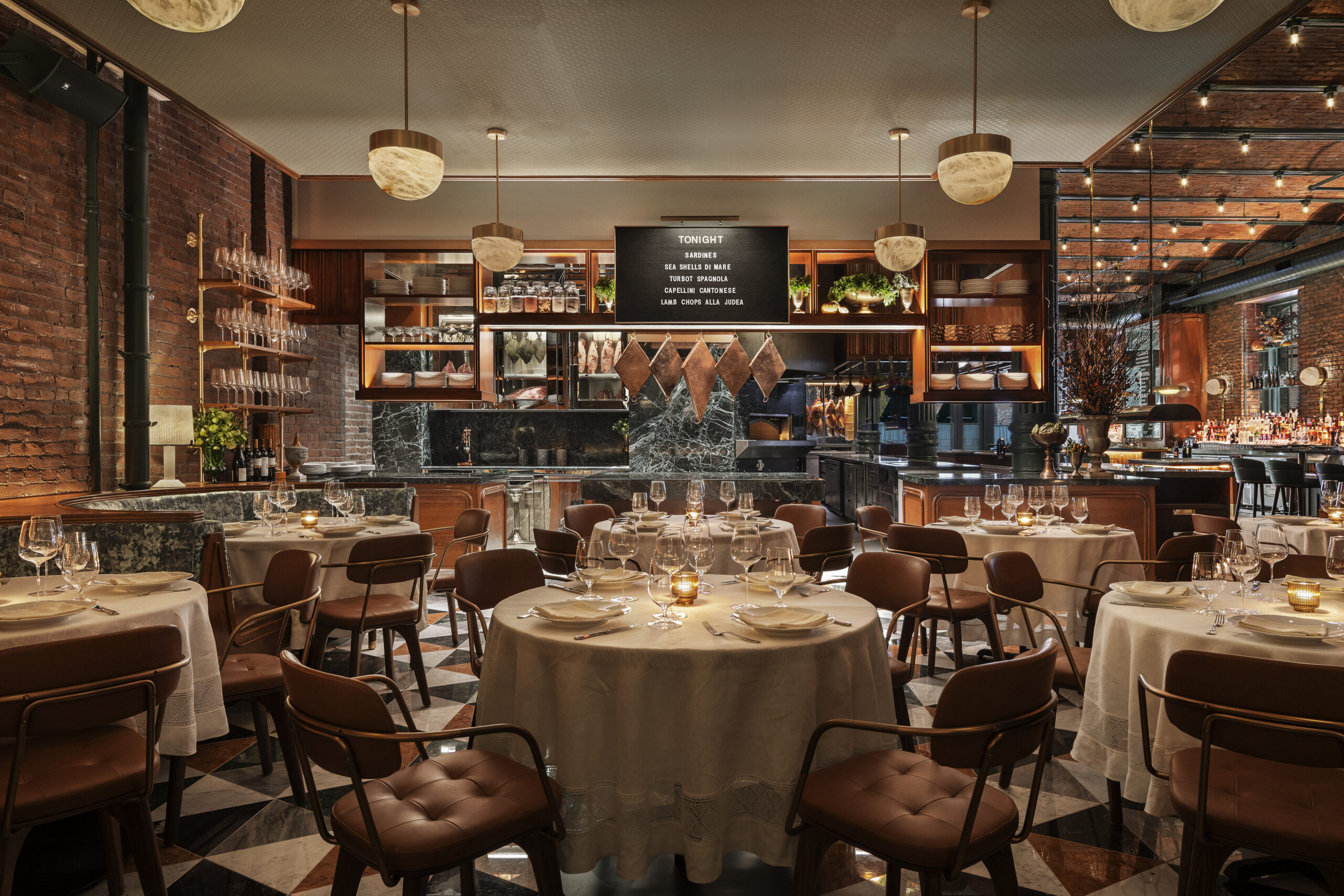
Photo Credit: Scott Frances
Torrisi: The New York Original
Torrisi may share Major Food Group DNA with Carbone, but it is an entirely different proposition: more ambitious, more deeply rooted in the city and arguably even harder to secure. Set inside the former Puck Building on Mulberry Street, the Michelin-starred restaurant takes Italian-American cuisine and runs it through the cultural history of downtown Manhattan, allowing Chinatown, Little Italy and the Lower East Side to coexist on the same menu. Rich Torrisi’s cooking is playful without becoming precious, familiar without feeling remotely predictable. There might be tortellini pomodoro, linguine with Jamaican beef ragù, cucuzza finished with Chinese sausage or a chicken dish whose simplicity disguises an almost absurd amount of technique. Even the bread service makes an entrance. The soaring dining room feels appropriately grand, but the bar is where Torrisi’s particular brand of New York glamour becomes most seductive: tightly packed, beautifully dressed and humming with the energy of people who know they are at the right restaurant. Torrisi is a celebrity hot spot, certainly, but it earns its attention honestly. This is not merely one of New York’s most fashionable Italian restaurants; it is one of the city’s most original restaurants, period.
Don Angie: The Modern Classic
Don Angie proved that Italian-American nostalgia could be reinvented without losing any of its soul. Husband-and-wife chefs Angie Rito and Scott Tacinelli take dishes that feel deeply familiar—lasagna, garlic bread, meatballs, salad—and rebuild them with wit, ingenuity and serious technical skill. The now-famous chrysanthemum-shaped lasagna for two is the restaurant’s most photographed dish, but it deserves the attention: delicate pinwheels of pasta layered with sausage, cheese and tomato sauce, crisped at the edges and presented like something far more elegant than Sunday supper has any right to be. The stuffed garlic flatbread, filled with cheese and showered with herbs, is equally essential, as is the sharply dressed chrysanthemum salad that provides a welcome counterpoint to all that glorious richness. The room itself is intimate, energetic and perpetually packed, occupying that rare sweet spot between neighborhood restaurant and international dining obsession. Reservations are notoriously scarce, although hopeful diners continue to circle the Greenwich Avenue entrance as though persistence alone might produce a table. Don Angie is fashionable, yes, but it never feels hollow. Its success comes from making people recognize something they love and then showing it to them in a form they have never seen before.
Rezdôra: The Pasta Pilgrimage
For anyone who believes pasta can be a serious art form, Rezdôra is essential. Chef Stefano Secchi spent years working in Modena—including time at Massimo Bottura’s three-Michelin-starred Osteria Francescana—and brought that regional knowledge to a warm, compact Flatiron dining room devoted to the cooking of Emilia-Romagna. Rezdôra translates roughly to “head of the household,” particularly the woman responsible for making pasta, and that reverence for tradition is evident in every carefully folded tortellino and ribbon of tagliatelle. The restaurant’s signature “Grandma Walking Through Forest in Emilia” is as evocative as its name, pairing cappelletti with mushrooms, while tiny anolini arrive suspended in deeply flavored broth. The portions can appear restrained, particularly to diners expecting an overflowing bowl of red sauce, but the precision is the point. This is pasta designed to be considered, not merely consumed. Rezdôra’s Michelin star confirms its technical credentials, yet the experience remains far warmer and more convivial than the phrase “pasta tasting menu” might imply. It is a restaurant for people who understand that a seemingly simple plate of noodles can contain years of apprenticeship, regional history and an almost obsessive respect for craft.
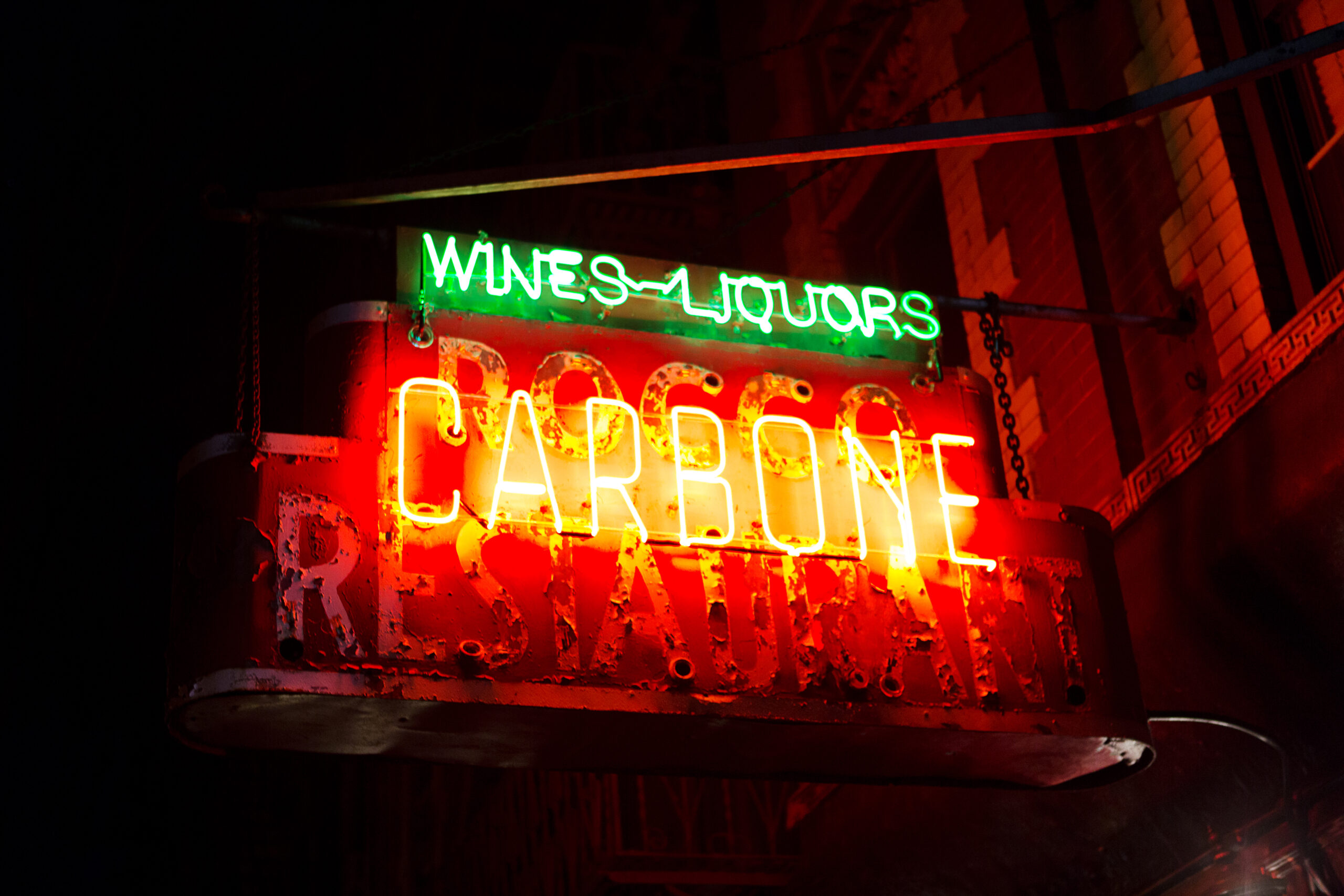
Photo Credit: Major Food Group
Carbone: The Celebrity Powerhouse
Carbone is not merely an Italian restaurant; it is one of New York’s most enduring status symbols. More than a decade after opening, the Greenwich Village dining room remains as theatrical, expensive and nearly impossible to book as ever—a place where oversized menus, tuxedoed captains and ruby-red banquettes conjure a highly polished fantasy of midcentury Italian-American glamour. The brilliance is that beneath all the celebrity sightings and reservation hysteria, the food still delivers. The tableside Caesar alla ZZ arrives with the requisite flourish, the spicy rigatoni vodka has become one of the most imitated pasta dishes in America, and the enormous veal Parmesan is unapologetically decadent. Carbone does not whisper; it pours another martini, turns up the music and sends out enough food to cover every inch of the table. This is red-sauce cooking as luxury theater, executed with far more precision than its swagger might suggest. Whether the person in the next booth is an actor, athlete, billionaire or simply someone who conquered Resy at exactly the right second almost feels beside the point. At Carbone, every diner is made to feel as though they have somehow slipped past the velvet rope.
Marea: The Power-Lunch Institution
Few restaurants possess a location quite as commanding as Marea’s perch on Central Park South, and the dining room still carries the polished confidence of a modern New York institution. The restaurant made its name by treating coastal Italian seafood with the seriousness traditionally reserved for French fine dining, pairing pristine crudo and shellfish with some of the city’s most recognizable pastas. The fusilli with red-wine-braised octopus and bone marrow remains the dish most closely associated with Marea: intensely savory, unexpectedly luxurious and almost impossible not to order, even for repeat visitors determined to explore something new. Elsewhere, lobster, scallops, oysters and whole fish reinforce the restaurant’s devotion to the sea. Marea has evolved over the years, but its particular appeal remains intact. It is glamorous without chasing trends, formal without becoming stiff and equally suited to an extravagant lunch, an important business dinner or a date that warrants heels and a very good bottle of wine. In a city where restaurants can feel obsolete almost as soon as they become fashionable, Marea has achieved something far more difficult: longevity. It remains one of New York’s definitive expressions of luxury Italian dining, with the view, service and seafood to justify the reputation.
Ai Fiori: The Midtown Grande Dame
Ai Fiori offers the kind of polished, unabashedly grown-up dining experience that has become increasingly rare in Manhattan. Located inside The Langham on Fifth Avenue, the restaurant draws inspiration from the Italian and French Rivieras, translating the elegance of the Mediterranean coast into a serene Midtown dining room filled with crisp linens, soft lighting and service that understands the importance of discretion. This is not the restaurant for shouting over a DJ or craning one’s neck toward a famous face across the room. Ai Fiori’s luxury is quieter and more traditional, expressed through delicate seafood, handmade pasta, beautifully composed sauces and an exceptional wine program. The cooking moves easily between Liguria, Provence and the broader Mediterranean, with dishes that might feature lobster, langoustine, seasonal truffles or impeccably prepared fish. Pasta is treated with particular care, often emerging as the most memorable portion of the meal. Ai Fiori is especially well suited to celebrations, client dinners and romantic evenings that call for elegance rather than spectacle. It may not generate the feverish social-media chatter surrounding downtown’s newest openings, but that is partly its appeal. In a city addicted to noise and novelty, Ai Fiori remains composed, luxurious and thoroughly confident in what it does best.
L’Artusi: The West Village Essential
L’Artusi has been packed for years, yet somehow it still feels like the restaurant everyone wishes were their neighborhood Italian spot. Spread across two lively levels in the West Village, it combines an open kitchen, a serious wine program and sleek downtown energy with cooking that is polished but never overwrought. The menu is designed for sharing, which is useful because choosing only one pasta would be an unnecessary act of self-denial. The garganelli with mushroom ragù is the enduring favorite, delivering layers of deep, earthy flavor without becoming heavy, while seasonal pastas, roasted fish and vegetable dishes ensure the restaurant is far more than a collection of greatest hits. Then there is the olive oil cake, an iconic dessert in its own right: tender, fragrant and sufficiently beloved to inspire countless imitations. L’Artusi attracts a stylish crowd, but its appeal extends beyond the scene. The hospitality is warm, the room is reliably animated and the food possesses the consistency required to turn first-time visitors into regulars. It works for dates, birthdays, long lunches and spontaneous dinners at the bar—provided one can find a seat. L’Artusi is not driven by novelty, celebrity ownership or elaborate theatrics. It simply understands exactly what New Yorkers want from an Italian restaurant and delivers it exceptionally well.
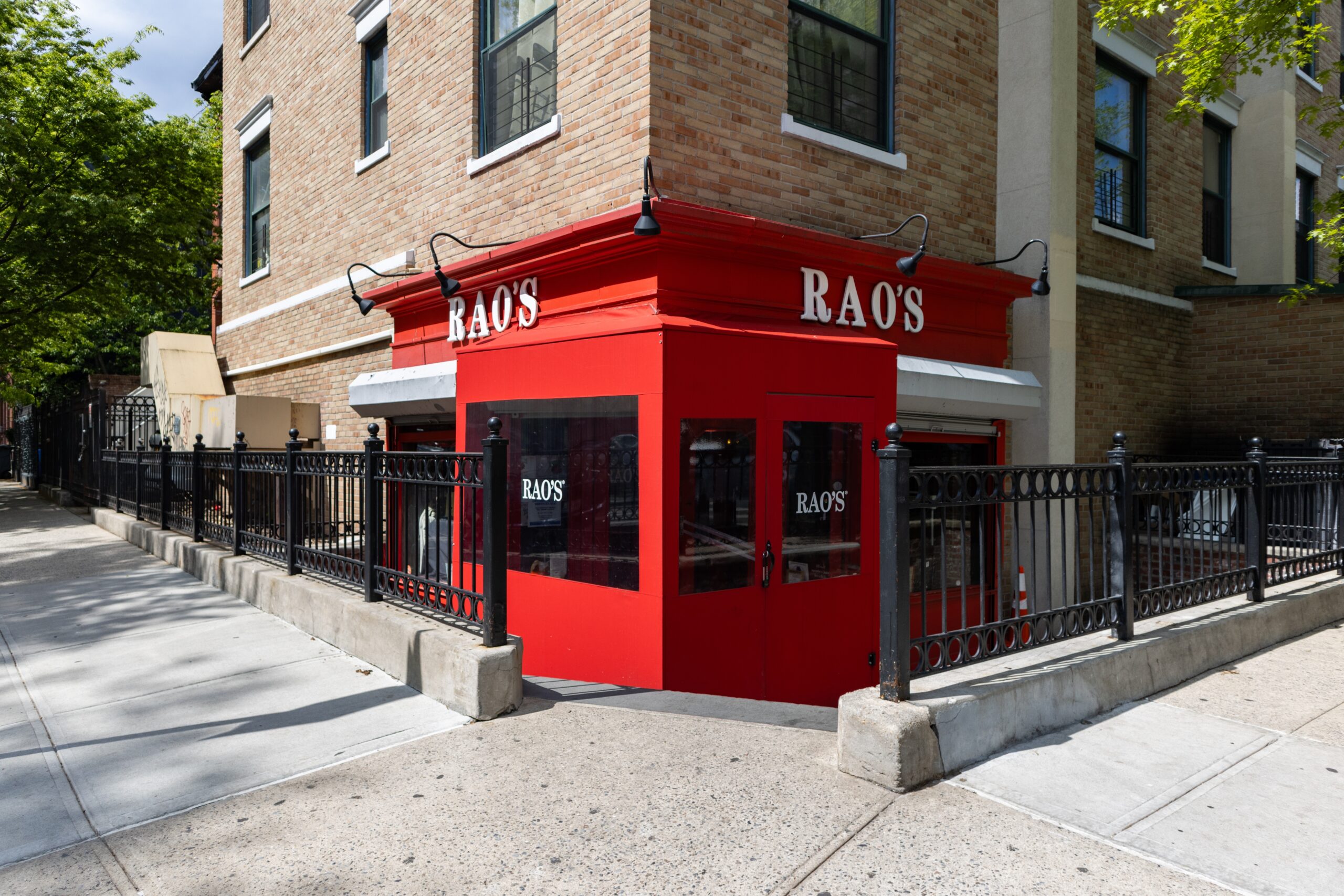
Photo Credit: James Andrews1/Shutterstock.com
Rao’s: The Untouchable Legend
Rao’s exists in a category entirely its own. The East Harlem institution has occupied the corner of 114th Street and Pleasant Avenue since 1896, yet most New Yorkers will never eat there. Its handful of tables are effectively controlled by longtime regulars, with coveted nights passed among families, friends and power players rather than released through a conventional reservation system. Getting in is not a matter of persistence or even money; it is a matter of knowing someone who already belongs. Once inside, however, the experience is deliberately unpolished. Christmas decorations remain in place, music plays from the jukebox and Southern Italian dishes arrive family-style without any interest in modern plating. The meatballs are enormous, the lemon chicken is legendary and the red sauce carries the weight of more than a century of family history. Rao’s has welcomed actors, politicians, athletes and figures from nearly every corner of New York mythology, but its exclusivity has never been engineered by a publicity department. It grew organically from a tiny neighborhood restaurant that simply ran out of room. Carbone may offer a glamorous interpretation of old-school Italian New York, but Rao’s is the real thing: intimate, eccentric, fiercely protected and entirely immune to the city’s endless cycle of openings and closures.
Ci Siamo: The Live-Fire Showstopper
Ci Siamo brings warmth, generosity and genuine glamour to a part of Manhattan better known for glass towers than destination dining. Chef Hillary Sterling anchors the menu around live-fire cooking, allowing smoke, flame and deeply caramelized flavors to run through everything from vegetables and seafood to pasta and meat. The caramelized onion torta is the undisputed opening move, a crisp, deeply savory creation that resembles French onion soup reimagined as an elegant tart. Rigatoni alla gricia, burnished with guanciale and pecorino, follows beautifully, while whole fish, roasted meats and seasonal dishes emerge from the open kitchen with just enough char. The restaurant itself is striking: expansive yet warm, with an open hearth, handsome bar and floor-to-ceiling windows that soften Manhattan West’s corporate surroundings. As part of Danny Meyer’s Union Square Hospitality Group, Ci Siamo also possesses something increasingly valuable in New York dining—hospitality that feels natural rather than rehearsed. It may not have Carbone’s celebrity mythology or Torrisi’s reservation mania, but it does not need either. Ci Siamo is the restaurant one recommends to people who care as much about enjoying dinner as documenting it: sophisticated, energetic and generous, with food that makes a compelling case for crossing town.
Via Carota: The Effortlessly Chic Trattoria
Via Carota is the rare celebrity haunt that does not appear to be trying to attract celebrities at all. Created by chefs and partners Jody Williams and Rita Sodi, the West Village trattoria feels transported from another place and time, with weathered wood, mismatched chairs, shelves of old bottles and tables that spill toward Grove Street. Its charm is studied but never artificial, creating the illusion that this impossibly fashionable room has simply existed forever. The cooking follows the same philosophy. Vegetables are treated with extraordinary care, particularly the towering insalata verde, a deceptively simple arrangement of lettuces and herbs that has become one of New York’s most famous salads. Rustic pastas, grilled meats, beans, artichokes and classic Italian preparations arrive without unnecessary embellishment. Via Carota is not about foie gras, caviar or conspicuous luxury; it is about the luxury of excellent ingredients, instinctive cooking and an atmosphere everyone else has attempted to replicate. The no-reservation mythology and perpetual wait only intensify its allure, drawing actors, designers, editors and neighborhood regulars into the same crowded room. Via Carota feels intimate, cinematic and unmistakably New York, even as it channels the spirit of a tiny Tuscan trattoria. It is effortless in precisely the way that requires enormous effort.
For more of Haute Living’s New York dining coverage, see and .
through Haute Black.
Haute Living access. Two decades inside the world’s best hotels.
Virtuoso partner. Upgrades & VIP arrival at 1,200+ properties.
One advisor. Who knows you by name.
Frequently Asked Questions
Is Torrisi related to Carbone?
Yes — both share Major Food Group ownership, though Torrisi is a distinct, Michelin-starred restaurant with its own identity inside the former Puck Building on Mulberry Street.
What is Don Angie's most famous dish?
Don Angie's chrysanthemum-shaped lasagna for two is its most photographed and requested dish.
Which NYC Italian restaurant is best for pasta specifically?
Rezdôra, led by chef Stefano Secchi in Flatiron, is considered the city's premier destination for serious, Emilia-Romagna-style pasta.
Which Italian restaurant is best for a quiet business dinner?
Ai Fiori, inside The Langham on Fifth Avenue, is considered the top choice for discreet, elegant client dinners.
Which Italian restaurant is part of Danny Meyer's restaurant group?
Ci Siamo, in Manhattan West, is part of Danny Meyer's Union Square Hospitality Group.
Latest from Haute Living
ALO Returns to Hôtel Plaza Athénée for a Paris Fashion Week Wellness Takeover

After a Summer of Hamptons Hotel Openings, the North Fork Gets Its Own: Oyster Estate in Greenport

Château Ducru-Beaucaillou’s New Winery Has 80 Vats and QR Codes — But Still Racks by Candlelight