From Marrakech to Tangier: The New Morocco Every Luxury Traveler Needs to Know
If you're planning luxury travel in Morocco in 2026, the timing is genuinely good. This is our guide to where to go, do, and stay there.
By: Jordi Lippe-McGraw
Morocco has been on many lists for a long time, which means it carries high expectations. The good news: it meets them. If you’re planning luxury travel in Morocco in 2026, the timing is genuinely good. The infrastructure has caught up to the country’s appeal in a way it simply hadn’t before: authentic experience and a comfortable one. You can have both.
Where to Stay
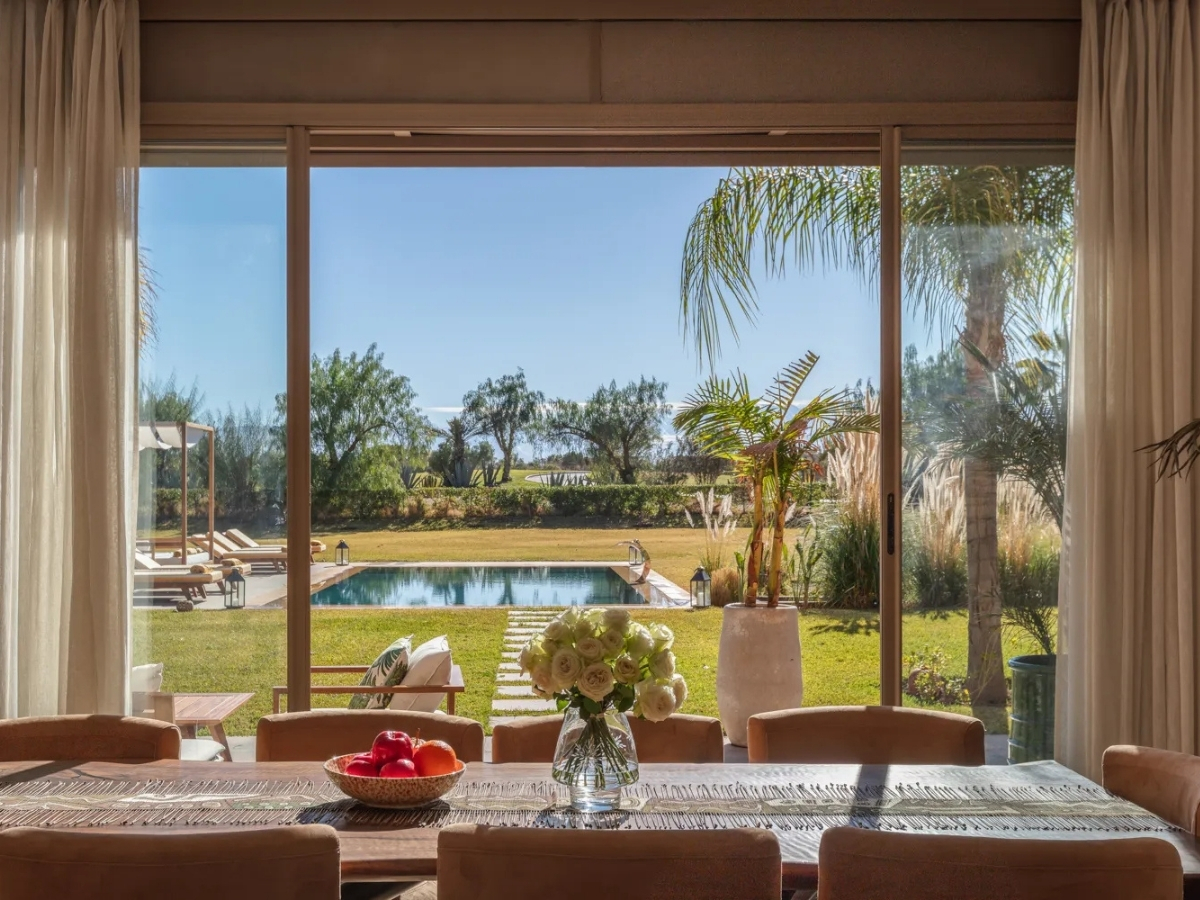
Skip the hotel entirely if you can swing it. Villa Dar Saliha, available through Oliver’s Travels, is the strongest case I’ve seen for going the private-villa route in Marrakech: a private chef, your own staff, and actual breathing room. Oliver’s Travels has won the Condé Nast Traveller villa rental award nine years in a row, and their concierge team handles the logistics that would otherwise eat up half your trip.
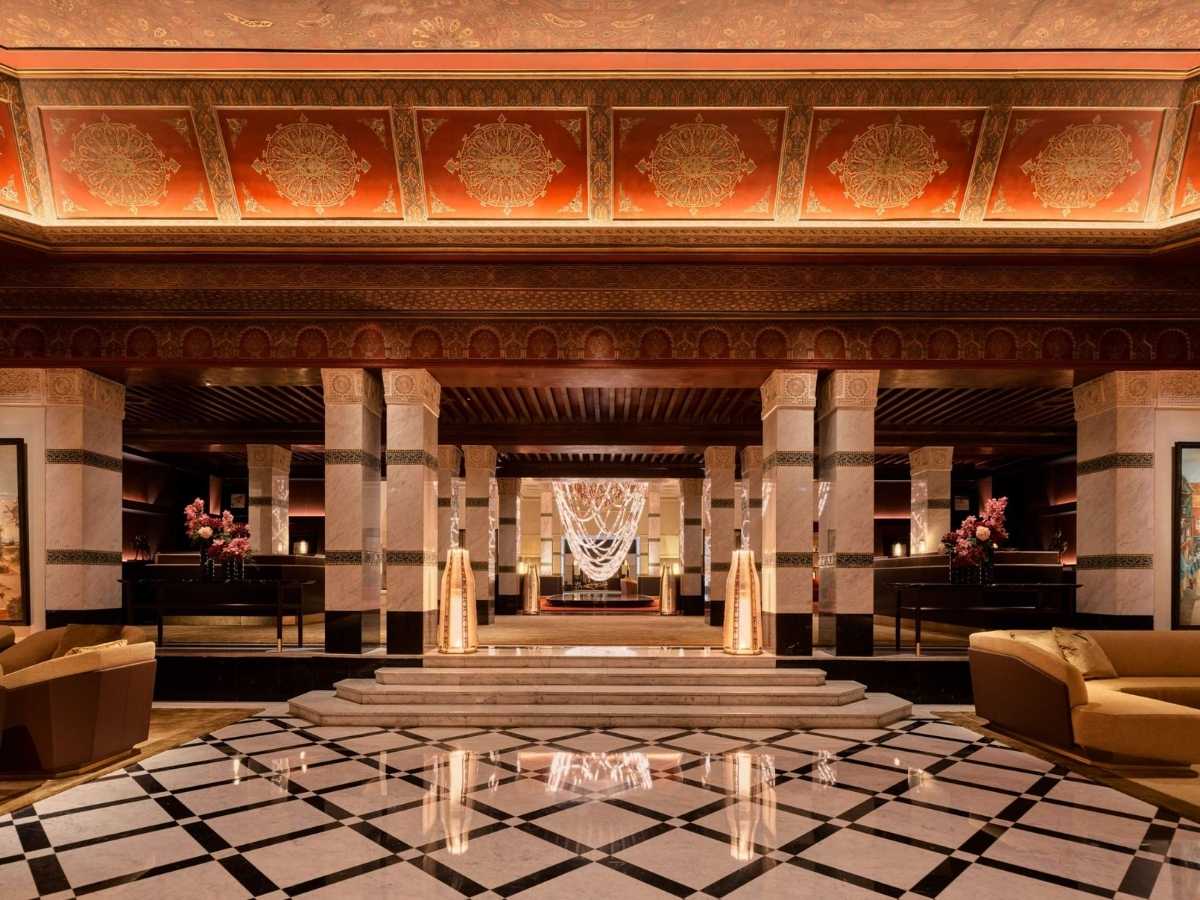
If hotels are your thing, the Marrakech luxury hotels scene in 2026 is as strong as it’s ever been. La Mamounia Marrakech is the one everyone means when they say “legendary Marrakech hotel”—nine acres of walled gardens, Moorish Art Deco interiors, a spa that isn’t just trading on the name.
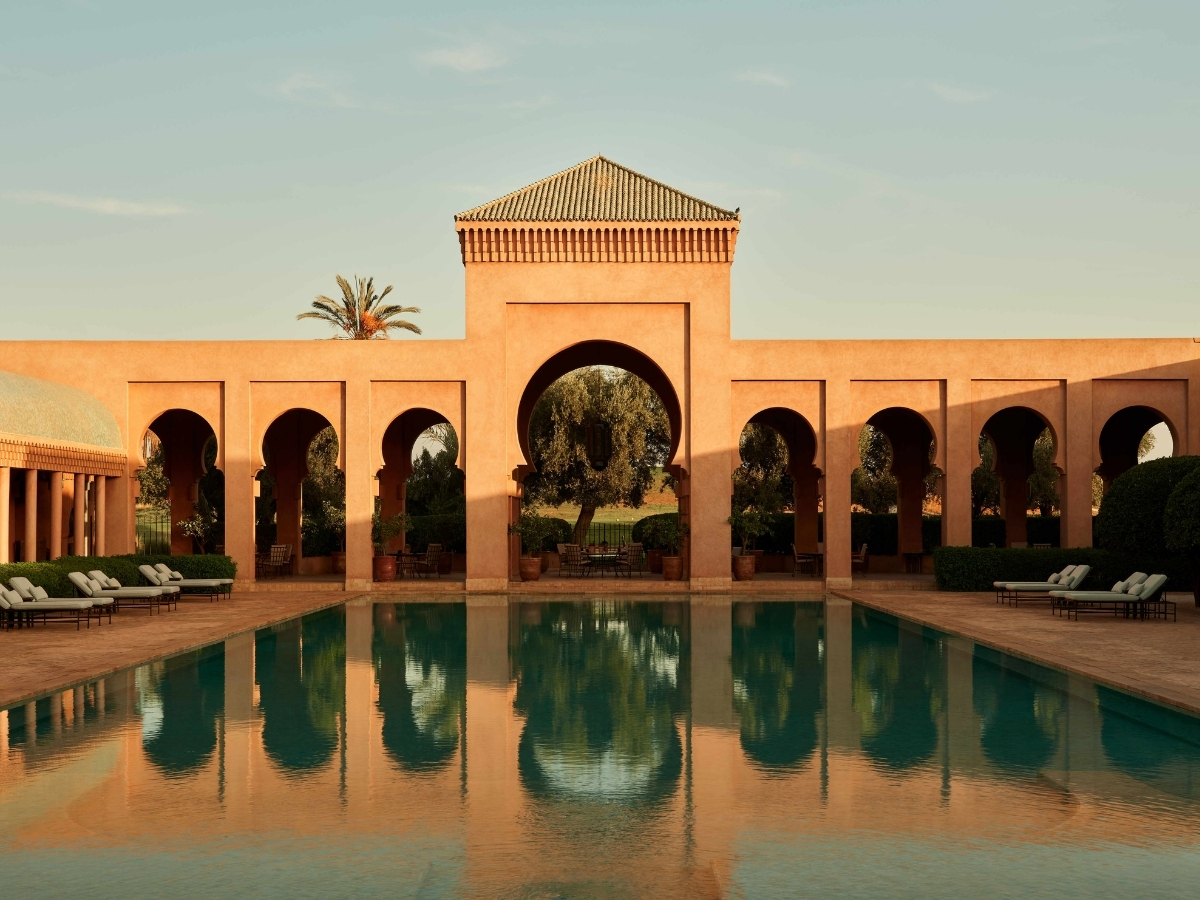
Amanjena Marrakech is the better choice if you want to feel like you’ve left the city behind, even though you haven’t. One of the finest luxury resorts Morocco has, full stop. The pink pisé pavilions and 12th-century irrigation canal create a quiet that most hotels only promise.
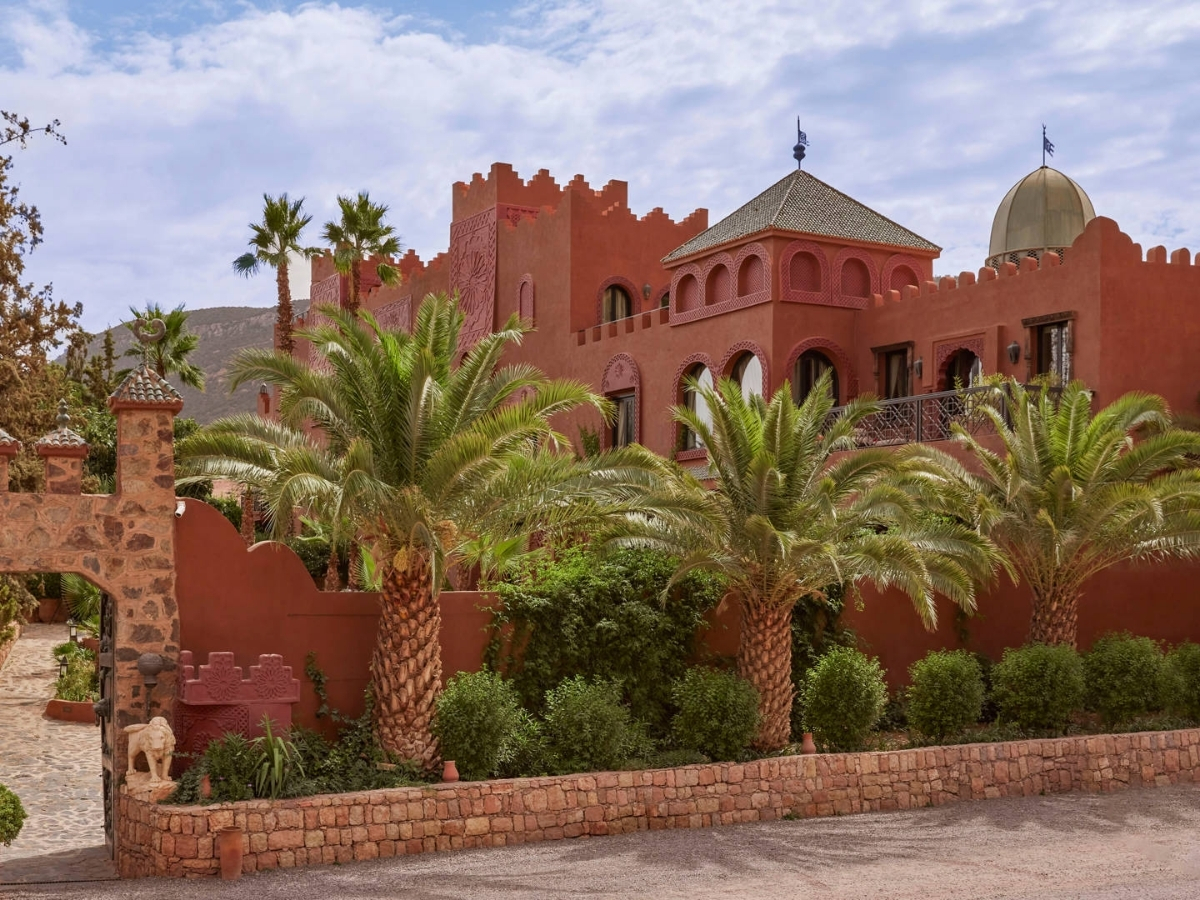
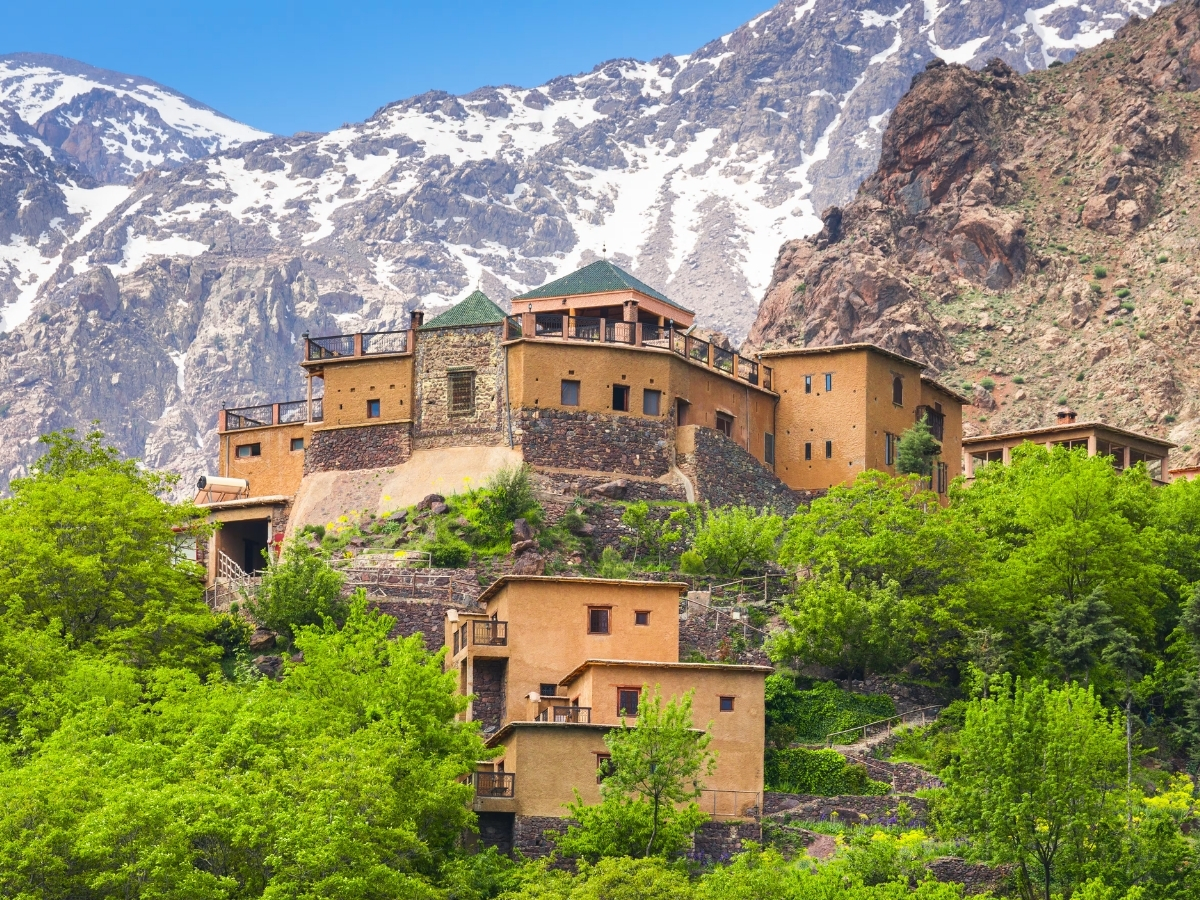
Outside Marrakech: Kasbah Tamadot in the Atlas Mountains is worth the drive for the views alone, and the hammam terrace at night is genuinely memorable. Richard Branson’s mountain retreat does a very good job of feeling remote and luxurious simultaneously—the guided Berber village walks are a highlight, and the food is better than you’d expect at altitude.
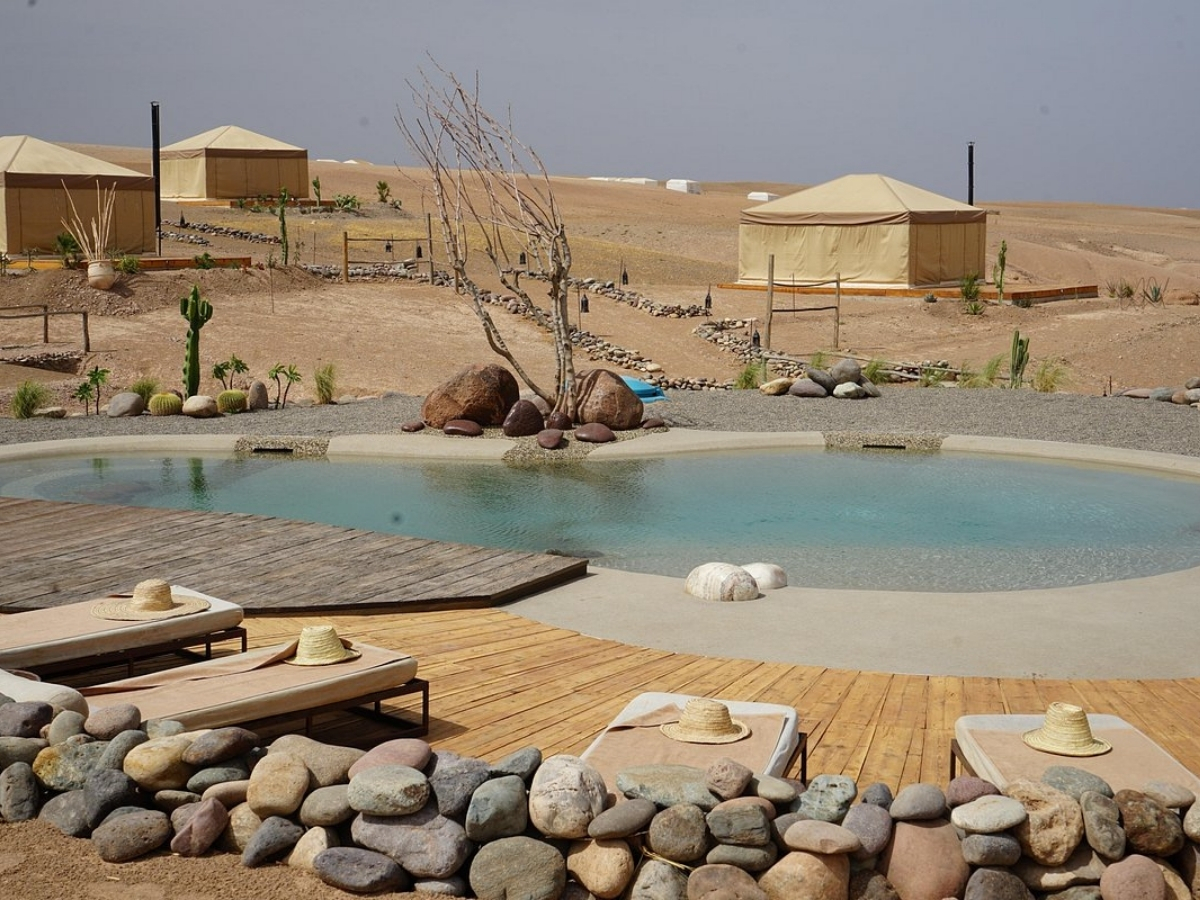
In the desert, Inara Tented Camp near the Agafay proves “glamping” doesn’t have to be a compromise. Think real beds, real linens, dinner under a sky you forgot existed, and a silence so complete it takes a day to get used to.
What to See
Marrakech is a lot, in the best sense. Start in the souks: narrow alleys past brass lanterns, hand-cut tiles, spice stalls, and a guy trying very hard to sell you a rug you’ll probably end up buying. You will get lost. Everyone does. It doesn’t matter, because everything eventually deposits you at Djemaa el-Fna. The central square completely reinvents itself after dark—Gnawa musicians, food stalls, storytellers still drawing crowds.
Past the medina, the Jardin Majorelle is as beautiful as advertised (Yves Saint Laurent gifted it to the city; the museum inside is worth the time), and the Bahia Palace will make you want to gut-renovate your home immediately.
Chefchaouen is a day trip or overnight from Fes, and yes, it really is that blue. Go at dawn before anyone else is up. The light on those walls doesn’t fully translate in photos, which is saying something given how photogenic the place is.
Fes is where you slow down. The UNESCO medina is genuinely disorienting to navigate without a guide, so don’t try to wing it. The Chouara tannery, viewed from a rooftop above the centuries-old dyeing vats, is the kind of sight that sticks. Scott Dunn’s Morocco team is excellent for this part of the trip; they have access and local knowledge that would take years to build on your own.
The Atlas Mountains are close to Marrakech and feel like a different planet: Berber villages, serious trekking, cooking classes that will finally teach you what a tagine is actually supposed to taste like. Further south, the Sahara around Merzouga does exactly what it promises. Go at sunset and take the camel.
Tangier is the most underrated stop on any Morocco travel itinerary. The medina has been beautifully restored, the food scene is strong, and nowhere else in the country gives you that feeling of standing at the edge of a continent. Tea at the Grand Café de Paris and sunset over the Strait of Gibraltar are things you don’t want to skip.
What to Pack
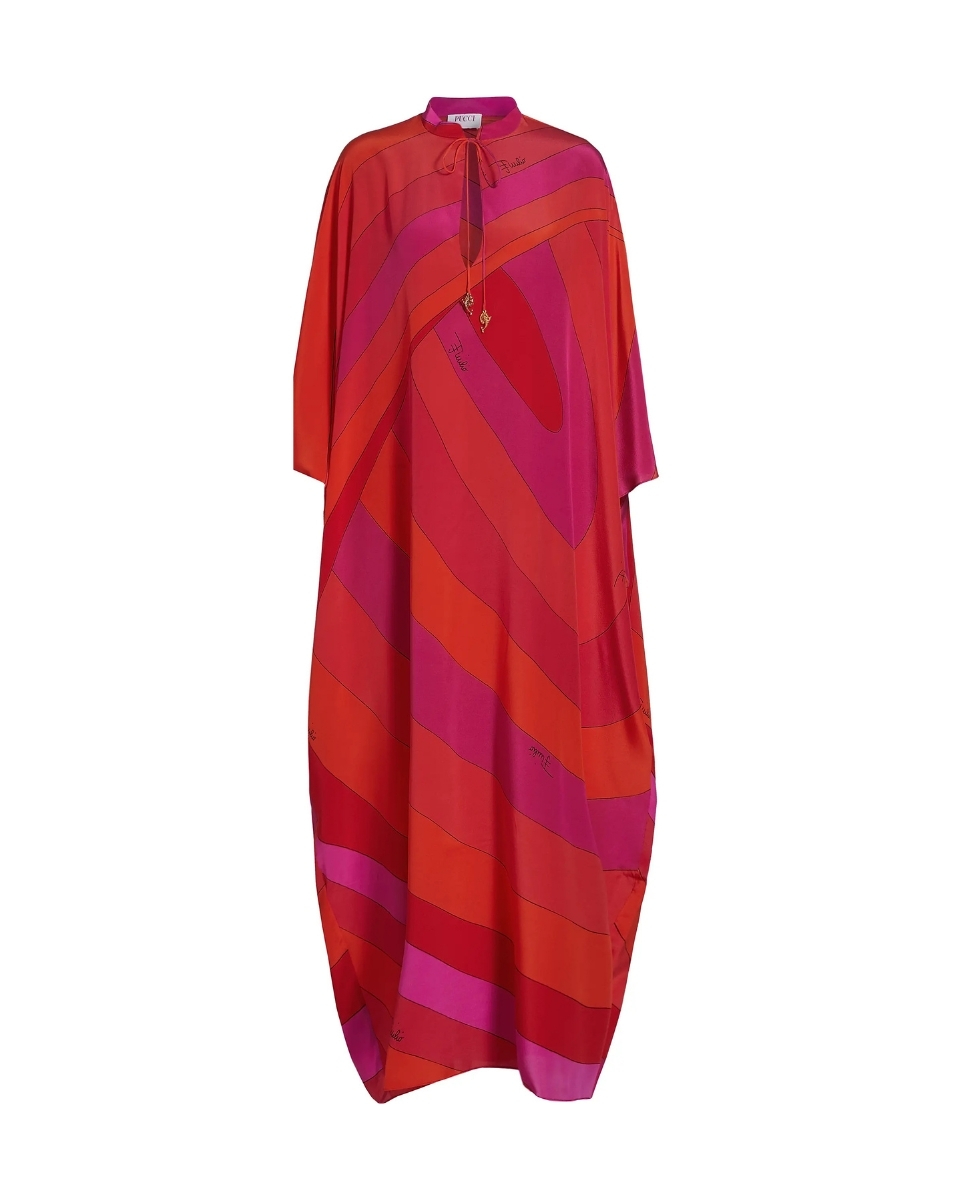
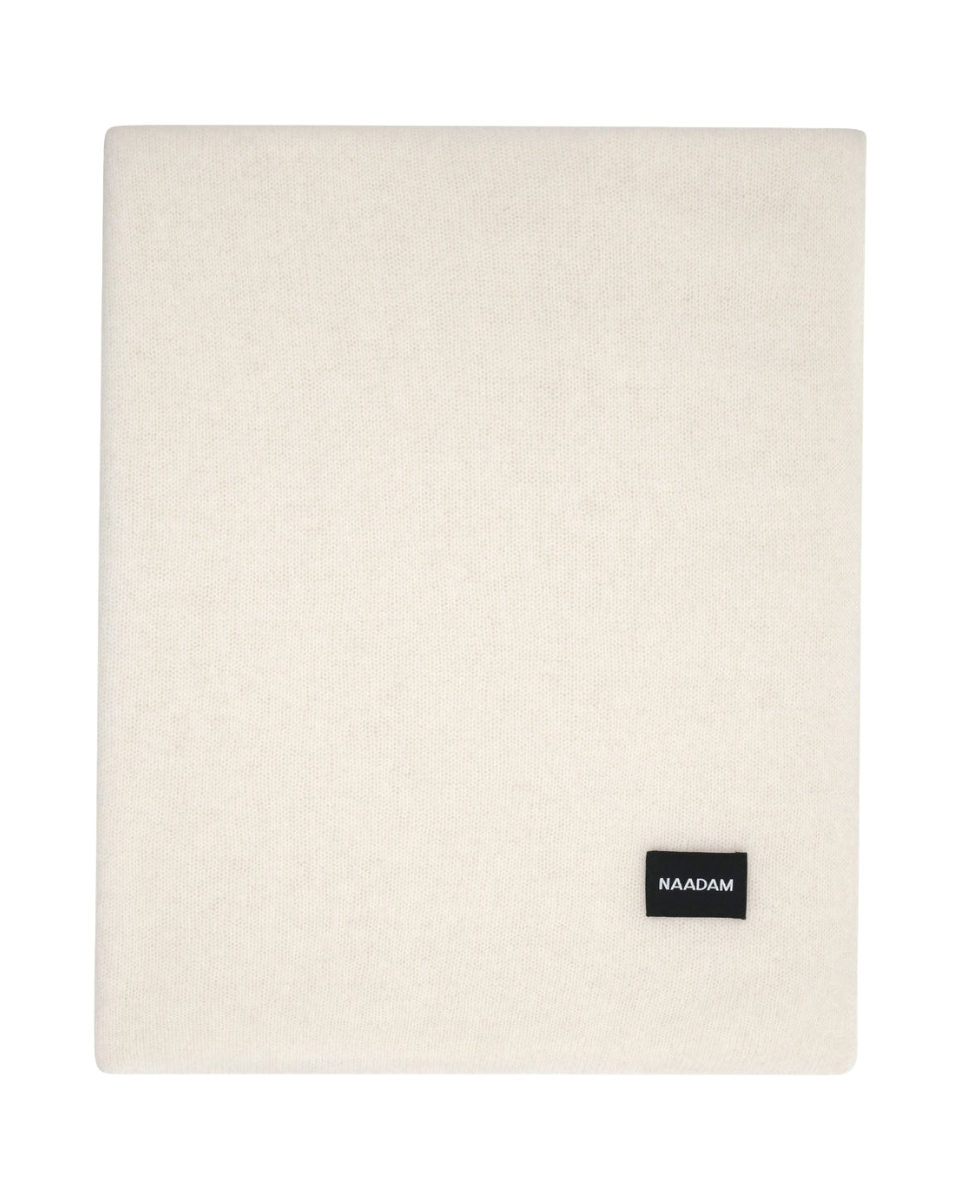
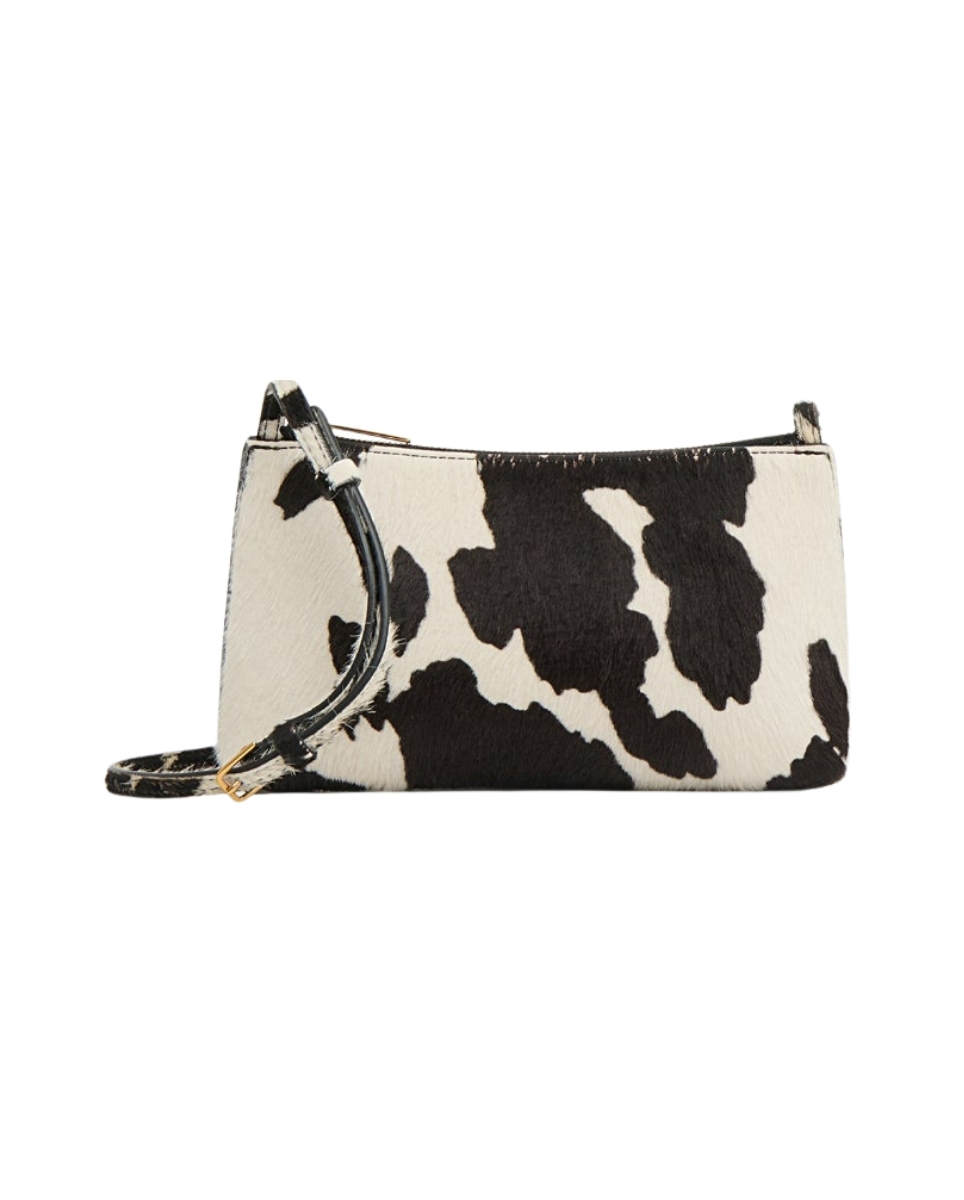
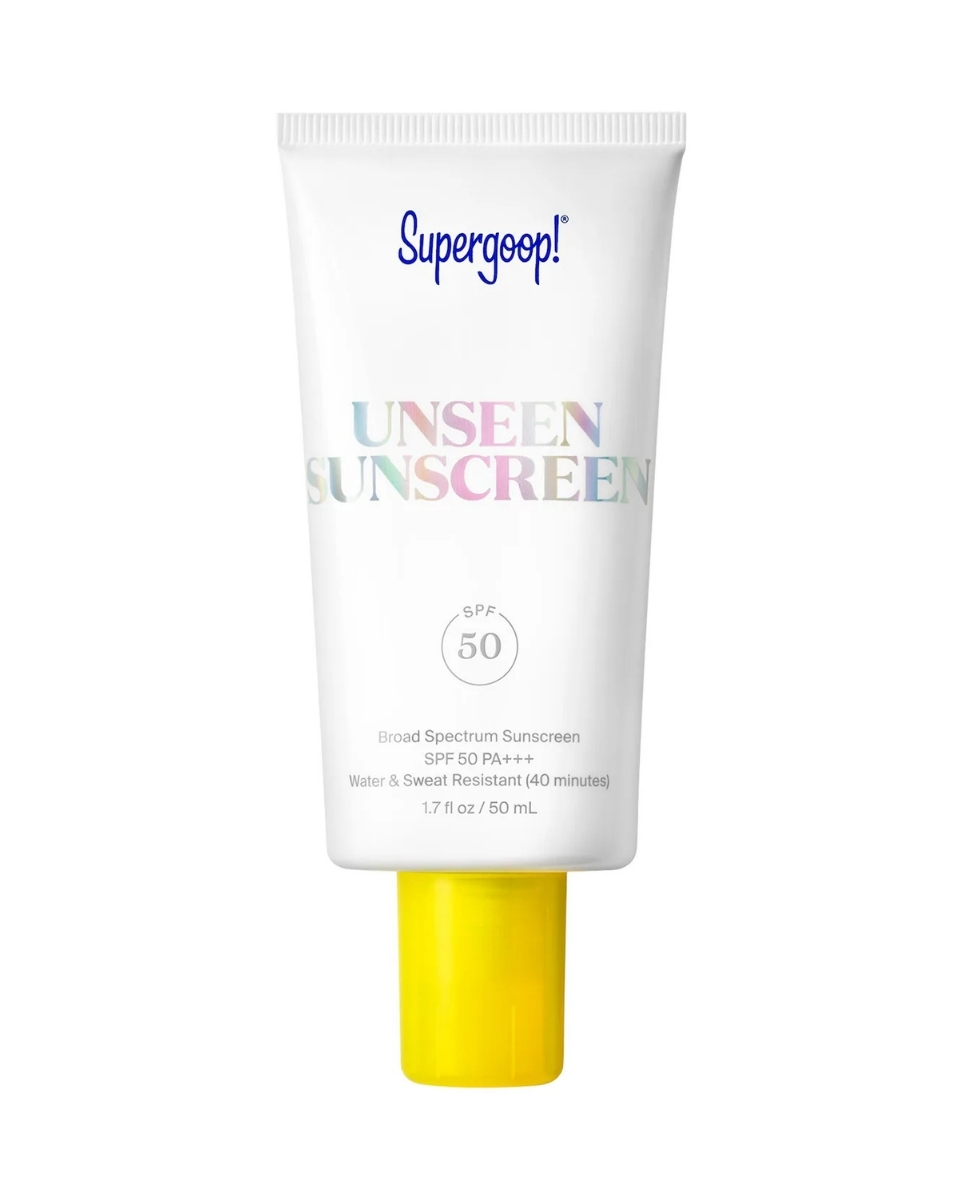
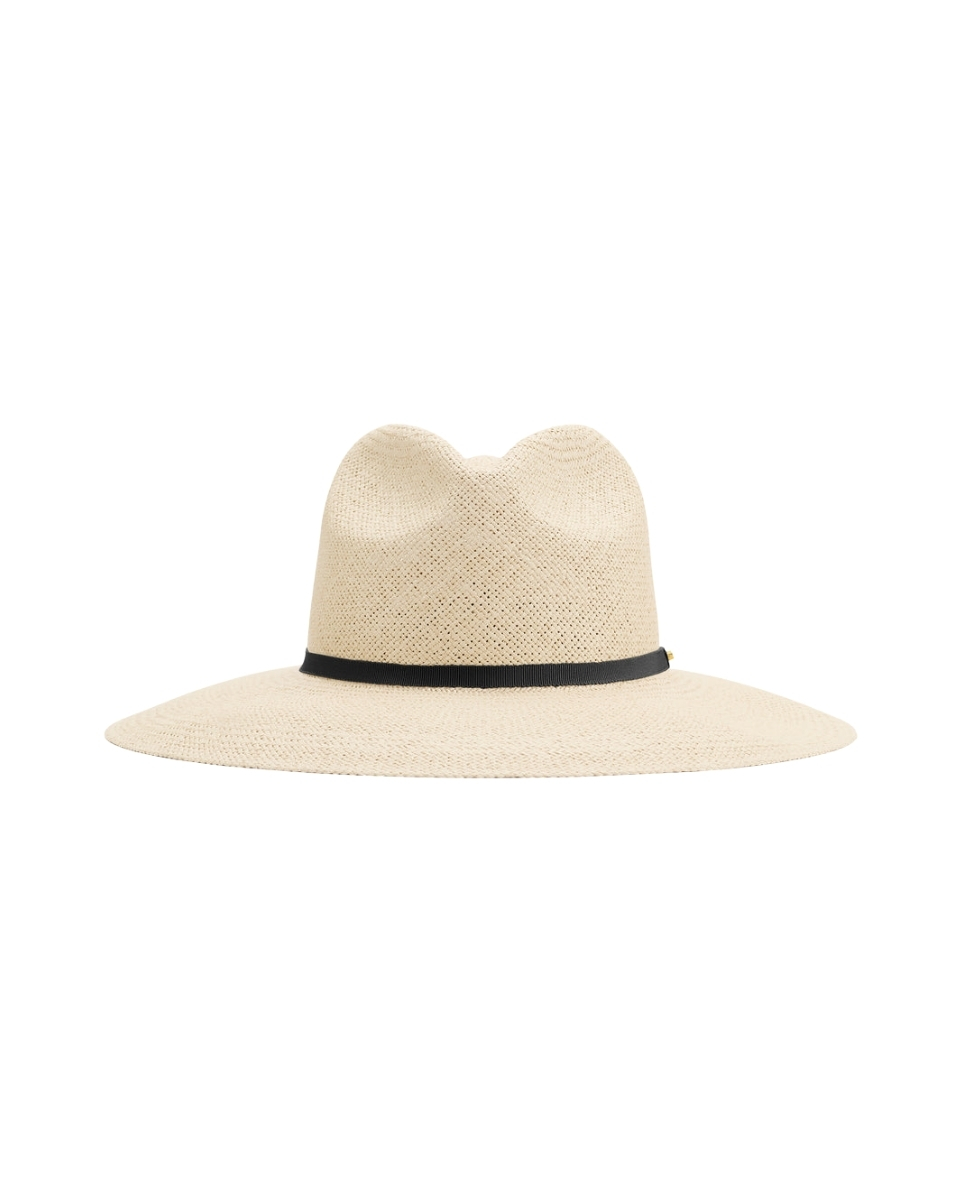
Cuyana Packable Wide Brim Ecuador Hat
What to Know
Best Time to Go: Spring (March–May) or fall (September–November). Summer in Marrakech is not for the faint-hearted.
through Haute Black.
Haute Living access. Two decades inside the world’s best hotels.
Virtuoso partner. Upgrades & VIP arrival at 1,200+ properties.
One advisor. Who knows you by name.
Latest from Haute Living
Inside LDV Hospitality’s Most Stylish Venues for Holiday Celebrations in New York
Shoes for a Cure Takes Over the Miami Design District, With New York Up Next
CASA NEOS Reopens in Miami as Riviera Dining Group Brings New Energy to the Waterfront