Design in Dialogue: Ying Han’s Approach to Design
Ying Han’s design practice blends meaning, research, and emotion to create thoughtful visual language across projects.

Ying Han approaches design as a form of translation. Before considering how something should look, she asks what it needs to say – and who needs to hear it. Meaning comes first. Form follows as a response, not a performance. In her practice, design is a way of carrying ideas, research, and emotion into visual language.
This approach grounds her commercial graphic designs. Han is deliberate and attentive, spending time understanding a client’s intent before engaging with type, color, or layout. Logos, branding systems, and publications are never treated as isolated objects; they function as parts of a larger visual language that remain coherent across platforms, contexts, and audiences. Clarity matters, but not the kind that instructs from above. Instead, she aims for accessibility that respects the audiences – design that communicates without imposing a sense of superiority.
Alongside client-serving practices, Han’s self-initiated projects take on a more exploratory role. These works are not driven by solutions, but by questions – often unresolved ones. Design becomes a tool for reflection, critique, and conversation rather than persuasion. The intention is not to lead viewers toward a conclusion, but to invite them to sit with uncertainty and recognize themselves within it.
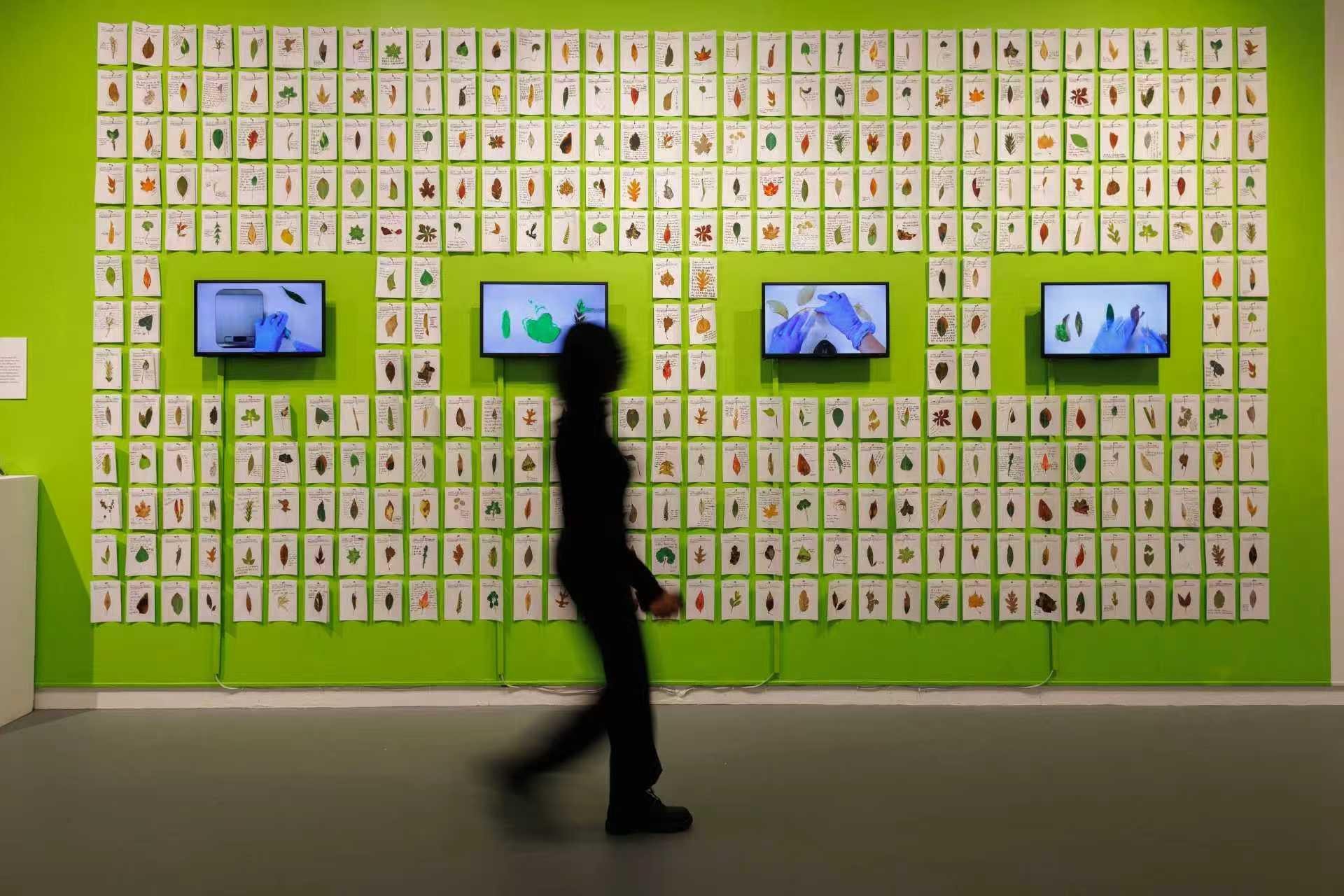
An especially intriguing expression of this approach is (un)natural, an interactive project that interrogates rigid beauty standards. The project begins with an observation drawn from nature: no two forms are identical, yet all are complete. Han chose leaves as her central visual material precisely because of their variation. Each leaf is unique in shape, texture, and imperfection. Presented as postcards, they stand in for unique individuals.
Photo Credit: Ying Han
This sense of natural integrity is then deliberately disrupted. Leaves are cut, ironed, injected, and recolored. The interventions are unsettling, even slightly violent. That discomfort is intentional. The altered forms echo the ways bodies are reshaped to conform to narrow ideals, particularly under pressure from the beauty industry. (un)natural does not lecture or moralize; it allows the element of unease freely exchange between itself and the audiences.
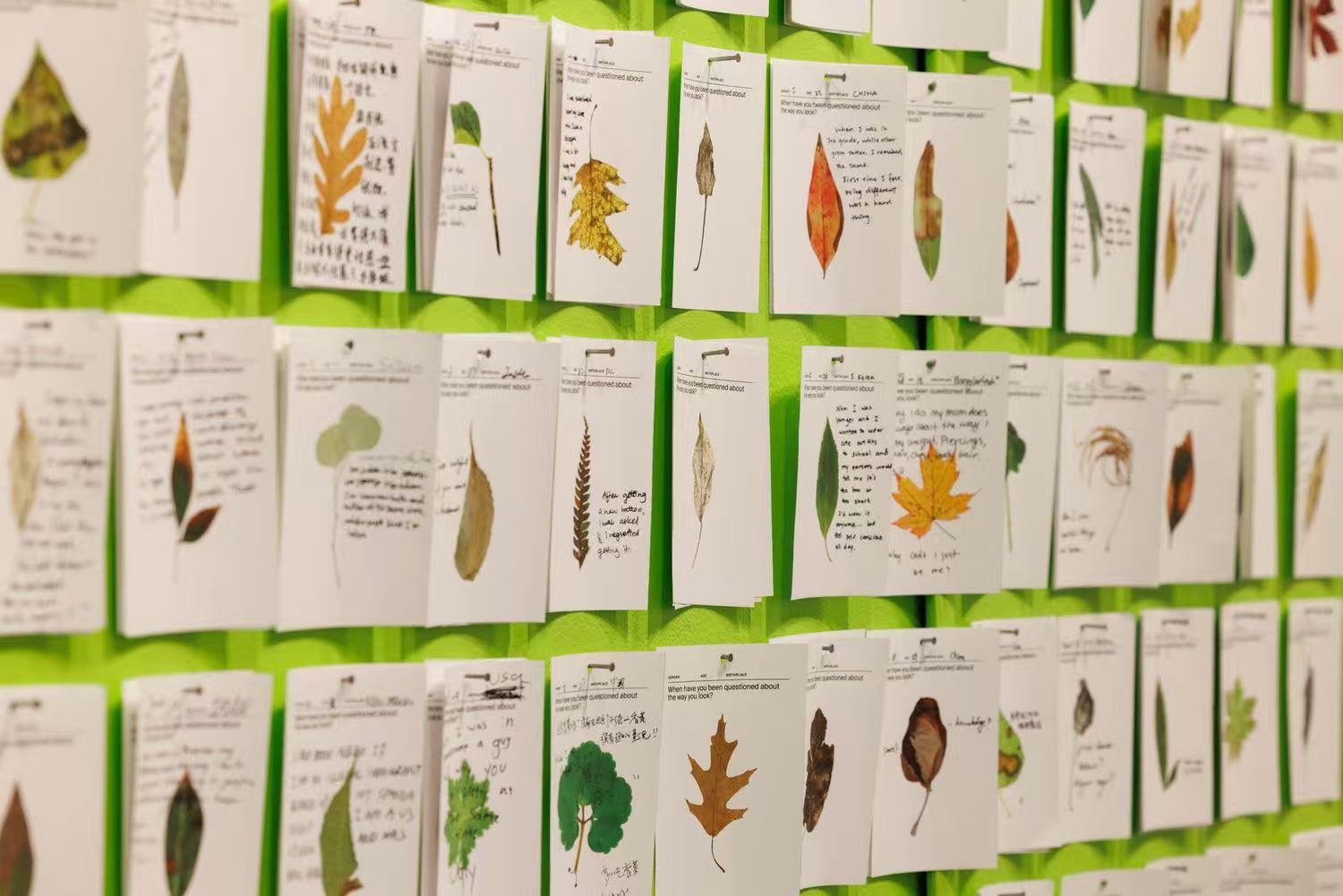 Photo Credit: Ying Han
What gives the project its emotional weight is participation. Viewers are invited to share personal experiences of judgment, comparison, and pressure. As these stories accumulate, the work expands beyond the designer’s voice. (un)natural becomes a collective space—one where private experiences are made visible and shared recognition takes shape.
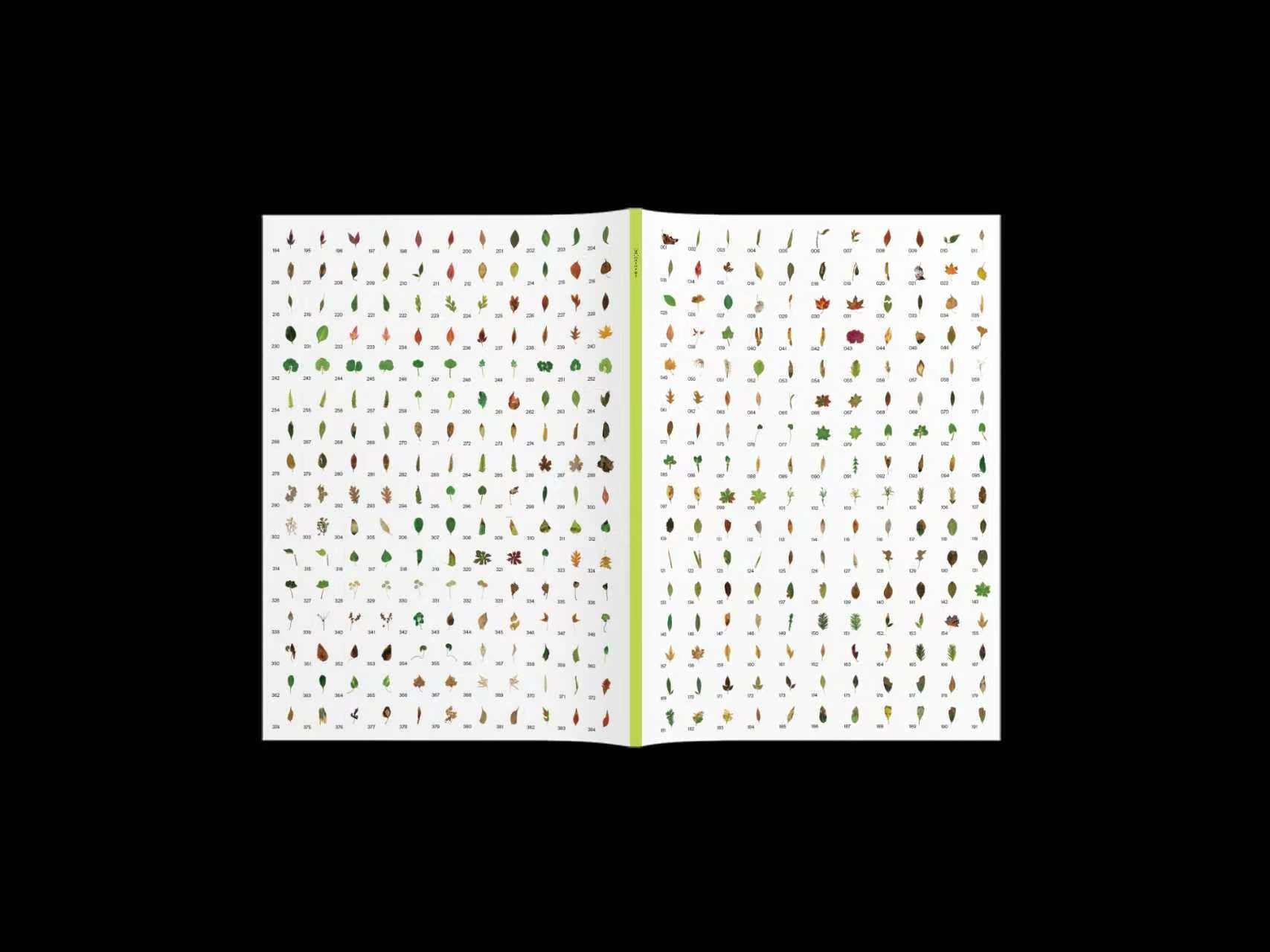 Photo Credit: Ying Han
This attentiveness to lived experience is also found in Modern Love Manifesto, a project that grew from Han’s curiosity about how love is understood across generations. Noticing a disconnect between her own beliefs and those of her grandparents, she began interviewing people from different age groups. Patterns emerged – not as conclusions, but as tensions. Instead of presenting the research conventionally, Han translated these insights into posters. Each functions as a declaration: a distilled expression of how love is imagined, practiced, or remembered. Posters were public, bold, and encountered casually. They ask for attention, but not commitment.
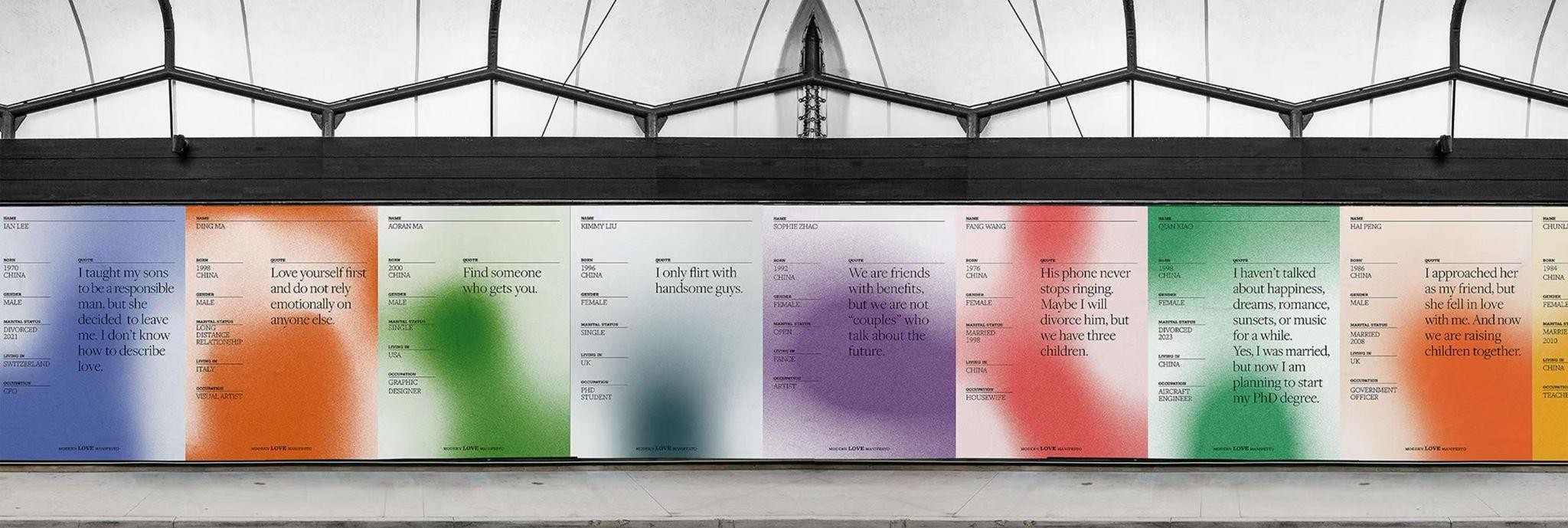 Photo Credit: Ying Han
Across both her personal and professional work, Han demonstrates a consistent sensitivity to form, structure, and intention. Looking ahead, she envisions a practice that continues to balance design and education, making space for dialogue across disciplines and backgrounds. She is drawn to work that engages relational, social, and cultural questions rather than avoiding them.
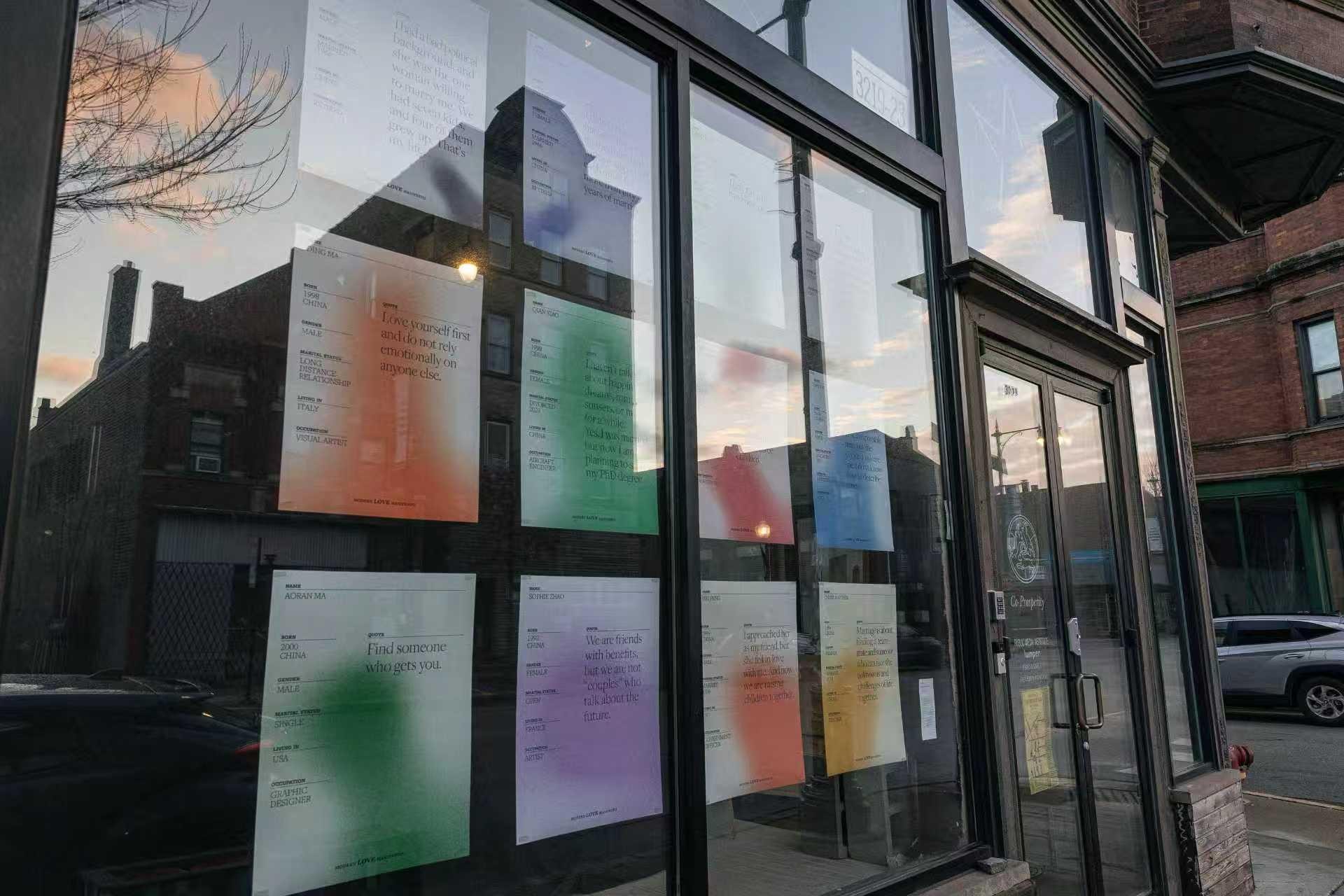 Photo Credit: Ying Han
In a design culture that prioritizes speed and spectacle, Ying Han’s practice moves differently. It is patient, measured, and deliberate. Her work does not simply shout. It listens – and in listening, it cuts through the noise and responds with clarity.
Disclaimer: Written in partnership with APG.
Latest from Haute Living
Meet Miami Business Club: Building Miami’s Next Generation of Business Community
Inside Seia’s Museum-Grade Hospitality
Our Editors Say This is the Skincare Brand Actually Changing How Luxury Skincare Works