Deconstructing Failures of Luxury Hospitality
Yuri Vanetik reveals how modern luxury hotels replace warmth with rigid policies, automation, and systems over true guest care.
Photo Credit: Shutterstock
After years of international travel across Europe, Asia, Latin America, Eurasia, and the Caucasus, U.S.-based attorney and political strategist Yuri Vanetik has identified what he believes is a growing flaw in modern luxury hospitality. Many ultra luxury hotels excel at architecture, technology, and presentation, yet fall short in the one area that matters most: making guests feel genuinely welcome.
He is not criticizing design or investment. What concerns him is what he describes as a philosophical drift. Luxury properties increasingly mistake protocol for care, policy for judgment, and monetization for value. The result is an experience that looks flawless but feels impersonal.
In smaller hotels, guest experience is existential. Repeat visitors matter. Problems are resolved quickly because relationships matter. Luxury properties, by contrast, often treat guests as operational variables rather than long term relationships. Internal processes outweigh individual discretion.
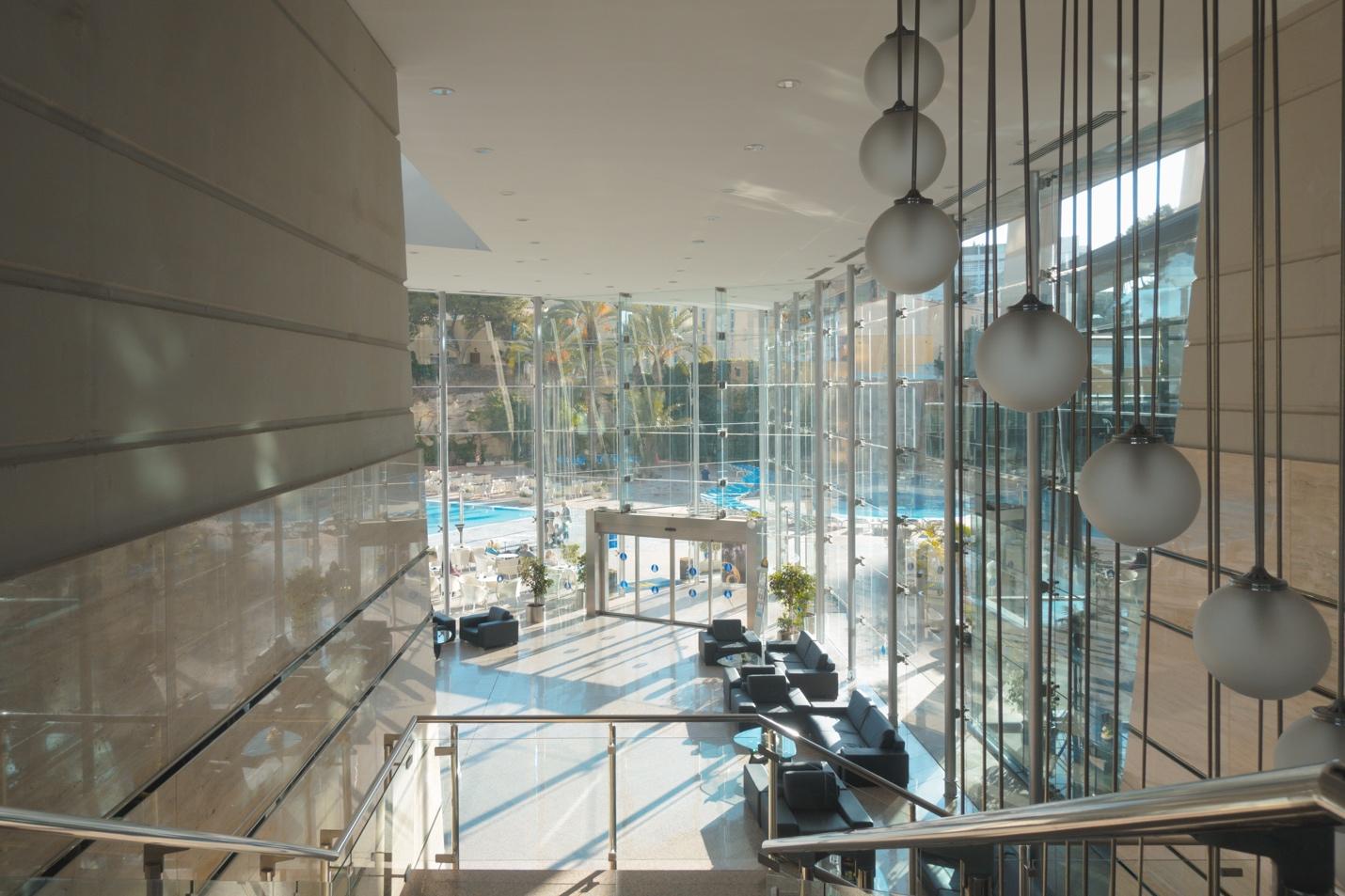
A recent stay at Hotel Las Arenas Balneario Resort in Valencia, Spain, illustrates the issue. After extending his stay, he was informed that remaining in the same room required a modest up charge due to a rate rule embedded in the booking system. The amount was minor. The message was not. Instead of prioritizing continuity and goodwill, management deferred to policy. What could have been a simple accommodation became a technical negotiation.
The concern was not the fee itself but what it signaled. Protecting the system had become more important than protecting the guest experience.
He sees this pattern repeated across the industry. Staff are often trained extensively, yet training emphasizes procedures over judgment. Employees learn how to enforce rules politely but may lack authority to resolve minor issues instantly. When situations fall outside standard scripts, responses default to policy rather than problem solving.
Incremental charges further erode trust. Early check in fees, late check out penalties, and inflexible room change policies rarely transform revenue. What they change is sentiment. Guests begin to feel managed instead of hosted. In his assessment, true luxury is not abundance of rules but absence of friction.
He also challenges the assumption that professionalism requires emotional distance. Warmth and discretion do not undermine brand standards. Often the most memorable experiences result from small human decisions such as a waived charge, a proactive adjustment, or a sincere apology paired with immediate action. These gestures cost little yet build lasting loyalty.
At its core, the issue is structural. Incentives reward compliance over delight. Automation replaces discretion. Short term revenue priorities override long term relationship building.
The remedies, he maintains, are straightforward. Training should emphasize principles rather than scripts. Staff must be empowered to resolve minor matters without layers of approval. Hiring should prioritize emotional intelligence alongside polish. Management should recognize that quickly recovering from a small misstep can deepen loyalty more than a technically flawless but impersonal stay.
Luxury hospitality was once defined by relief from friction, negotiation, inconvenience, and rules. Systems, he believes, have begun protecting themselves instead of the guest.
A hotel does not need more technology to feel luxurious. It needs fewer excuses.
The difference between a property that impresses and one that truly welcomes lies in a simple hierarchy. The guest must matter more than the policy.
Disclaimer: Written in partnership with APG.
Latest from Haute Living

Inside the Gucci Store Show, Demna’s First Full Statement for the House
Say Yes to the Dress, Then Stay the Night: Vera Wang’s New Bridal Suite in Beverly Hills

OneRepublic Is Headlining the Bahamas Culinary and Arts Festival at Baha Mar This October