How Verified Facebook Pages Can Maintain Brand Reputation
Luxury brands should make use of Facebook Verified Badges to maintain brand’s reputation in the social media hemisphere.
The verification of social media pages is essential to ensure fans of celebrities and brands that they’re page are authentic. Luxury social media marketers should make use of this feature to maintain the brand’s reputation in the social media hemisphere.
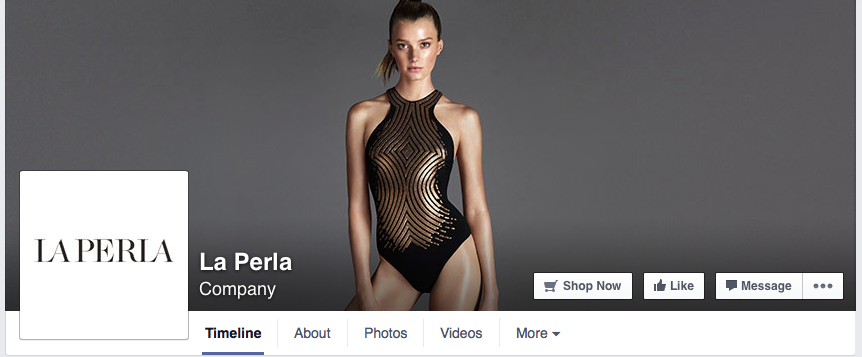
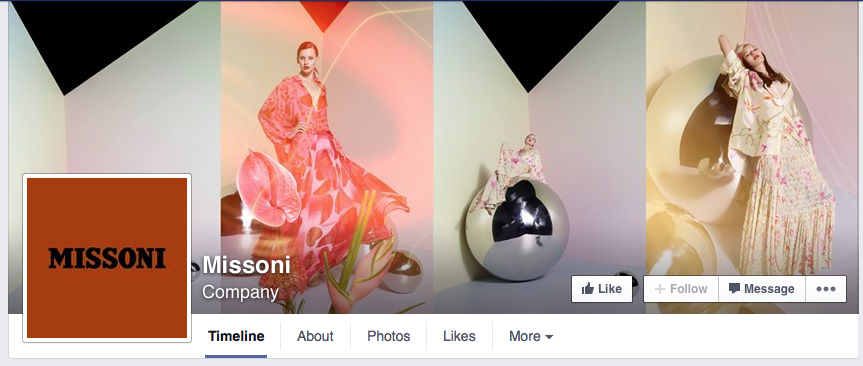
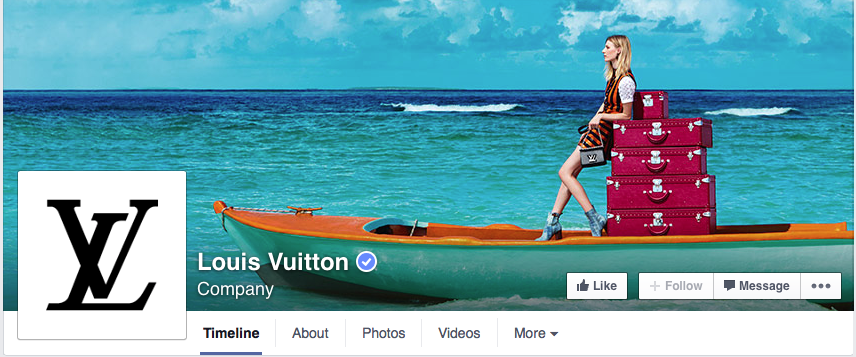
While Verified Pages have existed on Twitter for some time, Facebook announced the launch of its version of a Verified Page nearly two years ago. However, many luxury brands have not adopted the strategy to verify its pages. For example, when you type in La Perla,Missoni or John Varvatos in the Facebook search box, the brand’s page does not display a blue labeled checkmark.
The Verified Pages are labeled with a blue checkmark so that consumers 1) are aware the pages exist, 2) consumers know the page in fact represents the brand and 3) are aware of the page’s authenticity. In addition to brands, Verified Pages are available to celebrities, government officials, athletes, some journalists and other public figures.
To verify your brand’s page, a marketer should select the Facebook’s help center and submit a request. To submit a request, the person who represents the brand has to be logged into Facebook, as the brand, and fill out a form to request a Verified Badge.
Prior to Verified Badges, the only way brand enthusiasts could ensure the Facebook page was operated by the brand was to visit the brand’s website and look for a Facebook icon or link that would redirect an individual to its Facebook handle. With this new addition, brand buffs would know without a doubt he or she is viewing the brand’s page.
As a result of Verified Badges, when you search a particular luxury brand in the Facebook search engine the verified page will appear first and any additional fake pages identified as the brand will appear under it.
Without a Verified Badge, brands are vulnerable to other individuals, not affiliated with the brand, creating an imposter page. This leaves the brand susceptible to having its digital reputation ruined as well as consumers interacting with the wrong page.
(Photos via Facebook)
Latest from Haute Living

23 of the Hardest Restaurant Reservations in America — And the One Booked Through 2030

The Billionaire Bucket List for 2027 Includes a $100,000 Trip Fewer Than 500 People Take Each Year
The London EDITION Is Still One of Fitzrovia’s Best-Kept Open Secrets