This is How Tyler James Williams is Playing the Long Game
Tyler James Williams on directing Abbott Elementary Season 6 and why fame was never the point — his Haute Living cover story.
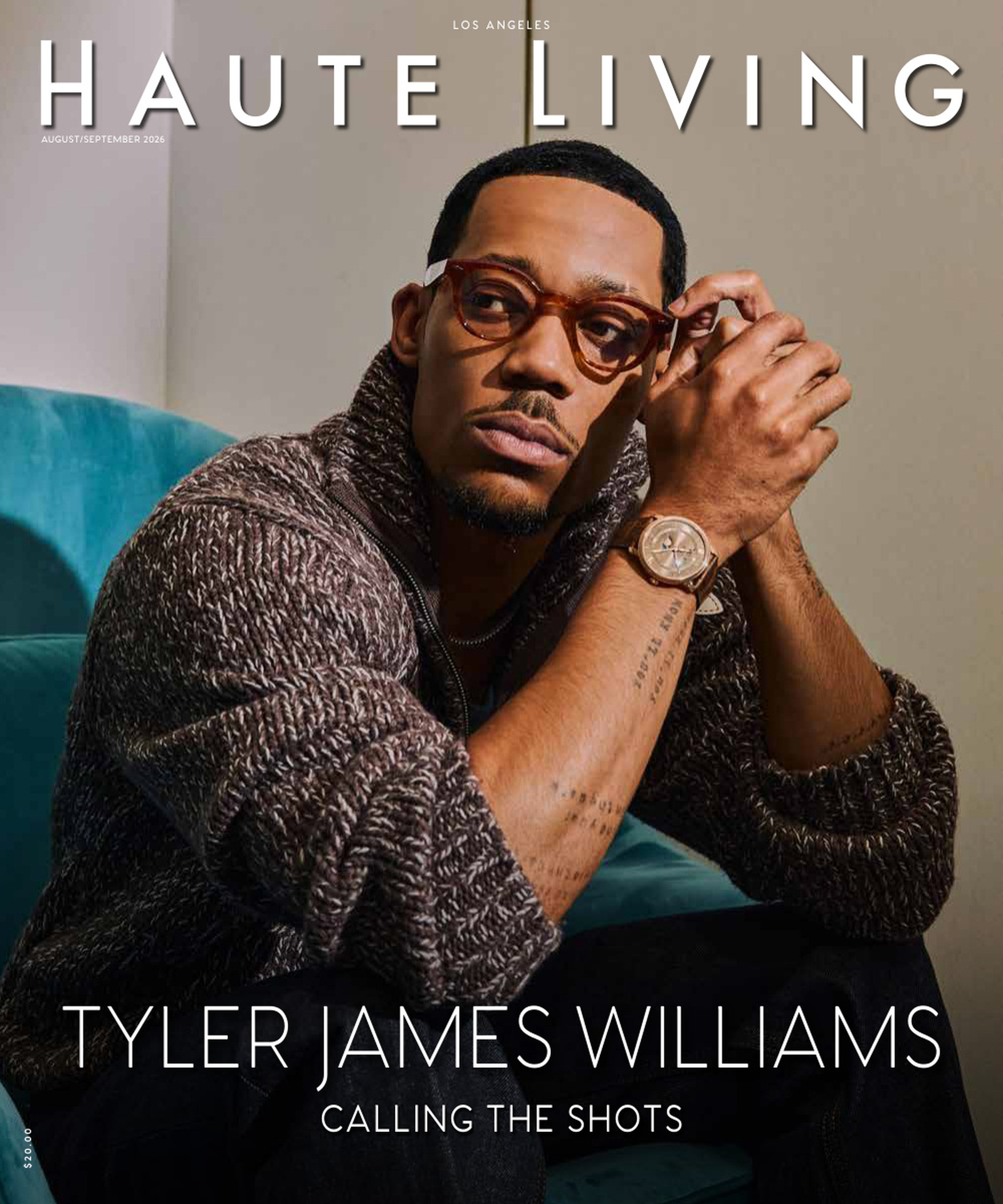 Photo Credit: Juan Veloz
GLASSES: Jacque Marie Mages
NECKLACE: A. Jaffe
WATCH: Blancpain
INTERVIEW & BOOKING LAURA SCHREFFLER
PHOTOGRAPHY JUAN VELOZ
STYLING BROOKLIN PHELPS
GROOMING CONSTANCE FOE
BARBERING WILLIAM JAMES
SHOT ON LOCATION AT THE LONDON WEST HOLLYWOOD, LOS ANGELES
He’s wearing bubblegum-pink headphones on a set otherwise dressed head to toe in Serious Television, and if that isn’t the entire Tyler James Williams thesis in one image, I don’t know what is. The chair he’s in isn’t the one with his name on the back of it in the traditional sense — he’s not in it to be looked at. He’s behind the monitor on his Emmy-winning ABC series, Abbott Elementary, which, on a comedy set, means he’s the one person in the building who isn’t performing for anybody. Around him: the low hum of a crew resetting a shot, someone taping marks on linoleum that’s meant to look like it belongs to a public elementary school in Philadelphia, the specific choreography of people who’ve done this enough times that nobody’s shouting anymore.
Later — much later, after we’ve talked our way through rhythm and restraint and the specific exhaustion of being underestimated for two decades running — I ask him which photograph, out of every chapter of his life and career, tells the truest story of who he is. Not the Emmy stage. Not Gregory Eddie’s cardigan. Not the kid from Everybody Hates Chris who was, improbably, playing a young Chris Rock before he could legally drive.
He doesn’t hesitate. It’s the one behind the monitor.
“I’m sitting in front of a monitor and I have these pink headphones around my neck,” he tells me, noting, “There are certain people on set who will talk about this — I get into a zone. It’s a certain level of seriousness that it’s almost like I black out, except I don’t, because I remember everything. It’s hard to explain. It’s a flow state. I become incredibly detail-oriented. I can see everything happening at one time. My brain splits into like five different places. I think that’s me at my most authentic self.”
The headphones, it turns out, weren’t an accident either. “I remember I liked them,” he says. “It’s kind of fun in the midst of this — a whimsical choice in the midst of something that’s heavy and serious.”
Here is the thing about Tyler James Williams that gets flattened every time someone writes the word longevity: it implies survival, endurance, a guy who simply didn’t quit. Fair enough. But spend an hour with him and you realize longevity was never the interesting part. Hollywood doesn’t have a great track record of letting child actors grow into respected adults without a tabloid detour in between. Williams skipped that chapter entirely.
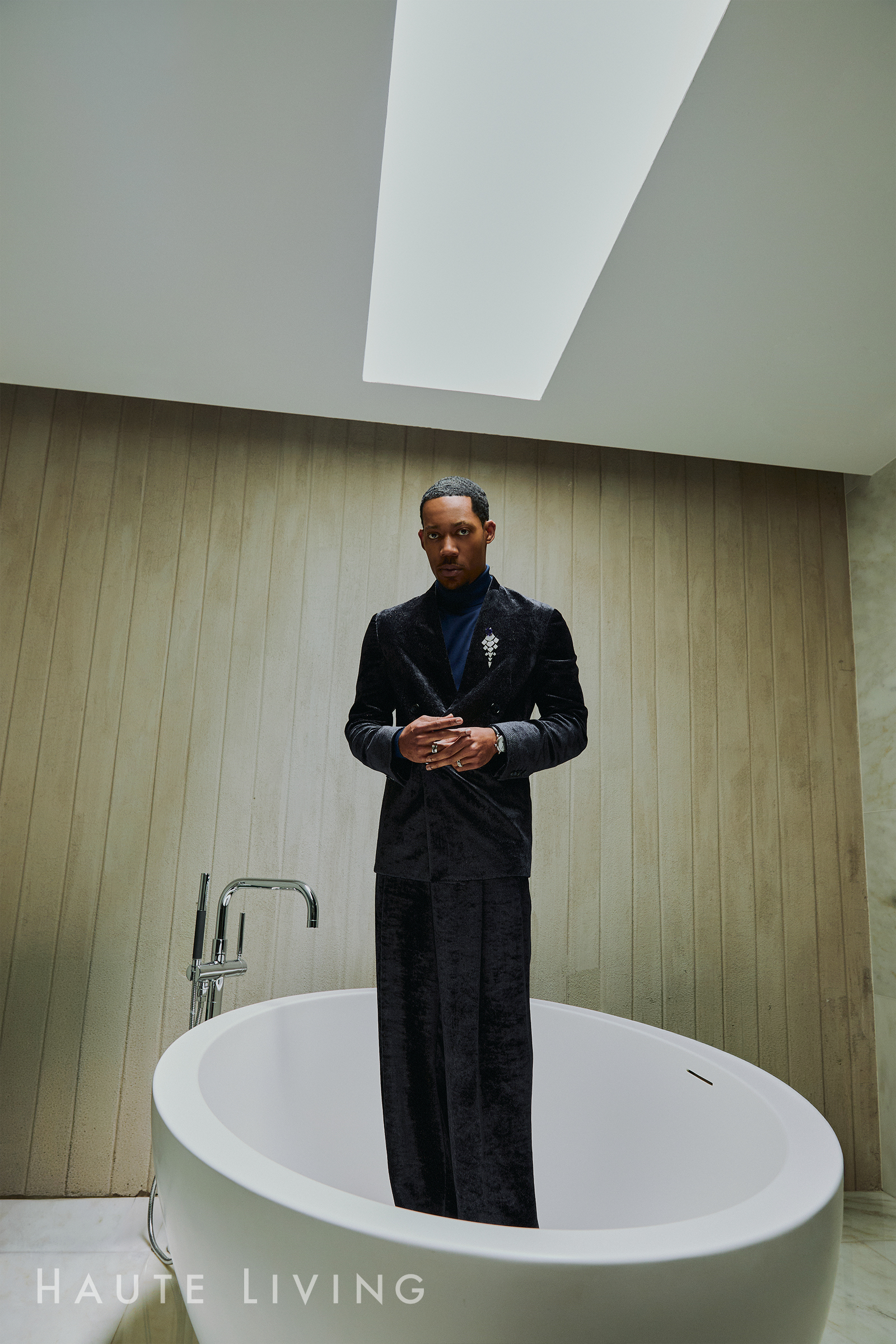 Photo Credit: Juan Veloz
BOOTS: Zvelle
BROOCH: Akillis Paris
RINGS: Le Vian and Simon Jewels
WATCH: Blancpain
Photo Credit:
“When you’re a child, you assume adults know what they’re talking about,” he says, of the industry voices who spent his adolescence telling him who to be. “As you get older, hopefully you find yourself. For me, it was being really intentional — and being able to retire that idea of myself that was just kind of following the decisions of the people who were helping to guide and shape my career.”
That retirement didn’t come free. “I had a whole period where I had to work through the hypervigilance and anxiety that built up in my body,” he says. “But on the other side of that, if you do the work, the strength it gives you is incredible. I know what I’m capable of now. I’ve had situations when I was thirteen or fourteen where there was no other choice, and you figured it out. My belief in myself has a level of security that I think people don’t reach until much later in life, because I’ve already proven myself right about those things before.”
Instead, he did the unglamorous thing. He worked. Dear White People, The Walking Dead, Detroit, The United States vs. Billie Holiday — a stretch of credits that reads less like a highlight reel and more like an apprenticeship, a young actor quietly proving he could do satire and horror and prestige drama without needing any one of them to define him. He built a body of work while everyone else was still waiting for the cautionary tale that never arrived.
Then Abbott Elementary happened, and Gregory Eddie — reserved to the point of infuriating, in the way all the best romantic leads are — became the role that finally let the world catch up to what he’d been doing all along. It’s worth sitting with why Gregory works as well as he does, because on paper, he shouldn’t. He’s a man defined by what he doesn’t say. He deflects. He hedges. He takes an entire season to admit what everyone watching already knows. In lesser hands, that’s a frustrating character to spend thirty minutes a week with. In Williams’ hands, restraint isn’t the absence of feeling. It’s feeling with better posture.
We’re talking days after he wrapped his first Abbott Elementary table read of the new season — Season 6 premieres October 7, and the show will run new episodes through next spring — and there’s something almost nostalgic in how he describes walking back into that room. “Nothing changed,” he says of the reunion. “We all fall into rhythm immediately. You hear the show, and you go, oh, there we are again.” That chemistry, he tells me, was there from the very first table read, before any of them had really gotten the chance to know each other off-camera. “Even though we couldn’t fully gel together because it was COVID — it’s not like we were hanging out — there were certain scenes that just felt too good, too fast. It’s kind of been like that from the beginning.”
Ask him what’s animating Gregory this season, and the answer doubles as a small thesis statement on the kind of stories he wants to keep telling. “He’s trying to wrestle his life into shape,” Williams says, of Gregory’s slow-burn engagement plans. “I have the opportunity to tell the story of good men who are trying to connect their present to their future. That’s something to chase.”
The accolades followed, and they followed fast once they started: a Golden Globe. An NAACP Image Award. A SAG ensemble win. Four Emmy nominations and counting, including this year’s. All earned by doing less, not more — and Williams, notably, doesn’t sound especially satisfied by any of it. “I’m critical of me,” he says. “I think that’s part of being an artist. You always want another take. If I could, I would still be shooting scenes from Season 1 right now.”
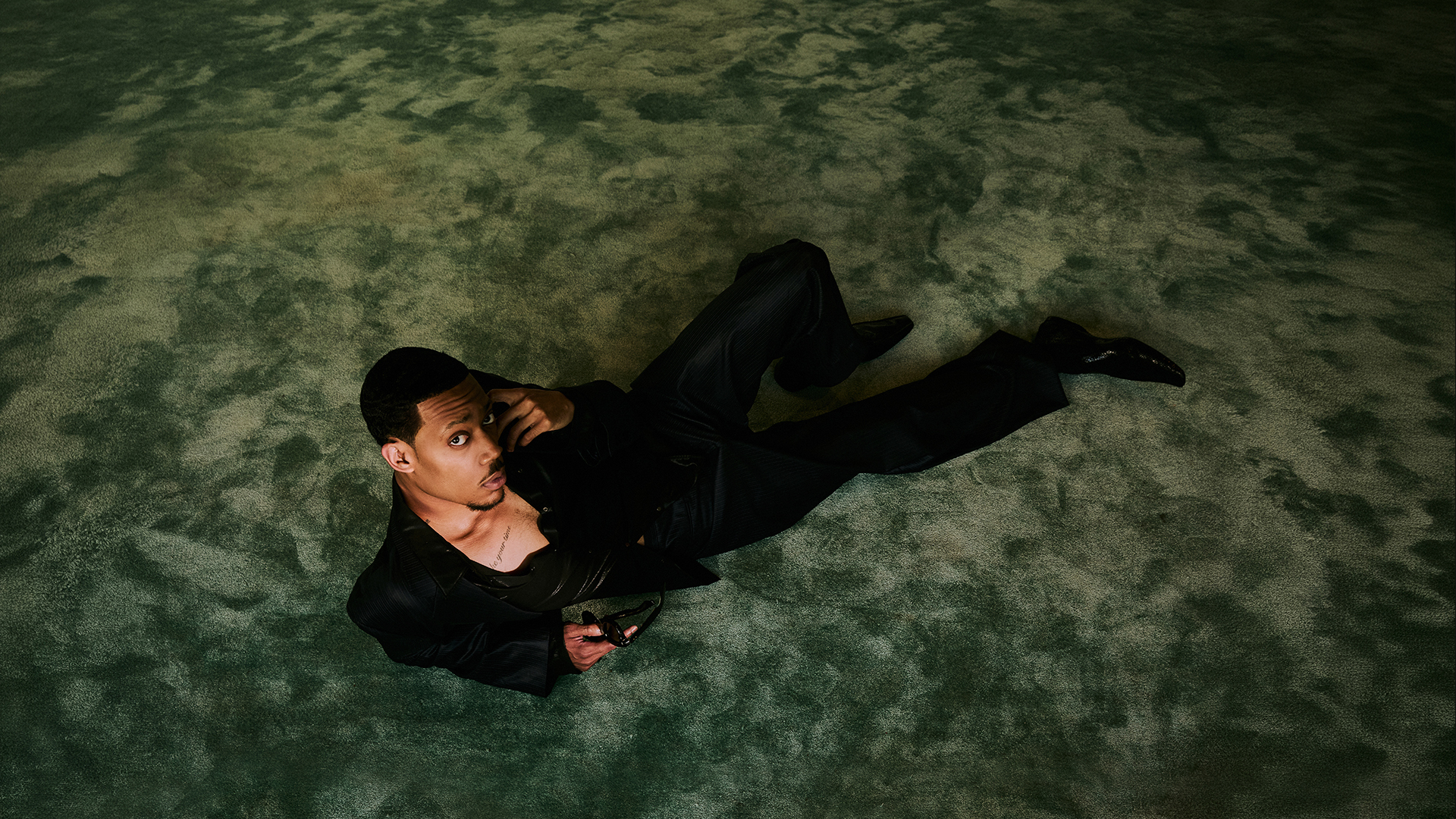
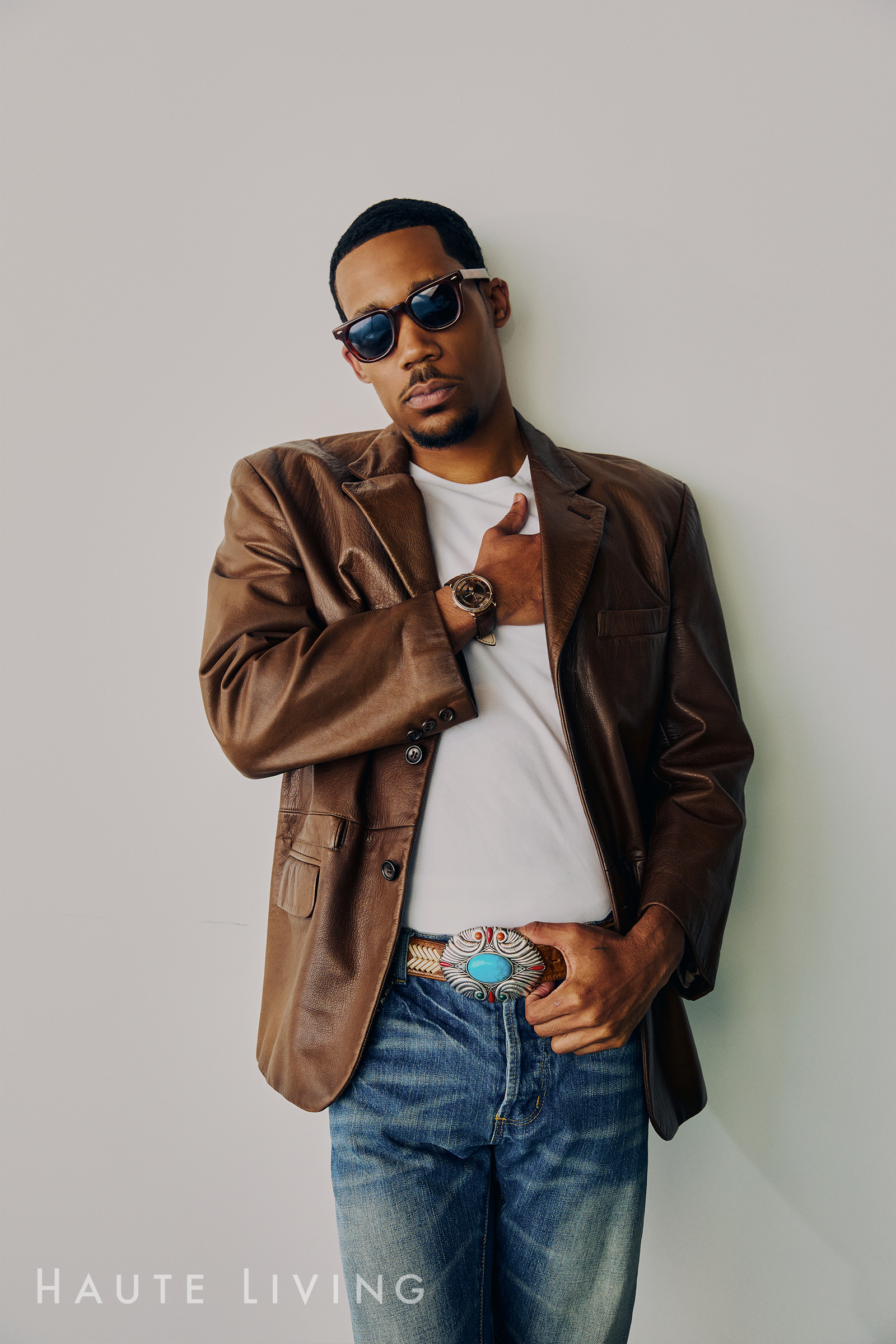 Photo Credit: Juan Veloz
JEANS: Hysteric Glamour
BOOTS: Luchesse
SUNGLASSES: Jacques Marie Mage
WATCH: Blancpain
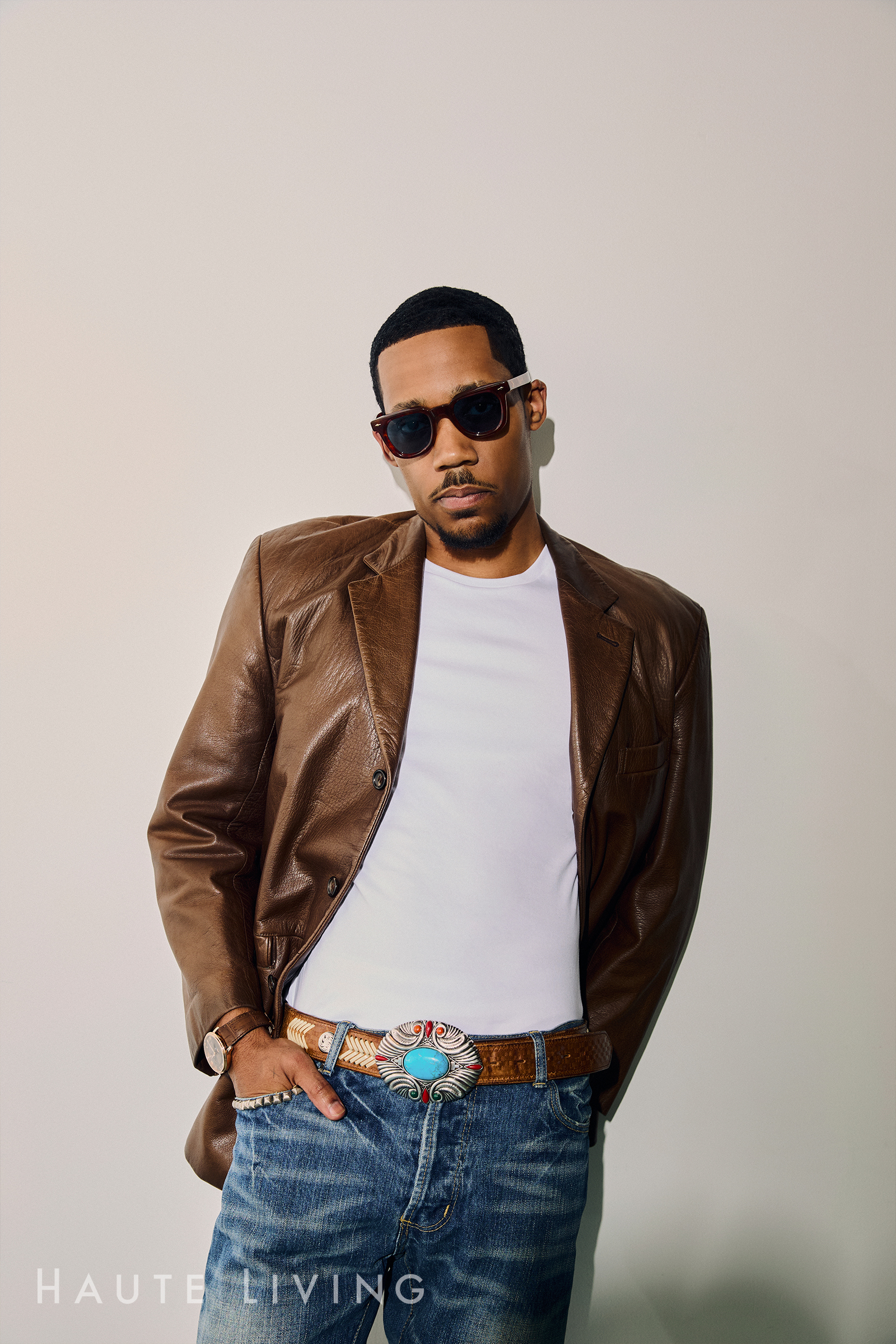 Photo Credit: Juan Veloz
JEANS: Hysteric Glamour
BOOTS: Luchesse
SUNGLASSES: Jacques Marie Mage
WATCH: Blancpain
But the acting was never going to be the whole story here, because somewhere around Season 4, Williams did the thing that separates a star from a storyteller: he asked for the monitor. He talks about the responsibility of it in almost physical terms. “There comes a time in the course of prepping and shooting an episode where you feel the weight of that responsibility on your shoulders,” he says. “If I don’t execute this and plan this the right way, the beautiful work that’s on the page won’t shine through on the screen. I think that weight is necessary.”
His directorial debut, “The Science Fair,” was ambitious in the way first outings rarely are; his follow-up, Season 5’s “Mall Part 2: Questions & Concerns,” confirmed it wasn’t a fluke. The NAACP Image Award for Outstanding Directing came after. What he’s actually chasing now, he tells me, has less to do with scripts than with rooms. “I’ve learned over time, you only make the best things in good atmospheres,” he says. “I could look at a project that’s incredibly well written, with a great cast, and if certain positions aren’t filled by certain types of people, it’s going to fail. So it’s less about the creative that I look for. Who am I working with? What atmosphere are we creating?”
Off the monitor, he’s become something closer to the show’s ballast. “Like an anchor, a little bit,” is how he puts it. “The only way I know how to be on a set is professional. On certain days, they’ll start with my scenes just to get off to a good start. That’s the role I feel like I serve here — let’s anchor the day. We’re going to have fun.” There are, by his own count, more kids on the Abbott set than adults some days, and he talks about that dynamic less like a burden than a discipline he’s spent years refining. “I have the emotional capacity to understand where they are, and empathy for them. But I also know what’s actually in them — what they’re capable of. Like a coach, you have to know where to challenge them, and where not to. It’s a delicate balance and dance, but it’s something I feel like I’m uniquely attuned to.” It’s a function he’s held since he was twelve years old, carrying a network sitcom on his shoulders with two hundred adults’ jobs riding on whether he showed up ready.
It’s the same instinct that shows up when the conversation turns to fashion. Williams doesn’t talk about the Prada-and-Tiffany moments that have landed him on best-dressed lists the way most people talk about getting dressed up. “I see these award shows and carpet moments as expressions of self,” he says. For Williams, what he wears is another part of the performance — another opportunity to communicate something deliberately. “It’s got to be intentional. I don’t want to just be doing anything just to do it anymore.”
That precision, he says, comes from a shift the whole industry has gone through. “Artists are just much more in control of their image than we had an opportunity to be in the early 2000s,” he says. “But with that ability to be in control, there’s an expectation of control, too.” He reaches, unprompted, for a Wes Anderson comparison — every shot deliberate, every color palette considered — and applies the same standard to his own tailoring, down to the half inch. “People overlook tailoring so often. Knowing when to bring in something by a half inch, even a quarter inch—that creates a silhouette.”
Which is, if you’ve been paying attention, the same question he’s been asking about every choice he’s made since he was a kid actor playing someone else’s childhood on network television. The role. The chair behind the monitor. The suit. The life. He isn’t performing a version of authenticity for the cameras. He’s protecting the real thing from them.
That same discernment shapes what he’ll actually say yes to. “I think for now, we’ve covered fairly well and extensively Black trauma and slavery. I think we got it. At a certain point it becomes chasing a pattern, and it’s gratuitous.” “I’m not trying to do anything trendy,” he says, “because if it’s in trend, it’s already done.”
I ask him, toward the end, what he thinks Hollywood has gotten most wrong lately. He doesn’t hesitate on this one either. “Attention doesn’t mean respect,” he says.
Every answer that afternoon — about directing, tailoring, leadership, even the things he’s said no to — pointed back to the same quiet philosophy.
Which brings me to the photograph again. Bubblegum-pink headphones. Behind the monitor. Nobody watching.
Twenty years in, and Tyler James Williams finally looks exactly like a man who knows where he’s headed.
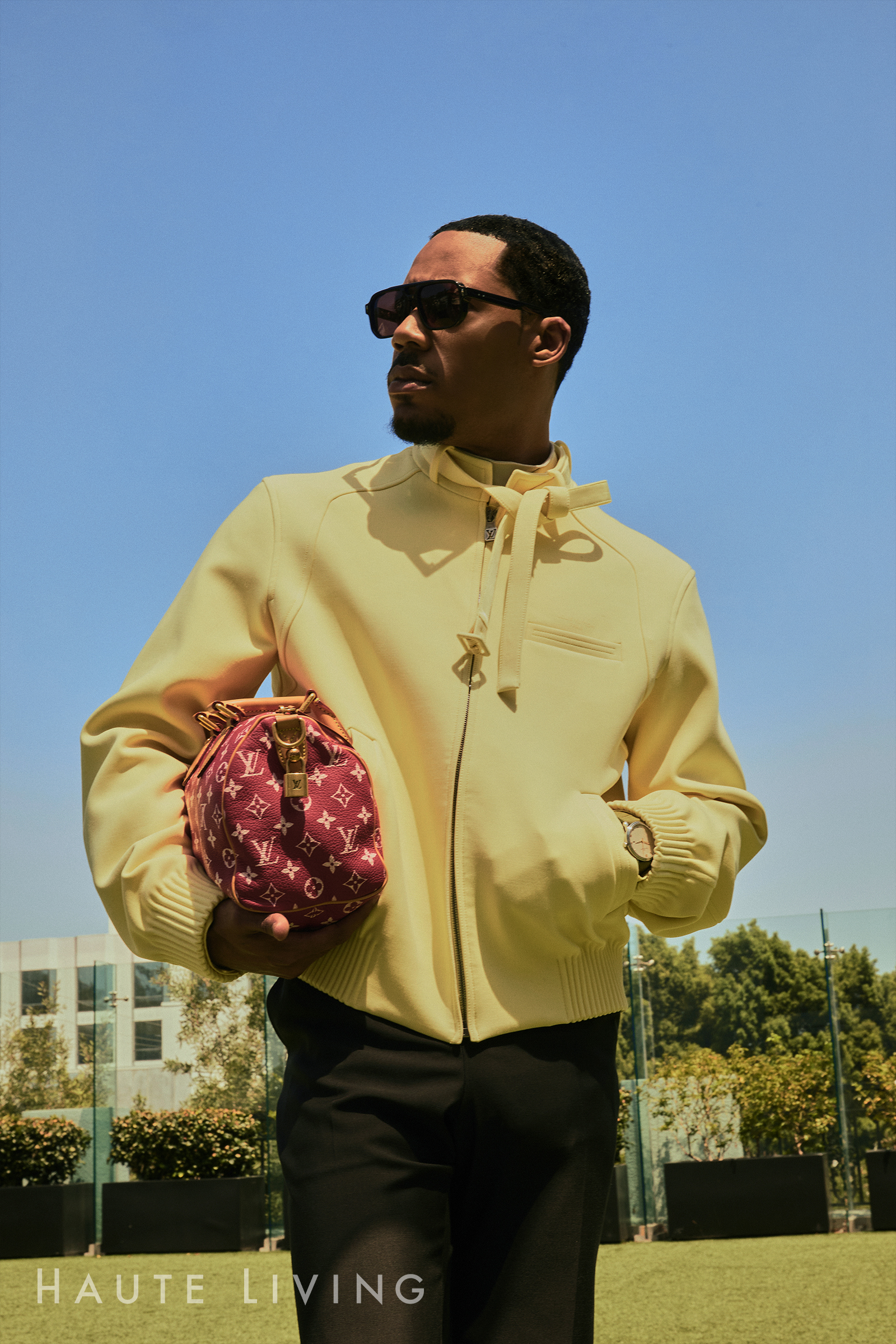 Photo Credit: Juan Veloz
SUNGLASSES: Jacques Marie Mage
WATCH: Blancpain
It wasn’t on my list of questions, exactly, but astrology rarely announces itself politely. Somewhere past the halfway mark — after directing, storytelling, leadership, the whole architecture of a career built on saying less and meaning more — I asked Williams for his chart. He rattled it off like a man who’s been asked before and still finds it a little funny that he knows the answer: Sun in Libra. Moon in Pisces. Aries ascendant. Venus in Scorpio. Mars in Cancer.
I told him what struck me immediately — that a Libra sun and an Aries rising sit on almost opposite ends of the wheel, which means the version of him that shows up in a room is often read as the near-opposite of what’s actually happening underneath it. “Yeah, no, it’s definitely accurate,” he said, without missing a beat. “I think I show up in a way that — because there’s so much thinking and brooding, I’m very cerebral while also being very emotional at the same time. People are surprised by that, because my forward-facing face, particularly when I’m directing, can be more stern. More distant. When in actuality, what I’m always looking for is connection.”
That gap — between the stern face on set and the guy underneath actively hunting for connection — kept resurfacing throughout our conversation. A lifetime in public will teach a person which parts of themselves are safe to hand over in a ninety-second soundbite, and those safe parts start to calcify into something that looks, from the outside, like the whole picture.
Williams has made an unusually deliberate peace with that gap. Ask him what he’s gotten better at protecting, and he doesn’t say privacy—he’s specific about the distinction. “Privacy is the ability and the space to live without judgment,” he says. “Your personhood is different. It’s the way you choose what you engage with, what you choose not to. Choosing not to join the circus.” He’s just as precise about which parts of his life he’s genuinely fine with the world getting wrong. “Any aspect of my personal life, I’m okay with that being misunderstood,” he tells me. “My job is to not fuel the fire and not join the circus. There’s going to be a circus in town. Just don’t join it.” It’s the same logic behind his choice to speak candidly, on his own terms, about living with Crohn’s disease since his 2015 diagnosis, including in his work with AbbVie’s “Beyond a Gut Feeling” campaign. Boundaries, for Williams, aren’t walls. They’re just decisions about what gets to be public.
It’s why he keeps a foot planted in New York whenever the schedule allows it. “I moved back to New York because I needed normalcy,” he says. “I needed somebody who could see me walking down the street and go, cool. And that’s it.” It’s a small ambition, on its face, for a man with a Golden Globe and four Emmy nominations.
There’s something almost playful in how he talks about managing the rest of it, the parts he can’t fully retreat from. Getting spotted, for him, has become less a threat than a game he’s gotten good at winning. “If I can be somewhere and nobody will know I’m there, if I don’t want them to—you’ll never see me,” he says. “And that’s fun. Sometimes that’s the game of the day.” It’s a small tell about how he’s built the whole architecture of his privacy: not as a fortress, but as something closer to sport.
That instinct extends to the platforms everyone assumes a person in his position has to be on. “Social media engagement” — he doesn’t hesitate when I ask what he’s said no to that has made everything else easier. “I never wanted to be on any of it. I cannot confuse being a celebrity for being a storyteller, because those are two very different things.” The Instagram account did eventually happen, but on his terms and someone else’s ask: Justin Simien needed help promoting Dear White People, an indie film with a small marketing budget, and made the case plainly. “He said, ‘We have to promote this movie somehow, and you’re the most recognizable face in this.’ I was like, very good point.” So he built the account and decided, on the spot, what it would be for. “I’ll use it like a billboard. If you want to know what I’m doing, here it is.” Everything past that has been treated as exactly that — a billboard, not a diary. “I don’t need to commodify my life,” he says.
“That’s what makes everything work. And then what am I?”
When I ask what his younger self would make of the man he’s become, the answer isn’t triumphant. It’s relief. “There were theories he was testing, even though he didn’t know whether they were right — there was no evidence to suggest they were, and plenty to suggest they weren’t,” he says, of the choices he made against industry advice as social media reshaped the business around him. “I think he’d be relieved to know: you were right in that way.” He adds: “I can sleep at night knowing I did it the way I wanted to do it. That’s really all you could ask.”
I close every cover interview with the same question: what, to you, is the greatest luxury in life?
He didn’t reach for a possession, a destination, a brand. He took a moment before answering. “It’s when you turn the lights out, turn the TV off, there’s no music playing,” he said. “You close your eyes, and in those moments before you fall asleep — are you at peace with how you got here? If you can say yes, that’s it. You can’t pay for that. A lot of people get to where they’re trying to get to, but they can’t sit there and say they’re at peace with how they got there. I’m at peace with how I got here. I’m good with this.”
After an afternoon with him, it tracks completely. A man who’s spent his entire life in front of a camera, whose face has been recognizable since before he could vote, has landed on the one luxury no camera can capture: knowing exactly who you are once it stops rolling.
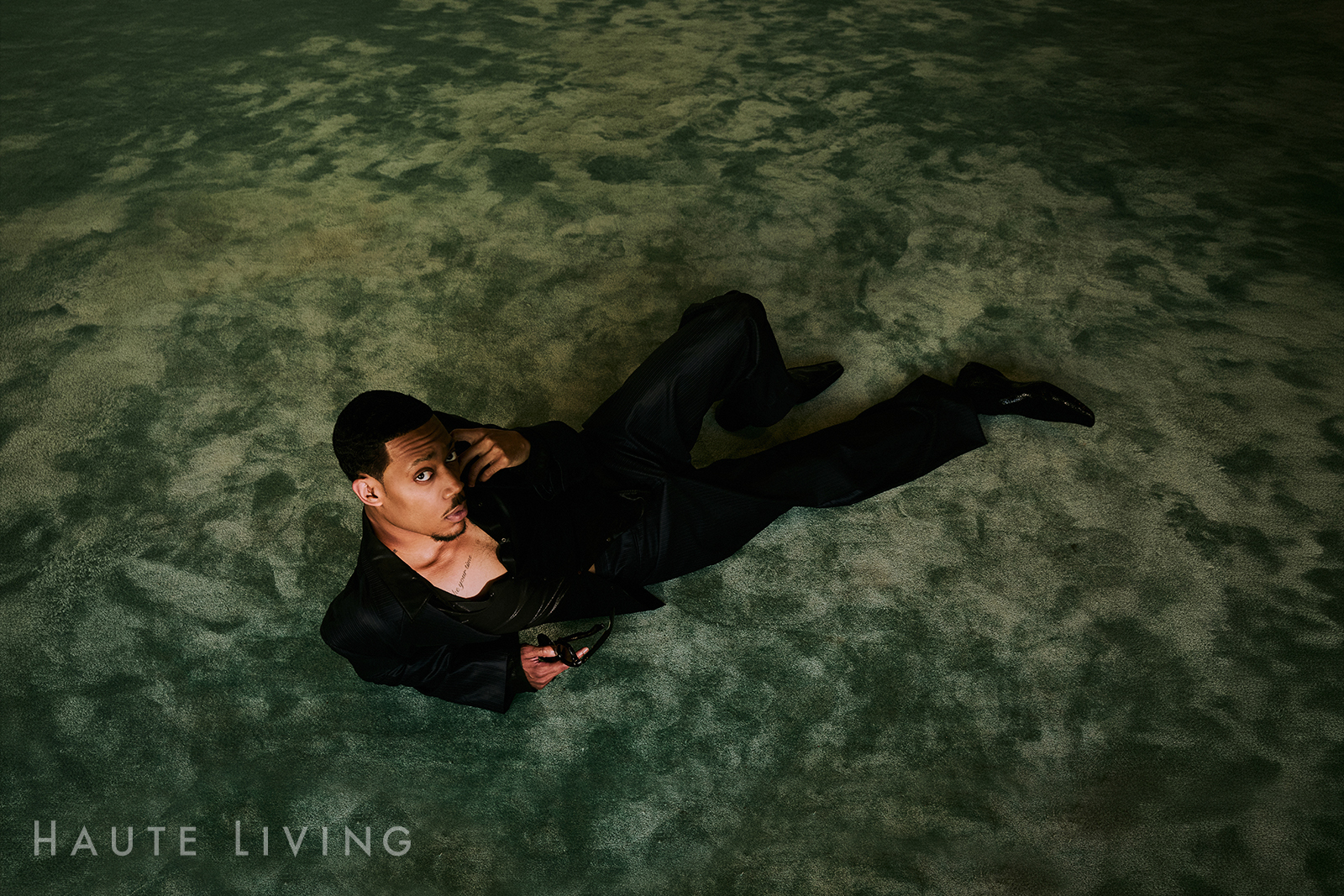
EYEWEAR: Jacques Marie Mage
RING: Brosway Italia
More cover stories from Haute Living: Everyone Thinks They Know Kawhi Leonard. They’re Wrong. Why Knicks Star Josh Hart’s Obsessions Are Exactly What Make Him Great, and The Secret PJ Washington Kept Beside His Bed for 20 Years.
Browse the full Haute Living Cover Story archive or explore more of Haute Living’s Los Angeles coverage.
Latest from Haute Living
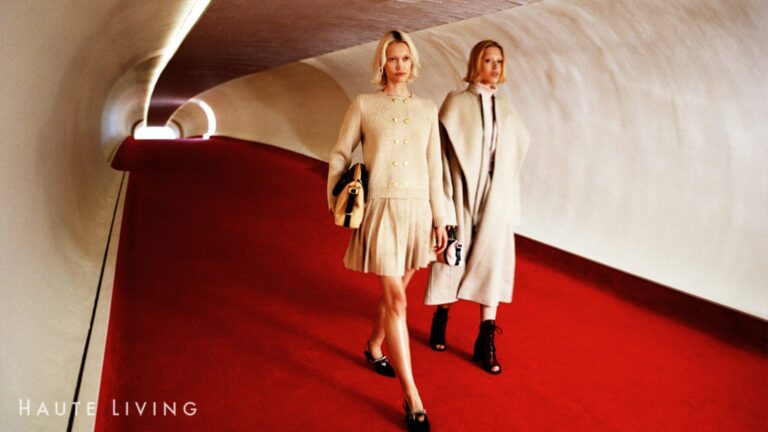
The Best Investment Cashmere Worth Buying This Season

Inside LDV Hospitality’s Most Stylish Venues for Holiday Celebrations in New York
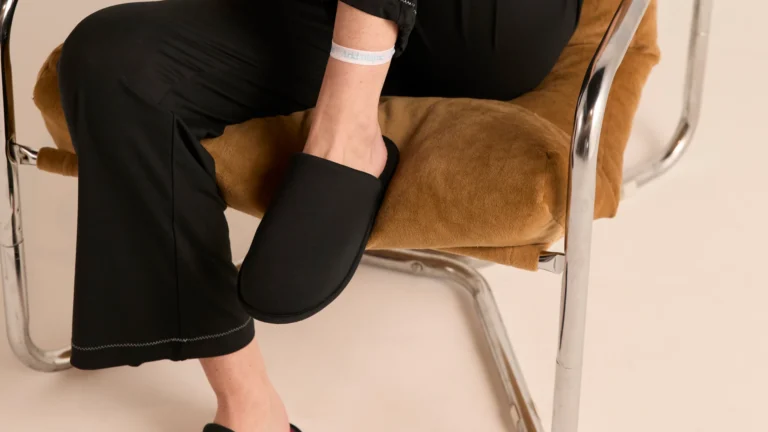
Arid Blayne’s New Slipper Brings Luxury Hotel Comfort Home