Cities as Brands: The Global Competition Shaping the Urban Future
Discover how cities like Singapore, Seoul, Dubai and Copenhagen are competing globally through technology, culture, sustainability and quality of life.
For centuries, the world’s most influential cities earned their reputations gradually. Their prominence was shaped by trade, geography, political power or cultural significance, often over the course of generations. Today, however, urban identity is no longer something that simply evolves. It is increasingly something that is deliberately designed.
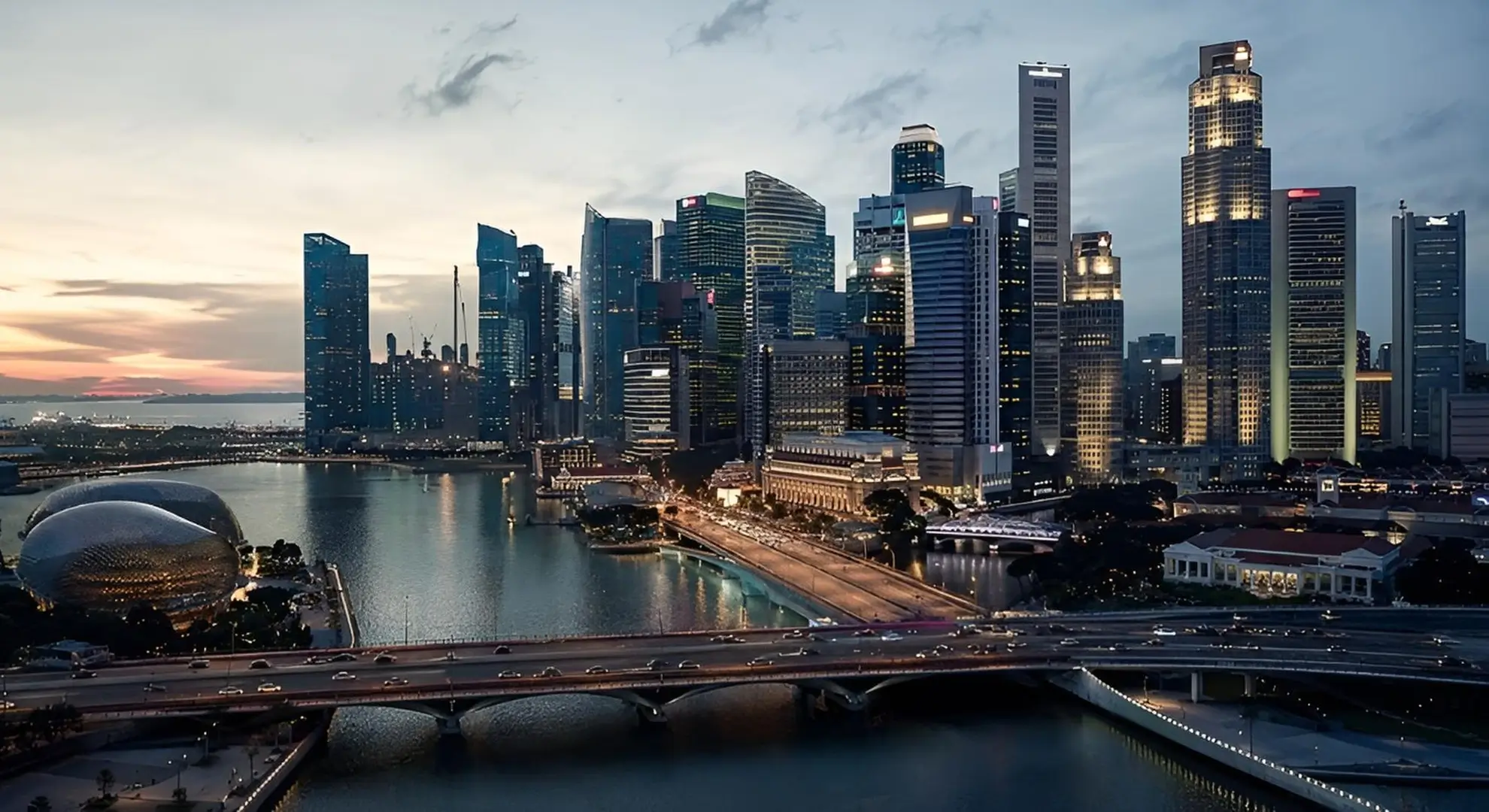
From Singapore to Seoul, Copenhagen to Dubai, governments are investing heavily in the idea of the city itself. Architecture, cultural institutions, sporting events, digital infrastructure and public spaces are no longer viewed solely as civic amenities. Together, they form part of a broader strategy to attract investment, talent, tourism and international recognition.
As capital and skilled professionals become more mobile, cities are competing on a global stage. The question is no longer which city is the largest or the wealthiest, but which offers the strongest combination of opportunity, innovation and quality of life. In many respects, cities have become brands, and their reputations have become strategic assets.
Technology and Liveability Go Hand in Hand
For much of the twentieth century, urban success was often measured by scale. Today, functionality is becoming equally important.
Cities are increasingly judged by how efficiently they operate, from digital government services and smart transport systems to environmental performance and public safety. Residents and businesses alike expect seamless digital experiences alongside reliable infrastructure and high-quality public services.
Singapore has long been recognised as a leader in smart city initiatives, while Tallinn has demonstrated how digital governance can simplify everyday interactions between citizens and government. Tokyo continues to combine technological sophistication with efficient public transport and high levels of urban resilience.
Across the Gulf, the UAE has also placed technology at the centre of its long-term development strategy. Investments in artificial intelligence, digital government services and smart infrastructure reflect a broader ambition to create cities that are not only globally connected but also increasingly efficient and adaptable.
The emphasis on technology illustrates an important shift. Urban competitiveness is no longer defined solely by physical infrastructure. It also depends on how effectively cities integrate innovation into everyday life.
The Experience Economy Is Reshaping Cities
The way people engage with cities is also changing.
Travellers increasingly seek experiences rather than simply landmarks. They are drawn to destinations that offer vibrant food scenes, cultural festivals, sporting events, entertainment districts and public spaces that encourage exploration.
This has prompted cities to think beyond traditional tourism.
Barcelona has become renowned for its public squares, waterfront and distinctive neighbourhoods. Seoul combines technology with an internationally influential cultural sector. Austin has built its reputation around live music and innovation, while Singapore continues to evolve as a destination for major international events and business tourism.
Beyond Skylines
The cities that are shaping the twenty-first century have recognised that global influence cannot be built through iconic buildings alone.
Long-term success increasingly depends on combining economic opportunity with cultural vitality, technological innovation, sustainability and a high quality of life. These elements reinforce one another, creating cities that are attractive not only to visitors but also to businesses, investors and future generations of residents.
Each reflects a different path, but together they illustrate a broader trend. The world’s leading cities are no longer competing solely on economic output or population size. They are competing on identity.
As this competition intensifies, the cities that thrive will be those that understand reputation is not built through a single landmark or headline event. It is earned through sustained investment in the qualities that make people choose to visit, to invest, to innovate and, ultimately, to stay.
Disclaimer: Written in partnership with APG.
Latest from Haute Living

Wagyu, Bacon Fat and Beeswax: The Wildest Old Fashioneds in New York Right Now
The Early Holiday Gift Guide 2026: The Best Luxury Gifts for Her & for Him
The 10 Best Steakhouses in New York City, From Old-Guard Icons to Kosher Wagyu