The Girlboss Is Dead. Here’s What Replaced Her.

There is a graveyard for cultural archetypes, the place where Lean In feminism goes to die alongside hustle culture, vision boards, and the idea that waking up at 5 a.m. is a personality. The girlboss has been buried there. And unlike most things the internet declares dead, this one actually is.
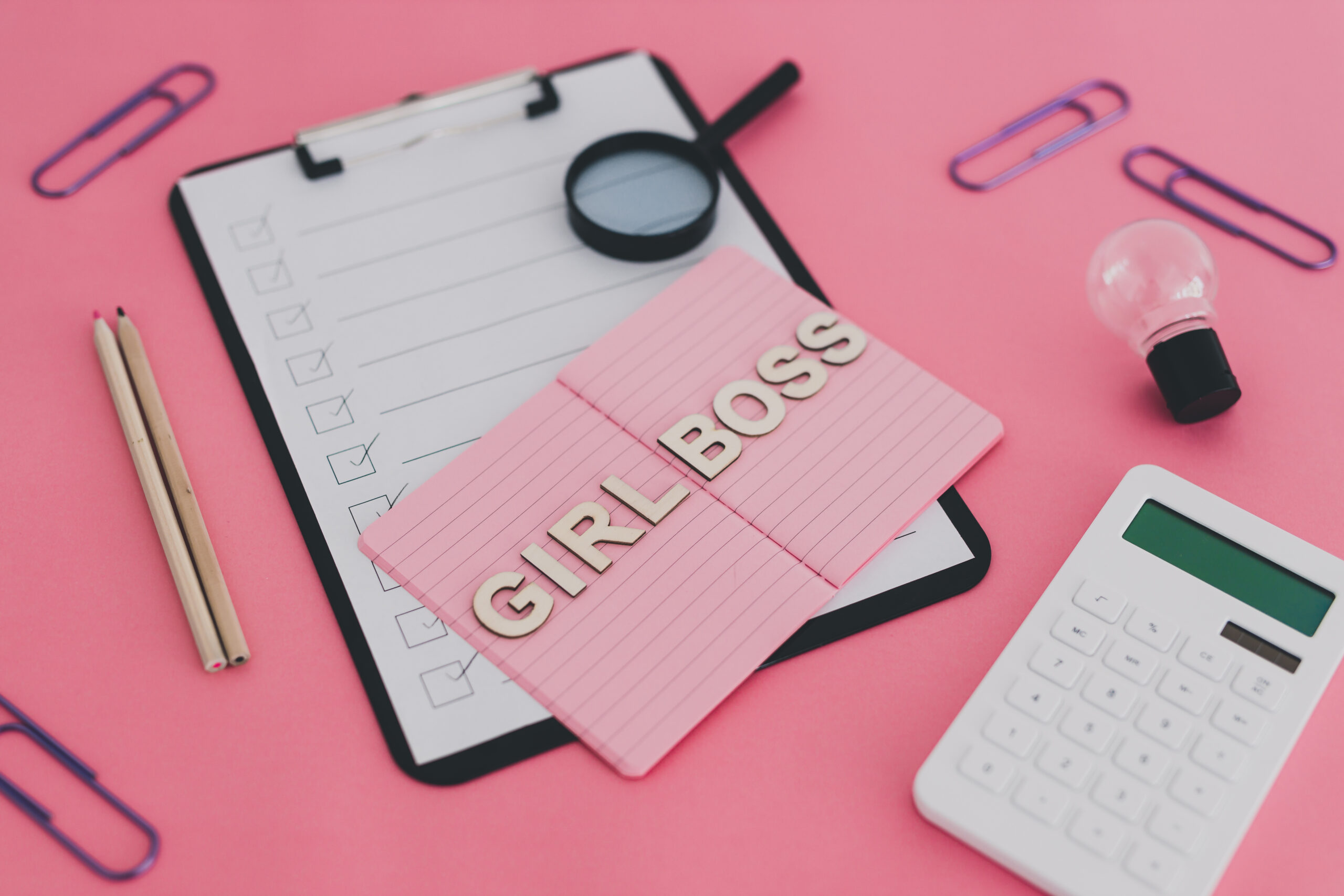
Not in the sense that women stopped being ambitious. That is not what happened at all. What died was something narrower and stranger: the idea that ambition had to look a certain way, perform a certain aesthetic, and come wrapped in millennial pink with a desk nameplate that said #GirlBoss on it. That version of success, the one that told a generation of women that suffering through a toxic workplace was just what empowerment felt like, has finally, mercifully, collapsed under the weight of its own contradictions.
Photo Credit: Shutterstock
The girlboss was born in 2014, when Sophia Amoruso published her memoir of the same name and turned the story of building Nasty Gal into a kind of founding myth for a certain kind of woman. She was ambitious, a little chaotic, not sorry about any of it, and building something on her own terms. The book hit a nerve, spawned a Netflix series, and became the template for a decade’s worth of branding.
For a few years, it worked as inspiration. Women who had spent their careers navigating rooms that weren’t built for them finally had a language for what they were doing. Corporate feminism, lean-in feminism, girlboss feminism, whatever you called it, it told women that ambition was good and visible, that taking up space in a boardroom was a radical act, and that the path to equality ran through the org chart.
The problem was what came next.
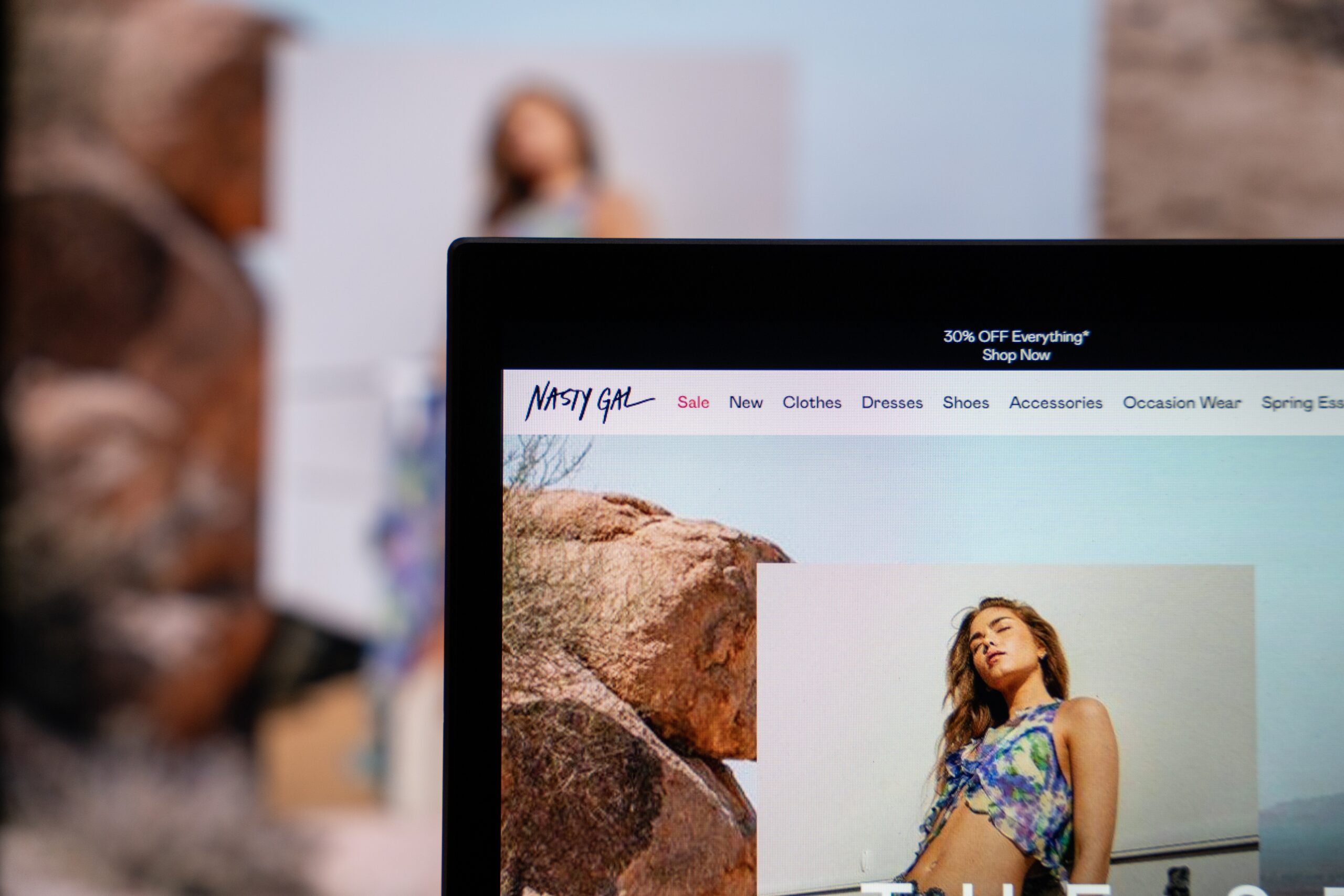 Photo Credit: Erman Gunes
The girlboss didn’t just rebrand hustle culture. She became it. The aesthetic of empowerment, the early mornings, the productivity hacks, the relentless performance of being someone who has it together, slowly detached itself from any actual critique of the systems women were navigating and became the system itself. The goal stopped being to change the workplace and started being to win at it, on terms the workplace had always set.
Then the memes arrived. “Gaslight, gatekeep, girlboss” began as a joke but it landed because it was true. Girlboss feminism had quietly become a competitive sport where women were encouraged to outmaneuver each other, then call it solidarity. The companies built on girlboss energy, Nasty Gal, Glossier, The Wing, Refinery29, started collapsing or imploding under allegations that the warm, feminist exterior had been concealing the same toxic dynamics women were supposedly fleeing. It turned out that replacing the bro with a blazer-wearing woman who sends inspirational Slack messages did not actually fix anything structural. It just rebranded the problem.
Gen Z didn’t reject ambition. They rejected the performance of it. The shift happened gradually and then all at once, in the language of quiet quitting, soft girl era, snail girl era, and a hundred other micro-trends that all said the same thing: visible hustle is not a flex anymore. The power move now is appearing to not be trying very hard.
Where millennial women were told that rest was failure and that burnout was just the price of having goals, Gen Z looked at that logic and chose differently. They watched the girlboss icons burn out, get ousted, or quietly walk back everything they had said about loving the grind. They watched women leave the workforce in record numbers, not because their ambition had evaporated, but because the infrastructure that was supposed to support their ambition never materialized. The flexible work, the affordable childcare, the equal pay, none of it arrived. What arrived instead was another productivity app and another women’s leadership webinar.
When the girlboss fell, she did not leave a single replacement. She left a mood board, and three very different aesthetics rushed in to fill it.
The first was the clean girl. Where the girlboss was loud, ambitious, and performatively stressed, the clean girl was dewy, understated, and performatively unbothered. Slicked-back hair, minimal makeup, a Stanley cup, a Pilates class. The aesthetic traded hustle for wellness, swapped the blazer for a linen set, and reframed doing less as its own kind of discipline. It was still aspirational, still curated, still a full-time performance, just one that looked effortless instead of exhausted. The grind did not disappear. It just got a better skincare routine.
The second was the soft life, which took the clean girl’s quietness and pushed it further into deliberate leisure. The soft life is afternoon naps, silk pillowcases, saying no to things that do not bring joy, and a general refusal to apologize for wanting comfort. On its surface it reads as a genuine and reasonable rejection of burnout culture. Underneath, it is still deeply aspirational, and still requires a certain amount of money and freedom to actually live, which is its own kind of unspoken gatekeeping.
The third, and most contested, is trad wife culture. Where the clean girl and soft life both technically maintained the girlboss’s independence, the trad wife dispensed with it entirely. She cooks from scratch, defers to her husband, raises children without a career, and films all of it in golden-hour light for a TikTok audience of millions. The sales pitch is that it is a radical rejection of feminist pressure, a reclaiming of domesticity on her own terms. The critique is that it is the girlboss’s mirror image: the same performance of an identity, the same aspiration sold as liberation, just with a sourdough starter instead of a startup.
What all three have in common is that they replaced the girlboss’s particular version of striving with a different aesthetic of ease. None of them are actually easy. They are just performing a different thing.
Here is the part nobody quite knows what to do with. Underneath all of these aesthetics, something quieter and more interesting is happening: women building businesses at the fastest rate ever recorded, with less performance and more actual work. According to The Digress, “women now account for 49% of all new businesses in the US, a 69% increase from 2019 to 2024, and new business applications were up 37% in January 2026 compared to January 2025, the largest year-over-year increase since 2021.” The same report found that “women-owned businesses have grown 43.5% faster than male-owned businesses over the past five years.” No millennial pink. No hashtags. No TED Talk about morning routines. Just building, which is what the girlboss always claimed to be doing, stripped of all the theatre around it.
The girlboss did not die because women stopped wanting things. She died because the version of wanting things she sold turned out to be a product, not a movement. She died because the companies she built, the aesthetic she inspired, and the feminism she claimed kept failing the women they said they were empowering. She died because a generation looked at the bill of goods and decided the price was too high.
What replaces her is still being figured out, across a hundred different aesthetics and lifestyle choices that are each, in their own way, a reaction to her. But the fact that we are figuring it out without a single hashtag telling us what empowerment is supposed to look like might be the most interesting thing that has happened to women and work in a very long time.
The best experiences are the ones you can’t book online. Unlock bespoke itineraries, private aviation, and VIP access at 500+ properties across 120+ countries through Haute Black — the exclusive platform built from 20 years of Haute Living’s extensive network. Become a Haute Black member today: [email protected].
Latest from Haute Living
Audemars Piguet Turns the Royal Oak Into High Jewelry—Exclusively Selling Them in Private
David Yurman Goes Pop for the Whitney’s Roy Lichtenstein: Like New Exhibition

Anthony Vaccarello is Leaving Saint Laurent After 10 Years—Here’s Who Could Replace Him