The Ritz-Carlton, Kyoto: A Sanctuary Where Ancient Japan Meets Modern Luxury
Experience timeless luxury at The Ritz-Carlton, Kyoto with immersive cultural moments, riverside serenity, and refined Japanese hospitality.

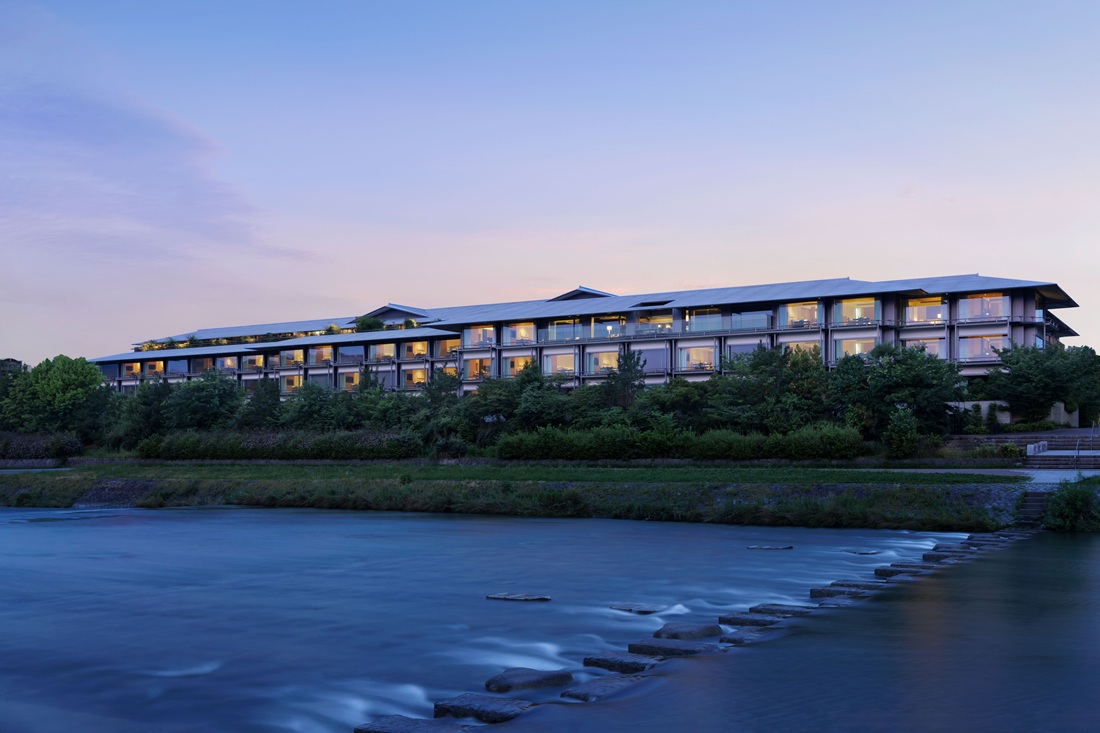
Along the tranquil banks of Kyoto’s Kamogawa River, where the flowing water reflects the changing seasons and the Higashiyama mountains frame the horizon, a quieter version of luxury unfolds. At The Ritz-Carlton, Kyoto, luxury is not defined by spectacle or excess—it is found in stillness, craftsmanship, and the art of creating meaningful moments. Nestled in the heart of Japan’s cultural capital, the property delivers an experience deeply rooted in Kyoto’s history while elevating every detail through contemporary sophistication.
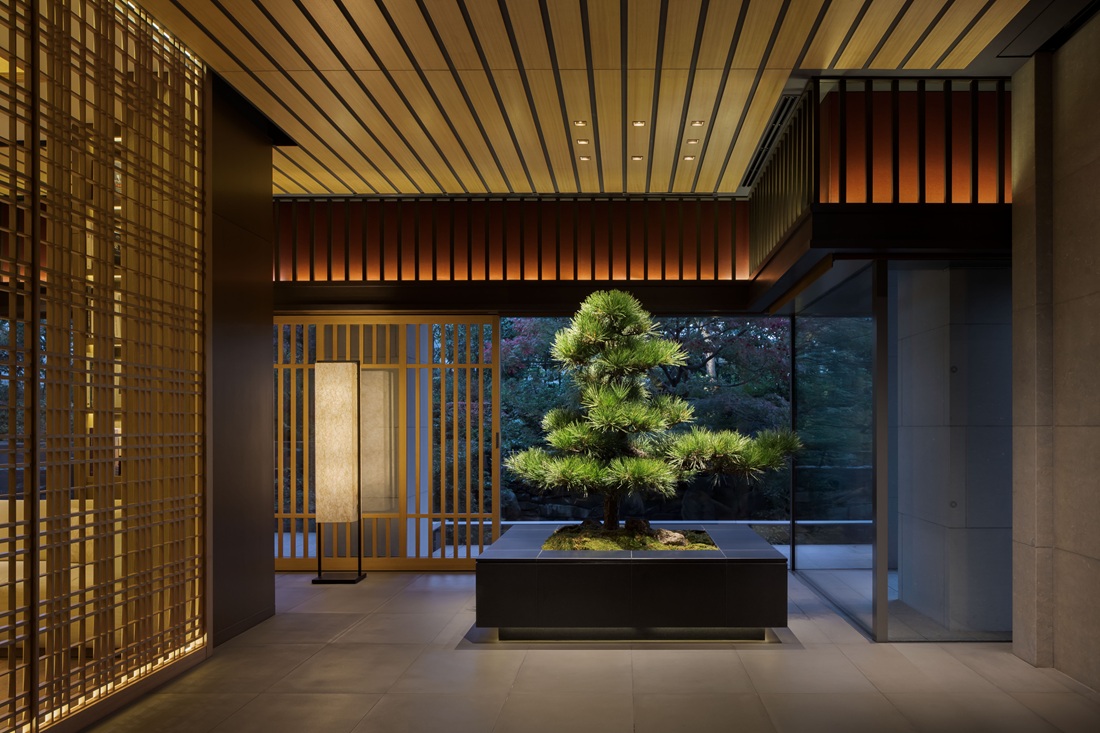
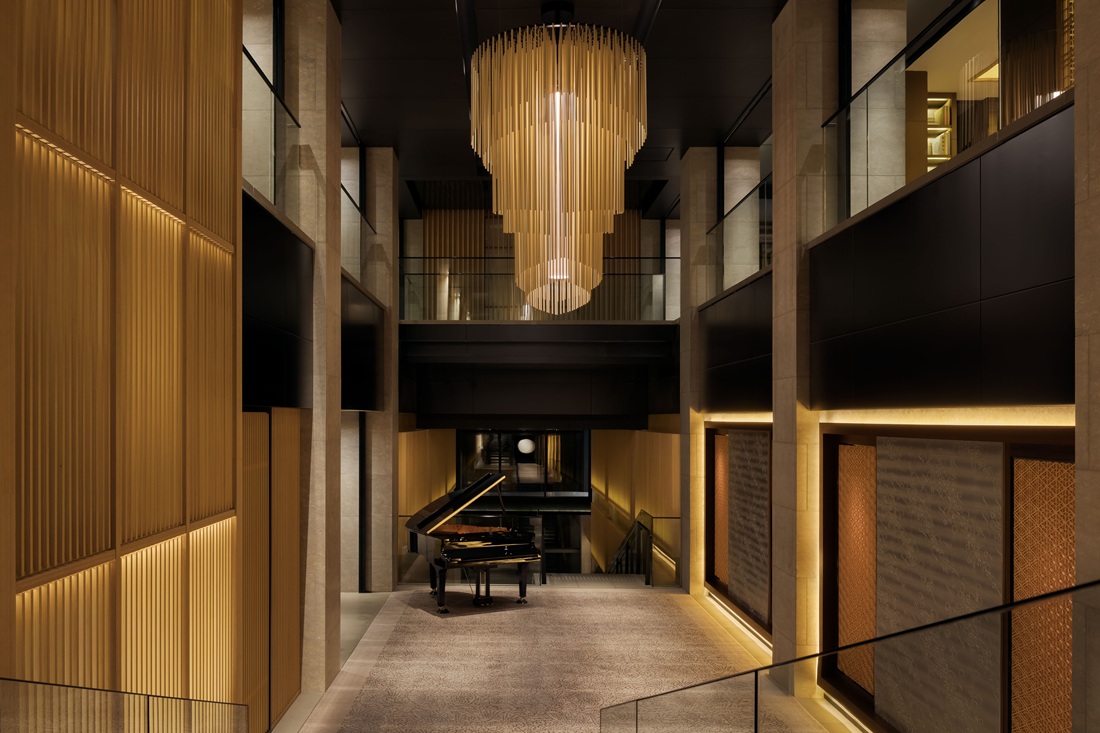
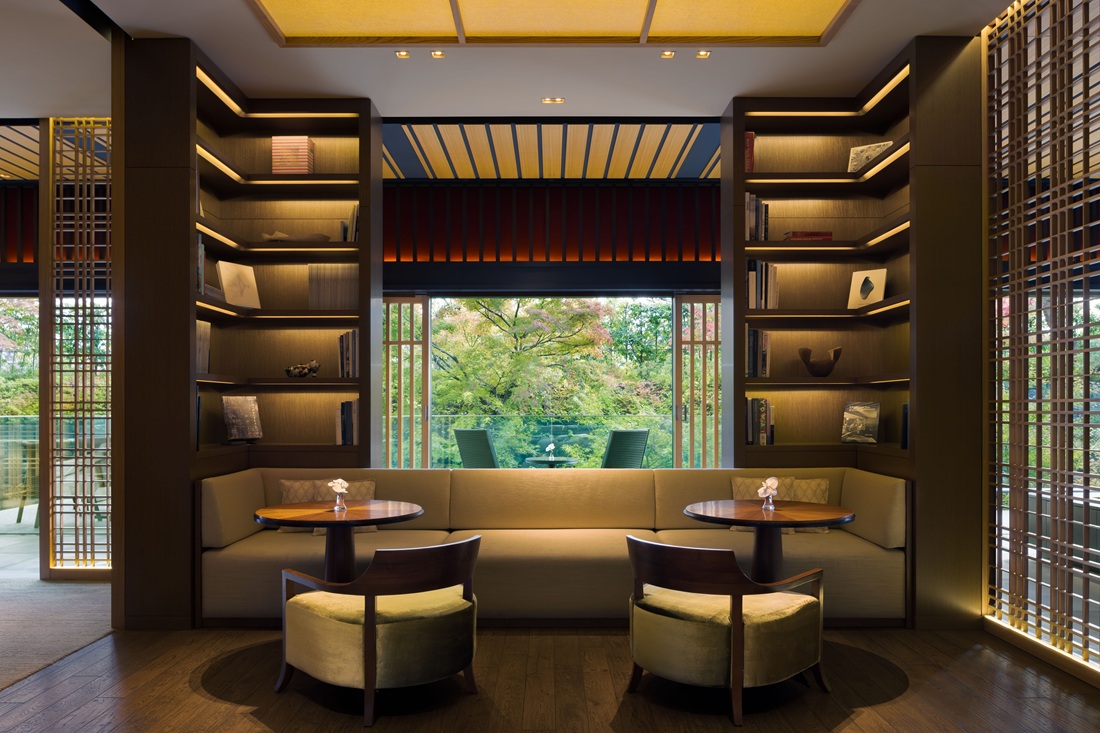
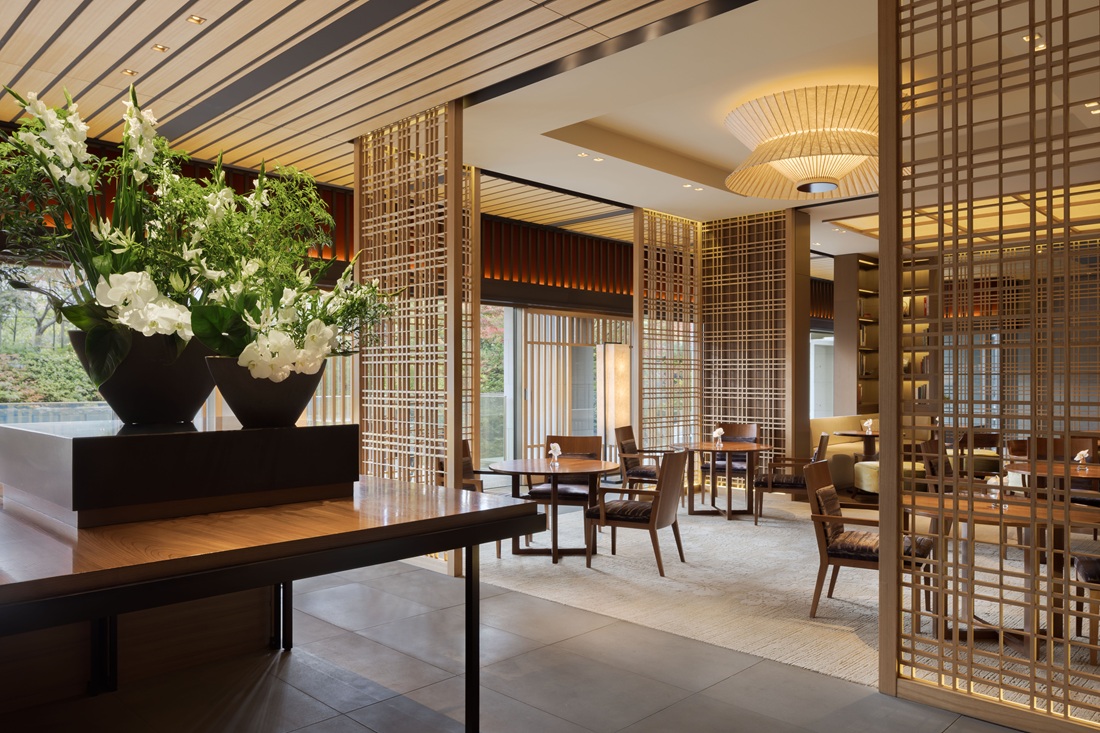
From the moment guests arrive, the hotel feels less like a traditional resort and more like a carefully curated cultural retreat. Opened in 2014, The Ritz-Carlton, Kyoto was designed to honor the city’s architectural and artistic heritage. Inspired by traditional machiya townhouses and the refined hospitality of Japanese ryokan, the hotel seamlessly merges ancient influences with modern luxury. Throughout the property, warm woods, textured fabrics, handcrafted details, lacquer artistry, and symbolic Japanese patterns create an atmosphere that is immersive and quietly elegant.
Its location places guests at the center of Kyoto’s rich cultural landscape. Situated along the Kamogawa River, the hotel provides access to some of the city’s most celebrated landmarks, including Kiyomizu-dera, Fushimi Inari Shrine, and Kyoto’s famed geisha districts. Yet despite being moments away from the city’s vibrant energy, the property feels worlds apart—offering a riverside sanctuary where guests can retreat and reconnect.
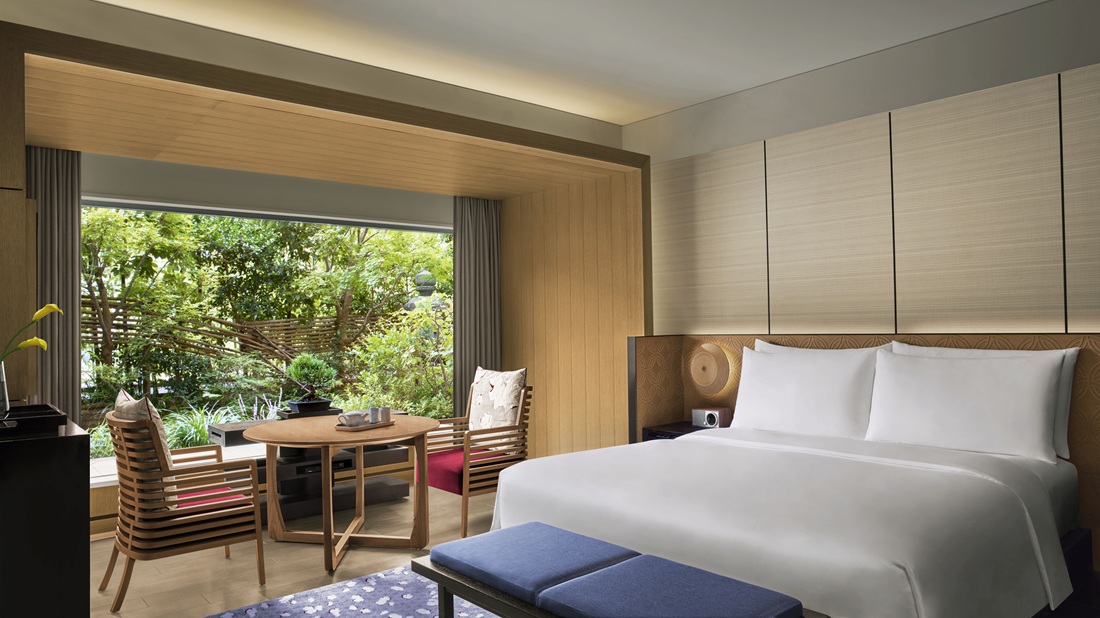
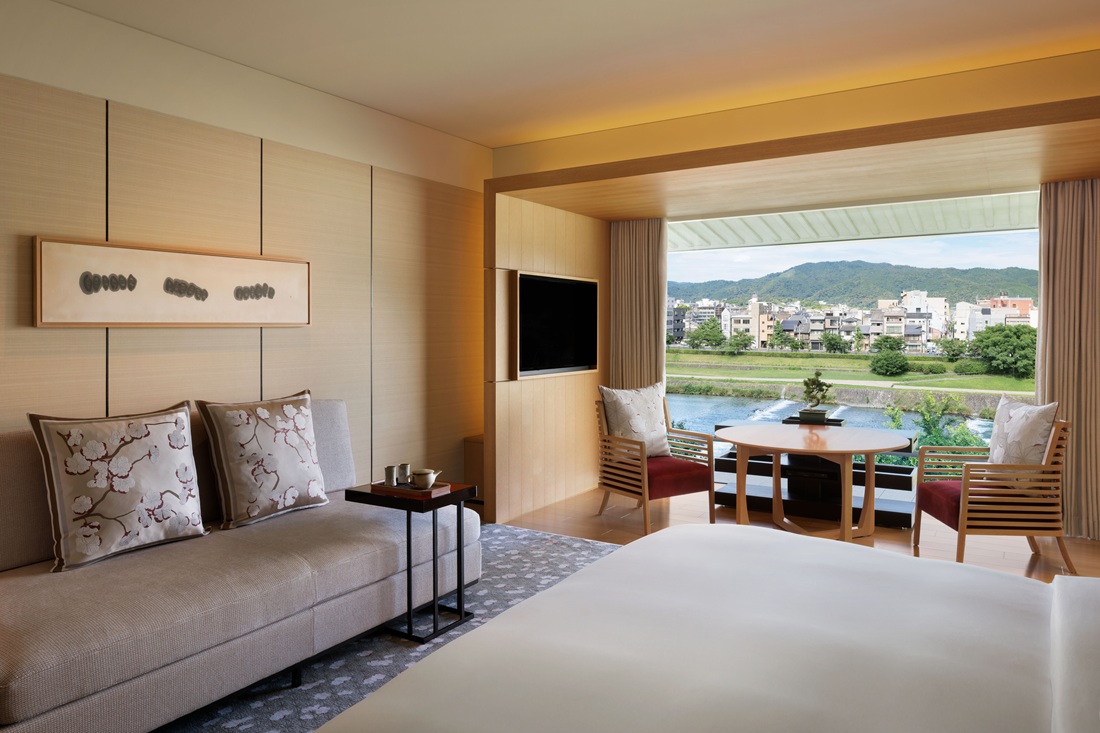
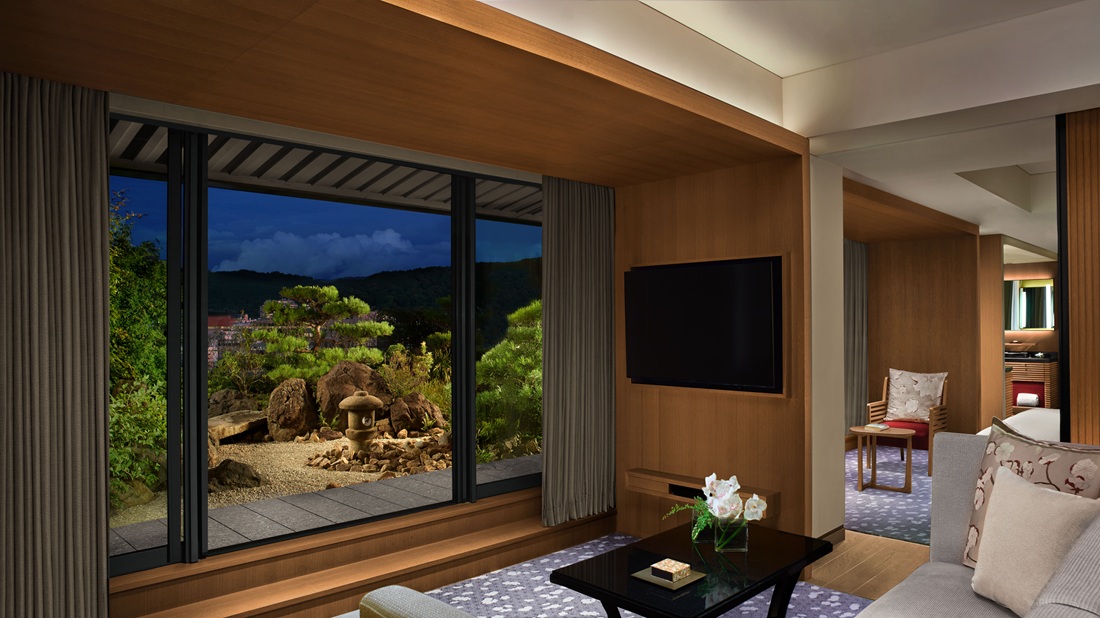
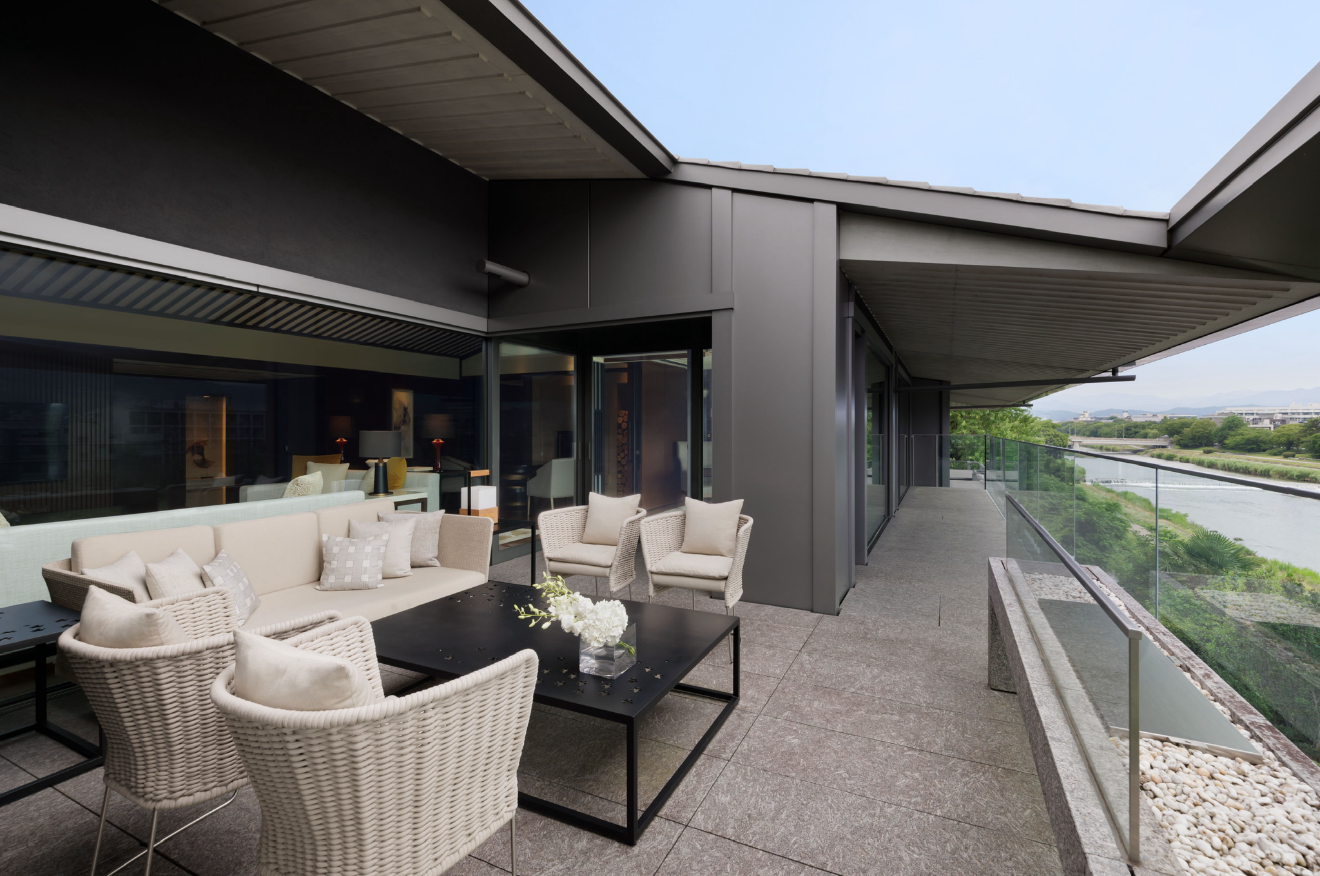
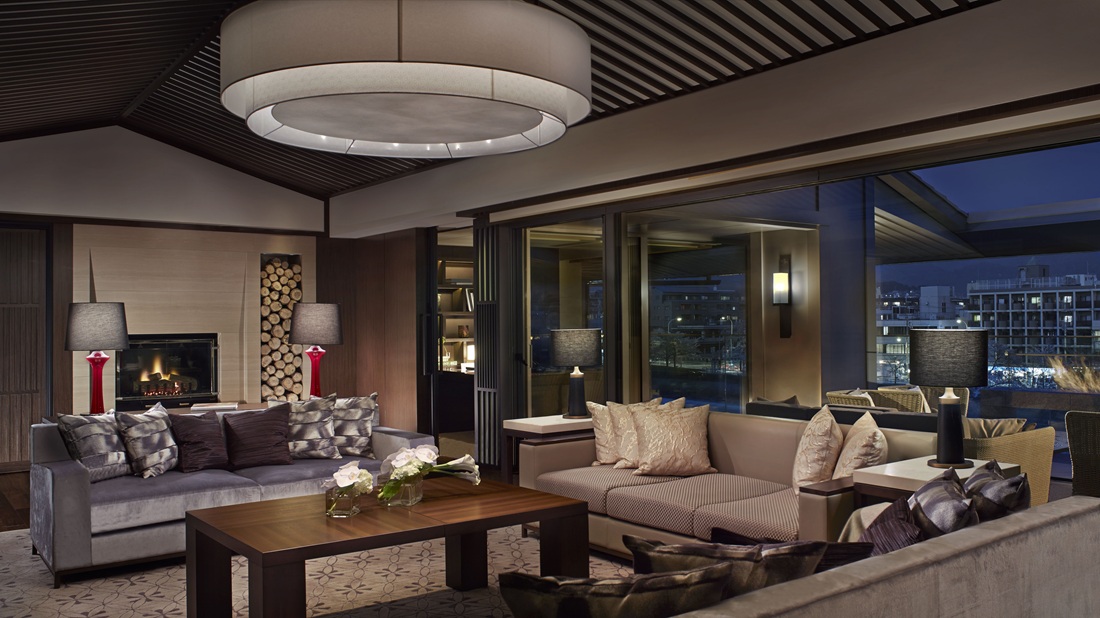
The accommodations continue this narrative of serenity. With thoughtfully designed guest rooms and suites overlooking gardens, courtyards, city views, or the river, every space reflects an understated approach to luxury. Suites such as the Kamogawa Suite, Tsukimi Suite, and the expansive Ritz-Carlton Suite feature spacious layouts, private terraces, and panoramic views that invite guests to slow down and experience Kyoto at a different pace. Traditional design inspiration is woven throughout, creating spaces that feel deeply connected to place while remaining distinctly modern.
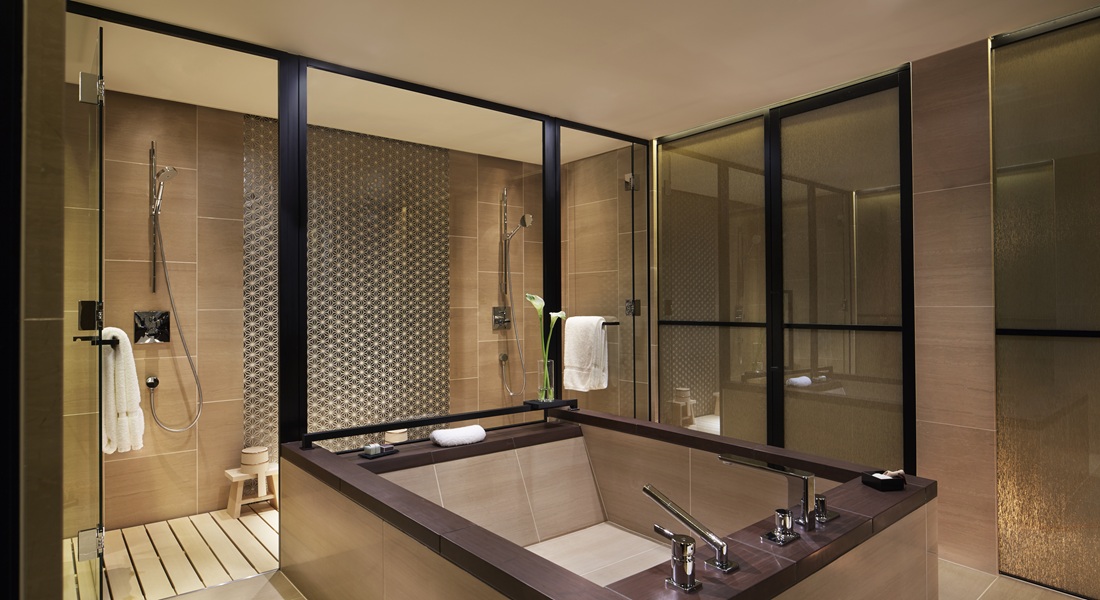
I fell in love with the room almost immediately. It had a warmth that made it feel less like a hotel suite and more like a peaceful retreat. The thoughtful details made all the difference—from the cozy kimonos tucked neatly into the closet to quiet moments spent making tea in the room and sipping it from beautiful ceramic cups that made the experience feel uniquely Japanese. The lacquered finishes, warm wood details, and understated design created a space that felt both refined and incredibly inviting. My favorite part, however, was the floor-to-ceiling windows framing the river below. I could have spent hours sitting there, watching the changing light dance across the water and taking in Kyoto’s quiet rhythm unfolding outside, perfectly content doing absolutely nothing at all.
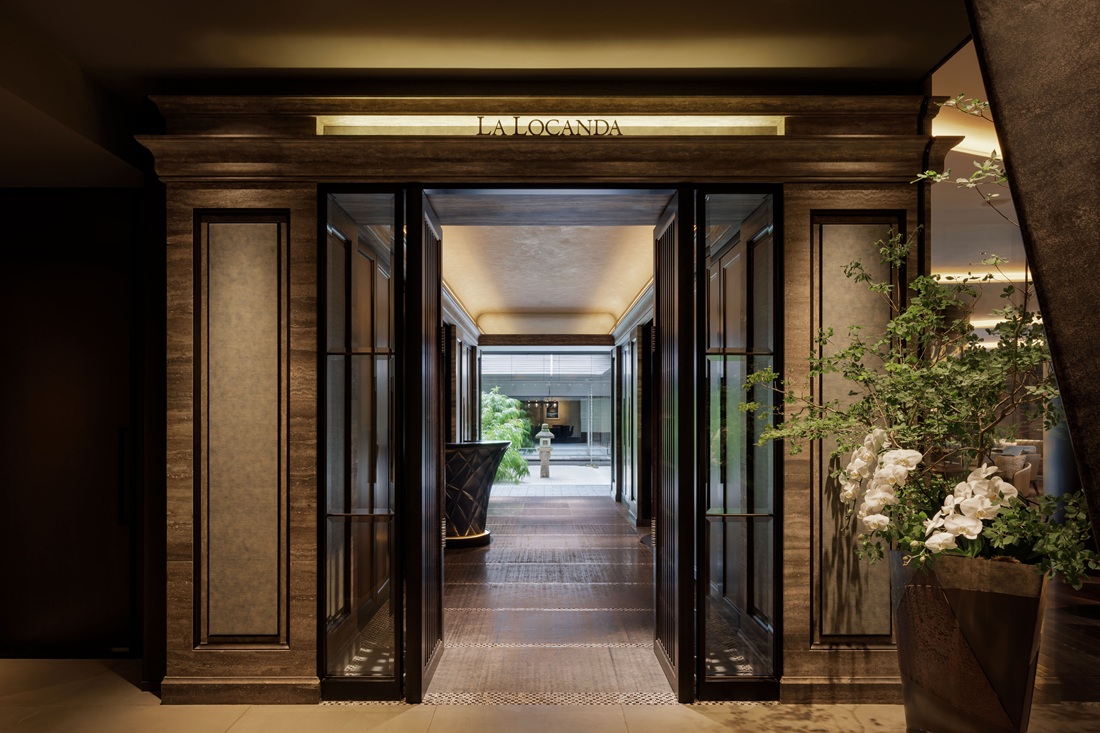
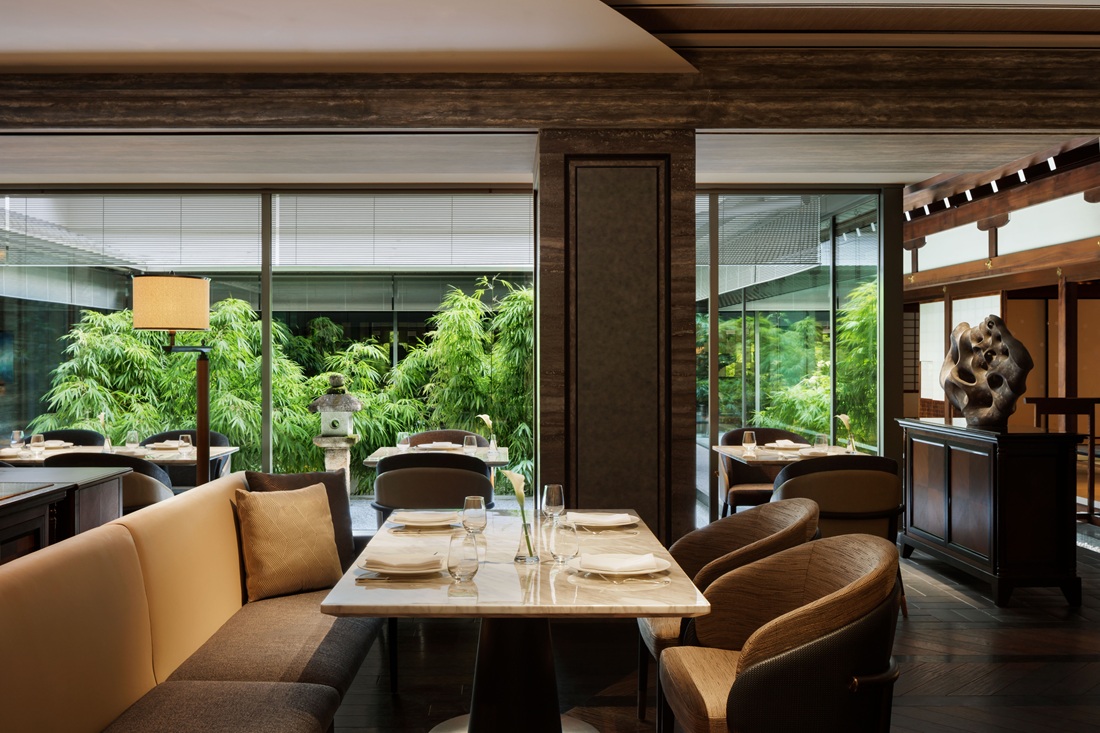
The culinary offerings are equally immersive, transforming dining into a journey through Japanese and international flavors. At Mizuki, guests experience Kyoto’s celebrated gastronomy through kaiseki, sushi, tempura, and teppanyaki, while La Locanda creates a dialogue between Italian cuisine and Japanese influence.
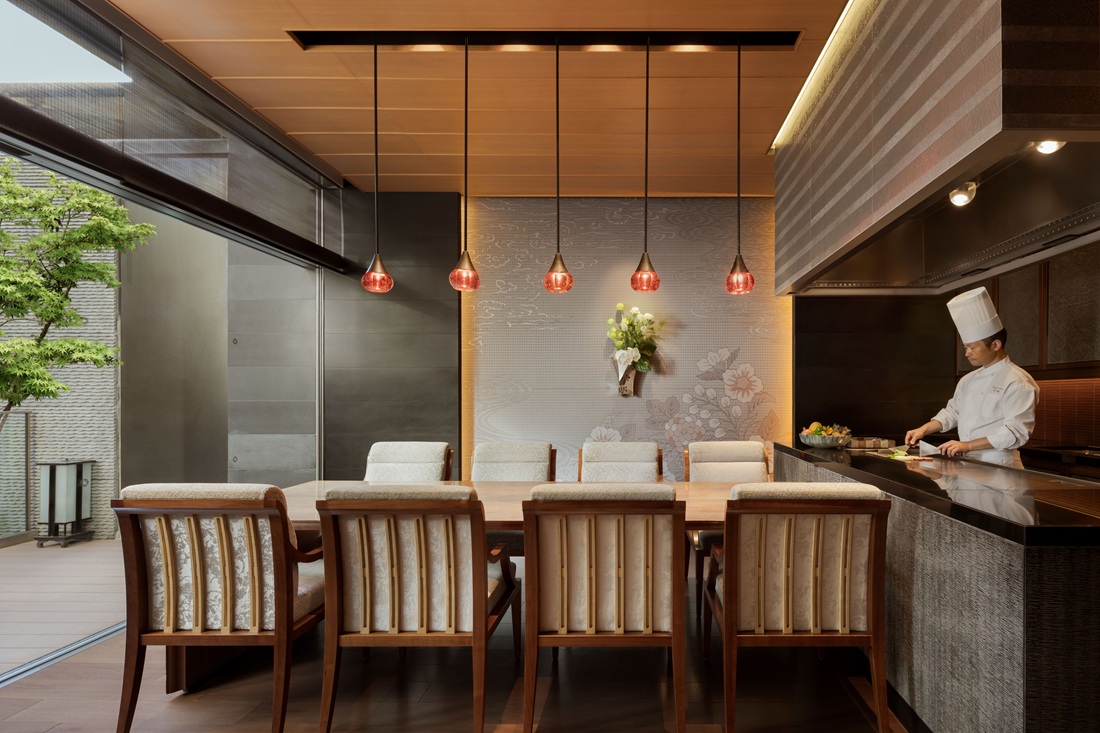
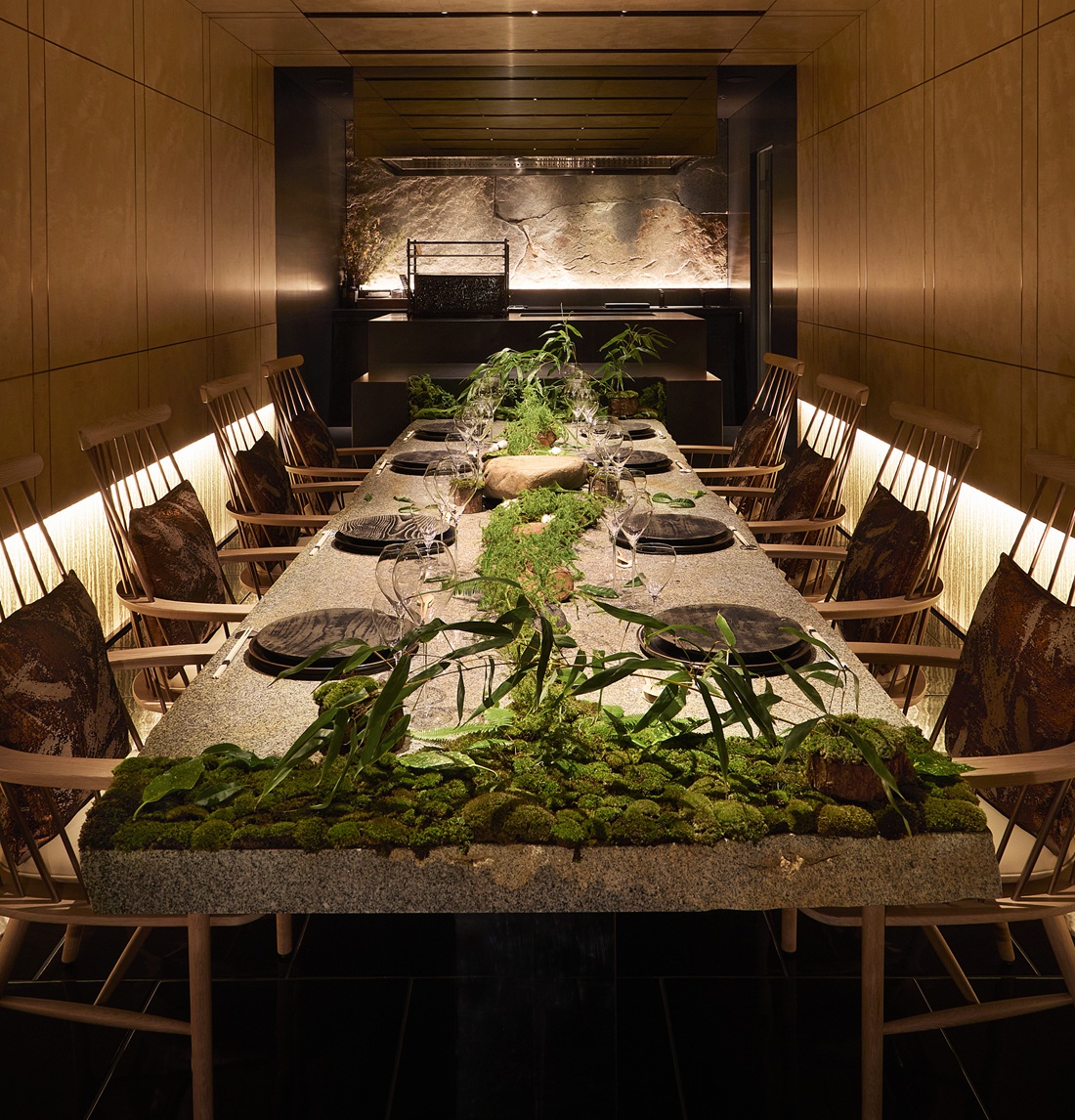
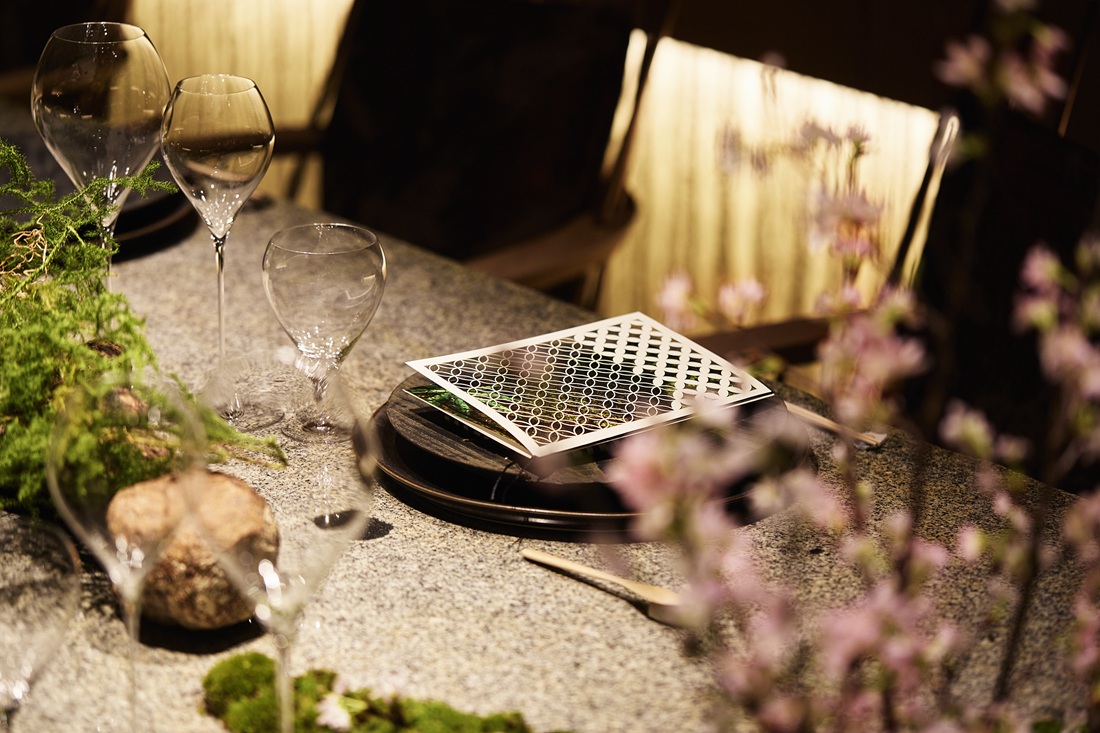
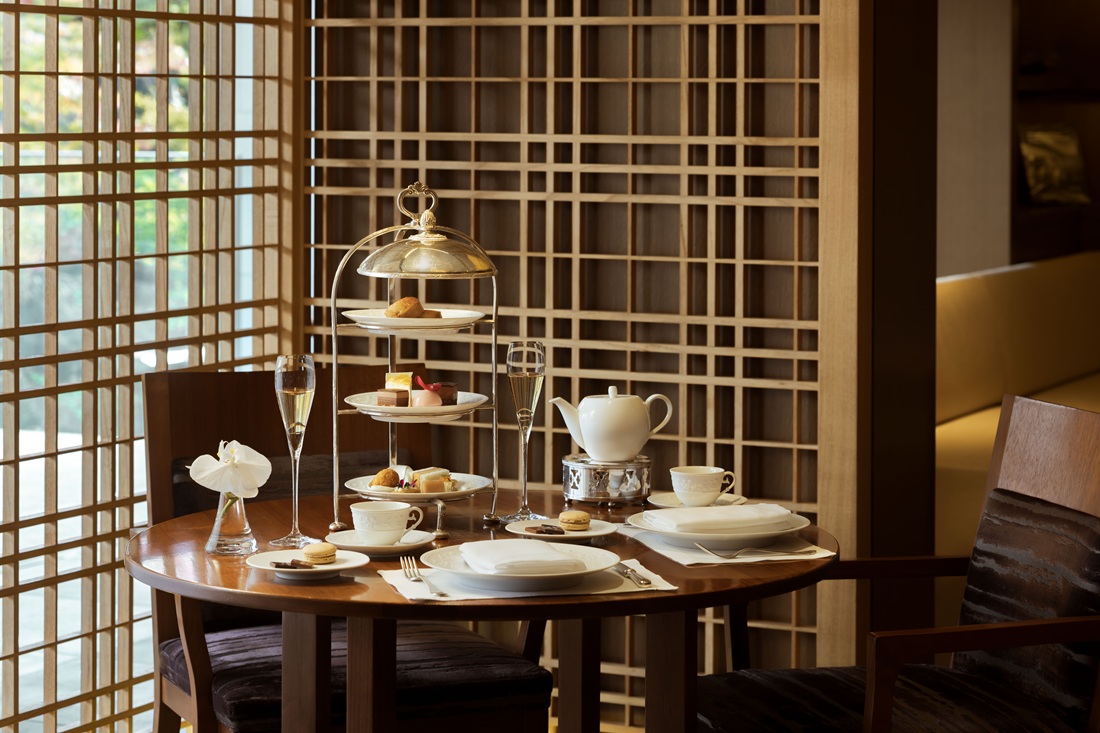
Afternoon tea at The Lobby Lounge featuring Pierre Hermé Paris creations has become a destination of its own, while Chef’s Table by Katsuhito Inoue presents an intimate culinary experience inspired by Japan’s seventy-two micro-seasons and locally sourced ingredients.
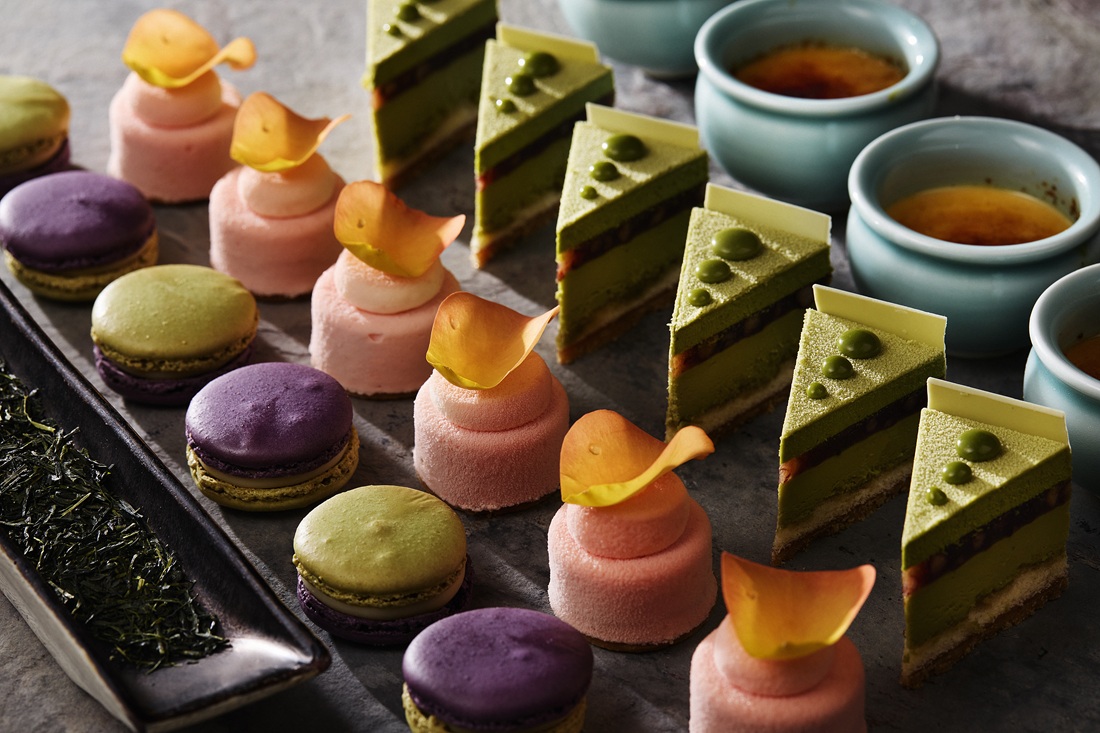
Breakfast quickly became one of my favorite rituals of the day. Guests can choose between a beautifully prepared Japanese breakfast or an international option, and both felt equally special in their own way. The Japanese breakfast offered a thoughtful introduction to local flavors and traditions, while the international menu delivered all the comforts one could crave, executed with the same level of care and refinement. And then there were the pastries—particularly the buttery croissants by famed French pastry chef Pierre Hermé. Perfectly flaky and indulgent, they somehow made slow Kyoto mornings feel even more memorable.
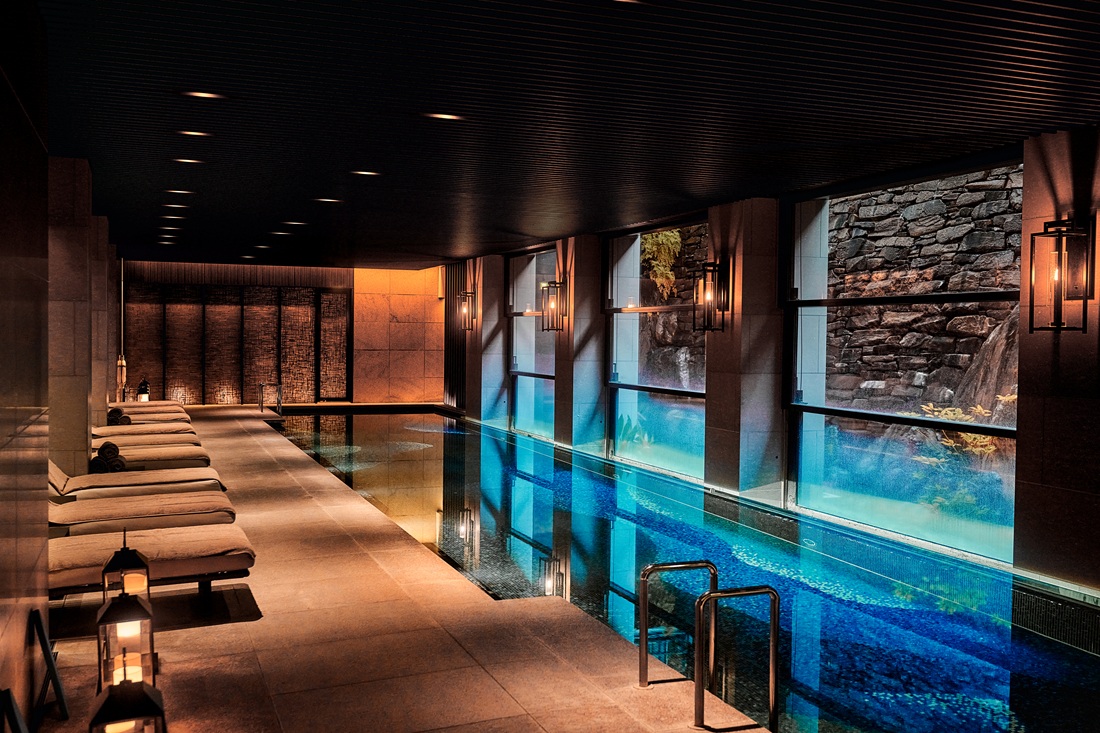
Beyond dining and accommodations, wellness and cultural immersion become central to the guest experience. The hotel’s La Prairie Spa—the only La Prairie hotel spa of its kind in Asia—provides a sanctuary dedicated to restoration and renewal.
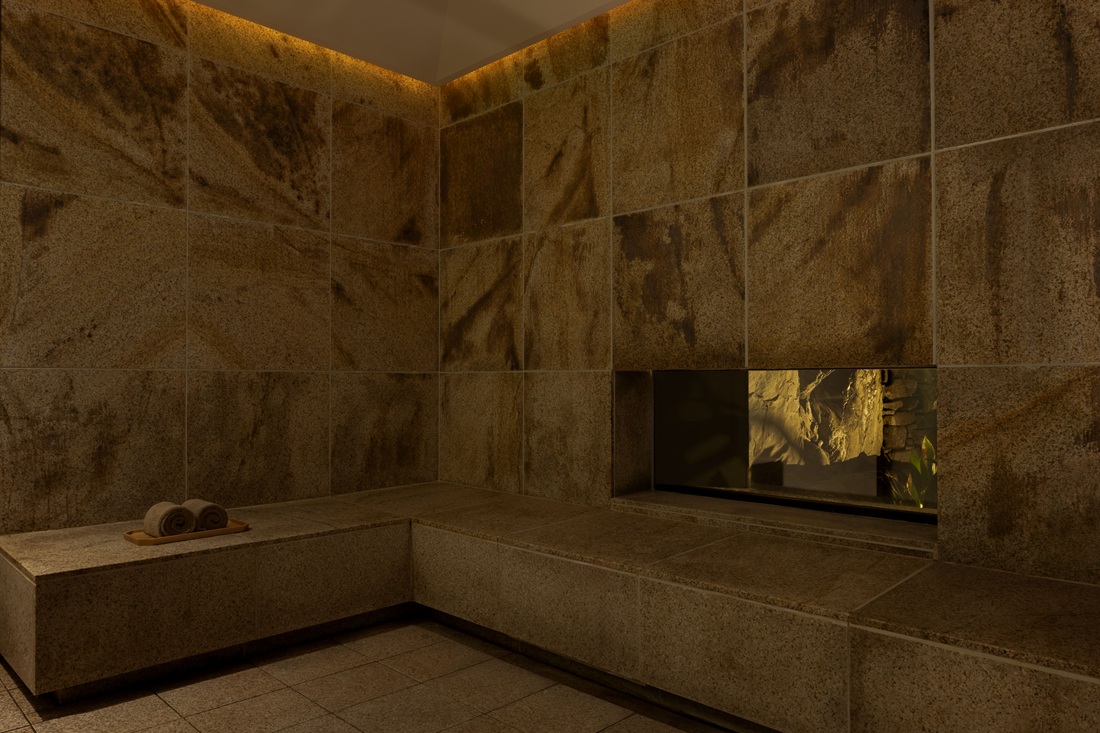
Yet what truly distinguishes The Ritz-Carlton, Kyoto are its thoughtfully curated experiences, designed not merely as activities, but as gateways into Kyoto’s living traditions.
Kyoto is a city where history and culture are inseparably intertwined, and where master artisans have preserved centuries-old traditions with extraordinary precision. To elevate each stay, The Ritz-Carlton, Kyoto has curated an exclusive collection of bespoke experiences that allow guests to move beyond sightseeing and step into the rhythm of the city itself.
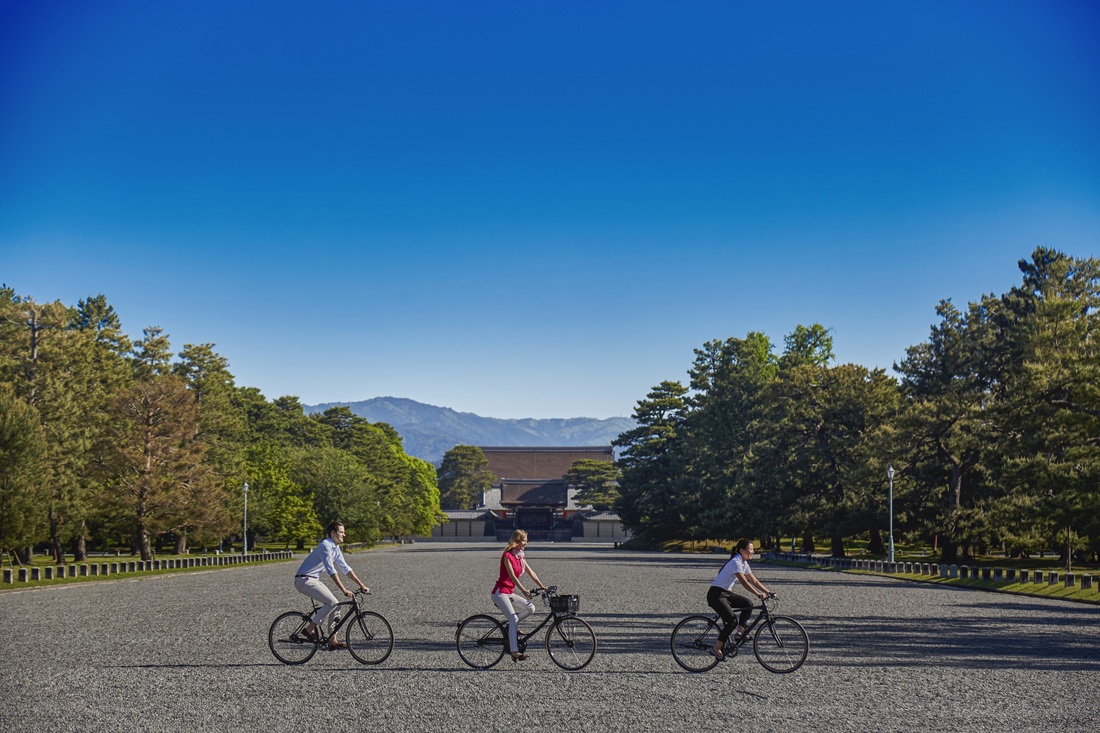
The property’s cycling experiences offer one of the most intimate ways to understand Kyoto. Guided routes reveal different perspectives of the city—from rides through the historic streets of Gion and scenic paths along the Kamogawa River to journeys past the iconic red torii gates of Fushimi Inari Shrine and culturally significant landmarks including the Kyoto Imperial Palace and Shimogamo Shrine. Adventure, Discovery, History, Sunset, and Kamogawa cycling routes each uncover a different layer of Kyoto, from hidden temples and riverside paths to neighborhoods suspended in time.
For guests seeking nature and panoramic views, the Hike Kyoto experience journeys toward Mt. Daimonji, where trails lead beyond the city and reveal breathtaking views overlooking Kyoto’s landscape. The experience offers a refreshing perspective and a deeper appreciation for the natural beauty surrounding Japan’s ancient capital.
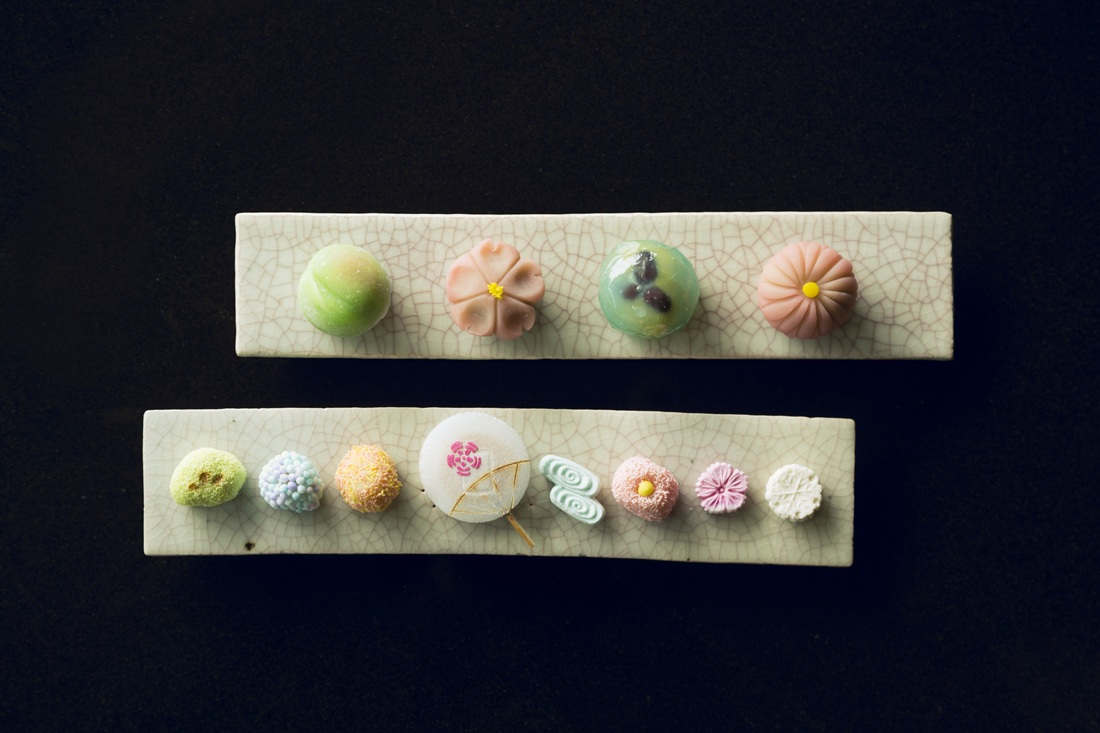
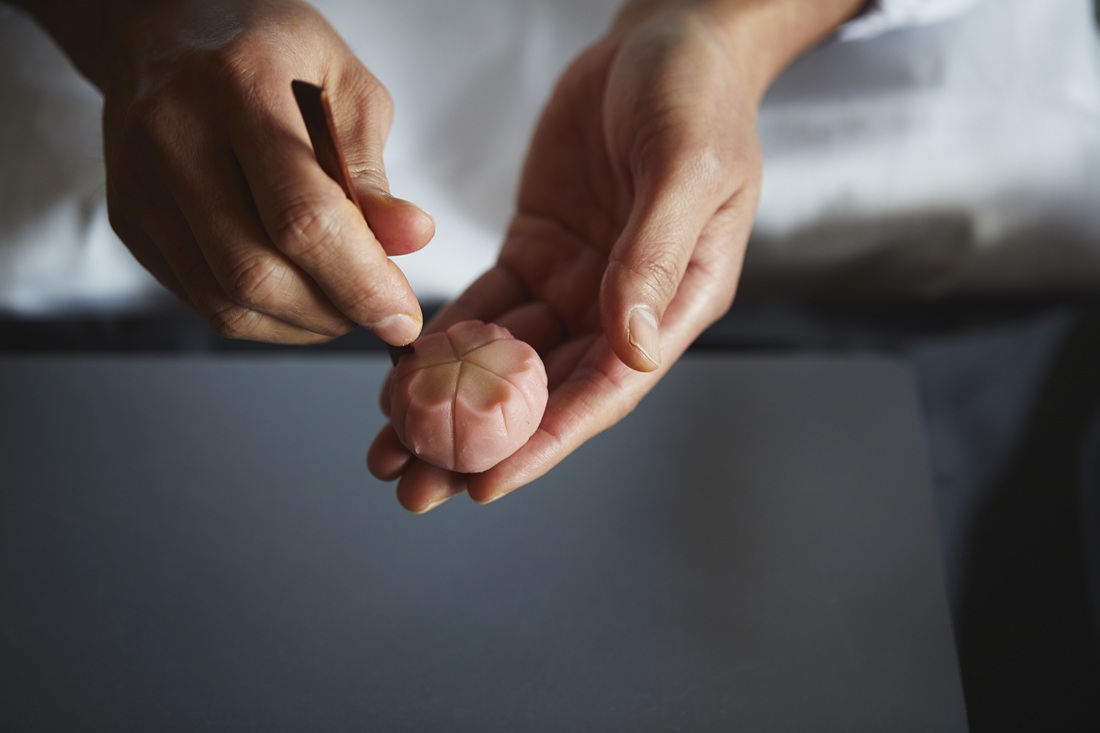
Artisan workshops further immerse guests in Kyoto’s devotion to craftsmanship. Traditional Kyo-Karakami paper experiences introduce centuries-old woodblock printing techniques, while Origami and Play workshops celebrate Japan’s artistry through paper folding traditions enjoyed by guests of all ages. Japanese Dance classes provide an introduction to elegant movements passed down through generations, while Japanese sweets workshops invite guests to create delicate seasonal wagashi confections traditionally served alongside matcha tea.
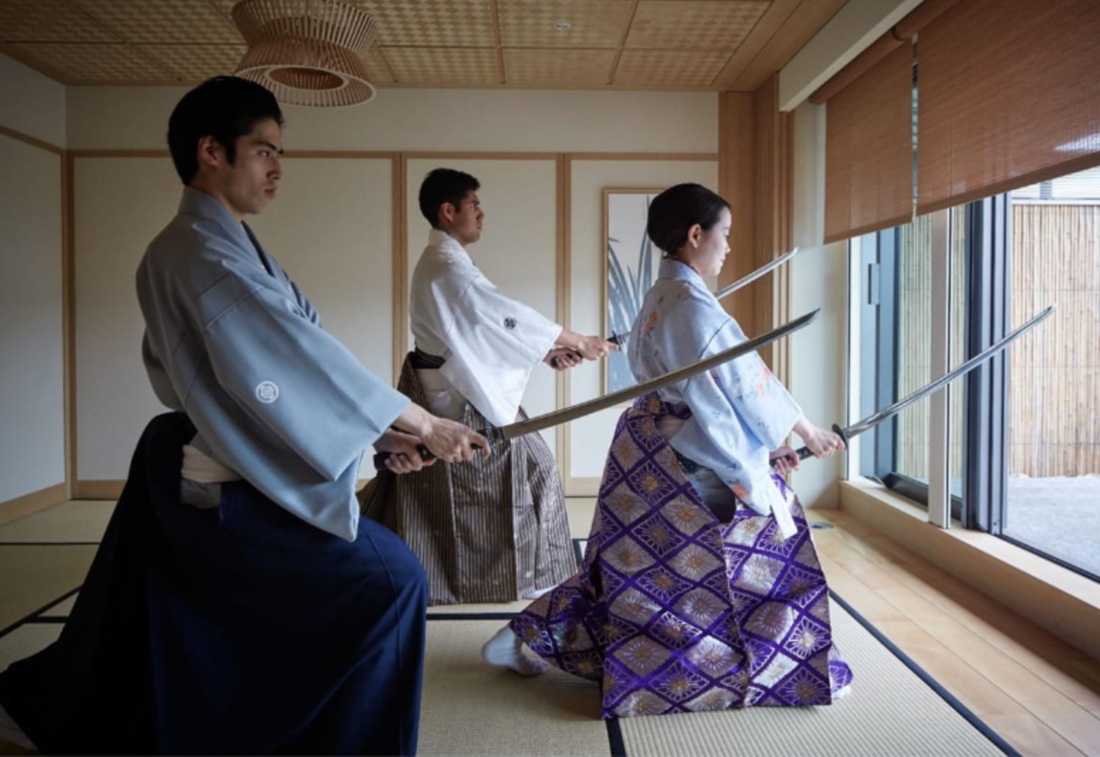
History and heritage come to life through immersive cultural experiences. Guests can dress in traditional kimono and stroll Kyoto’s historic streets before boarding a classic rickshaw ride through neighborhoods that have remained remarkably unchanged for generations. For those drawn to Japan’s warrior traditions, the Samurai Experience offers instruction in Kenbu sword dance, complete with traditional costume, authentic swords, and performances by masters of the art.
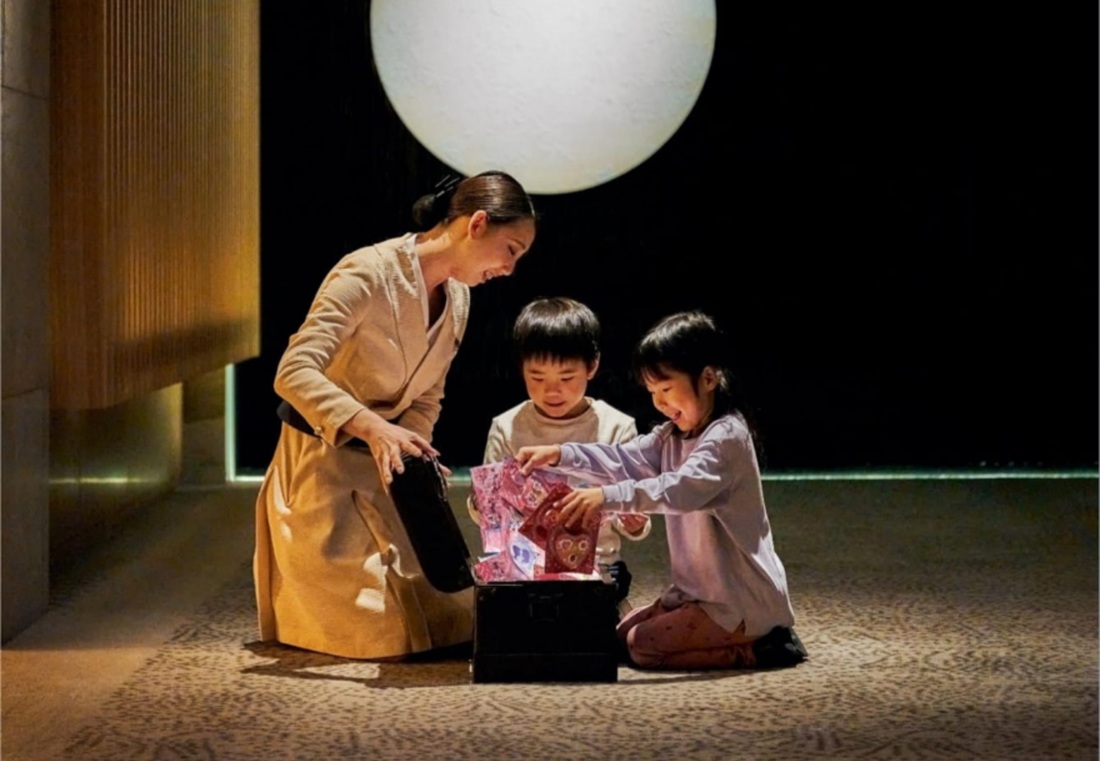
The property also thoughtfully extends its cultural experiences to younger travelers through Ritz Kids Treasure Hunt, transforming the hotel itself into an adventure filled with hidden discoveries inspired by traditional Japanese storytelling.
During our stay, we experienced one of the hotel’s most memorable offerings: the Morning Chanting Experience, and it became far more than a scheduled activity—it became one of those rare travel moments that stays with you long after returning home.
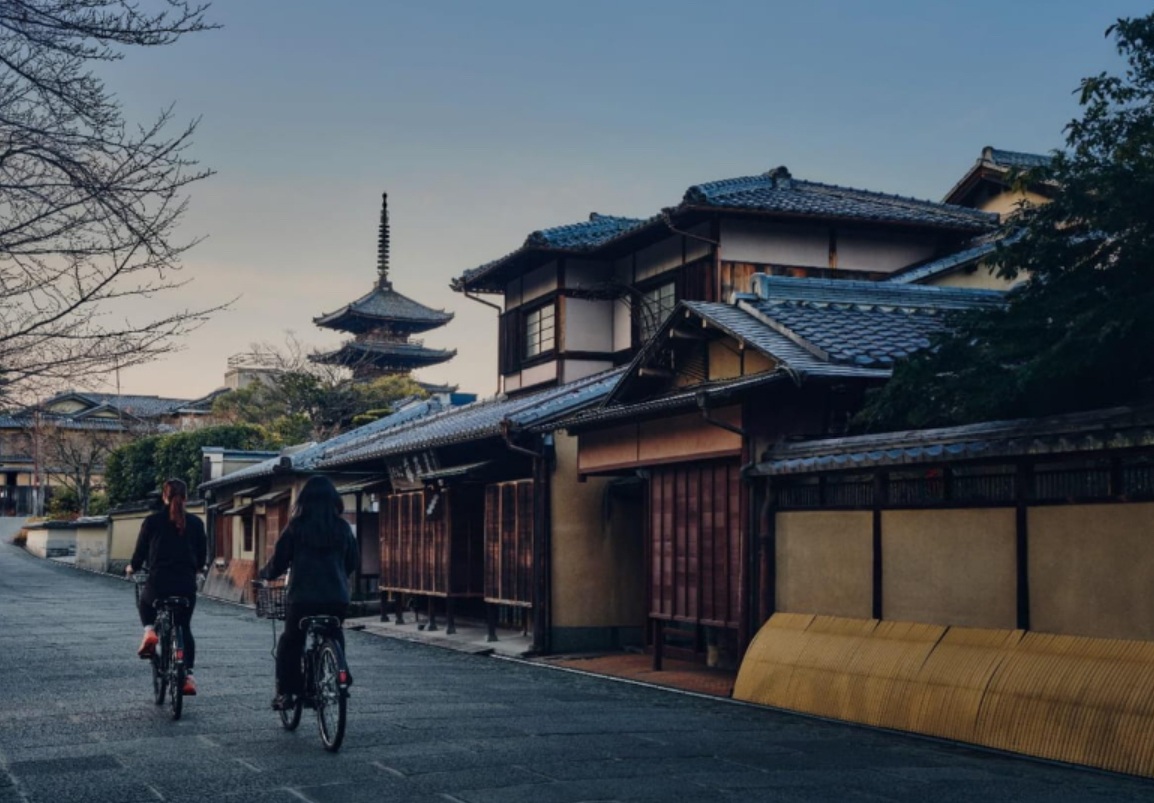
Just the two of us set out at sunrise, cycling through Kyoto’s quiet streets as the city slowly awakened around us. The soft morning light and stillness created an entirely different perspective of Kyoto—peaceful, intimate, and almost untouched. Riding through the empty streets toward the temple felt less like an excursion and more like a personal journey into the soul of the city.
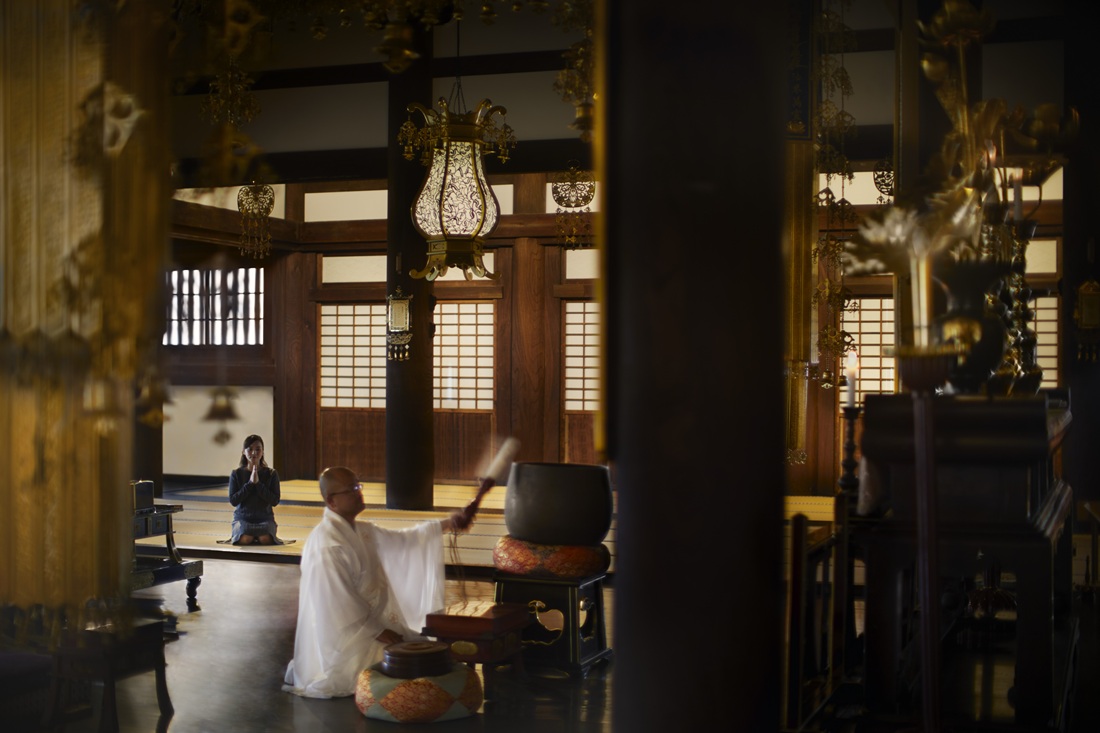
As we arrived, we were welcomed into an intimate temple setting where a monk guided the morning chanting ceremony while the soothing sound of singing bowls drifted peacefully through the grounds. The quiet simplicity of the experience made it feel even more personal and moving. Surrounded by centuries of ritual and tradition, there was a sense of calm that felt almost suspended in time.
Following the chanting session, we were invited to learn and play the temple drums ourselves, transforming what could have simply been an observation into genuine participation. Sharing that sunrise ride, experiencing the chanting, and even drumming together made the morning feel profoundly immersive—as if, for a brief moment, we had stepped beyond being visitors and into Kyoto’s living traditions.
That is perhaps the essence of The Ritz-Carlton, Kyoto. While the property delivers exceptional accommodations, remarkable dining, and impeccable service, its greatest luxury may be its ability to create experiences that stay with guests long after departure. Here, hospitality extends beyond comfort and elegance; it becomes a gateway into Kyoto’s soul.
In a city where centuries-old traditions coexist effortlessly with modern life, The Ritz-Carlton, Kyoto offers more than a stay—it offers a journey. One defined not only by where you are, but by how deeply you experience it.
through Haute Black.
Haute Living access. Two decades inside the world’s best hotels.
Virtuoso partner. Upgrades & VIP arrival at 1,200+ properties.
One advisor. Who knows you by name.
Latest from Haute Living

José Andrés is Bringing Bazaar Back to Miami Beach With Bazaar Meat

Audemars Piguet Turns the Royal Oak Into High Jewelry—Exclusively Selling Them in Private

Haute Living Joins Miami’s Business Owner Strategy Summit This November